
Valves Manufacturer Tel: +86 13380377051
316 Stainless Steel Tubing: The Cornerstone of Corrosion Resistance in Demanding Applications
In the vast landscape of industrial materials, few alloys have achieved the ubiquitous yet critical status of 316 stainless steel. When formed into tubing, this material transforms from a mere metal into a vital component coursing through the heart of some of the world’s most challenging environments. From the depths of offshore oil rigs to the sterile confines of pharmaceutical plants, 316 stainless steel tubing stands as a testament to engineering ingenuity, offering an unparalleled combination of strength, durability, and, most importantly, corrosion resistance. This article delves into the properties, manufacturing, applications, and key considerations that make 316 stainless steel tubing an indispensable asset across countless industries.
Decoding the Alloy: Why 316 Stands Apart
At its core, 316 stainless steel is an austenitic chromium-nickel stainless steel. Its foundational composition is similar to the more common 304 grade, but with a crucial additive: 2-3% Molybdenum. This single element is the game-changer.
- Enhanced Corrosion Resistance: Molybdenum dramatically increases the alloy’s resistance to pitting and crevice corrosion, particularly in chloride-laden environments. This makes 316 vastly superior to 304 in coastal settings, marine applications, and anywhere de-icing salts or process chlorides are present.
- The “Marine-Grade” Moniker: While not fully impervious to all seawater conditions, 316’s performance in saline environments earned it the “marine-grade” label. For many marine and offshore applications, it is the default choice.
- Robust Composition: A typical 316 composition includes 16-18% Chromium (for the passive oxide layer), 10-14% Nickel (for austenitic structure and ductility), the 2-3% Molybdenum, and limited amounts of carbon, manganese, and silicon.
This chemical fortitude is the bedrock upon which the value of 316 tubing is built.
Manufacturing Processes: From Billet to Precision Tube
316 stainless steel tubing is produced through several methods, each yielding tubes with specific characteristics suited to different purposes.
- Seamless Tubing: This is the premium choice for high-pressure, high-integrity applications. The process involves piercing a solid, heated billet of 316 stainless steel and then extruding or rolling it over a mandrel to form a hollow tube without any seam. Seamless tubing boasts:
- Superior strength and pressure integrity.
- Homogeneous structure with uniform grain flow.
- Elimination of seam-related weakness points.
- Common uses: Hydraulic lines, instrumentation in oil & gas, high-pressure chemical processing, aerospace fuel lines.
- Welded Tubing: A more cost-effective method where a strip or sheet of 316 stainless (the “skelp”) is roll-formed into a cylindrical shape and the edges are welded together. Modern techniques like Tungsten Inert Gas (TIG) or Laser Welding produce exceptionally clean, strong welds.
- Advantages: Excellent dimensional control (thinner walls, tighter OD tolerances), lower cost for certain sizes, and readily available in long lengths.
- Applications: Architectural handrails, automotive exhausts, low-pressure fluid transfer, sanitary tubing for food and beverage, structural components.
The choice between seamless and welded depends on the service pressure, required tolerances, and budget.
A Universe of Applications: Where 316 Tubing Excels
The versatility of 316 stainless steel tubing is staggering. Its applications are defined by environments where failure is not an option.
- Chemical & Petrochemical Processing: This is a primary domain. 316 tubing handles corrosive acids, solvents, and chlorides in heat exchangers, condensers, process piping, and instrument lines. Its resistance to sulfuric and phosphoric acids, among others, is critical.
- Marine & Offshore: Constant exposure to saltwater spray and immersion demands 316. It’s used in boat railings, fittings, hydraulic systems on offshore platforms, and desalination plant components.
- Pharmaceutical & Biotechnology: Here, corrosion resistance is paired with cleanability and sterilizability. 316L (the low-carbon variant) is the standard for high-purity process piping, fermenter coils, and transfer lines where preventing contamination is paramount. Electropolishing is often specified to create a smooth, microbe-resistant surface.
- Food & Beverage Processing: Similar to pharma, the hygienic properties of 316 make it ideal. It resists corrosion from acidic foods (tomatoes, citrus), cleaning agents, and brine. It’s used in pasteurizers, brewing systems, and food transfer lines.
- Medical Devices: 316L is biocompatible and used in surgical instruments, implants (like bone screws), and needle tubing. Its ability to be finely drawn and polished is essential.
- Architecture & Construction: For coastal buildings, swimming pool structures, and facade supports, 316 offers long-term aesthetic appeal and structural integrity where 304 would succumb to staining and pitting.
- Power Generation: In fossil fuel and nuclear plants, 316 tubing is found in feedwater heaters, condenser tubes, and other critical heat exchange equipment.
316 vs. 304: A Critical Comparison
Understanding when to use 316 over the more common 304 is a fundamental engineering decision.
- Corrosion Resistance: 316 is unequivocally superior in chloride environments. If a project is near a coast, uses chlorinated water, or involves chemical chlorides, 316 is necessary. 304 will likely experience premature pitting.
- Cost: 316 is typically 20-40% more expensive than 304, driven by the cost of nickel and molybdenum. This makes material selection a balance of performance requirements and lifecycle cost.
- Strength: 316 has a slightly higher tensile and yield strength at elevated temperatures.
- Rule of Thumb: Use 304 for general-purpose, indoor, or dry atmospheric applications (kitchen appliances, interior trim, non-corrosive liquid handling). Use 316 for harsh, wet, or chloride-exposed environments.
Key Considerations for Selection and Fabrication
Specifying 316 stainless steel tubing involves more than just choosing a grade.
- Grade Variants:
- 316L: The “L” stands for Low carbon (0.03% max). This is crucial for welded fabrications. It prevents chromium carbide precipitation at weld zones (sensitization), which can lead to intergranular corrosion. 316L is the default for most welded applications.
- 316H: Higher carbon (0.04-0.10%) for improved high-temperature strength.
- 316Ti: Stabilized with Titanium to further prevent sensitization for very high-temperature service.
- Fabrication & Welding: While 316 is readily weldable, using 316L filler metal is standard practice to maintain corrosion resistance in the weld. Proper heat input control and post-weld pickling/passivation are often required to restore the protective oxide layer.
- Surface Finishes: The finish impacts performance. A rough mill finish may suffice for structural work. A polished (#4, #7, #8) or electropolished finish is essential for sanitary applications to reduce bacterial adhesion and ease cleaning.
- Lifecycle Cost Analysis: While the upfront cost is higher than carbon steel or 304, the extended service life, reduced maintenance, and prevention of catastrophic failure often make 316 the most economical choice over the long term.
Conclusion
316 stainless steel tubing is far more than just a piece of metal pipe. It is a meticulously engineered solution to some of industry’s most persistent challenges: corrosion, contamination, and failure under stress. Its development and refinement represent a direct response to the needs of advancing technology and more demanding operating environments. By understanding its unique molybdenum-enhanced chemistry, its manufacturing pathways, and its ideal application landscapes, engineers, designers, and purchasers can make informed decisions that ensure safety, reliability, and efficiency. In a world pushing the boundaries of what is possible—from deep-sea exploration to life-saving medical treatments—316 stainless steel tubing remains a silent, steadfast, and utterly critical enabler, proving that true strength lies not just in hardness, but in intelligent, resilient endurance.
For more about 316 stainless steel tubing: the cornerstone of corrosion resistance in demanding applications, you can pay a visit to Jewellok at https://www.jewellok.com/ for more info.
-
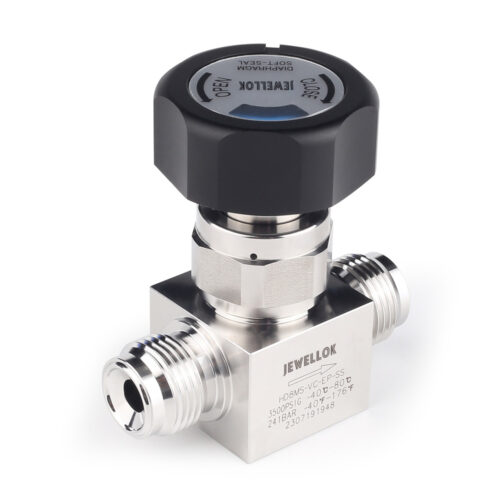
Stainless Steel Ultra High Purity (UHP) High Pressure Manual Diaphragm Valve
-
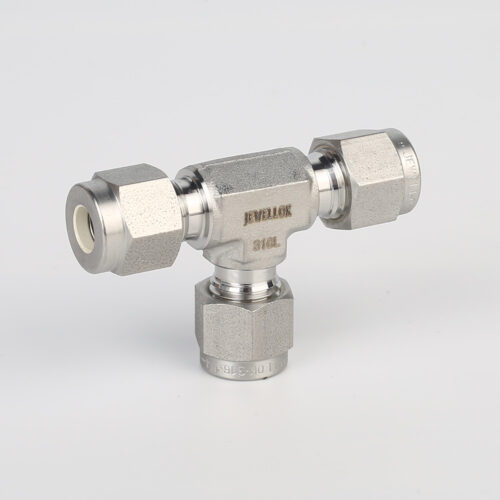
764L Stainless Steel Union Tee High Purity Fitting Union Tee Reducing Tubing Connection
-

Custom Chemical Delivery System (CDS) Engineering for Hazardous Etchants and Volatile Organic Solvent Distribution Systems
-

High Purity Configurable Systems VMB Valve Manifold Box JW-200-VMB-C & JW-100-VMB-C
-
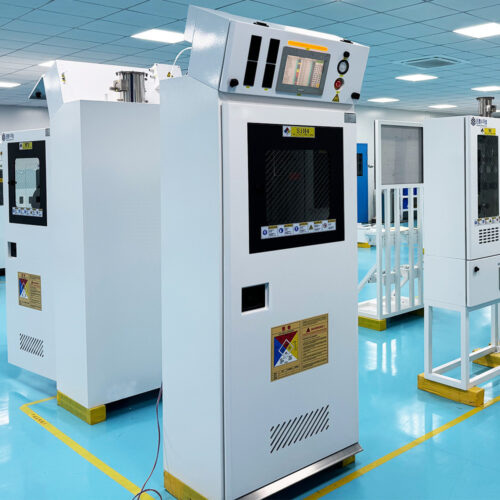
Fully Automated Gas Cabinet For Precise UHP Gas Delivery And High Purity Gas Delivery Systems JW-300-GC
-
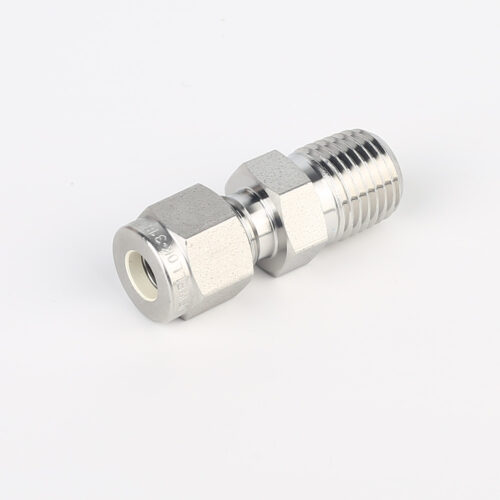
768L Stainless Steel Male Tube Butt Weld Connector | Clean Weld Fittings And Ultra-High Purity Fittings
-
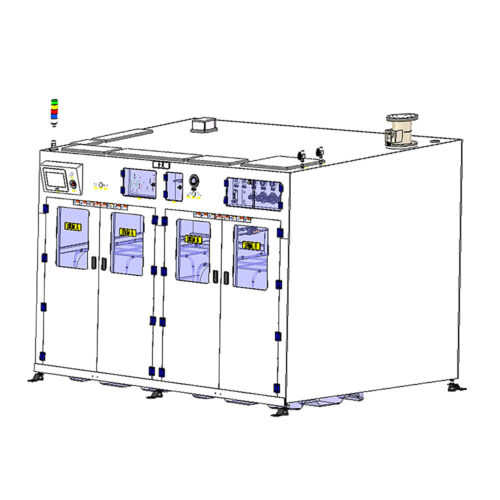
Scrubber Gas Cabinet Scrubber Tail Gas Treatment Cabinet Vent Gas Scrubber System Heat-Filter Burn Box Gas Scrubber/Abatement System
-
Ultra High Purity Trimethylaluminum TMA Gas Cabinet Liquid Delivering Cabinet Used For Specialty Gas Delivery System In Semiconductor