
Valves Manufacturer Tel: +86 13380377051
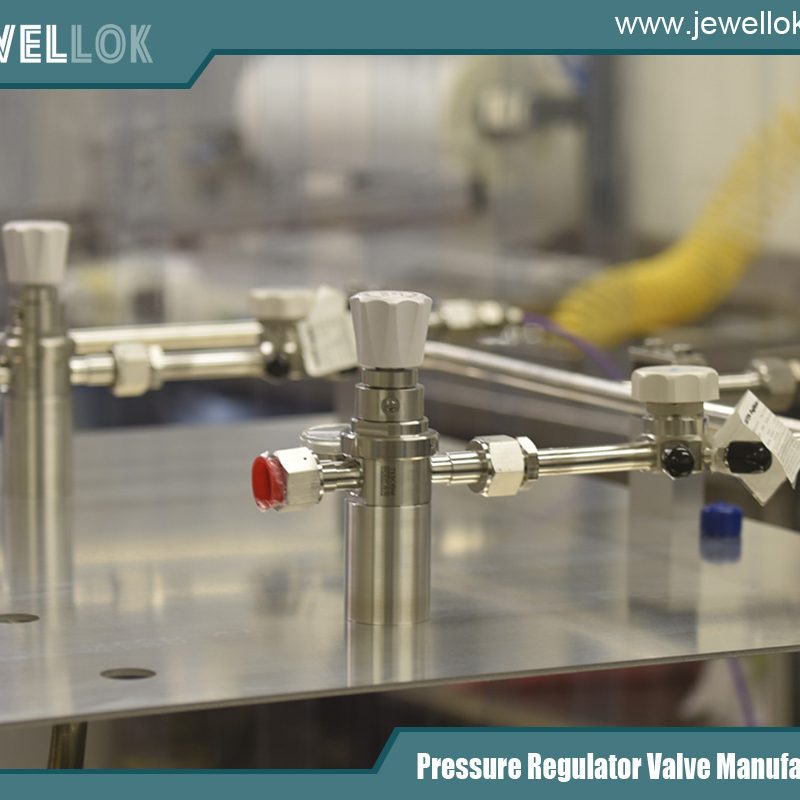
Carbon dioxide (CO₂) is one of the most widely utilized industrial gases in the modern world, yet it presents some of the most complex challenges in fluid control. From beverage carbonation and supercritical extraction to semiconductor manufacturing and refrigeration systems, the applications of CO₂ are remarkably diverse. At the heart of every safe and efficient CO₂ system lies a component that is often taken for granted: the CO₂ regulator. This device, responsible for reducing and stabilizing pressure, must be meticulously engineered to handle the unique physical and chemical properties of this versatile gas. This article explores the distinctive characteristics of CO₂ and details the specific design features that a CO₂ regulator must possess to ensure safety, precision, and longevity.
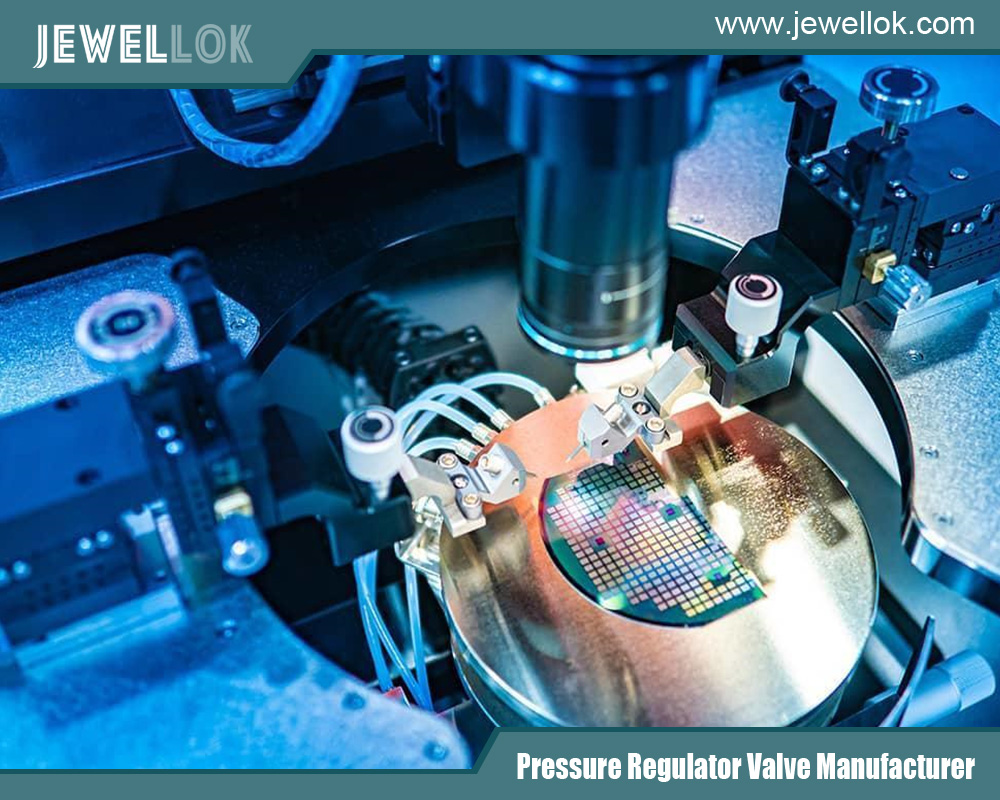
The Unique Characteristics of Carbon Dioxide
To understand why a standard gas regulator is often inadequate for CO₂ service, one must first appreciate the gas’s unique behavior. Unlike inert gases such as nitrogen or argon, CO₂ exists on a delicate physical and chemical balance point that makes it particularly demanding to control.
1. Phase Transition and the “Dry Ice” Risk
The most immediate challenge in CO₂ handling is its low critical point. With a critical temperature of 31.1°C and a critical pressure of 7.39 MPa (approximately 1,070 psi), CO₂ is easily liquefied. At room temperature (20°C), it requires only about 5.7 MPa (830 psi) to remain in a liquid state. This means that in many industrial settings—such as welding or beverage dispensing—CO₂ is stored as a liquid in cylinders or bulk tanks.
When this liquid passes through a regulator and experiences a sudden drop in pressure, it undergoes rapid adiabatic expansion and vaporization. This process, known as the Joule-Thomson effect, can cause an extreme temperature drop. If not managed properly, the temperature can plummet below -78°C, causing the CO₂ to solidify into dry ice. This phenomenon, commonly referred to as “ice plug” or “dry ice formation,” can block valve orifices, cause erratic pressure delivery, and permanently damage regulator seats and diaphragms.
2. Chemical Reactivity: The Corrosion Problem
In its pure, dry state, CO₂ is relatively inert. However, the moment it comes into contact with even trace amounts of water—a common occurrence in industrial gas systems—it forms carbonic acid (H₂CO₃). While weak, this acid is surprisingly corrosive to many common regulator materials, particularly brass and standard carbon steel.
This corrosion is not merely a long-term maintenance issue; it is an immediate threat to process integrity. In the semiconductor industry, corrosion particles can contaminate entire batches of wafers. In food and beverage applications, metallic ions can ruin the taste profile of a soft drink or beer. Furthermore, corrosion pitting can create leak paths, turning a CO₂ regulator from a safety device into a safety hazard.
3. High-Pressure Storage and Density
CO₂ is often stored at high pressures. Depending on temperature, a CO₂ cylinder containing liquid can exert vapor pressures exceeding 2,000 psi (138 bar). This high-pressure differential, combined with the gas’s high density, places significant mechanical stress on regulator components. The challenge is to take this high, fluctuating inlet pressure and reduce it to a stable, usable outlet pressure—often as low as a few psi—without instability or “hunting”.
4. Safety and Asphyxiation Risk
CO₂ is heavier than air. In the event of a leak, it does not dissipate harmlessly into the atmosphere; it settles in low-lying areas, displacing oxygen and creating a serious asphyxiation hazard. This places a premium on the absolute leak-tight integrity of any CO₂ regulator, both internally (seat leakage) and externally (leakage to atmosphere).
Required Features of a High-Performance CO₂ Regulator
Given these challenges, a regulator designed for CO₂ service must go far beyond the specifications of a standard industrial regulator. Whether the application is ultra-high purity (UHP) semiconductor manufacturing, food and beverage, or high-pressure refrigeration, the following features are critical.
1. Phase Management and Anti-Frost Design
To combat the risk of dry ice formation and “ice plug,” a CO₂ regulator must incorporate robust thermal management features.
-
Thermal Mass and Heat Tracing: For high-flow applications, regulators often feature integrated heating jackets or steam-traced bodies. These active systems maintain the valve body temperature above the freezing point of water and the sublimation point of CO₂, ensuring the gas remains in a stable phase as it passes through the orifice.
-
Multi-Stage Pressure Reduction: For applications drawing liquid from the bottom of a CO₂ tank, single-stage reduction is often disastrous. A multi-stage design is essential. The first stage reduces the pressure to a level just above the saturation point, keeping the CO₂ in a liquid state. The second stage then manages the vaporization. This staged approach distributes the temperature drop across multiple components, significantly reducing the risk of solidification.
-
Specialized Trim Design: Regulators like the Equilibar BR Series utilize multi-orifice designs and specific configurations (such as open-bottom outlets) to eject ice crystals and viscous oils directly into downstream vessels, preventing blockage without requiring external heating elements.
2. Material Compatibility and Corrosion Resistance
The choice of materials is arguably the most critical factor in the longevity and purity of a CO₂ regulator.
-
Wetted Materials: For UHP and food-grade applications, the standard is moving away from brass toward 316L stainless steel or even more exotic alloys like Hastelloy C-276. These materials offer superior resistance to carbonic acid attack. The “L” grade signifies low carbon content, which minimizes carbide precipitation during welding and enhances corrosion resistance. For applications requiring extreme durability, materials like Inconel X-750 are used for internal springs to prevent relaxation and corrosion fatigue.
-
Surface Finish: Mechanical polishing is insufficient for high-purity applications. Electro-polishing is required to create a smooth,钝化 surface (typically Ra < 15 µin). This process removes microscopic peaks and valleys where moisture and contaminants could accumulate, and it enhances the chromium oxide layer that gives stainless steel its corrosion resistance.
-
Elastomers and Seals: Standard elastomers like Buna-N degrade rapidly in CO₂ service. High-performance CO₂ regulators utilize Perfluoroelastomers (FFKM, e.g., Kalrez or Chemraz) or PTFE. These materials exhibit near-universal chemical resistance, extremely low outgassing, and maintain their sealing properties across wide temperature swings.
3. Leak Integrity: External and Internal
Given the asphyxiation risk and the value of the gas, leak integrity is non-negotiable.
-
External Leaks: A UHP CO₂ regulator must achieve a helium leak rate of less than 1 x 10⁻⁹ atm cc/sec. This is typically verified by Mass Spectrometry Leak Detection (MSLD). To achieve this, regulators often feature hermetically sealed diaphragm designs. For instance, the ICMTS valve from Danfoss uses a magnetic coupling to provide “real hermetic sealing,” completely eliminating the dynamic seal around a moving stem.
-
Internal Leaks (Creep): “Creep” occurs when a regulator’s seat fails to seal completely, allowing high-pressure gas to slowly leak into the low-pressure side even when the system is shut off. This can cause downstream gauges and equipment to see unexpected pressure spikes. A high-quality regulator must have certified internal valve seat leakage (IVR) rates as low as 1 x 10⁻⁹ atm cc/sec He. Advanced seat materials, such as PEEK (polyether ether ketone) used in Danfoss CCMT valves, provide excellent tightness and robustness against such leakage.
4. Precision Control and Stability
The core function of a regulator is to maintain a set pressure regardless of fluctuations in inlet pressure or flow demand.
-
Droop and Lockup: Droop (or supply pressure effect) is the decrease in outlet pressure as inlet pressure decays. Lockup is the increase in outlet pressure above the setpoint when flow stops. A well-designed CO₂ regulator minimizes both. Droop should ideally be less than 5% of the set value, ensuring that tools downstream receive consistent pressure even as storage tanks empty.
-
Sensing Element: Large area, corrosion-resistant metal diaphragms (such as 316L stainless steel) offer superior sensitivity compared to piston-type designs. They respond more quickly to pressure changes, providing tighter control, especially in low-pressure applications like beverage dispensing or welding.
-
Flow Capacity (Cv): Correct valve sizing is crucial. An oversized valve will operate in a nearly closed position, leading to instability and wear. An undersized valve will cause excessive droop and starvation. The regulator must be selected based on precise Cv calculations matching the specific flow requirements of the application.
5. Cleanliness and Outgassing Control
In sensitive applications like semiconductor fabrication or pharmaceutical processing, the regulator must not introduce contaminants.
-
Assembly Environment: High-purity regulators must be assembled in ISO Class 5 (Class 100) cleanrooms or better.
-
Baking and Degassing: Components are often vacuum-baked at high temperatures (e.g., 150°C) to drive off adsorbed water vapor and hydrocarbons. Certified outgassing rates of less than 1 x 10⁻⁹ g/cm²/s are the benchmark for UHP service.
Application-Specific Considerations
The specific demands on a CO₂ regulator vary significantly by industry:
-
Food and Beverage: Requires NSF/FDA certifications, stainless steel construction to prevent taste contamination, and often heated bodies to prevent freeze-up during high-speed filling.
-
Supercritical Fluid Extraction (SFE): Demands regulators capable of handling pressures above 5,000 psi (345 bar) with precise back-pressure control. The regulator must also handle the Joule-Thomson cooling of the expanding CO₂ and the viscous oils extracted from the plant matter.
-
Refrigeration (R744): In transcritical CO₂ systems, valves must withstand maximum working pressures of 140 bar (2030 psig) and operate as expansion devices or gas cooler pressure regulators. They must be compatible with various oils (PAG, POE).
-
Semiconductor Manufacturing: Requires UHP materials, electropolished surfaces, and hermetically sealed designs to prevent any introduction of metal ions (Na+, Fe²+) or particles into the processing chamber.
Conclusion
The humble CO₂ regulator is, in reality, a sophisticated piece of engineering that sits at the intersection of thermodynamics, materials science, and precision fluid control. The unique challenges posed by CO₂—its propensity to form dry ice, its corrosive nature when wet, its high storage pressures, and its safety risks—demand regulators that are specifically designed to manage these characteristics.
Selecting the correct CO₂ regulator is not merely a matter of matching pipe threads. It requires a careful evaluation of the gas phase (liquid or vapor), flow rates, pressure requirements, and purity standards. By prioritizing features such as multi-stage phase management, advanced corrosion-resistant materials, hermetic sealing, and certified cleanliness, engineers and operators can ensure not only the efficiency of their processes but also the safety of their personnel and the integrity of their final product. The right regulator transforms CO₂ from a hazardous variable into a reliable and precise industrial tool.
For more about The Critical Role of the CO₂ Regulator: Understanding Gas Characteristics and Required Valve Features, you can pay a visit to Jewellok at https://www.jewellok.com/ for more info.
-
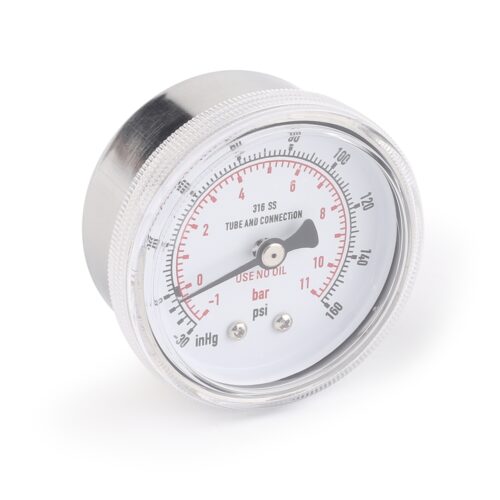
Ultra High Purity Pressure Gauge For Laboratory And Semiconductor JR Series
-
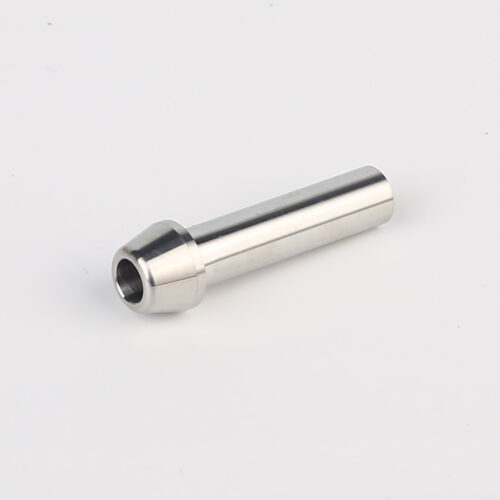
767LP Port Connector Ultra High Purity VCR Metal Gasket Face Seal Tube Fittings
-
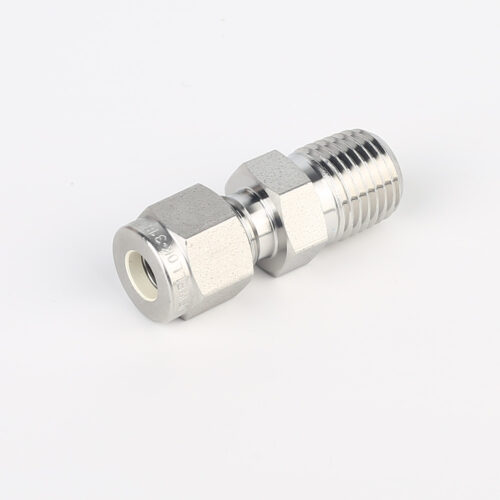
768L Stainless Steel Male Tube Butt Weld Connector | Clean Weld Fittings And Ultra-High Purity Fittings
-
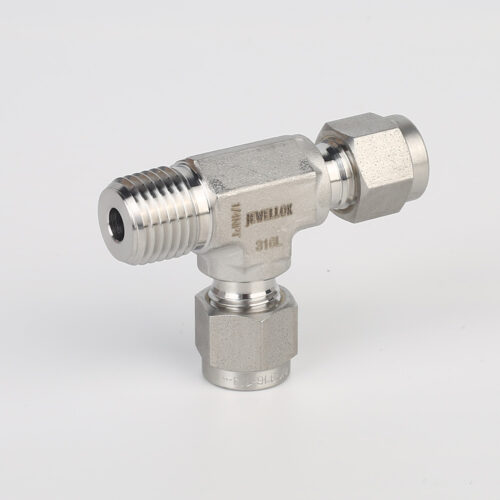
771L Male Run Tee | Stainless Steel High Quality High Purity Male Run Tee Branch Tee Pipe Fittings
-
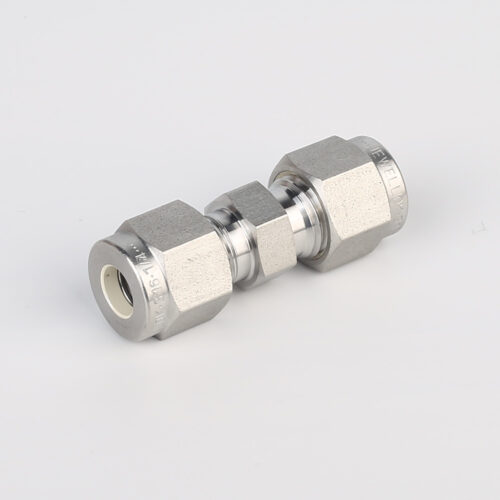
762L Stainless Steel High Purity Union High-Purity Gas System Fittings
-
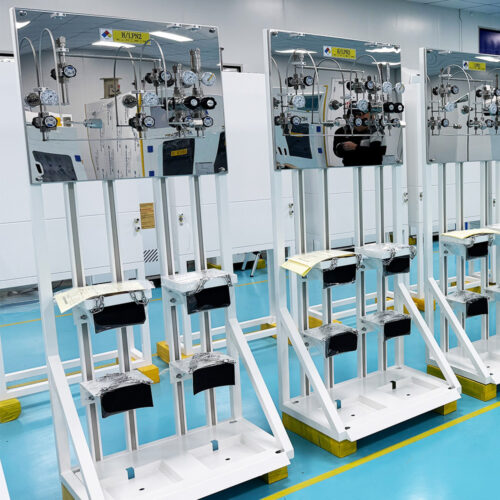
Manual Gas Rack High Purity Gas Delivery Systems JW-100-GR
-
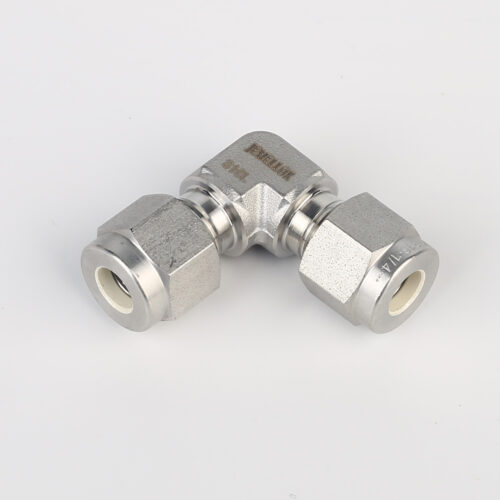
765L Stainless Steel Union Elbow Reducing High Purity Fitting Tubing Extension Tubing Connection
-
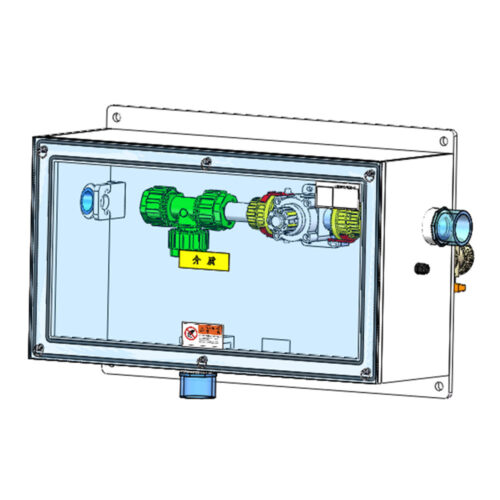
Scrubber Tail Gas Treatment Cabinet Waste Gas Treatment Wet Scrubber Exhaust Gas Treatment Spray Tower