
Valves Manufacturer Tel: +86 13380377051
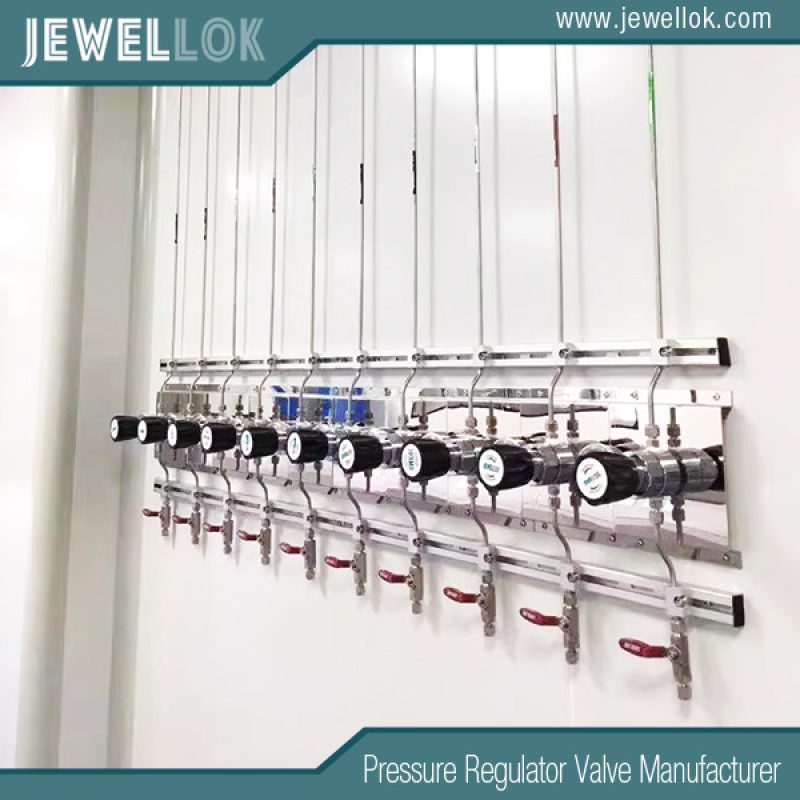
How Does A Oxygen Gas Pressure Regulator Work?
Oxygen gas pressure regulators are vital components in numerous fields, including medical therapy, industrial welding, and scientific research. These devices manage the release of oxygen from high-pressure storage cylinders—typically ranging from 2,000 to 3,000 pounds per square inch (psi)—down to safer, usable levels for equipment or direct application. Oxygen, as a highly reactive gas that supports combustion, demands specialized handling to prevent fires, explosions, or contamination. Unlike inert gases such as helium, oxygen regulators must incorporate materials and designs that minimize ignition risks, making their operation both mechanically similar to other gas regulators yet uniquely safety-focused.
The core purpose of an oxygen regulator is to maintain a consistent outlet pressure despite variations in inlet pressure or downstream demand. This ensures reliable performance in critical scenarios, such as delivering precise oxygen flow to patients with respiratory issues or providing a stable flame in oxy-acetylene welding. Without proper regulation, direct release from a cylinder could result in hazardous over-pressurization, equipment failure, or oxygen enrichment leading to fire hazards in enclosed spaces.
Historically, pressure regulators evolved from simple valves in the 19th century to sophisticated devices by the mid-20th century, with oxygen-specific models gaining prominence in medical and industrial sectors post-World War II. Today, they adhere to standards like those from the Compressed Gas Association (CGA) and Occupational Safety and Health Administration (OSHA), emphasizing compatibility and cleanliness. For instance, oxygen regulators often feature green coloring for easy identification and use CGA 540 connections to prevent cross-connections with incompatible gases.
This article explores the intricacies of oxygen gas pressure regulators, covering their principles, components, operational mechanisms, types, applications, safety protocols, and maintenance practices. Through this examination, readers will gain a thorough understanding of these essential tools, highlighting both their engineering elegance and the stringent safety measures required for handling oxygen.
Basic Principles of Pressure Regulation
At its essence, an oxygen gas pressure regulator operates on the principle of force balance to achieve controlled pressure reduction. High-pressure oxygen enters the regulator from the cylinder, where it is throttled through a variable orifice to a lower outlet pressure. The device automatically adjusts to maintain this output, compensating for changes in supply pressure or flow demand.
The fundamental mechanism involves a dynamic equilibrium between mechanical forces (from a spring) and pneumatic forces (from the gas pressure). In a typical setup, a diaphragm senses the outlet pressure and interacts with a spring-loaded valve. When the spring force exceeds the gas pressure force on the diaphragm, the valve opens to allow more flow; conversely, if gas pressure builds, it pushes back, closing the valve partially to restore balance.
For oxygen, additional principles address its oxidizing nature. Regulators must be “oxygen clean,” free of hydrocarbons or particulates that could ignite under pressure. This is governed by standards like ASTM G93, which specify cleaning processes to remove residues that might cause adiabatic compression ignition—a rapid temperature rise from gas compression leading to combustion.
Key performance characteristics include “droop,” the slight decrease in outlet pressure as flow increases, due to spring nonlinearities and friction. High-quality oxygen regulators minimize droop to ensure consistent delivery, crucial in medical applications where flow rates might vary from 0.5 to 15 liters per minute (LPM). The “supply pressure effect” causes minor outlet variations as cylinder pressure decays; single-stage models show about a 0.5-1 psi rise per 100 psi inlet drop, while dual-stage mitigate this to negligible levels.
Temperature effects are also considered: oxygen density changes with temperature, potentially affecting flow accuracy. Regulators may include compensating features or be rated for specific ranges, like -40°F to 140°F. In high-flow scenarios, Joule-Thomson cooling can occur, where expanding gas cools, risking ice formation if moisture is present—hence the emphasis on dry, clean oxygen.
Overall, these principles ensure oxygen is delivered safely and efficiently, balancing mechanical reliability with chemical compatibility.
Components of an Oxygen Gas Pressure Regulator
An oxygen gas pressure regulator comprises several interconnected components designed for durability, precision, and safety. The main body, often machined from brass or stainless steel, houses the internal mechanisms. Brass is favored for its machinability and corrosion resistance in oxygen service, while stainless steel is used in high-purity or corrosive environments. Bodies are typically barstock for low internal volume and smooth finishes to reduce contamination risks.
Inlet and outlet ports connect to the cylinder and downstream system. The inlet uses a CGA 540 fitting for oxygen cylinders up to 3,000 psi, ensuring gas-specific compatibility to prevent accidents. Outlets vary: threaded for hoses in welding or pin-indexed for medical yokes.
The control element is usually a poppet valve with a seat made of compatible materials like PCTFE (Kel-F) or Vespel, which resist oxygen’s reactivity and provide tight sealing. The valve adjusts the orifice to control flow.
The sensing element is a diaphragm, often stainless steel to avoid offgassing or permeation issues common with elastomers in oxygen systems. It separates high- and low-pressure chambers, responding to pressure changes.
The loading mechanism includes a spring and adjustment knob. The spring, typically stainless steel, applies force to the diaphragm; turning the knob compresses it to set the outlet pressure, often from 0-50 psi in medical regulators.
Dual gauges monitor pressures: the high-pressure gauge (0-4,000 psi) indicates cylinder contents, while the low-pressure gauge (0-100 psi or flow in LPM) shows delivery. Flowmeters, like Thorpe tubes, may integrate for precise flow control.
Safety features include relief valves that vent excess pressure (set at 1.5 times max outlet) and filters to trap particulates. For oxygen, all components are oxygen-compatible, lubricated with non-reactive substances like Krytox if needed. Seals are metal-to-metal or fluoropolymer to prevent leaks and ignition.
These components work synergistically, with materials selected to withstand oxygen’s demands while ensuring longevity.
Working Mechanism: Step by Step
The operation of an oxygen gas pressure regulator follows a precise sequence, leveraging force balance for control.
First, installation: Secure the regulator to the cylinder using the CGA 540 connection. Ensure the system is clean; never use oil or grease, as marked on gauges (“USE NO OIL”). Close downstream valves and back out the adjustment knob to zero tension.
Step 1: Initial Pressurization. Slowly open the cylinder valve. High-pressure oxygen (e.g., 2,200 psi) enters the inlet chamber but is blocked by the closed poppet valve, as the spring exerts no opening force yet.
Step 2: Setting Pressure. Turn the adjustment knob clockwise, compressing the spring. This force displaces the diaphragm downward, unseating the poppet valve. Oxygen flows into the outlet chamber, building pressure.
Step 3: Equilibrium Achievement. Outlet pressure acts upward on the diaphragm, opposing the spring. When forces balance (spring force = pressure × diaphragm area), the valve stabilizes, maintaining the set pressure (e.g., 50 psi for welding).
Step 4: Responding to Changes. If demand increases (e.g., opening a torch), outlet pressure drops, reducing diaphragm force. The spring opens the valve wider to restore flow. If pressure exceeds set point, the diaphragm closes the valve. In dual-stage models, the first stage reduces to ~300 psi, the second fine-tunes, minimizing variations.
For oxygen, avoid rapid pressurization to prevent adiabatic heating. If equipped, use purge valves to flush air before full operation, preventing oxygen-air mixtures that could ignite.
Shutdown: Close the cylinder valve, vent residual pressure safely, and relax the knob to prevent component fatigue. This process ensures safe, stable oxygen delivery.
Types of Oxygen Gas Pressure Regulators
Oxygen regulators vary by design and application.
Single-Stage Regulators: Reduce pressure in one step; economical for stable inlet scenarios like short-term welding. Prone to supply effect.
Dual-Stage Regulators: Two-step reduction for precision; ideal for lab or medical use with depleting cylinders.
Continuous Flow Regulators: Deliver steady oxygen at set LPM; common in home therapy.
Pulse-Dose or Conserving Regulators: Sense breathing and deliver bursts, extending cylinder life up to 5x; for portable medical use.
High-Purity Regulators: Stainless components for analytical oxygen; minimize contamination.
Direct-Operated vs. Pilot-Operated: Direct for simple control; pilot for high flows in industrial settings.
Specialty types include yoke-style for medical tanks and high-pressure for aviation.
Applications for Oxygen
In medicine, regulators enable oxygen therapy, anesthesia, and ventilators, ensuring flows from 1-15 LPM. In welding, they control oxy-fuel torches for cutting metals. Industrially, used in steel production and chemical processes. Aviation employs them for high-altitude breathing.
Safety and Maintenance
Safety is critical: Use only oxygen-compatible regulators; inspect for damage before use. Avoid oils to prevent fires; perform leak tests with soapy water. Maintenance includes monthly functional tests, pressure testing, and replacement every 5 years. Purge at shutdowns; store in clean areas. Follow OSHA guidelines for inspections.
Conclusion
Oxygen gas pressure regulators exemplify precision engineering tailored to a reactive gas, ensuring safe pressure control across diverse applications. Their balanced mechanisms and safety features underscore their indispensability in modern technology.
For more about how does a oxygen gas pressure regulator work, you can pay a visit to Jewellok at https://www.jewellok.com/ for more info.
-
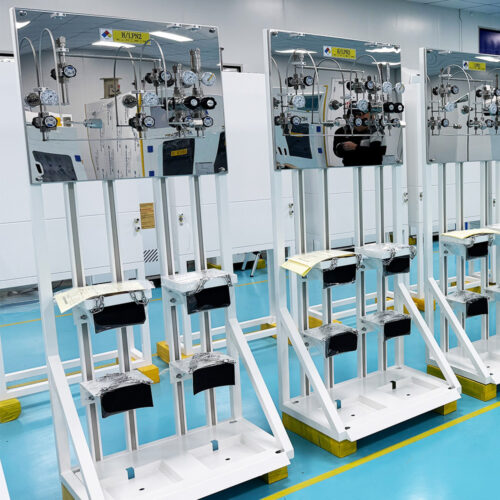
Manual Gas Rack High Purity Gas Delivery Systems JW-100-GR
-
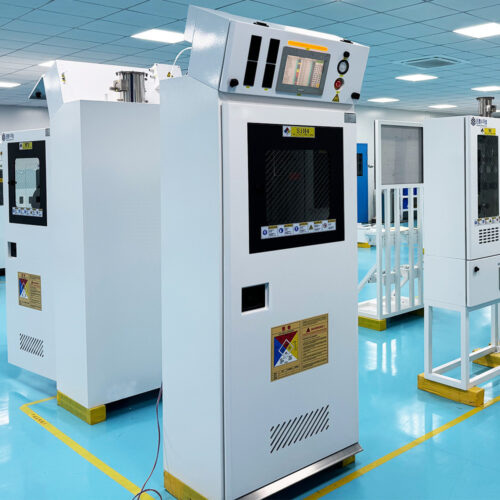
High Purity Bulk Specialty Gas Pressure Control And Filtration Bulk Gas Skid Systems JW-300-BSGS
-
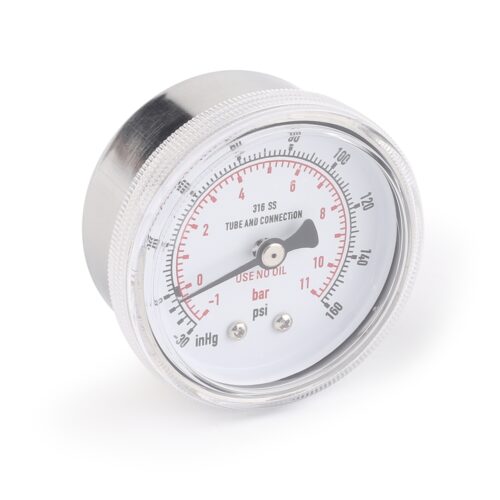
Ultra High Purity Pressure Gauge For Laboratory And Semiconductor JR Series
-
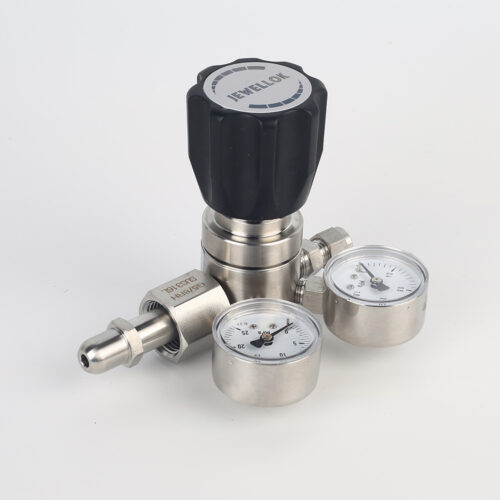
High Purity High Pressure Gas Cylinder Pressure Regulators Pressure Reducing Valve JSR-1E Series
-
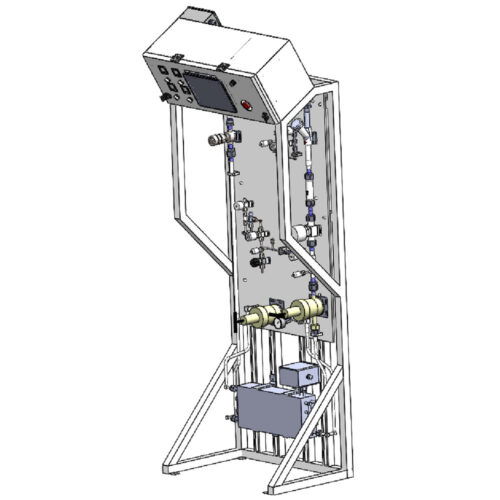
Semiconductor High Purity High Pressure Specialty Gas Bottle Gas Cylinder Storage Cabinet And Gas Pressure Regulating Cabinet
-
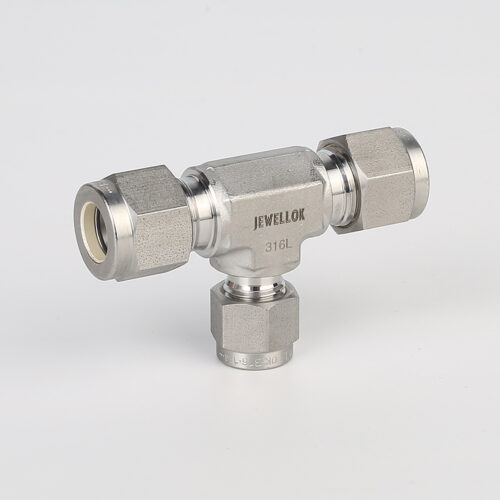
764LR Stainless Steel 316 Reducing Tee UHP Fitting Automatic Buttweld Reducing Tee
-
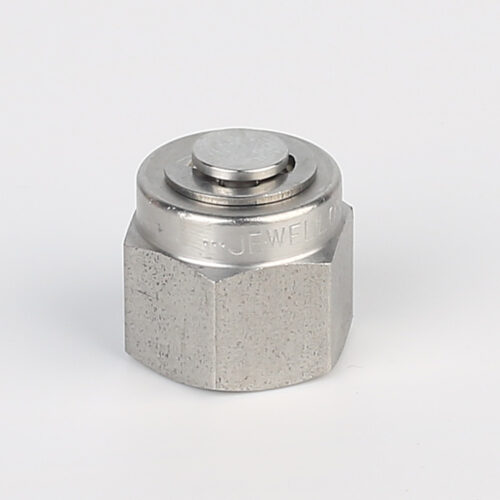
7121L Plug High Purity Plug Fitting And Blanking Plug
-
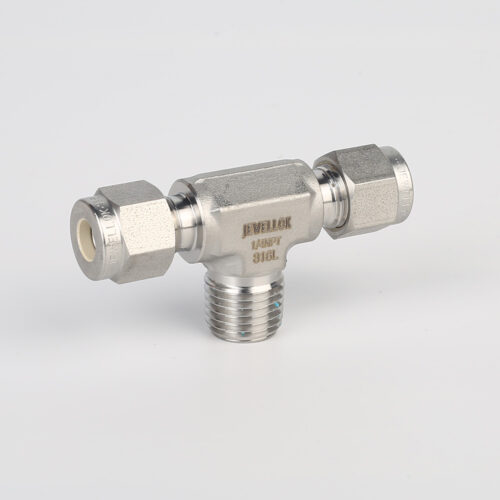
772L Male Branch Tee | Stainless Steel High-Purity Tube Fitting Male Branch Tee