
Valves Manufacturer Tel: +86 13380377051
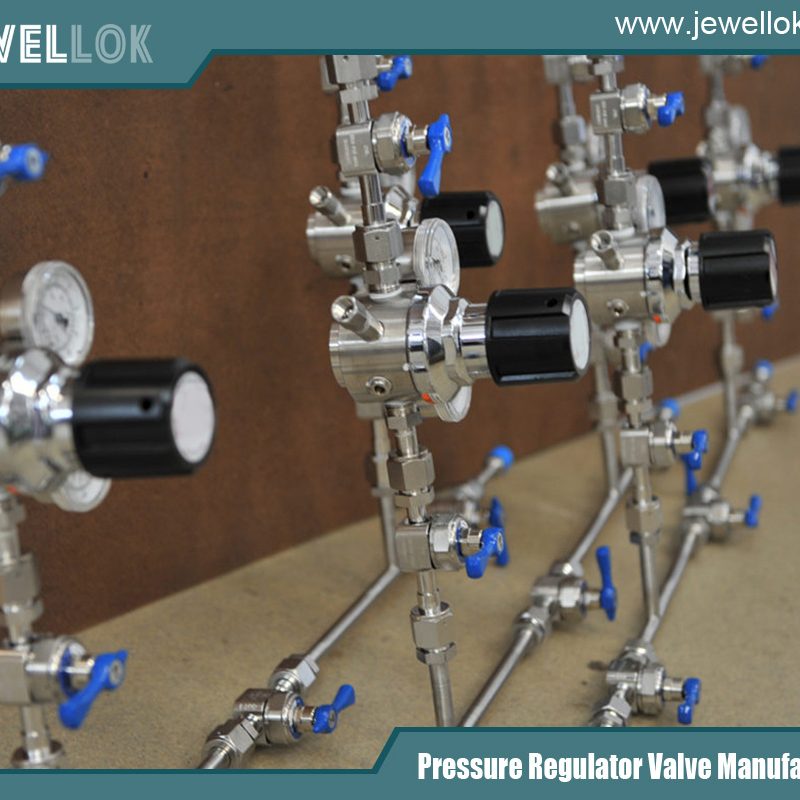
How Does a Single-Stage Gas Regulator Work? Mastering the Mechanics of Pressure Control
In the vast infrastructure that delivers energy to our homes, workshops, and industries, a small, often overlooked device plays a critical role in ensuring safety, efficiency, and functionality: the gas regulator. Among the most common types is the single-stage gas regulator, a workhorse of pressure control for applications from propane grills to heating systems. Understanding how this device functions is not just a matter of technical curiosity; it’s fundamental to safe operation and troubleshooting. This article delves into the principles, components, and operation of a single-stage gas regulator, explaining how it reliably transforms a high, variable pressure into a safe, constant flow.
The Fundamental “Why”: The Need for Pressure Regulation
Gases like propane (LPG) or natural gas are stored under high pressure to maximize the amount of fuel contained in a limited volume. A standard propane cylinder might contain pressure ranging from 60 to 150 psi (pounds per square inch) or more, depending on temperature. Similarly, natural gas in a distribution line can be at significantly higher pressures. However, most appliances—grill burners, furnaces, water heaters—are designed to operate at a fraction of that pressure, typically between 0.5 psi (≈11 inches water column) for low-pressure appliances and up to 2 psi for some high-pressure ones.
Connecting a high-pressure source directly to an appliance would be disastrous, resulting in uncontrollable flames, equipment damage, or fire. Therefore, the primary mission of a single-stage regulator is to reduce the high, variable inlet pressure (from the cylinder or line) to a constant, lower outlet pressure suitable for the appliance. It performs this task automatically and continuously, without requiring external power.
Anatomy of a Single-Stage Gas Regulator: Key Components
To understand its operation, we must first identify its core parts. While designs vary, the basic components of a typical single-stage propane regulator are:
- Inlet Connection: The high-pressure gas entry point, often threaded to connect to a cylinder valve.
- High-Pressure Chamber (Inlet Side): The area where incoming gas at cylinder pressure resides.
- Seat and Orifice: A precisely sized opening that acts as the gateway between the high-pressure and low-pressure sides. The flow through this orifice is controlled by the valve.
- Valve (or Poppet): A movable disc, usually with an elastomeric seal, that presses against the seat to stop flow or lifts away to allow flow. It is the primary control element.
- Diaphragm: A flexible, gas-tight membrane, typically made of rubber or polymer. This is the “sensing” component. It moves in response to the balance of forces, ultimately controlling the valve.
- Spring (Loading Element): Positioned above the diaphragm, this spring provides the primary force that pushes the diaphragm down. The pre-set tension of this spring determines the target outlet pressure.
- Low-Pressure Chamber (Outlet Side): The area where the reduced, regulated pressure gas collects before exiting to the appliance.
- Outlet Connection: The connection for the hose or piping leading to the appliance.
- Vent/Breather Hole: A small opening in the regulator body above the diaphragm that allows it to sense atmospheric pressure. It is crucial for safe operation and must never be blocked.
The Operational Cycle: A Dance of Forces
The regulator’s operation is an elegant demonstration of force balance using principles of physics. It is a closed-loop control system. Here’s a step-by-step breakdown of its working cycle:
Step 1: At Rest (Appliance Off)
When the appliance valve is closed, no gas flows from the outlet. Gas pressure builds in the low-pressure chamber. This pressure acts on the underside of the diaphragm, creating an upward force. When this upward force equals the downward force exerted by the pre-set spring, the diaphragm moves to a neutral position. This movement causes the valve (linked to the diaphragm via a lever or stem) to be pressed firmly against the seat, closing the orifice completely. Gas flow from the high-pressure side stops. The system is in equilibrium with the outlet pressure at the designed setpoint.
Step 2: Demand Opened (Appliance Turned On)
When you open a burner valve, gas flows out of the low-pressure chamber to the appliance. This causes a drop in outlet pressure. The upward force on the diaphragm from the gas pressure momentarily decreases. The spring’s constant downward force now exceeds the upward force.
Step 3: The Response
The unbalanced spring force pushes the diaphragm down. This downward motion, transmitted through the lever mechanism, lifts the valve off its seat, opening the orifice. High-pressure gas now flows from the cylinder into the low-pressure chamber.
Step 4: Reaching Equilibrium
As gas flows into the low-pressure chamber, the outlet pressure begins to rise again. This increasing pressure pushes upward on the diaphragm. The diaphragm gradually rises, allowing the valve to move back towards the seat, restricting the flow. The system seeks a point where the orifice is open just enough to exactly replace the gas being consumed. At this point, the upward force (from outlet pressure) and downward force (from the spring) are balanced again, and outlet pressure is restored to the setpoint.
This cycle—sense a pressure drop, open the valve; sense a pressure rise, close the valve—happens continuously and almost instantaneously. The diaphragm acts as both sensor and actuator, constantly making micro-adjustments to maintain a steady outlet pressure despite varying flow rates (from one burner to all burners on a grill) or slowly declining cylinder pressure.
The “Single-Stage” Limitation and Compensation
The term “single-stage” refers to the fact that the pressure reduction happens in one step. This design has a characteristic trait: as the inlet pressure (cylinder pressure) falls, the outlet pressure experiences a slight rise, known as “creep” or “rise-to-lockup.”
Why does this happen? The force closing the valve comes from a combination of the spring force and the force exerted by the inlet gas pressure on the small area of the valve itself. As the cylinder empties and inlet pressure decreases, the closing force contributed by the inlet pressure diminishes slightly. The spring force, however, remains constant. This results in the valve being held slightly more open than needed at the new, lower inlet pressure, causing a small increase in outlet pressure.
For many applications like a patio grill, this minor rise is inconsequential. However, for sensitive equipment, a two-stage regulator (which performs reduction in two sequential steps) is used to provide nearly perfectly constant outlet pressure from a full to an empty cylinder.
Critical Design and Safety Features
- Vent/Breather Hole: This is non-negotiable. The diaphragm must reference atmospheric pressure to function correctly. If this hole is blocked (by paint, dirt, or insect nests), the diaphragm cannot move properly. A blocked vent can lead to over-pressurization (if blocked shut) or under-pressurization (if blocked in an open position), both of which are dangerous. Many regulators have a covered or downward-facing vent to protect it, but it must remain clear.
- Relief Valve (Internal or External): A critical safety backup. It is a spring-loaded valve set to open at a pressure significantly above the normal operating range (e.g., 2 psi for an 11” WC regulator). If the main regulating mechanism fails—for example, if the diaphragm ruptures or the valve sticks open—the relief valve will open to vent excess gas to the atmosphere, preventing a dangerous pressure build-up in downstream hoses and appliances.
- Pressure Lock-Out (on some modern regulators): A safety feature designed to shut off flow if it detects an extreme over-pressure event (like a severed hose) or a massive leak. It typically uses a secondary shut-off mechanism that resets only after the downstream pressure is bled to zero.
Installation, Use, and Common Issues
- Installation: Always connect regulators securely using the correct fittings. For propane, use a leak-detection solution (soapy water) to check connections. Ensure the regulator vent is pointing downward to prevent moisture ingress.
- The “Opening Sequence”: For cylinder-mounted regulators, it is crucial to open the cylinder valve slowly. A rapid surge of high-pressure gas can slam the regulator valve shut violently, causing a temporary “lock-out” or damaging the seat, leading to leakage.
- Common Problems:
- “Freezing” or Flow Restriction: In high-flow situations, the rapid expansion of gas through the orifice can cause significant cooling (Joule-Thomson effect). If moisture is present in the gas, it can freeze at the orifice, blocking flow. This is often seen on large propane heaters.
- Creep/Over-Pressurization: As described, can be caused by a failing spring, contaminated valve seat, or a blocked vent.
- Under-Pressurization (Low Flame): Caused by a restricted orifice (from debris), a damaged diaphragm, a weakened spring, or a blocked vent hole.
- Leaks: Often occur at the seat (due to wear or contamination) or at the diaphragm (if torn or perished).
Conclusion
The single-stage gas regulator is a masterpiece of practical mechanical engineering. Through the elegant interplay of a spring, a diaphragm, and a simple valve, it performs the vital task of taming high-pressure gas, making it safe and usable for everyday applications. Its operation, based on dynamic force balance, is entirely self-contained and failsafe by design. While its two-stage cousin offers greater precision for more demanding uses, the single-stage regulator remains the robust, economical, and reliable solution for countless residential, recreational, and commercial applications. Understanding its inner workings empowers users to install it correctly, recognize signs of trouble, and appreciate the silent, constant work it does every time we light a grill or feel the warmth of a gas heater.
For more about how does a single-stage gas regulator work? Mastering the mechanics of pressure control, you can pay a visit to Jewellok at https://www.jewellok.com/ for more info.
-

Custom Chemical Delivery System (CDS) Engineering for Hazardous Etchants and Volatile Organic Solvent Distribution Systems
-
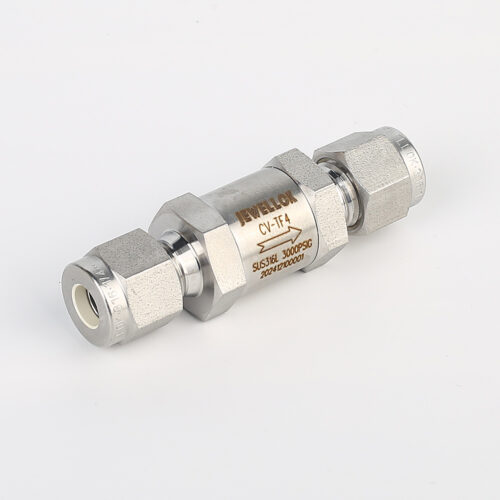
High Pressure High-Purity Welded Check Valves And Low Cracking Pressure Check Valve JCV1 Series
-
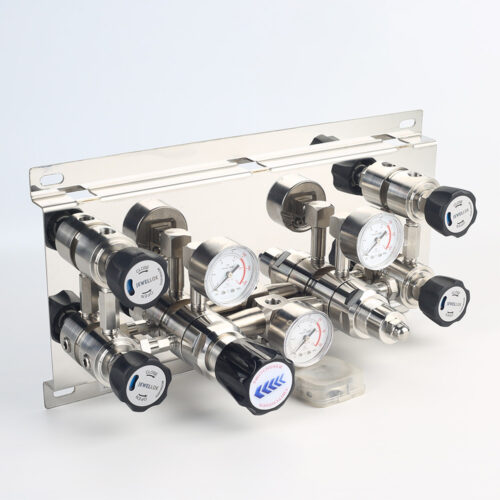
Pressure Control Panels For High Purity Gas Control System JSP-3AE Series From Pressure Control Panels Suppliers And Manufacturer
-
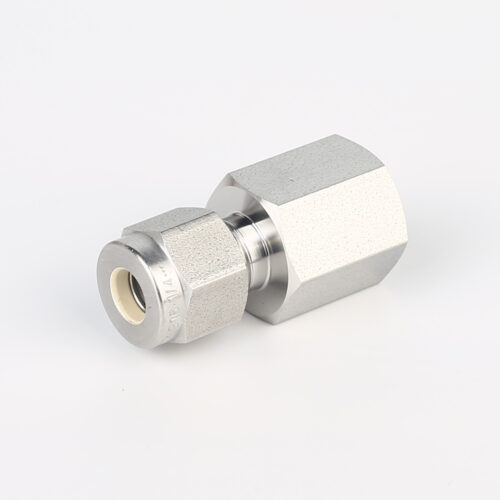
766L High Purity Female Connector UHP Fitting Female Connector
-
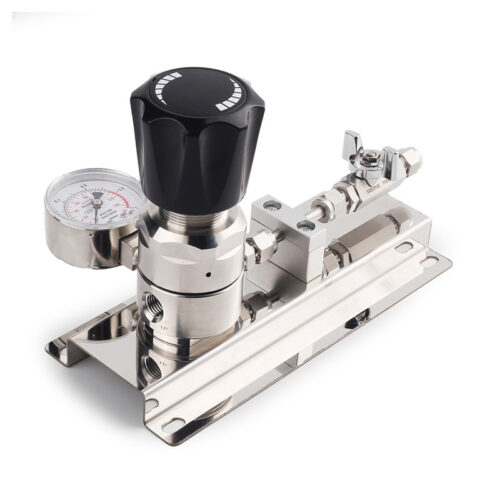
Ultra High Purity Stainless Steel Compressed Gas Changeover Manifold Panel System For Integrated Gas Supply System
-
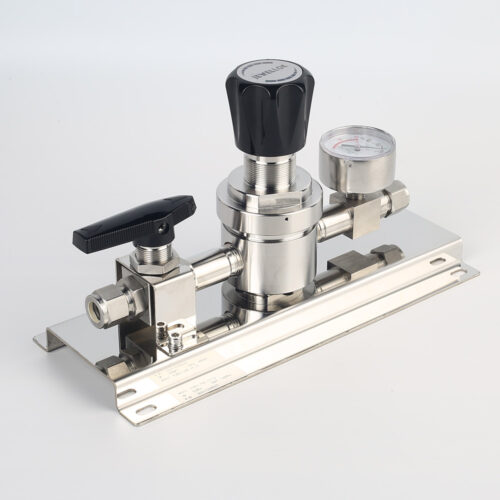
High Purity And Industria Gas Stick Assemblies Precise Pressure Control Gas Systems JSR-1ETG-BV Series
-
316L Stainless Steel Tube Butt Weld Reducing Fittings Union Reducer RW Series Ultrahigh Purity Process
-
Precision Liquid Chemical Delivery Module (CDM) with PLC Control for Parts-Per-Trillion Purity in Solar Cell Production