
Valves Manufacturer Tel: +86 13380377051
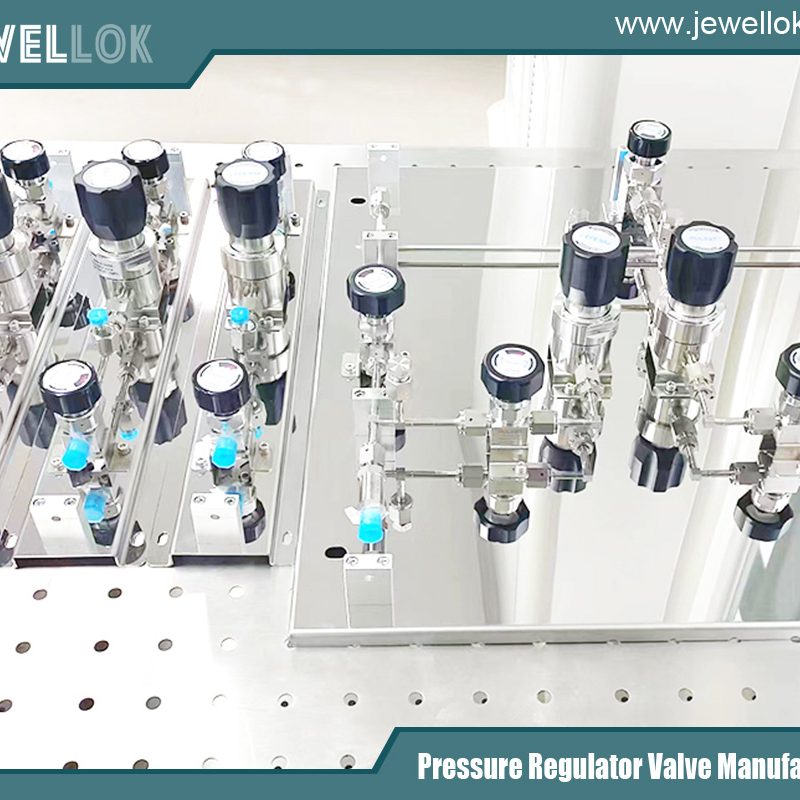
Two-Stage Specialty Gas Regulators: Ensuring Stable Outlet Pressure for Critical Applications
In the intricate ecosystems of laboratories, semiconductor fabrication plants, analytical instrumentation suites, and advanced manufacturing facilities, the unassuming two-stage specialty gas regulators plays a role of paramount importance. It is the critical interface between a high-pressure gas source and a delicate, often expensive, process or instrument. While single-stage regulators suffice for many general-purpose applications, critical applications demand a higher standard of performance and reliability. This is where two-stage specialty gas regulators become indispensable. Engineered to deliver an exceptionally stable outlet pressure regardless of fluctuating inlet conditions, these devices are the guardians of precision, safety, and repeatability in environments where even minor pressure deviations can compromise results, ruin products, or create hazardous situations.
The Limitation of Single-Stage Regulation
To appreciate the advanced design of a two-stage regulator, one must first understand the operational principle and limitations of its single-stage counterpart. A single-stage regulator reduces gas pressure in one step. It consists of a sensing element (typically a diaphragm) connected to a control valve. The user sets a desired outlet pressure via an adjustment knob, which tensions a spring against the diaphragm. This opens the control valve, allowing gas to flow from the high-pressure chamber to the low-pressure chamber until the force from the outlet pressure on the diaphragm balances the spring force.
The fundamental weakness of this design is its direct coupling to inlet pressure. As gas is consumed from the cylinder, the inlet pressure (source pressure) gradually declines. In a single-stage regulator, this decline reduces the force acting on the upstream side of the control valve. To maintain the balance of forces on the diaphragm, the control valve must open slightly wider. This action causes a corresponding increase in outlet pressure—a phenomenon known as “creep” or “supply pressure effect.” Conversely, when a cylinder valve is first opened, the high initial inlet pressure can cause a temporary drop in outlet pressure, or “spike,” before stabilization.
For non-critical applications like welding or general lab gas supply to rough experiments, these variations are acceptable. However, for processes requiring unwavering consistency—such as calibrating a mass spectrometer, growing epitaxial layers on a wafer, or fueling a gas chromatograph—such pressure instability is unacceptable. It introduces variables that degrade accuracy, reproducibility, and process control.
The Two-Stage Solution: Principles of Operation
A two-stage regulator ingeniously eliminates the supply pressure effect by incorporating two discrete pressure reduction stages into a single, integrated unit.
- First Stage: This is a fixed, non-adjustable pressure reduction stage. Its purpose is to convert the highly variable cylinder pressure (which may drop from 2500 psi to 500 psi over use) into a constant, intermediate pressure. This stage often uses a spring-loaded piston or diaphragm mechanism that is pre-set at the factory. Regardless of whether the inlet is 2500 psi or 800 psi, the first stage delivers a steady intermediate pressure, typically in the range of 200-500 psi.
- Second Stage: This is the user-adjustable, precision stage. It takes the already stabilized intermediate pressure from the first stage and reduces it further to the precise, low working pressure required by the application (e.g., 10-100 psi). Because the input to this second stage is held constant by the first stage, the outlet pressure remains exceptionally stable. The second-stage diaphragm and control valve are isolated from the fluctuations of the cylinder, effectively “decoupling” the outlet from the source.
This sequential regulation results in a flat delivery performance curve. From the moment a full cylinder is opened until it is nearly empty, the outlet pressure remains within a very tight tolerance band, often as low as ±1% of the set point.
Design Features and Materials for Specialty Applications
Two-stage regulators for critical applications are not merely two single-stage units bolted together. They are purpose-built with features and materials that address the demands of high-purity, corrosive, or hazardous gas service.
- Material Compatibility (Wetted Parts): The choice of materials for parts in contact with the gas (diaphragms, valves, seals, and pressure chambers) is crucial to prevent contamination, corrosion, and failure.
- Stainless Steel (316L, 316L EP): The gold standard for most specialty and corrosive gases. It offers excellent corrosion resistance, mechanical strength, and low outgassing. Electropolished (EP) surfaces further enhance cleanliness by minimizing the surface area where moisture or particles can adhere.
- Hastelloy C-276/Monel: Used for highly aggressive gases like hydrogen chloride (HCl), chlorine, or bromine.
- Diaphragms: Made from materials like 316L stainless steel, Inconel, or elastomers like PTFE (Teflon) or Kel-F, chosen for their chemical inertness and minimal permeation.
- Seals: Elastomer seals are typically made from Viton, EPR, or PTFE, selected for compatibility with specific gas families.
- High-Purity Design:
- Diaphragm Isolation: Unlike piston designs, diaphragm-sealed regulators prevent process gas from contacting the spring chamber, eliminating a potential contamination source.
- Sealed Bonnets: A sealed or “leak-tight” bonnet prevents atmospheric contaminants (like oxygen or moisture) from ingressing into the spring chamber and potentially migrating to the gas stream.
- Surface Finishes: Smooth, electropolished internal surfaces reduce particle generation and adsorption sites.
- Helium-Leak Testing: Units are rigorously tested to ensure integrity, with maximum allowable leak rates specified.
- Safety and Performance Features:
- Integrated Pressure Relief Valves: Protect the low-pressure side from over-pressurization due to downstream blockages or first-stage failure.
- Built-In Gauges: High-accuracy gauges for both inlet (cylinder) and outlet pressure monitoring. For ultra-critical tasks, gauge-less models are available to eliminate a potential leak point.
- Purge Ports: Allow for safe and efficient purging of the regulator before connection and after use.
- Color-Coding and Gas-Specific Threading (CGA Connections): Prevent accidental mixing of incompatible gases.
Critical Applications: Where Stability is Non-Negotiable
The investment in a two-stage specialty gas regulator is justified by the high stakes of the application.
- Analytical and Research Laboratories: In instruments like Gas Chromatographs (GC), Mass Spectrometers (MS), and Inductively Coupled Plasma (ICP) systems, gas flow stability is directly linked to signal stability, detection limits, and quantitative accuracy. A fluctuation in carrier or fuel gas pressure can shift retention times, alter peak shapes, and change ionization efficiency, ruining an analysis or requiring recalibration. Two-stage regulators ensure the integrity of days-long sequences of samples.
- Semiconductor and Microelectronics Fabrication: This industry represents the apex of gas delivery precision. Processes like chemical vapor deposition (CVD), atomic layer deposition (ALD), and etching use highly toxic, pyrophoric, or corrosive specialty gases (e.g., silane, arsine, tungsten hexafluoride). A pressure surge could alter deposition rates, creating non-uniform films and defective chips. A drop could disrupt plasma in an etch tool, causing incomplete patterning. The combination of rock-solid pressure stability and extreme material compatibility in two-stage regulators is essential for yield management and worker safety.
- Medical and Pharmaceutical Industries: In applications like laser surgery (using medical-grade CO2 or other gases) or pharmaceutical research, gas mixture consistency is vital. Anesthetic gas delivery systems also rely on precise regulation. Two-stage regulators provide the dependable performance needed for patient safety and research reproducibility.
- Calibration and Metrology: Facilities that calibrate other instruments or produce Standard Reference Materials (SRMs) require the highest order of accuracy. Two-stage regulators are used on the gas supplies for primary standard gas mixtures to ensure the reference flow or pressure being delivered is absolutely stable, forming the foundation of a traceable calibration chain.
- Alternative Energy Research: In fuel cell development and hydrogen energy systems, precise control of hydrogen and oxygen flows is critical for testing cell efficiency and longevity. Similarly, research into carbon capture may involve precise handling of CO2 streams.
Selection, Installation, and Maintenance Best Practices
Selecting the correct two-stage regulator is a systematic process:
- Identify the Gas: Determine the exact gas or gas mixture. This dictates the required material compatibility (CGA connection, wetted materials).
- Define Pressure and Flow Requirements: Know the required outlet pressure range and the maximum flow rate (SCFH or L/min) of the application.
- Assess Purity Requirements: Specify the necessary level of cleanliness (e.g., for UHP gases rated 99.999% purity or higher).
- Consider the Environment: Factor in any ambient conditions like temperature stability or potential corrosive atmospheres.
Installation must be performed meticulously:
- Always perform a leak check using an appropriate leak detection solution (for inert gases) or a sniffer (for toxic gases) after connection.
- Use proper tubing (e.g., electropolished stainless steel for UHP systems) and ensure all connections are clean and correctly torqued.
- Purge the regulator slowly before pressurizing it fully, especially after cylinder changeouts, to remove any air or moisture.
Maintenance is key to longevity and safety:
- Regular Inspection: Check for physical damage, corrosion, or gauge inaccuracy.
- Follow a Recertification Schedule: Many critical facilities have an annual or biennial recalibration and service schedule for their regulators.
- Proper Packaging: When a regulator is removed from service, it should be capped at all ports to prevent internal contamination.
- Never Force Adjustments: If the adjustment knob becomes difficult to turn or the regulator cannot hold pressure, it should be serviced by qualified personnel, not forced.
Conclusion
In the landscape of modern technology and research, consistency is the currency of progress. Two-stage specialty gas regulators are far more than simple pressure-reducing valves; they are sophisticated instruments of control. By decoupling the delicate needs of a downstream process from the harsh, variable environment of a gas cylinder, they provide the stable, clean, and reliable gas supply that is the silent heartbeat of critical applications.
The choice to use a two-stage regulator over a single-stage model is a choice to prioritize data integrity, process yield, experimental repeatability, and above all, operational safety. It is an investment in eliminating a significant variable, thereby allowing scientists, engineers, and technicians to focus on innovation, confident that their foundational gas supply is not a source of uncertainty but a pillar of stability. As technologies advance and tolerances become ever tighter, the role of these precision regulators will only grow more vital, ensuring that the flow of progress remains steady and secure.
For more about two-stage specialty gas regulators: ensuring stable outlet pressure for critical applications, you can pay a visit to Jewellok at https://www.jewellok.com/ for more info.
-
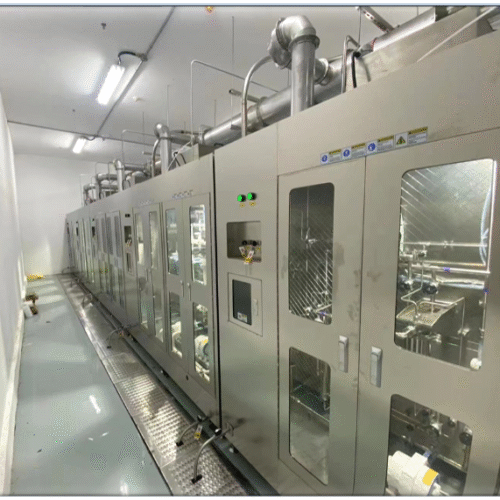
Ultra-High Purity Bulk Liquid Chemical Delivery System (BCDS) for Maintaining Parts-Per-Trillion Purity in Manufacturing
-
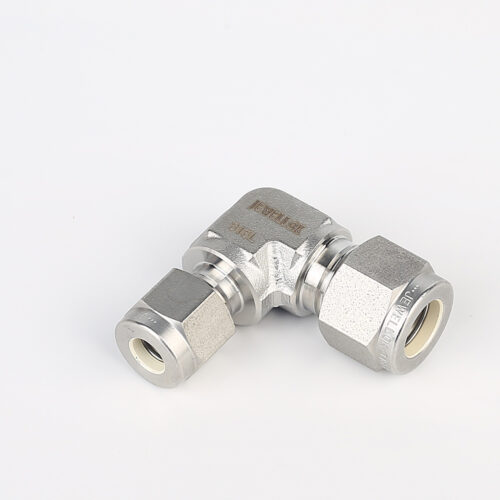
765LR Reducing Tee | Stainless Steel 316 High Purity Butt Weld Fittings Metal Face Seal For Welding Pipe Fitting Reducing Tee
-

Liquid Chemical Valve Manifold Box Chemical Dispensing Units, Semi & Fully Automatic Chemical Filling Equipment
-

Automated Bulk Liquid Chemical Delivery System (BCDS) with PLC Controls for High-Volume Industrial Fluid Transport
-
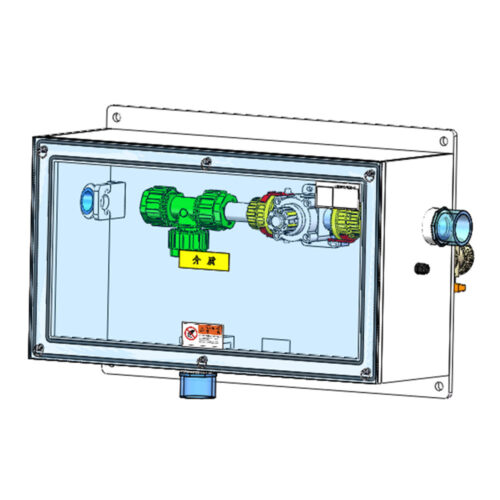
FT-BOX JW-FTB-C Valve Manifold Panels And Boxes With High Purity Configurable Systems
-
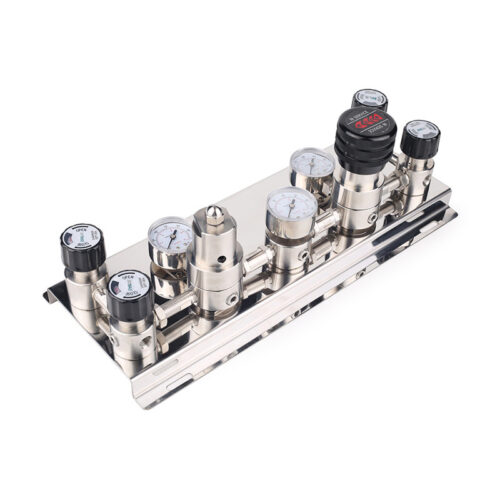
Automatic Gas Switchover System Automatic Switchover Manifold Automatic Gas Cylinder Switchover
-
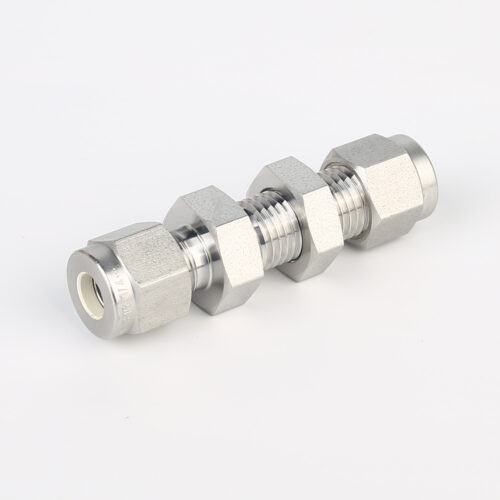
774L Stainless Steel UHP Fittings Butt Weld Bulkhead Union For High Flow Special Gas Fluid
-
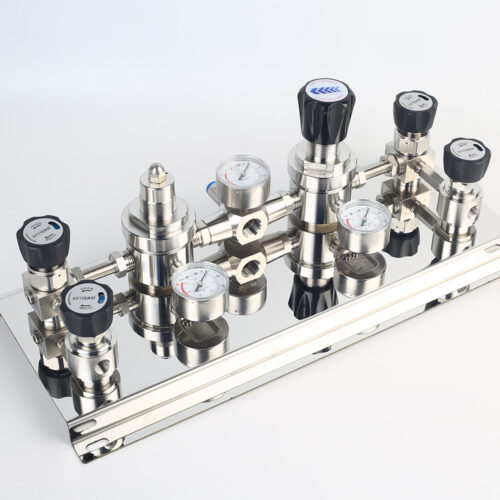
Stainless Steel Single Stage Semiconductor Grade Pressure Control Module Pressure Control Panels JSP-6A Series