
Valves Manufacturer Tel: +86 13380377051
How to Install and Maintain the Hospital’s Medical Gas Manifold Systems
Medical Gas Pipeline Systems (MGPS) are the literal lifelines of a modern hospital. Delivering critical gases like oxygen, nitrous oxide, medical air, and vacuum to patient bedsides, operating theatres, and ICUs, their reliability is non-negotiable. At the heart of these systems lies the Medical Gas Manifold Systems—the central hub for gas storage, switching, and distribution. Its correct installation and meticulous maintenance are paramount for patient safety, operational continuity, and regulatory compliance. This technical article provides a detailed guide for biomedical engineers, facility managers, and installation contractors on the protocols for installing and maintaining these vital systems.
Installation – A Foundation Built on Precision and Standards
Installation is not merely a mechanical task; it is a rigorous, code-driven process. Deviations during installation can lead to catastrophic failures. The entire process must adhere to stringent national and international standards, primarily HTM 02-01 (UK), NFPA 99 (USA), and ISO 7396-1.
Phase 1: Pre-Installation Planning and Design
- Risk Assessment & Regulatory Compliance: Before procurement begins, a full review of local regulations (e.g., FDA, CE marking) and applicable standards (NFPA 99, HTM 02-01) is mandatory. The design must specify the required gases, flow rates, peak demand calculations, and the number of pipeline outlets.
- Manifold Selection & Sizing:
- Type: Choose between Automatic Changeover Manifolds (most common) for uninterrupted supply and Manual Manifolds for less critical or backup applications.
- Capacity: Sizing is based on the hospital’s calculated peak hour demand. For oxygen, this involves analyzing cylinder size (e.g., J-size cylinders), quantity, and the expected duration at peak flow. Redundancy is key: the manifold must hold a primary and secondary bank of cylinders, each capable of supporting peak demand.
- Location: The manifold room must be a dedicated, secure, and ventilated space.
- Ventilation: Natural and mechanical ventilation is crucial, especially for oxygen (which supports combustion) and nitrous oxide. Exhaust vents should be at floor level (heavier-than-air gases) and ceiling level.
- Security: Access must be restricted to authorized personnel only.
- Signage: Clear “No Smoking,” “Medical Gas,” and gas-specific signage must be displayed.
- Material and Component Procurement: All components must be medical gas certified (MGPS certified). This includes:
- Manifold Frame: Robust, grounded metal frame.
- Valves & Regulators: Brass or stainless steel, cleaned for oxygen service (O2-clean).
- Changeover Unit: The brain of automatic manifolds, with pressure sensors and alarm triggers.
- Piping: Type L or K Copper for most gases, cleaned, capped, and degreased. 316L Stainless Steel for certain applications or areas.
- Alarm System: Master and area alarms with audio-visual indicators for changeover, low pressure, high pressure, and power failure.
Phase 2: Installation Procedures
Step 1: Manifold Room Preparation
Ensure the room meets design specifications: ventilation is operational, electrical outlets (with emergency power backup) are in place, lighting is adequate, and the floor is level. Install protective bollards if cylinders are delivered by cart.
Step 2: Manifold Frame and Bank Assembly
- Securely anchor the manifold frame to the floor/wall.
- Install the primary and secondary cylinder banks. Each bank connection (pigtail or hose) should be numbered and correspond to a specific cylinder position.
- Connect the flexible hoses (pigtails) from each cylinder position to the common header. Use correct torque settings on connections—never use sealant tapes or compounds on MGPS threads.
Step 3: Piping Installation (The Pipeline Loop)
- Piping Work: Only trained, certified brazers should perform connections. Use BCuP (Phosphorus-Copper) alloy rods in a nitrogen-purged environment (purge brazing). Nitrogen purging prevents oxide scale formation inside the pipe, which can contaminate the gas and break off, causing fatal blockages in terminals or equipment.
- Labeling: Every pipe must be continuously labeled with the gas name and chemical symbol at regular intervals. Color-coding (e.g., Oxygen: White, Vacuum: Yellow) per ISO 32 or local standards must be applied.
- Slope & Drain Points: Pipelines, especially for medical air and vacuum, must be installed with a continuous slope (typically ≥1:100) to drain points to prevent condensate accumulation.
Step 4: Alarm System Installation
- Install pressure sensors on the primary and secondary headers and the main supply line.
- Wire the alarm panel to the central nursing station (Master Alarm) and to local area alarms. Test all connections.
- Ensure alarms have battery backup for at least 1.5 times the duration of the emergency power supply.
Step 5: Final Connections and Pressurization
- Connect the manifold outlet to the main hospital pipeline.
- Install the main line valve (MLV) and zone valves in accessible locations.
- The system is now ready for initial pressurization with an inert gas (usually Nitrogen) for testing.
Phase 3: Testing, Commissioning, and Certification
This is the most critical phase, verifying system integrity before patient use.
- Strength & Leak Test: Pressurize the entire system to 1.5 times the maximum working pressure (e.g., 150 psi for a 100 psi system) with Nitrogen. Hold for 24 hours. Any pressure drop beyond allowable limits (specified in NFPA 99) indicates a leak that must be found and repaired.
- Purity Test: After passing the leak test, a sample of gas (or Nitrogen used for testing) is analyzed. For oxygen systems, this checks for particulate matter (<1 mg/m³), carbon monoxide (<5 ppm), carbon dioxide (<300 ppm), and water vapor (dew point < -40°C).
- Flow Test: Verify that at the most remote outlet on each branch, the pressure remains above the minimum required (e.g., 50 psi for O2) under simulated peak flow conditions.
- Alarm Function Test: Methodically test every alarm condition:
- Primary supply failure (simulated by closing a valve).
- Changeover activation.
- Secondary supply low.
- Power failure.
- Certification & Documentation: Upon successful testing, a third-party certifying authority must issue a formal certificate (e.g., a Form P (UK) or Report 001 (US)). As-built drawings, test reports, valve location lists, and equipment manuals must be compiled into a Systems Verification File (SVF) and handed over to the hospital.
Maintenance – The Discipline of Reliability
A perfectly installed medical gas manifold system will fail without proactive, disciplined maintenance. Maintenance is both routine and emergency-focused.
A. Routine Preventive Maintenance (PM)
- Daily/Visual Checks (Facility Staff):
- Monitor manifold pressure gauges for normal operating range.
- Check the automatic changeover indicator to ensure the primary bank is in use.
- Verify cylinder quantities in the primary bank; initiate a cylinder change if below a minimum threshold.
- Weekly/Semi-Weekly Checks (Biomedical/Engineering Staff):
- Log all pressure readings from manifold headers.
- Visually inspect for cylinder leaks using a certified leak detection solution (never soap).
- Check the manifold room for hazards, proper ventilation, and security.
- Monthly/Quarterly Maintenance:
- Simulated Changeover Test: Manually deplete the primary bank to trigger an automatic switch to the secondary bank. Verify seamless changeover and alarm activation. Restock the primary bank and reset.
- Full Alarm Test: Systematically test all visual and audible alarms.
- Cylinder and Pigtail Inspection: Check cylinder dates, condition, and pigtails for cracks, wear, or damage. Replace per manufacturer’s schedule (typically every 5 years).
- Annual/Bi-Annual Maintenance (Comprehensive):
- Perform a static pressure drop test on the entire pipeline system to benchmark against the as-commissioned data. A growing drop indicates developing leaks.
- Calibrate all pressure sensors, switches, and alarm modules.
- Exercise all zone valves and the Main Line Valve (MLV) to prevent seizing.
- Internal Inspection: For manifolds with filters, inspect and replace filter elements.
- Review and update the Valve Location List and emergency procedures.
B. Corrective Maintenance & Emergency Response
- Responding to Alarms:
- “Primary Supply Depleted”/Changeover Alarm: Not an emergency, but a call to action. Staff must immediately replenish the empty primary bank.
- “Secondary Supply in Use”/Low Pressure Alarm: HIGH PRIORITY. Indicates the secondary bank is now active and depleting. The primary bank must be restored immediately.
- “System Failure”/Critical Alarm: Indicates pressure is falling below safe thresholds. Immediate clinical and engineering response is required. Clinicians may switch to backup cylinders (oxygen concentrators, cylinder stands). Engineers must isolate sections and investigate.
- Managing a Suspected Pipeline Failure:
- Step 1: Isolate. Use the Zone Valves (ZVs) to isolate the affected clinical area (e.g., a single ward or OR suite). The MLV is only used for hospital-wide isolation.
- Step 2: Communicate. Inform clinical staff in the affected and downstream areas. Activate the hospital’s MGPS failure protocol.
- Step 3: Investigate & Repair. Using the as-built drawings, trace the pipeline. Repair must be performed by certified personnel using purge brazing techniques.
- Step 4: Purge & Retest. After repair, the isolated section must be purged and tested for strength, purity, and particulate matter before being returned to service.
C. Documentation and Training
- Log Books: Maintain detailed logs for all PM activities, alarm tests, cylinder changes, and any interventions.
- Staff Training: Regular training for both engineering staff (on maintenance) and clinical staff (on how to respond to outlet failures or alarms) is essential. Drills should be conducted annually.
- Recall and Traceability: Keep records of every component (pigtails, regulators, valves) with serial and lot numbers for potential recalls.
Conclusion
The installation and maintenance of a Hospital Medical Gas Manifold System is a profound responsibility. Installation demands a methodical, standards-compliant approach where cutting corners is tantamount to compromising patient safety. Maintenance is not a cost but an investment in continuous, reliable care—a disciplined regimen of checks, tests, and documentation that forms the bedrock of clinical confidence.
By viewing the manifold system not as static plumbing but as a dynamic, critical utility, hospital engineering teams can ensure that this invisible lifeline performs flawlessly, shift after shift, safeguarding the most fundamental element of healthcare: the ability to breathe and sustain life.
For more about how to install and maintain the hospital’s medical gas manifold systems, you can pay a visit to Jewellok at https://www.jewellok.com/ for more info.
-
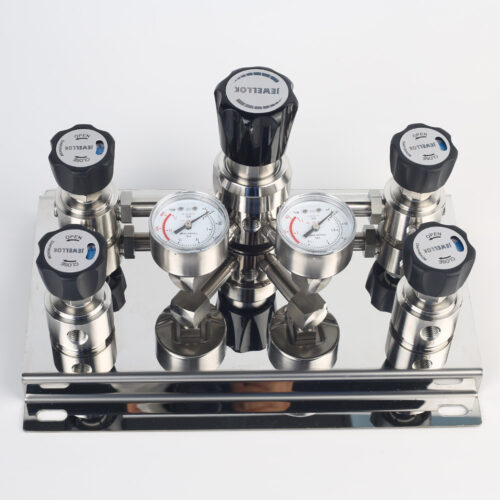
Single Stage Wall And Cabinet Mounting Pressure Control Panels JSP-2E Series For High Purity Gases
-
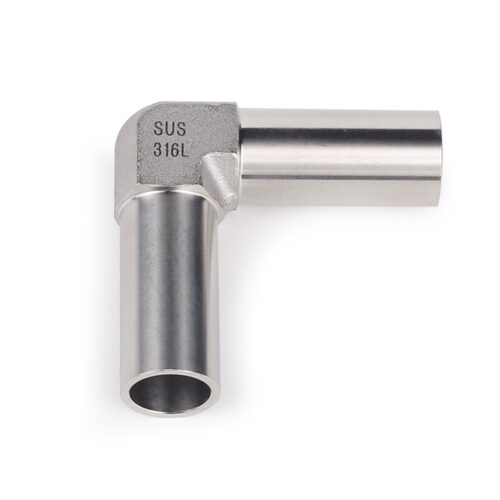
High Purity Stainless Steel Mini Tube Butt Weld Fittings For Semiconductor
-
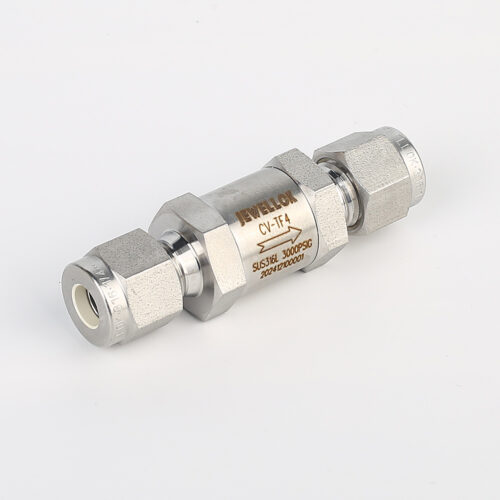
High Pressure High-Purity Welded Check Valves And Low Cracking Pressure Check Valve JCV1 Series
-
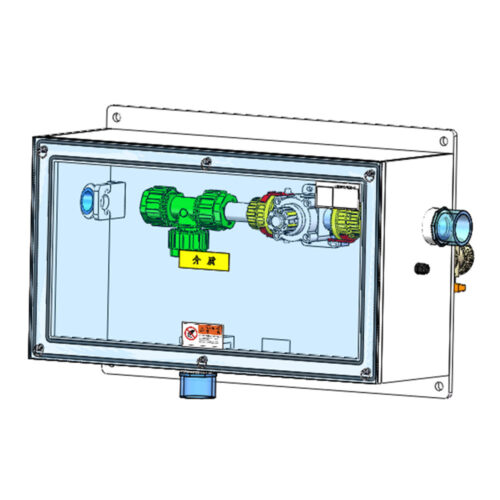
FT-BOX JW-FTB-C Valve Manifold Panels And Boxes With High Purity Configurable Systems
-
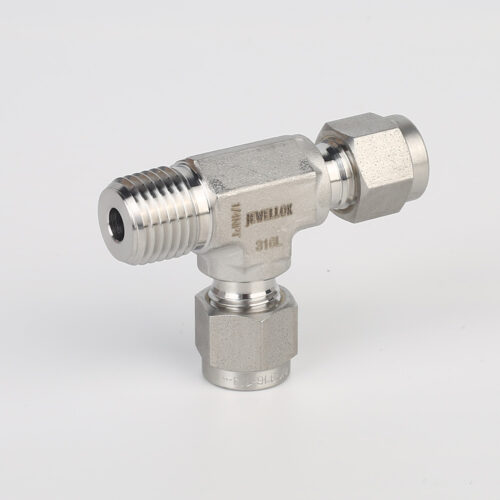
771L Male Run Tee | Stainless Steel High Quality High Purity Male Run Tee Branch Tee Pipe Fittings
-
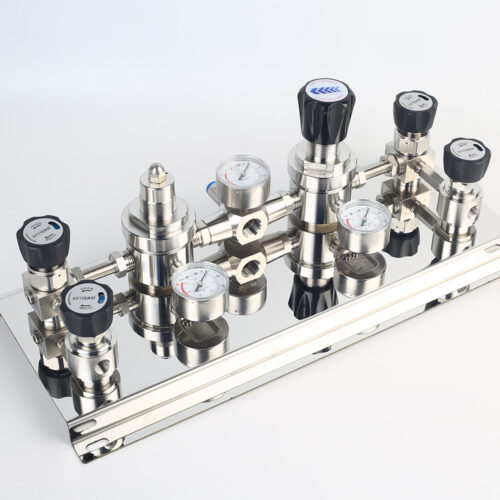
Stainless Steel Single Stage Semiconductor Grade Pressure Control Module Pressure Control Panels JSP-6A Series
-

Liquid Chemical Delivery Module And Chemical Delivery System Semiconductor Chemical Automatic Liquid Supply Equipment
-
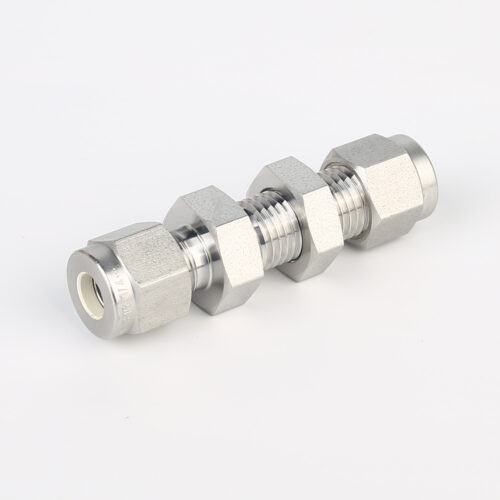
774L Stainless Steel UHP Fittings Butt Weld Bulkhead Union For High Flow Special Gas Fluid