
Valves Manufacturer Tel: +86 13380377051
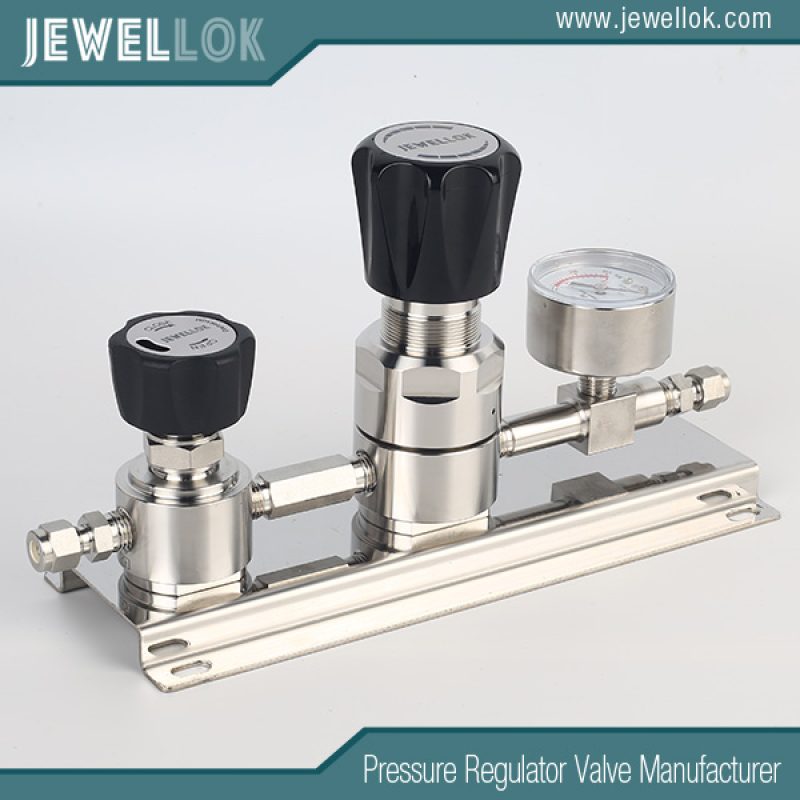
Buy UHP Neon Regulators for Semiconductor Grade: Electropolished and Low Outgassing
The relentless march of semiconductor miniaturization, driven by Moore’s Law and Beyond, has elevated process gases from mere utilities to critical consumables. Among these, neon (Ne) has emerged as a linchpin for deep ultraviolet (DUV) lithography, the workhorse process for patterning today’s most advanced chips. The purity and stability of neon supplied to lithography lasers are non-negotiable. Consequently, the final control point—the Ultra-High Purity (UHP) gas regulator—becomes a component of strategic importance. This technical article delves into the imperative for specifying semiconductor-grade, electropolished, low-outgassing UHP neon regulators. We will explore the unique challenges of neon handling, the science behind the specified features, their impact on yield and process stability, and provide a framework for procurement and validation.
The Neon Imperative in Semiconductor Fabrication
Neon gas, specifically within krypton-fluoride (KrF) and argon-fluoride (ArF) excimer lasers, is essential for generating 248nm and 193nm light, respectively. These DUV wavelengths are fundamental to patterning features down to sub-7nm nodes. The performance of these multi-million-dollar lasers is exquisitely sensitive to gas composition. Even trace contaminants—hydrocarbons, moisture (H₂O), oxygen (O₂), carbon dioxide (CO₂), or particulates—can degrade laser output energy, reduce bandwidth stability, increase wavelength drift, and shorten critical optics lifetime. This leads directly to reduced wafer throughput, increased rework, and catastrophic yield loss.
While bulk neon is purified to extreme levels (often 99.999% or “5N5” and above), the delivery system can reintroduce contamination. The regulator, sitting at the interface between the high-pressure gas source and the low-pressure laser inlet, is a primary potential failure point. A standard industrial regulator, even one labeled “high purity,” is wholly insufficient. The industry mandate is for purpose-built UHP Neon Regulators characterized by three non-negotiable attributes: Semiconductor Grade Construction, Electropolished Internal Surfaces, and Certified Low Outgassing Rates.
- Deconstructing the Specification: A Technical Deep Dive
2.1 Semiconductor Grade Construction: Beyond the Label
“Semiconductor Grade” is a holistic designation encompassing materials, design, and manufacturing protocols.
- Materials of Construction:
- Body & Diaphragm: 316L or 316L-VIM (Vacuum Induction Melted) stainless steel is standard. VIM refining further reduces non-metallic inclusions and enhances consistency. For the highest assurance, internal elastomers are eliminated. Instead, all-metal, metal diaphragm, or welded metal diaphragm designs are employed. This removes the primary source of organic outgassing and permeation. Where seals are necessary, perfluoroelastomers (e.g., Kalrez®, Chemraz®) are specified for their exceptional purity and low outgassing properties.
- Surface Finish: The internal surface roughness is a key predictor of performance. A mechanically polished finish (e.g., 20 Ra µin or better) is the baseline. However, this is just the starting point for the more critical process of electropolishing.
2.2 Electropolishing: The Science of a Perfect Surface
Electropolishing is an electrochemical process that removes a thin layer of surface material, typically 20-40 µin, resulting in a microscopically smooth, contamination-free finish.
- Process: The regulator internals are made the anode in an electrolytic cell. Controlled current dissolution removes surface material, preferentially attacking micro-peaks and embedded impurities.
- Critical Benefits for Neon Service:
- Reduced Surface Area & Adsorption: A smooth surface (achieving 10 Ra µin or less) minimizes the active sites where moisture and contaminants can adsorb. This is crucial for neon, which, as an inert gas, doesn’t “purge” or react with these adsorbed layers as effectively as a reactive gas might.
- Particulate Reduction: The process eliminates loose grains, tooling marks, and micro-fissures that can shed particles. Particulates in a gas stream can cause catastrophic damage to laser chamber optics and gas filters.
- Passivation: Electropolishing enhances the native chromium oxide (Cr₂O₃) layer on stainless steel, improving corrosion resistance and creating a more inert barrier that minimizes ion migration.
- Cleanability: The smooth, non-porous surface is far easier to clean and dry in a controlled cleanroom environment during final assembly and packaging.
2.3 Low Outgassing: Sealing in Performance
Outgassing is the release of trapped or absorbed gases (H₂O, H₂, CO, CO₂) and volatiles from the internal surfaces and materials of the regulator into the gas stream. In the high-vacuum or ultra-clean environment of a gas delivery line, the regulator can become a significant contamination source.
- Measurement & Certification: Reputable manufacturers quantify this by performing Helium Fine Leak Testing (to ASTM E499/E515 standards) and, more importantly, Total Mass Spectrometer Outgassing Rate Tests. Regulators are baked under vacuum, and the outgassed species are measured using a Residual Gas Analyzer (RGA). Performance is often specified as a total hydrocarbon (THC) outgassing rate (e.g., <1 x 10⁻⁹ g/sec/cm²).
- Design for Low Outgassing: This is achieved through the synergy of all-metal diaphragms, electropolished surfaces, and the use of low-permeability seals. The assembly must be performed in a certified cleanroom (ISO Class 4 or better) and the final product packaged in a nitrogen-purged, double-bagged, particle-free environment.
- The Consequences of Compromise: Risk to Process and Yield
Selecting a non-conforming regulator carries direct, quantifiable risks:
- Laser Performance Degradation: Contaminants absorb laser light, reducing energy output and forcing more frequent gas replenishment (“gas clicks”), increasing cost of ownership. Unstable output leads to poor critical dimension (CD) control.
- Optics Damage & Haze: Hydrocarbons and moisture can create plasma-induced deposits on laser chamber optics and lithography lens elements, causing “haze.” This scatters light, reduces contrast, and necessitates costly, production-halting optics cleaning or replacement.
- Increased Particle Counts: Internal corrosion or shedding from rough surfaces introduces particles that can clog final-point filters or, worse, transit to the laser chamber.
- Unplanned Downtime (UT): Laser faults, unscheduled maintenance, and module replacements directly reduce tool availability, impacting fab output and profitability.
- Yield Loss: The ultimate consequence. Inconsistent exposure dose and focus due to unstable laser light directly translate into patterning defects, killing die.
- Procurement Guide: Specifications and Validation
When sourcing UHP Neon Regulators, the purchase order must move beyond generic descriptions to include explicit, verifiable specifications.
Key Specification Checklist:
- Gas Service: Explicitly for UHP Neon (Ne).
- Inlet/Outlet Pressure: Standard for cylinder (e.g., 2000 psi) to laser supply (e.g., 150 psi).
- Construction: *316L-VIM SS body. All-metal or welded metal diaphragm design.*
- Internal Finish: *Electropolished to ≤ 10 µ-in Ra (0.25 µm Ra).*
- Outgassing Certification: *Require certified RGA data showing H₂O, O₂, CO, CO₂, and THC levels after bake-out. Total hydrocarbon outgassing rate < 1 x 10⁻⁹ g/sec/cm².*
- Cleanliness: *Assembled in ISO Class 4 cleanroom. Particle count certified per IEST-STD-CC1246D (e.g., Level 10/5/1).*
- Leak Integrity: *Helium leak rate < 1 x 10⁻⁹ atm cc/sec.*
- Connections: *Specify CGA 580 for neon and VCJ® or similar metal-gasketed face seal fittings for outlets.*
- Packaging: Double-bagged, nitrogen-purged, with bag integrity verified.
Validation Upon Receipt:
- Documentation Review: Scrutinize the material certifications, test reports, and cleanliness certificates.
- Visual Inspection (in controlled environment): Check for damage. Inspect fittings for cleanliness.
- Installation: Follow strict cleanroom protocols. Use proper torque wrenches on fittings to avoid creating particles.
- Initial Purging: Employ a high-flow, high-purity purge (using nitrogen or neon itself) to displace any atmospheric gases introduced during connection.
- Conclusion
In the capital-intensive, margin-sensitive world of semiconductor manufacturing, every component in the process chain must be optimized for reliability and purity. The UHP neon regulator is a low-cost item relative to the tool it serves, but its performance杠杆效应 is immense. Specifying and procuring a semiconductor-grade, electropolished, low-outgassing UHP neon regulator is not an expense; it is a strategic investment.
It is an investment in:
- Process Stability: Ensuring consistent laser performance for predictable CD control.
- Tool Availability: Maximizing Mean Time Between Failures (MTBF) for lithography scanners.
- Yield Protection: Safeguarding the value of each processed wafer.
- Total Cost of Ownership (TCO): Reducing neon gas consumption, filter change frequency, and unscheduled maintenance.
As the industry pushes into the era of High-NA EUV, the demands on supporting technologies like gas delivery will only intensify. The foundational discipline of specifying the highest integrity components for critical gases like neon remains a cornerstone of successful, high-yield semiconductor fabrication. Discerning the technical nuances behind the specifications—understanding the why behind electropolishing and low-outgassing certifications—empowers engineers and procurement specialists to make decisions that directly bolster fab performance and profitability.
For more about buy UHP neon regulators for semiconductor grade: electropolished and low outgassing, you can pay a visit to Jewellok at https://www.jewellok.com/ for more info.
-
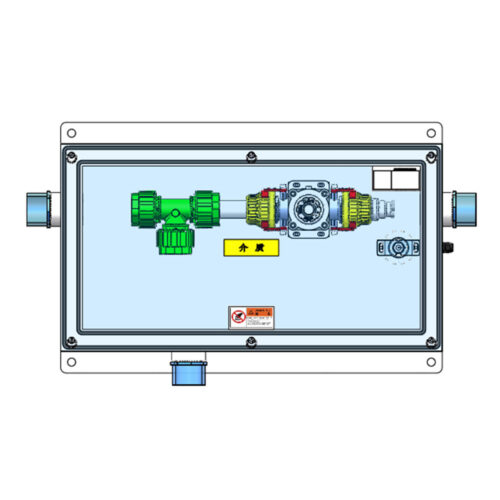
T-BOX JW-TB-C Special Gas Delivery System Gas Valve Manifold Boxes
-
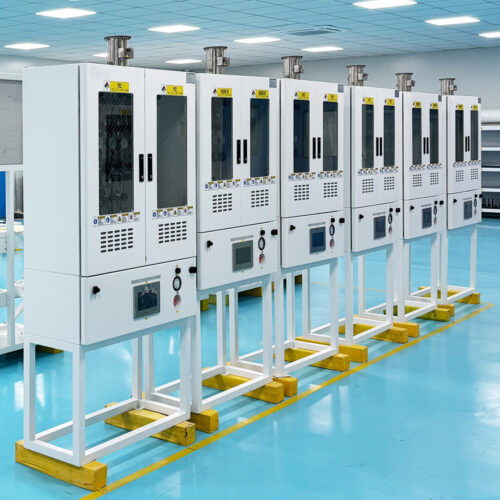
VMB Valve Manifold Box And Panel Gas Cabinet, BSGS Gas Cabinets, TMA Gas Cabinets, Scrubber Tail Gas Treatment Cabinets
-
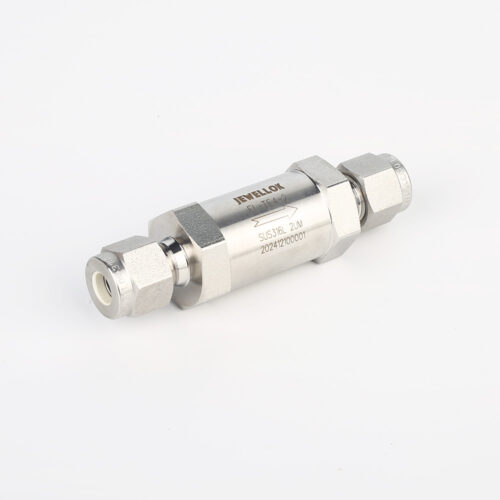
JF Series In-Line Gas Filters | High Purity High Precision High Flow Semiconductor Gas Filter Gas Filtration & Purification
-
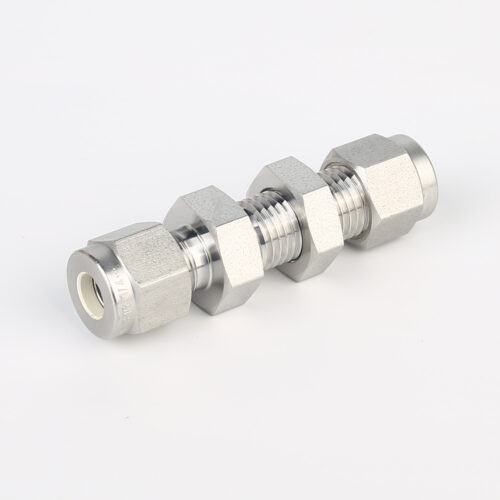
774L Stainless Steel UHP Fittings Butt Weld Bulkhead Union For High Flow Special Gas Fluid
-
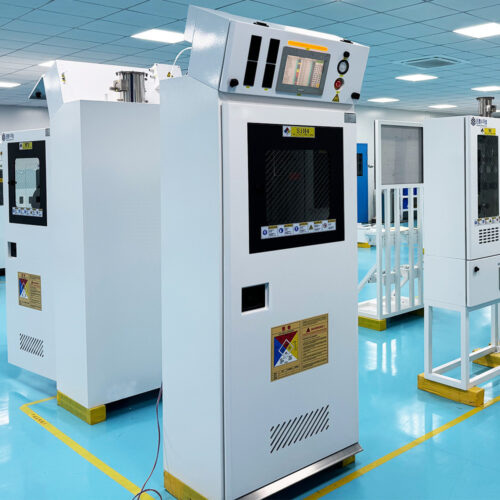
Integrated Gas System (IGS) Modular Integrated Gas Systems (TMS) Integrated Gas Supply System For Semiconductor And Laboratory
-
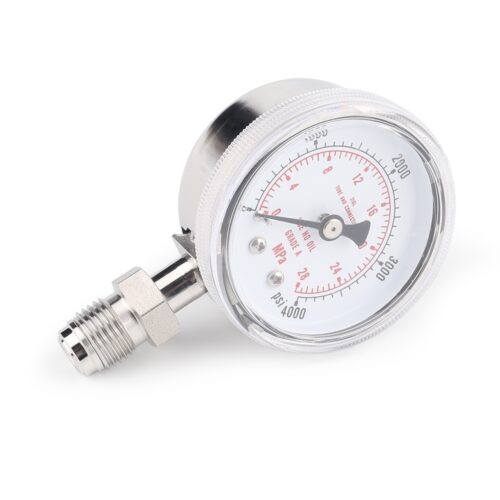
Ultra High Purity Oxygen Pressure Gauge For Semiconductor Gases JG Series Pressure Instruments For Semiconductor Manufacturing
-
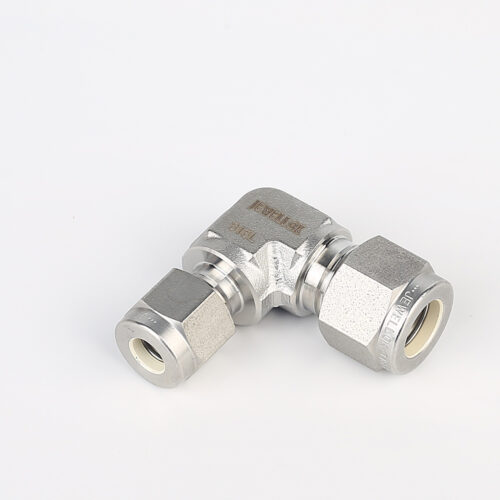
765LR Reducing Tee | Stainless Steel 316 High Purity Butt Weld Fittings Metal Face Seal For Welding Pipe Fitting Reducing Tee
-
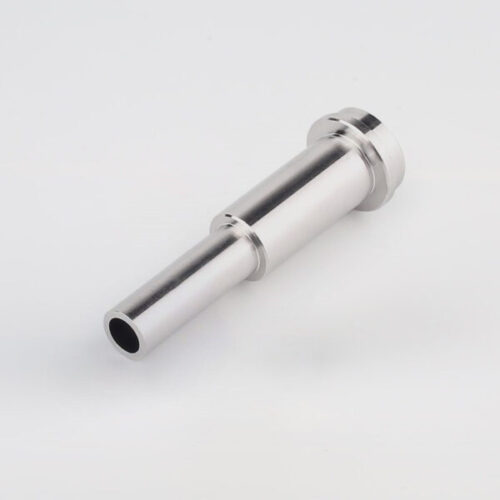
Long Gland LG Series For Ultra High Purity Gas And Chemical Delivery Systems