
Valves Manufacturer Tel: +86 13380377051
Key Specifications: UHP Argon Valves for 99.999% Purity Gas Systems
In the realm of high-purity gas delivery, the integrity of the entire system is only as robust as its most vulnerable component. For Ultra-High Purity (UHP) argon systems, where purity levels of 99.999% (5.0 grade) and above are mandatory, the selection of appropriate valves is a critical engineering decision. These valves serve not merely as flow control devices but as guardians of gas purity, preventing contamination from particulates, moisture, and atmospheric gases. This technical article delves into the essential specifications and design philosophies governing UHP argon valves, providing a comprehensive guide for system designers, facility engineers, and procurement specialists in semiconductor fabrication, analytical instrumentation, pharmaceutical manufacturing, and advanced research.
The Critical Role of Valves in UHP Gas Systems
Ultra-High Purity argon is an indispensable resource in processes sensitive to even trace contamination. In semiconductor manufacturing, argon is used for sputtering, etching, and as a carrier gas; its purity directly impacts wafer yield and device performance. In gas chromatography (GC) and inductively coupled plasma mass spectrometry (ICP-MS), argon purity is fundamental to baseline stability, detection limits, and analytical accuracy. A single valve introducing sub-ppm levels of oxygen, moisture, or hydrocarbons can compromise months of research or production.
Unlike industrial valves, UHP valves are engineered with a singular focus: to contain, control, and preserve gas purity. They must exhibit zero internal leakage (containment), offer precise actuation (control), and contribute no contaminants themselves (preservation). This triad of requirements dictates every aspect of their design, from material selection to surface finish and sealing technology.
Foundational Specifications: Materials of Construction
The choice of materials is the first and most crucial line of defense against contamination.
- Metallurgy:
- Stainless Steel Grades: Type 316L (low carbon) stainless steel is the industry standard. The “L” grade minimizes carbide precipitation at weld zones, preventing a primary source of corrosion and particulate generation. For the most demanding applications, valves manufactured from 316L VIM/VAR (Vacuum Induction Melted/Vacuum Arc Remelted) stock are specified. This double-melting process drastically reduces non-metallic inclusions and volatile impurities, enhancing corrosion resistance and surface polishability.
- Alternative Alloys: For specific corrosive environments or to minimize metallic contamination, Alloy C-276 (Hastelloy®) or Alloy 600 (Inconel®) may be employed. Electroless Nickel (EN) plating is sometimes applied to internal surfaces for enhanced corrosion resistance and a uniform, hard finish, though its adhesion and potential for micro-flaking must be carefully evaluated.
- Polymer Seals & Diaphragms:
- Elastomer Compatibility: Standard elastomers like Buna-N or Viton® are unacceptable for UHP service due to high permeability and outgassing. The seal material of choice is Perfluoroelastomer (FFKM), sold under trademarks like Kalrez® and Chemraz®. FFKM offers exceptional compatibility with nearly all process gases, extreme temperature resistance, and ultra-low outgassing/leachate levels.
- Diaphragm Material: In diaphragm valves—the most common type for UHP—the diaphragm isolates the valve stem from the gas stream. Stainless Steel diaphragms (often convoluted for flexibility) are used for high-cycle, high-integrity applications. PTFE-backed FFKM diaphragms provide an excellent combination of chemical resistance and flexibility.
Design and Performance Specifications
- Valve Type: The Diaphragm Valve Dominance
While bellows valves are used for extreme applications, the pneumatically actuated diaphragm valve is the workhorse of UHP argon systems. Its design offers a hermetic seal with no dynamic seals exposed to the gas stream.
- Sealing Mechanism: A flexible diaphragm is forced against a raised seat (weir) by actuator pressure, creating a metal-to-polymer seal. In the open position, the diaphragm retracts fully, creating a smooth, unobstructed flow path with minimal dead volume.
- Dead Volume: A critical specification. Low dead volume (<0.1 ml is common) minimizes gas entrapment during purging and facilitates faster system evacuation and response.
- Surface Finish: The Micro-Scale Landscape
Internal surface roughness is a primary source of particulate contamination and a site for moisture/oxygen adsorption.
- Measurement: Surface finish is quantified as Ra (Roughness Average) or the more stringent Rp (Mean Peak Height), measured in micro-inches (μin) or micrometers (μm).
- Standard: For 99.999% systems, an internal surface finish of ≤ 10 Ra μinch (0.25 μm) is typical. For the most critical applications, ≤ 5 Ra μinch is specified. This mirror-like finish is achieved through precise machining, followed by abrasive slurry polishing or electrochemical polishing (Electropolishing). Electropolishing not only smoothes surfaces but also passivates the stainless steel, creating a chromium-rich oxide layer that enhances corrosion resistance.
- Leak Integrity: The Non-Negotiable Metric
Leak rates are measured using helium mass spectrometry.
- External Leak Rate (Atmospheric In-leak): This is paramount. Specifications are typically < 1 x 10⁻⁹ atm cc/sec He. This ensures ambient air (with its N₂, O₂, and H₂O) cannot ingress into the system.
- Internal Leak Rate (Cross-Port Leakage): For closed valves, the leakage across the seat must be < 1 x 10⁻⁹ atm cc/sec He. This verifies the valve’s ability to isolate sections of the system.
- Seat Leak Test: Often performed with the valve inlet under pressure and the outlet under vacuum connected to a mass spectrometer for the most sensitive measurement.
- Cleanliness and Packaging
Valves must be delivered contaminant-free.
- Cleaning Protocols: Valves undergo rigorous cleaning per SEMI PV1 or equivalent standards. This involves ultrasonic cleaning in high-purity solvents, followed by rinsing with UHP water and solvents, and baking under vacuum or purging with hot, dry nitrogen to remove volatile residues.
- Particulate Count: Valves are often certified to contain fewer than a specified number of particles >0.1μm or >0.5μm per cubic foot of internal volume.
- Bakeout: Valves destined for ultra-dry systems (<1 ppb H₂O) may be specified with high-temperature bake-out capabilities (e.g., 200°C+) to drive off adsorbed moisture.
- Packaging: They are bagged in Class 100 cleanroom conditions using static-dissipative, low-outgassing polyethylene bags, under a dry nitrogen purge, and sealed.
Connection and Actuation Specifications
- End Connections: VCJ®/Grab® metal gasket face seal fittings are the universal standard. They provide a helium-tight, zero-clearance seal using nickel or 316L stainless steel gaskets. ISO-KF (NW) flanges with copper gaskets are an alternative. Welded connections (orbital TIG welding) offer the ultimate in leak integrity for permanent installations but lack serviceability.
- Actuation: Pneumatic actuation is preferred for remote control and automation. Actuators must be designed for fall-safe operation (normally open or normally closed) to ensure system safety during utility failure. Manual actuators with vernier handles are used for seldom-adjusted valves. The actuator must provide sufficient force to consistently seal the diaphragm against the seat over its rated lifetime.
Standards and Certifications
Compliance with established standards provides assurance of quality and performance.
- SEMI Standards: The semiconductor industry’s benchmarks, particularly SEMI F78 for diaphragm valves.
- ASTM Standards: ASTM G93 for cleaning procedures.
- CE / PED: For pressure equipment directives in Europe.
- Material Certifications: 3.1 Material Certificates per EN 10204 are required, tracing the alloy composition and processing history of the valve body material.
Selection and Integration Guidelines
Selecting a UHP argon valve involves more than checking specification sheets.
- Define the Application Precisely: Is it for a high-flow delivery line, a point-of-use (POU) station, or a sensitive analyzer inlet? Pressure (from high-pressure cylinder banks to vacuum), temperature, and required cycle life (thousands vs. millions of cycles) will dictate choices.
- Prioritize Specifications: For a GC carrier gas line, external leak integrity and internal finish are paramount. For a POU valve in a fab, cycle life and reliability may be the primary drivers.
- Consider the Entire Gas Path: The valve must be compatible with the specifications of the tubing, regulators, and filters upstream and downstream. A valve with a 5 Ra finish is ineffective if connected to tubing with a 20 Ra finish.
- Plan for Maintenance: Understand the valve’s service requirements. Are repair kits available? Can the diaphragm be replaced in-situ without removing the valve body from the line (an inline repairable design)?
- Validate Upon Receipt: Inspect packaging integrity and review provided certificates (leak test, cleanliness, material). Consider performing an incoming helium leak check before installation.
Conclusion
Specifying valves for a 99.999% purity argon system is an exercise in precision engineering and risk mitigation. There is no room for compromise on materials, leak integrity, or cleanliness. The UHP diaphragm valve, with its electropolished 316L VIM/VAR body, FFKM seals, sub-10 Ra finish, and helium leak rate below 1×10⁻⁹ atm cc/sec, represents a mature technological solution to an exacting challenge. By understanding and rigorously applying these key specifications, engineers can build gas delivery systems that are not just conduits, but truly inert and stable extensions of the high-purity source, ensuring that the integrity of the argon—and by extension, the success of the process it enables—is maintained from cylinder to chamber.
For more about key specifications: UHP argon valves for 99.999% purity gas systems, you can pay a visit to Jewellok at https://www.jewellok.com/ for more info.
-
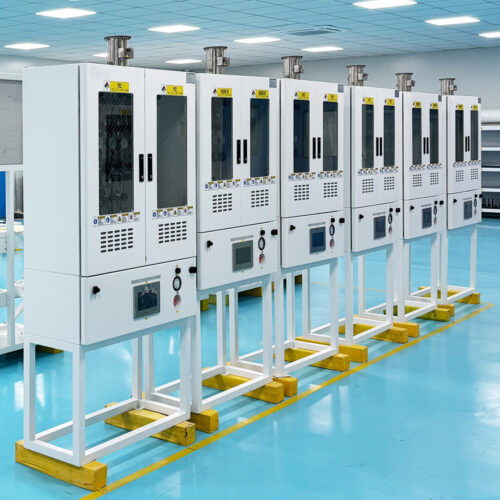
VMB Valve Manifold Panels And Boxes High Purity Configurable Systems JW-200-VMB & JW-100-VMB
-
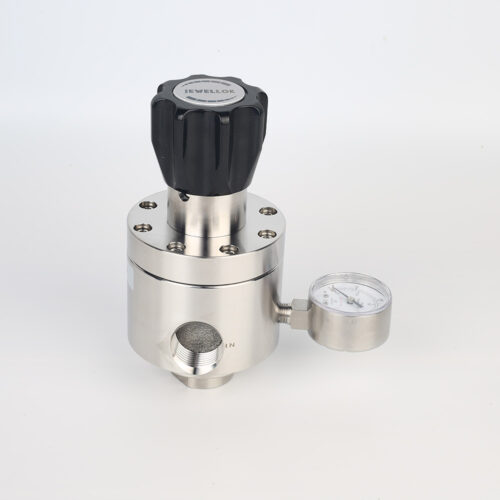
Low Pressure High Flow Line Pressure Regulators And Control Valves JSR-4L Series For Laboratory Pressure Control
-
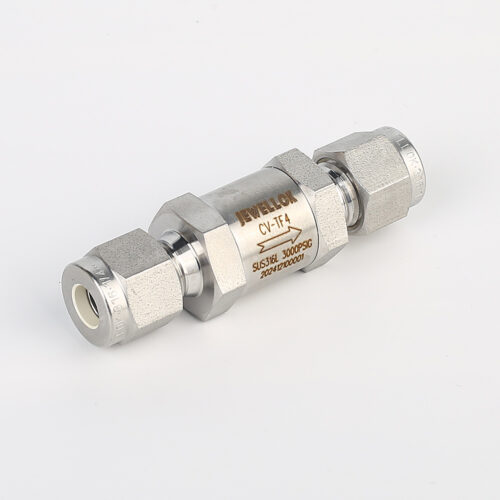
High Pressure High-Purity Welded Check Valves And Low Cracking Pressure Check Valve JCV1 Series
-
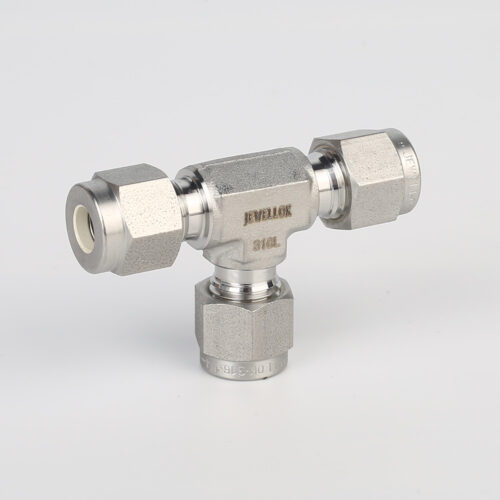
764L Stainless Steel Union Tee High Purity Fitting Union Tee Reducing Tubing Connection
-
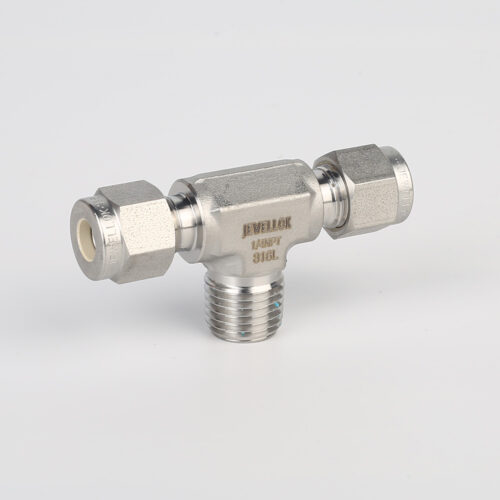
772L Male Branch Tee | Stainless Steel High-Purity Tube Fitting Male Branch Tee
-
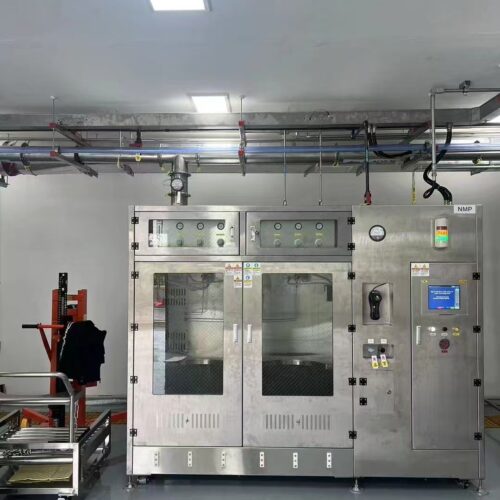
UHP Bulk Liquid Chemical Delivery System (BCDS) Implementation for High-Efficiency Photovoltaic and Solar Cell Production Lines
-
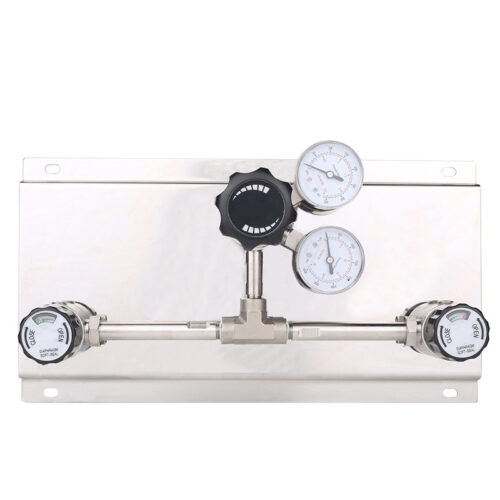
High Pressure High Flow Specialty Gas Control Panel With Diaphragm Valve , 3000Psig Oxygen Control Medical Changeover Manifold Panel
-
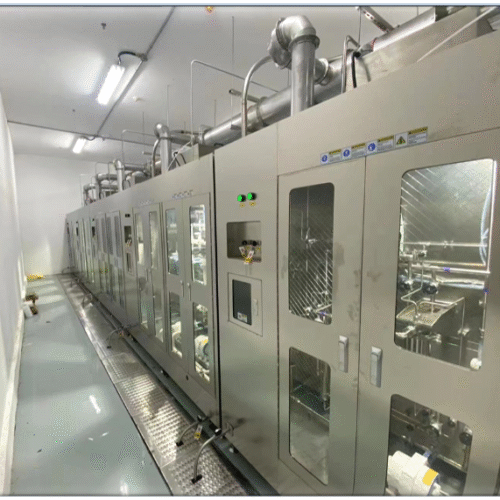
Ultra-High Purity Bulk Liquid Chemical Delivery System (BCDS) for Maintaining Parts-Per-Trillion Purity in Manufacturing