
Valves Manufacturer Tel: +86 13380377051
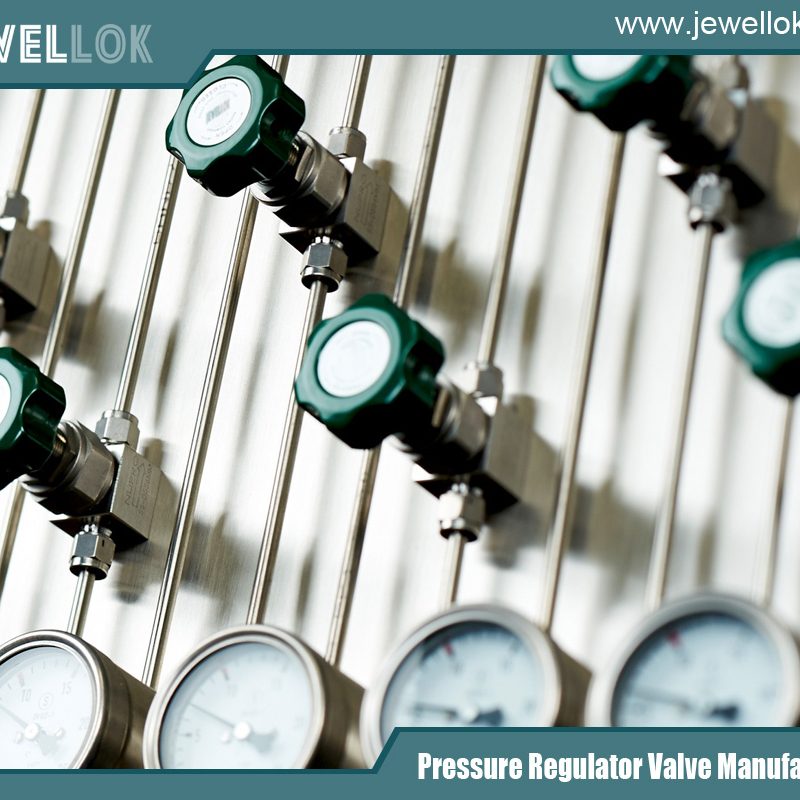
How to Choose a PH₃ UHP Pressure Reducing Regulating Valve that is Safe and Effective in Preventing Gas Contamination
In the high-stakes world of semiconductor fabrication, flat panel display manufacturing, and advanced photovoltaics, the integrity of process gases is paramount. Phosphine (PH₃), a highly toxic, pyrophoric, and reactive gas, is a critical dopant and precursor material. Its use in Ultra-High Purity (UHP) applications demands gas delivery systems that ensure not only operator and environmental safety but also absolute prevention of contamination that could lead to catastrophic yield loss. The pressure reducing regulating valve is a critical control point in this system. Selecting the correct valve is not merely a procurement decision; it is a fundamental engineering safeguard. This article provides a comprehensive technical guide for engineers and procurement specialists on choosing a PH₃ UHP pressure-reducing regulator that prioritizes safety and guarantees gas purity.
- The High-Risk, High-Purity Environment
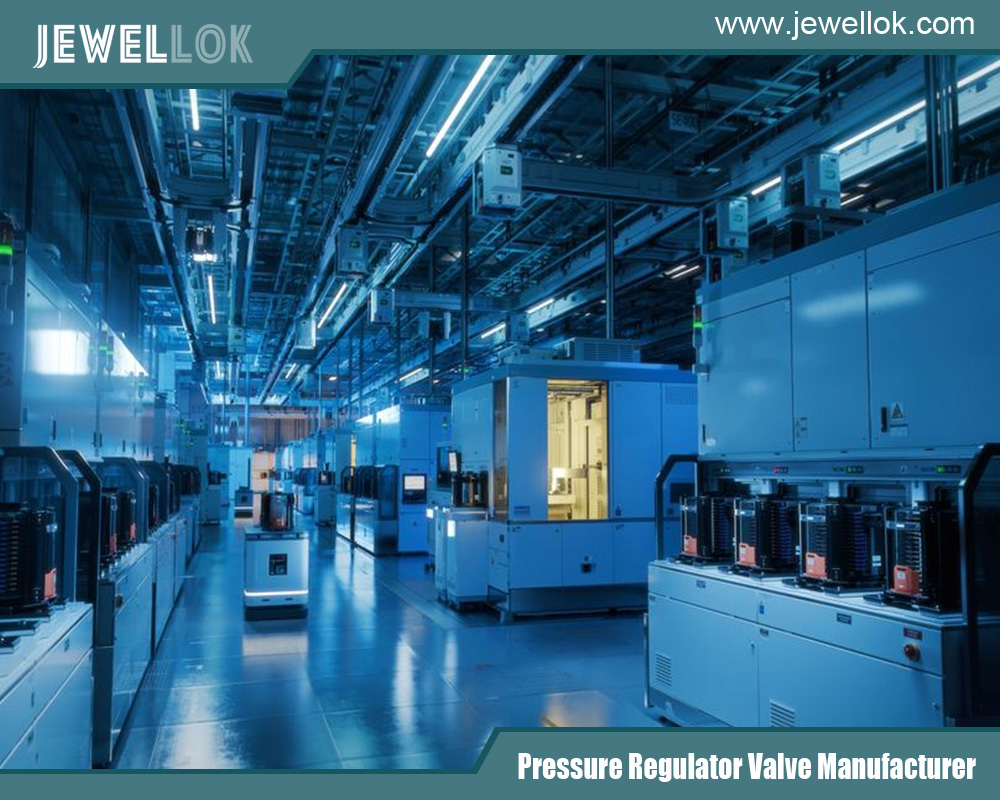
Phosphine is a cornerstone material in the electronics industry, used for in-situ doping of silicon layers, formation of compound semiconductors like gallium phosphide (GaP), and in metal-organic chemical vapor deposition (MOCVD). Its hazards are well-documented: a Time-Weighted Average (TWA) exposure limit often below 0.1 ppm, spontaneous flammability in air at concentrations above ~1.8%, and the potential to form explosive mixtures.
Beyond immediate safety, contamination control is equally critical. Impurities introduced at the parts-per-billion (ppb) or even parts-per-trillion (ppt) level can alter the electrical properties of semiconductor devices, leading to device failure, reduced performance, and significant financial losses. The pressure regulator, situated between the high-pressure source cylinder and the low-pressure process tool, is a potential single point of failure for both hazard release and contamination introduction. Therefore, its selection criteria must be exceptionally rigorous.
- Foundational Safety and Certification Requirements
Before delving into purity specifications, safety certifications are non-negotiable.
- Material Compliance (SEMI Standards): The valve must be constructed from materials compliant with SEMI standards for PH₃ service. This typically mandates the use of designated stainless steel alloys (e.g., 316L VIM/VAR or equivalent electropolished grades) for all wetted parts. These materials exhibit minimal outgassing and are resistant to corrosion by PH₃ and its potential decomposition products.
- Third-Party Safety Certifications: Look for valves specifically certified for pyrophoric/toxic gas service by recognized international bodies. Key certifications include:
- CE Marking (PED): Compliance with the Pressure Equipment Directive for the relevant pressure category.
- UL/ULC or FM: Certification for fire and electrical safety, particularly if the valve has integrated pressure transducers or heaters.
- TA-Luft & ISO 15848: For fugitive emission performance, ensuring the valve stem seal emits less than 1 ppmv under standardized test conditions.
- Design Safety Features:
- Purge Ports: Dual independent purge ports (typically 1/4″ VCJ or similar) upstream and downstream of the diaphragm/seat are essential for safe inert gas purging during installation, maintenance, and cylinder change-out.
- Contained Vent: Any vent from the bonnet or relief device must be routed to a dedicated, contained exhaust system (scrubber or vent line), never to atmosphere.
- Leak-Before-Fail Diaphragm: A metallic, welded diaphragm design is preferred. In the event of a rare diaphragm failure, it should leak internally to the contained vent port, not externally to the environment.
- Proof of Closure: Vendor documentation should provide data on seat leakage rates (e.g., helium mass spec tested to less than 1 x 10⁻⁹ atm cc/sec He).
- Ultra-High Purity (UHP) Design and Material Considerations
The valve’s construction directly dictates its ability to maintain purity.
- Surface Finish & Treatment: All internal (wetted) surfaces must have an electropolished finish, typically specified at Ra ≤ 10 µin (0.25 µm) or better. Electropolishing removes microscopic peaks, creating a smooth, passive surface that minimizes particle adhesion, reduces surface area for outgassing, and enhances corrosion resistance. Some advanced valves feature an enhanced passivation layer.
- Particle Generation & Entrapment: The design must eliminate dead legs, crevices, and cavities where gas can stagnate, particles can accumulate, or moisture can be trapped. A “streamlined” or “high-flow” internal geometry is ideal. Diaphragm actuators are preferred over piston actuators for UHP service as they eliminate a potential sliding seal that can generate particles.
- Seal Technology: This is perhaps the most critical component for purity.
- Primary Seals (Seat): Metal-to-metal seats (e.g., nickel or stainless steel) offer the highest purity and temperature resistance but may have a slightly higher leak rate. Ultra-purity elastomer seals (like perfluoroelastomers, FFKM) can provide near-zero leak rates but must be rigorously evaluated for compatibility and outgassing. The choice depends on the specific balance of leak-tightness and permissible outgassing products.
- Secondary Seals (Stem/Gaskets): All static seals should be welded (VCJ/CONFLAT® type) wherever possible. Where gaskets are necessary (e.g., bonnet), they must be metal (soft copper or nickel) or certified high-purity, low-outgassing elastomeric gaskets.
- Gas-Specific Compatibility: The valve must be designated by the manufacturer as compatible with 100% phosphine service. This ensures all wetted materials have been tested for long-term stability against PH₃, preventing degradation, embrittlement, or the formation of contaminating by-products like phosphorus acids.
- Performance Specifications for Reliable Control
The valve must perform its primary function—pressure reduction and regulation—with precision and stability.
- Inlet Pressure Range: Must accommodate the full range of source pressures, from a full cylinder (often up to 2000 psig / 138 bar) down to near-empty.
- Outlet Pressure Range & Control: Select a valve with an outlet range appropriate for your process. For dosing applications, a low outlet range (e.g., 0-30 psig) with fine control is critical. Ensure the regulation accuracy (often ±1% of setpoint) and droop (the change in outlet pressure with increasing flow) meet process stability requirements.
- Flow Capacity (Cv): The valve’s Cv value must be appropriately sized for the maximum required flow rate of the process. Undersizing leads to poor regulation and starvation; oversizing can make fine control difficult at low flows and increase the internal volume, which impacts purge efficiency.
- Stability & Hysteresis: The valve should have minimal hysteresis (<0.5% of full scale) to ensure the outlet pressure is repeatable when adjusting the setpoint.
- Temperature Control: PH₃ is often used in temperature-controlled gas cabinets. If the valve is part of a heated gas stick, ensure it is compatible with the operating temperature (e.g., 40-50°C) and features uniform heating to prevent cold spots where PH₃ could condense or react.
- Contamination Prevention: A Holistic Valve Strategy
The valve is part of a system. Its features must support system-wide contamination control protocols.
- Cleanroom Manufacturing & Packaging: The valve must be assembled in a Class 100 or better cleanroom environment. It should be bagged in a double-bag system (inner cleanroom bag, outer protective bag) under an inert atmosphere (nitrogen or argon) with a positive pressure.
- Certified Cleaning & Testing: Demand comprehensive documentation:
- Cleaning Protocol: Evidence of cleaning per SEMI F57 or equivalent, using high-purity solvents.
- Test Results: Certificates of Analysis (CoA) for residual moisture (<1 ppmv), oxygen (<1 ppmv), and particles (per SEMI F57, e.g., >0.1 µm particles).
- Helium Leak Test: Documentation of a full-assembly helium mass spectrometer leak test on both internal and external seals.
- Purgeability: A low internal volume is a key design feature for rapid and efficient purging during start-up and cylinder changes, reducing downtime and the amount of “off-spec” gas sent to the tool.
- Integrated Monitoring (Optional but Advised): Modern UHP valves often offer integrated pressure transducers (IPTs) on both inlet and outlet. These provide real-time monitoring for closed-loop control, leak detection (unexpected pressure drops or rises), and predictive maintenance.
- Vendor Evaluation and Lifecycle Support
The manufacturer’s expertise and support are integral to long-term safety and effectiveness.
- Proven Track Record: Select a vendor with documented, extensive experience in supplying valves for toxic and pyrophoric UHP gases to top-tier semiconductor fabs. Request customer references.
- Technical Support & Documentation: The vendor should provide detailed, gas-specific manuals, material compatibility sheets, full traceability of components, and expert technical support for installation and troubleshooting.
- Service & Maintenance Program: Availability of certified repair kits, factory-reconditioning services, and recalibration programs is essential. Never attempt to service a PH₃ valve without the proper training, procedures, and equipment.
- Global Compliance: Ensure the valve design and documentation meet the regulatory requirements of the region where it will be installed (e.g., SEMI, ASME, PED, JIS).
- Installation and Operational Best Practices
Even the best valve can fail if installed or operated incorrectly.
- Training: Only trained and authorized personnel should handle PH₃ UHP pressure reducing regulating valve equipment.
- Proper Installation: Follow the vendor’s torque specifications precisely for all connections. Use only certified UHP fittings and gaskets. Connect all vent and purge ports to their designated, safe systems.
- Leak Checking: After installation, perform a full-system leak check using a calibrated toxic gas leak detector (not soap solution) before introducing PH₃.
- Purge Protocol: Strictly adhere to established purge procedures using high-purity inert gas before opening the source valve and after closing it.
- Conclusion
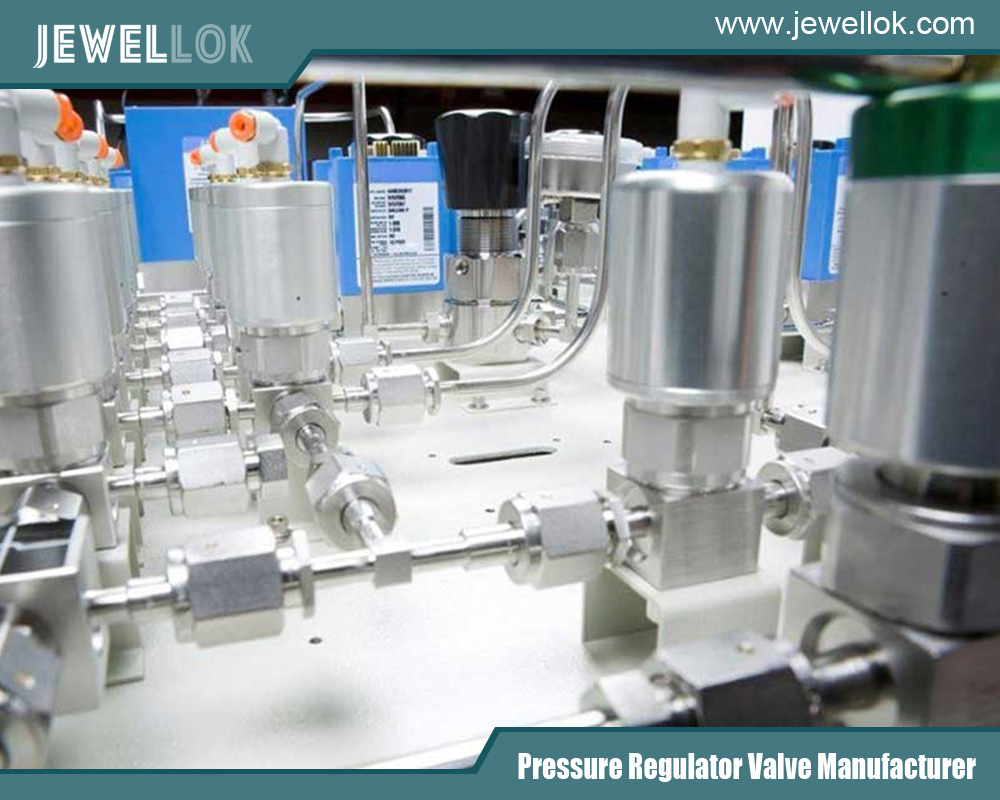
Choosing a pressure reducing regulating valve for PH₃ UHP service is a multidisciplinary decision that sits at the intersection of safety engineering, materials science, and contamination control. There is no room for compromise. The selected valve must be a purpose-built, certified device from a reputable manufacturer, featuring a UHP-optimized design with electropolished surfaces, advanced sealing, and safety-oriented features like contained vents and purge ports. It must be delivered with rigorous cleanliness certification and backed by expert vendor support.
By meticulously evaluating valves against the criteria outlined above—safety certifications, UHP design, performance specs, contamination control evidence, and vendor capability—engineers can specify a component that acts not as a potential weak link, but as a robust, reliable guardian of both human safety and process purity. This diligent selection process is a critical investment in protecting personnel, the environment, and the multi-million dollar manufacturing processes that depend on the flawless delivery of this essential, yet hazardous, gas.
For more about how to choose a PH₃ UHP pressure reducing regulating valve that is safe and effective in preventing gas contamination, you can pay a visit to Jewellok at https://www.jewellok.com/ for more info.
-
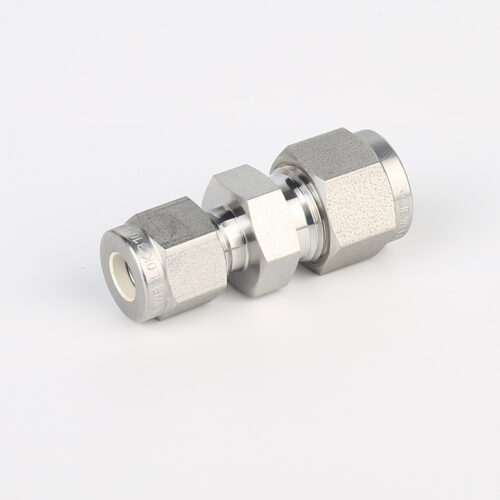
763L Stainless Steel High Purity Pressure Reducing Union Fittings And Tubing Pressure Reducing Valve Adjustment
-
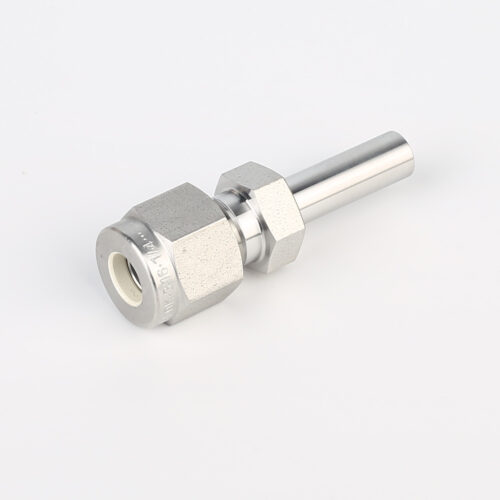
767LT Reducer Pressure Reducing Valve Adjustment High purity Pressure Reducing Union Fittings And Tubing
-
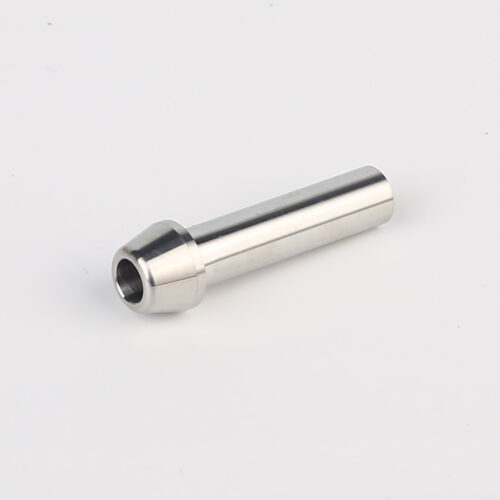
767LP Port Connector Ultra High Purity VCJ Metal Gasket Face Seal Tube Fittings
-
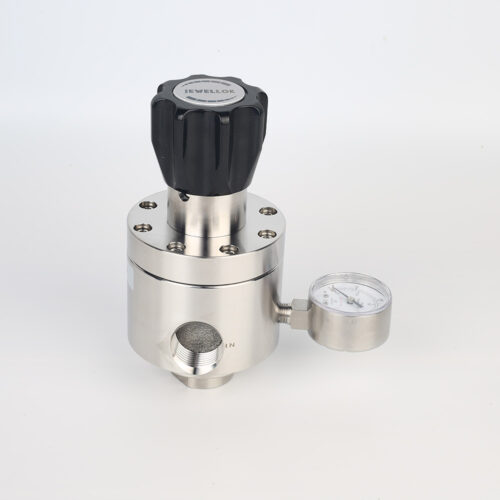
Low Pressure High Flow Line Pressure Regulators And Control Valves JSR-4L Series For Laboratory Pressure Control
-
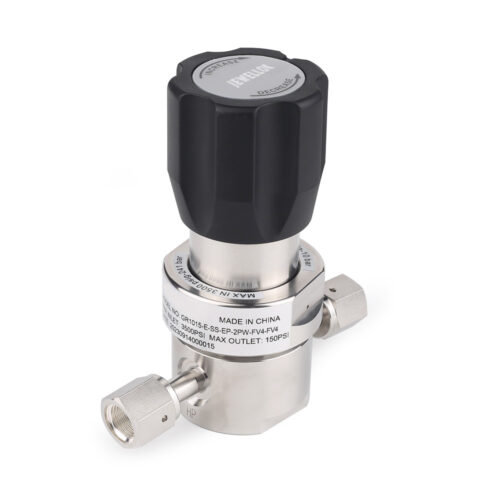
316L Vim Var Stainless Steel Ultra High Purity Gas Pressure Reducing Valve For Corrosive Specialty Gas Distribution
-
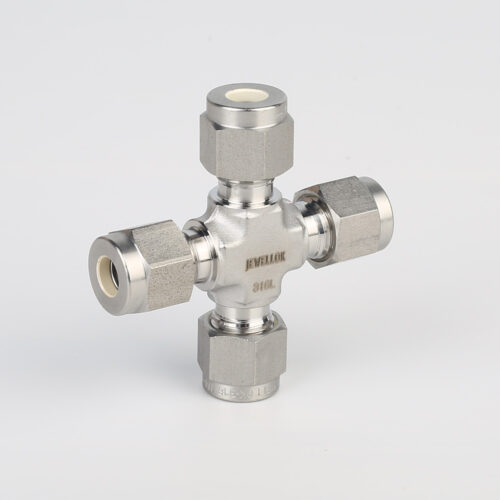
7102L Stainless Steel 316L SS Union Cross Ultra High Purity Long Arm Union Elbow Tee Cross Butt Weld Fittings
-
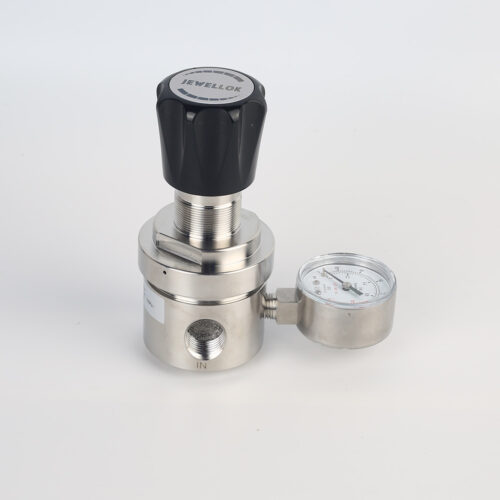
Line And Panel Mounting Adjustable Low Pressure Propane And Nitrogen Pressure Regulator JSR-3L & JSR-3LP Series
-
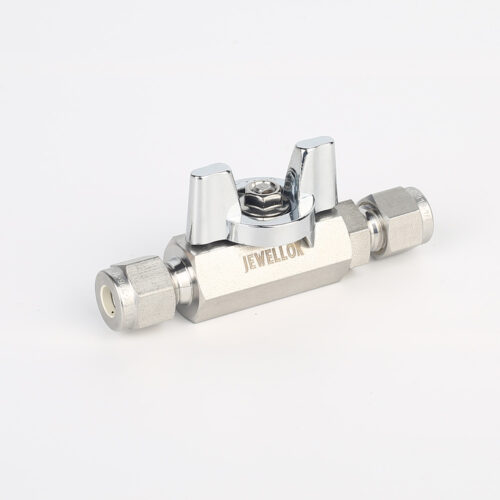
Stainless Steel High-Purity High Temperature Metal Seated Ball Valves JBV3 Series