
Valves Manufacturer Tel: +86 13380377051
Daily Maintenance Checklist for Medical Gas Valves: Ensuring Gas Supply Safety
Within the life-support systems of healthcare facilities, medical gas valves—ranging from simple oxygen flow control valves to complex gas mixing and delivery valves in anesthesia machines—function akin to the heart valves in the human body. They are critical control points ensuring the safe, precise, and reliable delivery of medical gases (such as oxygen, medical air, nitrous oxide) from their source to the patient’s airway. Any minor valve malfunction, such as a leak, blockage, or calibration drift, can escalate from a slight reduction in treatment efficacy to a major safety incident threatening patient life. Therefore, establishing and rigorously enforcing a systematic, standardized daily maintenance checklist is a cornerstone of medical device risk management and an indispensable line of defense in ensuring patient gas safety.
The Importance of Medical Valve Maintenance: Cultivating a Proactive Safety Culture Beyond “Fix-on-Failure”
The operational environment for medical valves is unique and demanding:
-
Continuous High-Load Operation: Especially in high-dependency areas like ICUs and operating rooms, valves may operate 24/7.
-
Extremely High Precision Requirements: The concentration and flow rate of delivered gases must precisely match prescribed orders, with minimal error tolerance.
-
Complex Environment: Exposure to potential corrosive or contaminating agents like disinfectant chemicals, patient bodily fluids, and dust.
-
Direct Impact on Life: Failure consequences are severe, potentially leading to patient hypoxia, barotrauma, or uncontrolled anesthetic depth.
The traditional “Reactive Maintenance” model is dangerous and unacceptable in this field. A shift towards a proactive, prevention-focused maintenance strategy (Proactive/Preventive Maintenance) is imperative. The daily inspection checklist is the core tool of this strategy. It operationalizes latent, gradually developing risks, ensuring minor defects are detected and addressed before escalating into disasters, thereby constructing a forward-looking safety barrier.
Daily Maintenance Checklist for Medical Gas Valves: Core Components and Operational Steps
The following is a comprehensive template for a daily maintenance checklist, applicable to common medical gas supply outlet valves, ventilator and anesthesia machine inlet valves, flow control valves, etc. Executors should be trained clinical engineers or qualified clinical staff, strictly adhering to the device manufacturer’s specific instructions and hospital infection control policies.
A. Pre-Check Preparation
-
Safety First: Confirm the work area is well-ventilated and away from open flames or ignition sources. Be familiar with the medical gas “color-coding” system (e.g., oxygen: white, air: yellow, etc.).
-
Personal Protection: Wear appropriate Personal Protective Equipment (PPE), which may include gloves and safety glasses.
-
Tools & Documentation: Prepare calibrated leak detection solution (non-corrosive soap solution or specific leak detector), pressure gauge, flow meter (if applicable), cleaning supplies (as per manufacturer recommendation), maintenance log or electronic work order system.
-
Equipment Status: Where possible, disconnect the device from the patient, shut off the gas supply, and follow Lockout/Tagout procedures.
B. Daily Visual & Functional Inspection Checklist
-
Visual Integrity Check
-
Valve Body & Fittings: Check for physical damage: cracks, dents, severe scratches, or signs of corrosion.
-
Label Clarity: All gas identification (name, chemical symbol, color code) must be clear, complete, and accurate.
-
Connection Points: Inspect all pneumatic connections (e.g., quick-connects, threaded fittings) for security and looseness. Verify gaskets/O-rings are present and not aged/deformed.
-
Cleanliness: Check valve surfaces and ports for accumulation of dust, grease, blood, or other contaminants.
-
-
Basic Function Test
-
Operational Feel: Slowly operate the valve handle or knob. The action should be smooth, without excessive tightness, sticking, or looseness. Rotary valves should have a definite “open” and “closed” stop.
-
Open/Close Status Indication: For valves with indicators, confirm the displayed status matches the actual position.
-
Outlet Dust Caps: Check that dust caps on unused outlet ports are in place and clean.
-
C. Leak Detection (One of the Most Critical Steps)
-
Static Pressure Test (for systems with gauges or using a separate gauge): Close all outlets downstream of the valve. Pressurize the upstream line to working pressure. Observe the pressure gauge; the pressure drop over a specified period (e.g., 15-30 minutes) should not exceed the specified limit (refer to manufacturer standards, typically very minimal).
-
Soap Solution Bubble Test: Apply leak detection solution to all potential leak points:
-
Valve stem seal/packing
-
Valve body to bonnet joint
-
All threaded fittings and welds
-
Gasket seating areas
-
Note: Use only dedicated medical-grade leak detection fluid to avoid corrosion or bacterial growth from residue. Dry the area thoroughly after testing.
-
-
Auditory Check: In a quiet environment, listen closely for any continuous “hissing” sound of escaping gas.
D. Performance Verification (Depending on Valve Type and Connected Device)
-
Flow Control Valve: Connect a calibrated flow meter to the outlet. Test at multiple set points (e.g., low, medium, high flow). Compare the actual reading with the setpoint or nominal value. Error should be within allowable limits (typically ±10% or stricter, device-dependent).
-
Pressure Regulating Valve: Use a calibrated pressure gauge to measure outlet pressure. Check if the outlet pressure remains stable at the setpoint under varying input pressures (simulating source pressure fluctuations).
-
Quick-Connect Valve (e.g., Oxygen Outlet): Insert the corresponding mating probe. It should engage with a definite “click” and automatically open gas flow. Removal should be smooth, with an audible sound of the valve automatically closing. Test insertion/removal force for normal range.
E. Terminal Cleaning & Disinfection (Follow Infection Control Protocols)
-
Clean the external surfaces of the valve using approved disinfectant wipes or solutions, following the principle of cleaning from cleanest to dirtiest areas.
-
Pay special attention to cleaning around the gas outlet periphery to prevent contaminants from being introduced into the patient circuit.
-
Never spray liquid directly into or submerge the internal valve mechanism unless the valve is explicitly designed for immersion disinfection.
F. Documentation & Reporting
-
Record details in the maintenance log or Computerized Maintenance Management System (CMMS):
-
Inspection date, time, name of personnel.
-
Valve location/identification number.
-
Checklist item results (Pass/Fail, with specific measurement data like leak rate, flow value).
-
Any anomalies, defects, or near-failure conditions observed.
-
Actions taken (e.g., cleaned, tightened, tagged for repair).
-
-
Immediately tag any valve not meeting standards with a clear “Out of Service/Do Not Use” label, remove it from clinical service, and initiate the repair or replacement process. Operation of faulty equipment is strictly prohibited.
Beyond the Checklist: Building a Systemic Maintenance Ecosystem
The daily checklist is core, but ensuring its effectiveness requires a supportive system:
-
Training & Competency: All personnel performing inspections must receive manufacturer-specific and hospital-based training, understanding the principles, risks, and operational protocols.
-
Calibration Management: Instruments used for testing (pressure gauges, flow meters) must be part of the hospital’s metrological calibration program, regularly traceable to standards to ensure accuracy.
-
Spare Parts Management: Maintain stock of critical spare parts (e.g., seals, valve cartridges) from reliable suppliers, conforming to original specifications.
-
Periodic In-Depth Maintenance: Daily checks do not replace scheduled preventive maintenance. Develop more comprehensive periodic maintenance plans (e.g., quarterly, annually) based on risk classification and device utilization, including internal inspection, wear-part replacement, and full performance recalibration.
-
Compliance with Standards & Regulations: The entire maintenance program should adhere to international standards (e.g., ISO 7396-1 for Medical gas pipeline systems, ISO 5361 for Anaesthetic and respiratory equipment), national medical device regulations, and internal hospital engineering standards (e.g., UK’s HTM 02-01).
Conclusion
A detailed “Daily Maintenance Checklist for Medical Gas Valves” is more than just a task list on paper or a digital form. It embodies the spirit of clinical engineering excellence and serves as a tangible manifestation of a patient safety culture embedded in daily practice. By institutionalizing systematic inspection, testing, documentation, and response processes, healthcare institutions can:
-
Significantly reduce clinical risks associated with gas supply failure.
-
Extend the service life of expensive medical equipment, optimizing asset utilization.
-
Enhance clinical staff confidence in equipment status, allowing greater focus on patient care.
-
Meet increasingly stringent healthcare quality accreditation and regulatory requirements.
In the realm of medical safety, details determine outcomes. The persistent, meticulous daily care of medical gas valves—these “silent guardians”—constitutes a solemn commitment to life. Executing this checklist effectively builds the most solid technical foundation for every steady breath and every successful procedure.
For more about daily maintenance checklist for medical gas valves: ensuring gas supply safety, you can pay a visit to Jewellok at https://www.jewellok.com/ for more info.
-

Managing Hazardous Chemicals with a Custom Bulk Liquid Chemical Delivery System (BCDS) in Pharmaceutical Facilities
-
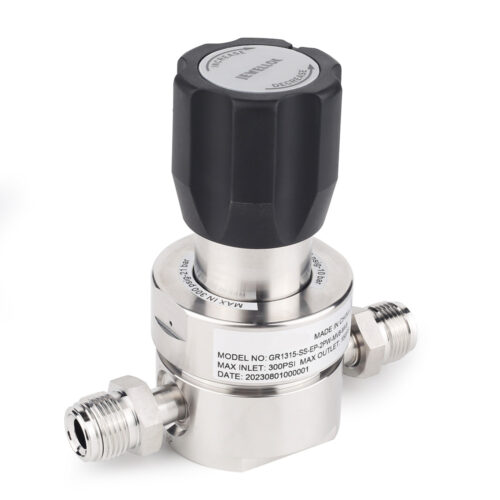
JR1300 Series Ultra High Purity Single Stage Regulator High Flow Line Regulator For Ultra High Purity Intermediate Flow
-
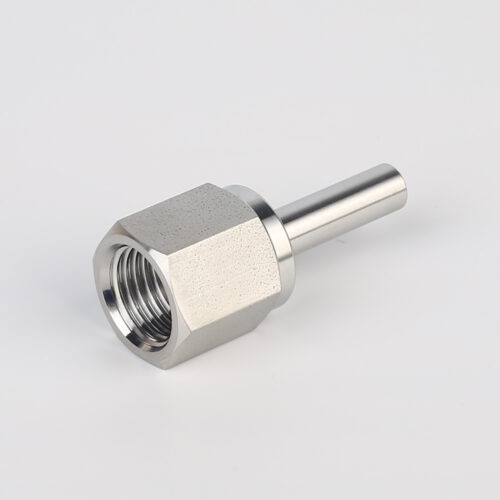
739LF High Purity Female Adapter Tube To Pipe Fittings And Connectors
-
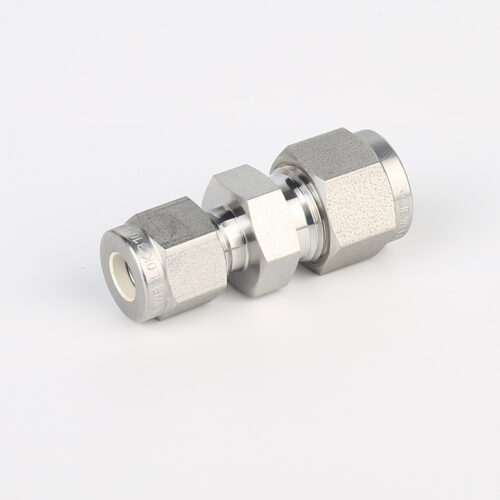
763L Stainless Steel High Purity Pressure Reducing Union Fittings And Tubing Pressure Reducing Valve Adjustment
-
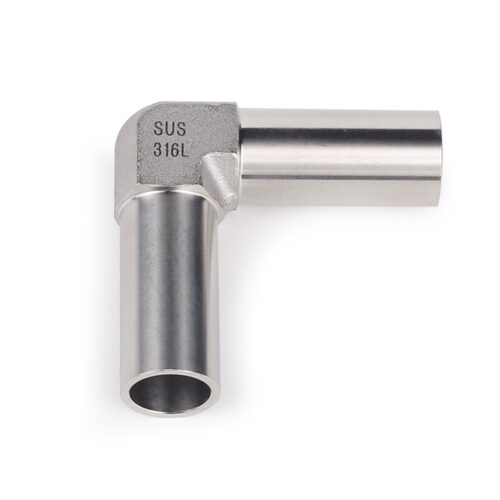
High Purity Stainless Steel Mini Tube Butt Weld Fittings For Semiconductor
-
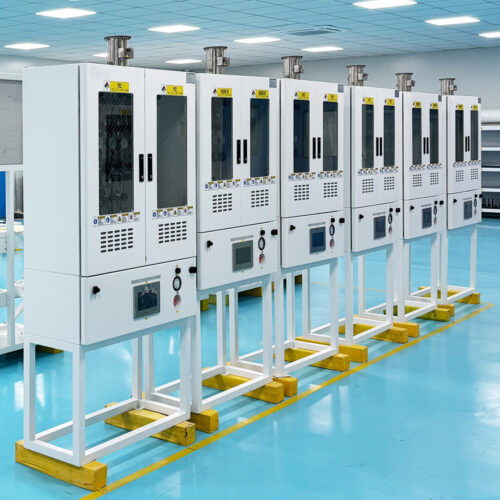
Ultra-High Purity Chemical Delivery Module (CDM) and Valve Manifold Box Integration Improving Semiconductor Yield
-
VMB Valve Manifold Panels And Boxes High Purity Configurable Systems JW-200-VMB & JW-100-VMB
-
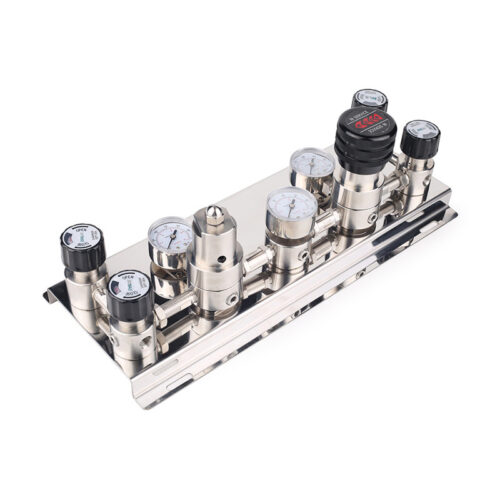
Stainless Steel High Pressure Specialty Gas Changeover Manifold For High Purity Oxygen Nitrogen Argon Helium Hydrogen Co2