
Valves Manufacturer Tel: +86 13380377051
Automated Gas Cylinder Changeover Manifolds: Ensuring Uninterrupted Supply
In countless industrial, medical, and laboratory settings, the uninterrupted flow of gas is not merely a matter of convenience; it is a critical operational necessity. From powering production lines and welding operations to sustaining life in hospitals, any interruption in the gas supply can lead to costly downtime, compromised experiments, or even life-threatening situations. While individual gas cylinders are the most common source for many of these gases, relying on a single cylinder is inherently risky. When it runs empty, the process it supports stops.
This is where the gas manifold system becomes indispensable. By connecting multiple cylinders, a manifold creates a larger, centralized gas supply. However, traditional manual changeover manifolds still require human intervention to switch from an empty bank of cylinders to a full one. This introduces the potential for human error and delay. The evolution of this technology leads us to the automated gas cylinder changeover manifold—a sophisticated system designed to guarantee a seamless, continuous, and safe gas supply without the need for operator intervention at the moment of changeover. This article delves into the technical intricacies, operational principles, benefits, and critical applications of these essential devices.
The Core Problem: The Need for Uninterrupted Supply
To appreciate the value of an automated changeover manifold, one must first understand the limitations of simpler systems. A direct connection from a point of use to a single cylinder is the most basic setup. When the cylinder pressure drops to a unusable level, the equipment must be shut down while the cylinder is replaced. For non-critical applications, this brief interruption might be acceptable.
The next step up is a manual changeover manifold. This system connects two banks of cylinders (a primary and a secondary or reserve bank). Both banks are regulated down to a working line pressure, but only the primary bank supplies the facility. An operator monitors a pressure gauge on the primary line. When the primary bank is depleted, the operator must manually open the valve on the secondary bank and close the valve on the primary bank before it is completely empty. This system is an improvement, but it has a fundamental flaw: it relies on a human being to be present, vigilant, and physically capable of performing the changeover at the precise moment it is needed. In a 24/7 operation, an overnight or weekend changeover can easily be missed, leading to an unexpected and costly supply failure.
The Solution: Automated Changeover Manifolds
Automated changeover manifolds are designed to eliminate this vulnerability. They function as intelligent, self-regulating gas distribution hubs that manage the transition between cylinder banks automatically, ensuring the downstream pressure remains stable and uninterrupted. The core components of a typical automated system include:
-
Inlet Sections: Connections for two or more independent cylinder banks (e.g., Bank A and Bank B). Each inlet is equipped with its own isolation valve, a check valve to prevent back-flow, and often a high-pressure gauge to monitor the pressure within that specific bank.
-
Pressure Regulators: Each bank has a dedicated line regulator. These are not just any regulators; they are precisely calibrated, often of the piston or diaphragm type, designed for consistent performance.
-
The Changeover Mechanism: This is the heart of the system. It can be pneumatically or electronically actuated. The mechanism continuously monitors the delivery pressure from the primary bank.
-
Pneumatic Changeover: These systems use the gas pressure itself to actuate a pilot valve. As the primary bank pressure depletes and approaches a preset changeover point, the pilot valve shifts, closing the primary line and opening the reserve line. This is a purely mechanical process requiring no external power, making it intrinsically safe in many hazardous environments.
-
Electronic Changeover: These systems use electronic pressure transducers to monitor bank pressures. A programmable logic controller (PLC) or a dedicated microprocessor analyzes this data. When the primary bank reaches a set low-pressure threshold, the controller sends a signal to solenoid valves, which actuate pneumatic or electric valves to perform the changeover.
-
-
Control Panel and Alarms: A user interface displays the status of each bank (e.g., “In Use,” “Standby,” “Empty”). Crucially, automated systems are integrated with alarm systems. When a changeover occurs, or if a bank reaches a critically low pressure, the system can trigger audible and visual alarms locally and send signals to a remote monitoring station (e.g., a building management system or a central control room).
-
Pressure Relief Devices (PRDs): As with any high-pressure system, safety is paramount. PRDs are installed to protect downstream equipment and personnel from over-pressurization in the event of a regulator failure.
How It Works: The Seamless Transfer
The operational sequence of an automated changeover manifold is a masterpiece of functional design. Consider a standard two-bank system:
-
Normal Operation: Bank A is designated as the primary or “in-use” bank, and its cylinder valves are fully open. Bank B is the secondary or “standby” bank, with its valves also open. The regulators on both banks are set to deliver gas at a specific line pressure. However, the regulator on the primary bank (A) is typically set to a slightly higher outlet pressure (e.g., 50 psi) than the regulator on the standby bank (e.g., 45 psi). As a result, gas is drawn exclusively from Bank A, while the check valve on Bank B prevents back-flow.
-
Depletion and Changeover: As gas is consumed from Bank A, its cylinder pressure eventually drops. When the inlet pressure to the Bank A regulator falls below its capable set point, it can no longer maintain the 50 psi outlet pressure. The outlet pressure begins to drop. The changeover mechanism continuously monitors this line pressure. The moment the line pressure drops to the pre-set changeover point (e.g., 48 psi), the mechanism activates.
-
In a pneumatic system, this pressure drop signals the pilot valve to switch. The primary line from Bank A is closed, and the reserve line from Bank B is opened.
-
In an electronic system, the pressure transducer detects the drop, the controller processes this as the trigger, and the solenoid valve actuates to complete the switch.
-
-
Reserve Bank in Service: With Bank A now isolated, Bank B becomes the active supply. Because its regulator was already set to 45 psi, gas now flows from Bank B at the required pressure. To the downstream process, this transition is virtually imperceptible. There is no pressure surge or drop-off—just a continuous, stable flow. At this moment, the control panel updates its display to show “Bank B In Use” and triggers a “changeover” alarm.
-
Indication and Replenishment: The alarm notifies personnel that Bank A is now empty and needs to be replaced. Operators can then safely isolate Bank A using its isolation valve, vent the line (if the system is designed for it), remove the empty cylinders, and install full ones. Once the new cylinders are connected and the isolation valve is slowly opened, the high-pressure gauge on Bank A will read full, but the system will continue to draw from Bank B. Bank A is now the new standby bank, ready for the next automatic changeover. This cycle repeats indefinitely, ensuring a perpetual, uninterrupted supply.
Types of Automated Manifolds and Gas Service
Automated changeover manifolds are not one-size-fits-all. They are engineered to handle a vast array of gases, each with unique properties that dictate material selection and system design.
-
For Corrosive or Toxic Gases (e.g., Ammonia, Chlorine, Hydrogen Chloride): These require manifolds constructed from specialty materials like Hastelloy, Monel, or 316L stainless steel with specialized surface finishes. They often feature double containment and purging systems to prevent leaks and ensure operator safety.
-
For High-Purity Gases (e.g., Nitrogen, Argon, Helium for semiconductor manufacturing): These systems are built with electropolished stainless steel components, metal diaphragm seals, and all-welded connections to prevent outgassing and contamination, maintaining the gas’s ultra-high purity down to parts-per-billion levels.
-
For Fuel Gases (e.g., Hydrogen, Acetylene, Propane): These systems must adhere to stringent safety codes (like NFPA 55 in the US). They incorporate flashback arrestors, excess flow valves, and are designed to prevent the accumulation of flammable gas mixtures. Acetylene, in particular, has unique solubility requirements that demand special cylinder connections and manifold designs.
-
For Medical Gases (e.g., Oxygen, Nitrous Oxide, Medical Air): These manifolds are highly regulated (by bodies like the FDA and NFPA 99). They must be specifically labeled and designed to prevent cross-connection between different gas services (e.g., using unique, non-interchangeable connections). They often include a final line regulator and are subject to rigorous testing and certification.
Key Benefits and Applications
The advantages of implementing automated changeover manifolds extend across nearly every sector that relies on bulk cylinder gas supply.
Benefits:
-
Zero Downtime: The primary and most obvious benefit. Operations continue 24/7 without interruption.
-
Enhanced Safety: Reduces the risk of human error during changeover and minimizes the frequency with which personnel need to handle high-pressure cylinders in active work areas. The integration of alarms provides early warning of system status.
-
Labor Efficiency: Frees up maintenance and operations staff from the mundane task of constantly monitoring cylinder pressures. They can focus on more critical duties, simply responding to alarms to swap cylinders at their convenience.
-
Inventory Management: With a clear indication of which bank is in use, facilities can better manage their cylinder inventory. They always have a full bank in reserve, preventing last-minute, emergency orders.
-
Cost Savings: By preventing production interruptions and optimizing labor, the return on investment for an automated system is often rapid and substantial.
Applications:
-
Hospitals and Healthcare: Central medical gas supply systems for operating rooms, intensive care units, and general patient wards rely almost exclusively on automated changeover manifolds.
-
Manufacturing and Fabrication: In laser cutting, welding, and heat treatment, an interruption in shielding gas (like argon or CO2) can ruin a product.
-
Laboratories and Research: Continuous gas supply is essential for analytical instruments like gas chromatographs and mass spectrometers, as well as for cell culture incubators that require a precise CO2 environment.
-
Food and Beverage: Modified atmosphere packaging (MAP) uses a continuous flow of gas to preserve food, requiring an uninterrupted supply.
-
Water Treatment: Continuous feed of chlorine or ozone for disinfection is critical for public health.
Selection Criteria and Future Trends
Choosing the right automated changeover manifold requires careful consideration. Key factors include the type of gas, the required flow rate (which determines line and component sizing), the maximum inlet pressure, the desired outlet pressure, the number of cylinder banks needed (some systems use three or more for very high-demand applications), and the level of remote monitoring and control required.
The technology continues to evolve. We are seeing a rise in “smart” manifolds with advanced telemetry. These systems can wirelessly transmit real-time data on gas usage, remaining cylinder content, and alarm status directly to a supplier or a facility manager’s computer or smartphone. This enables predictive analytics for cylinder replacement and even automated reordering, pushing the concept of uninterrupted supply to its ultimate, most efficient conclusion.
In conclusion, the automated gas cylinder changeover manifold is far more than a simple piping and valving arrangement. It is a critical piece of infrastructure that embodies the principles of reliability, safety, and efficiency. By intelligently and autonomously managing the transition between gas supplies, it provides the invisible yet essential assurance that the processes we depend on—from healing the sick to building the world around us—will continue without pause.
For more about automated gas cylinder changeover manifolds: ensuring uninterrupted supply, you can pay a visit to Jewellok at https://www.jewellok.com/ for more info.
-
Stainless Steel High Purity High Temperature Pneumatic Actuated Ball Valves JBV2 Series
-
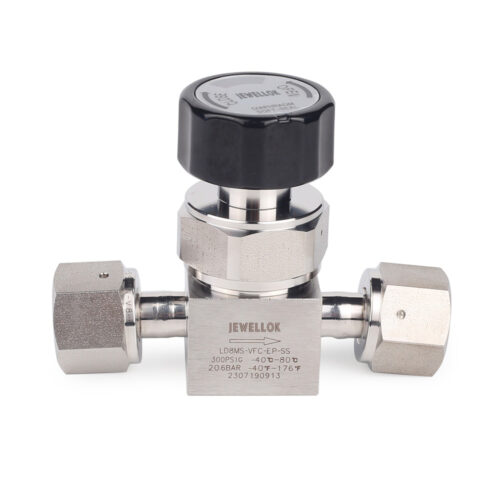
316L Vim Var Stainless Steel Ultra High Purity Diaphragm Valve Options For Semiconductor Gas Distribution Systems
-
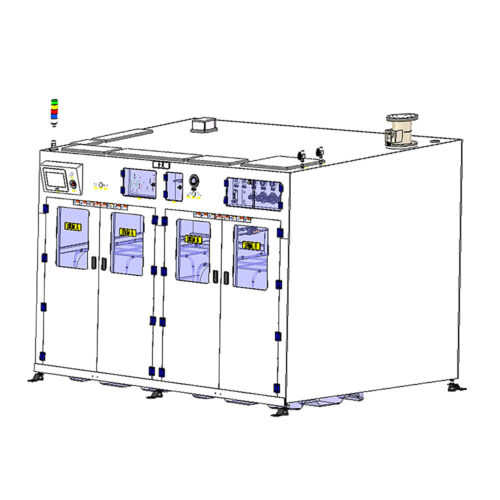
Scrubber Gas Cabinet Scrubber Tail Gas Treatment Cabinet Vent Gas Scrubber System Heat-Filter Burn Box Gas Scrubber/Abatement System
-

Organic Chemical Automatic Liquid Supply System Chemical Delivery And Waste Collection Systems CDS And CDM
-
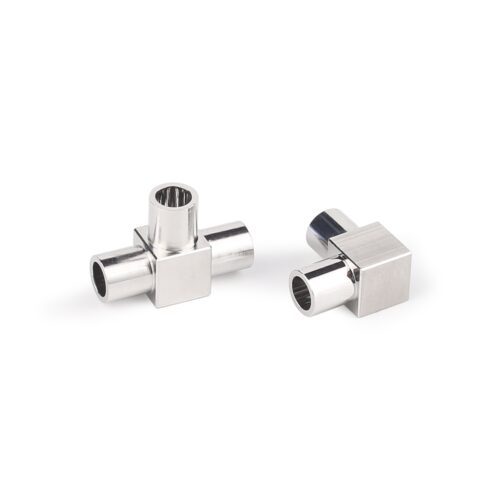
Stainless Steel Mini Elbow Mini Tee Mini Cross Mini Tribow Ultrahigh Purity Mini Butt Weld Fittings
-
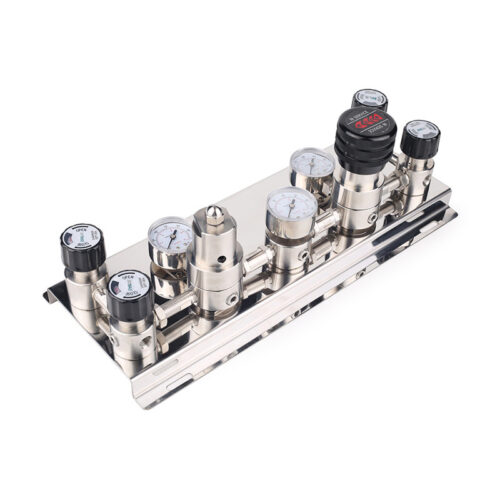
Stainless Steel High Pressure Specialty Gas Changeover Manifold For High Purity Oxygen Nitrogen Argon Helium Hydrogen Co2
-
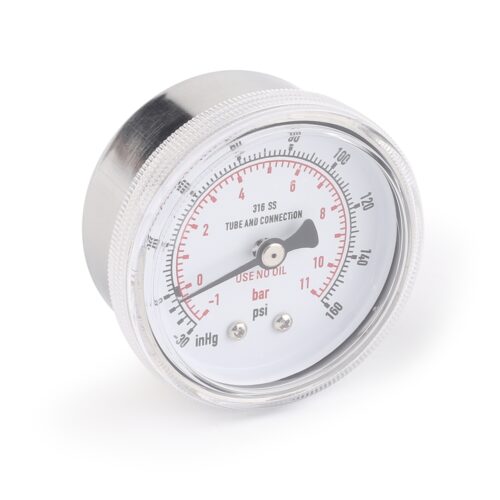
Ultra High Purity Pressure Gauge For Laboratory And Semiconductor JR Series
-
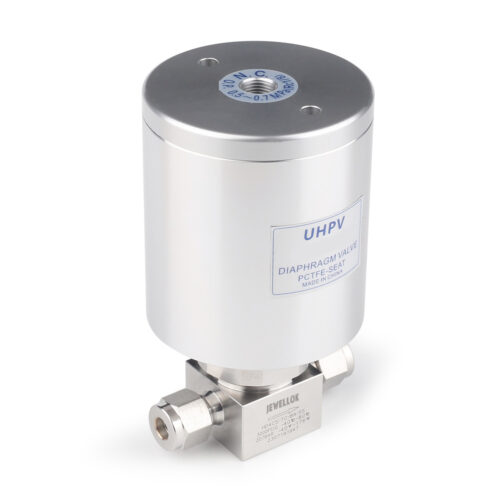
316L Stainless Steel Semiconductor High Purity High Pressure Pneumatic Diaphragm Valve For Laboratory Specialty Gases