
Valves Manufacturer Tel: +86 13380377051
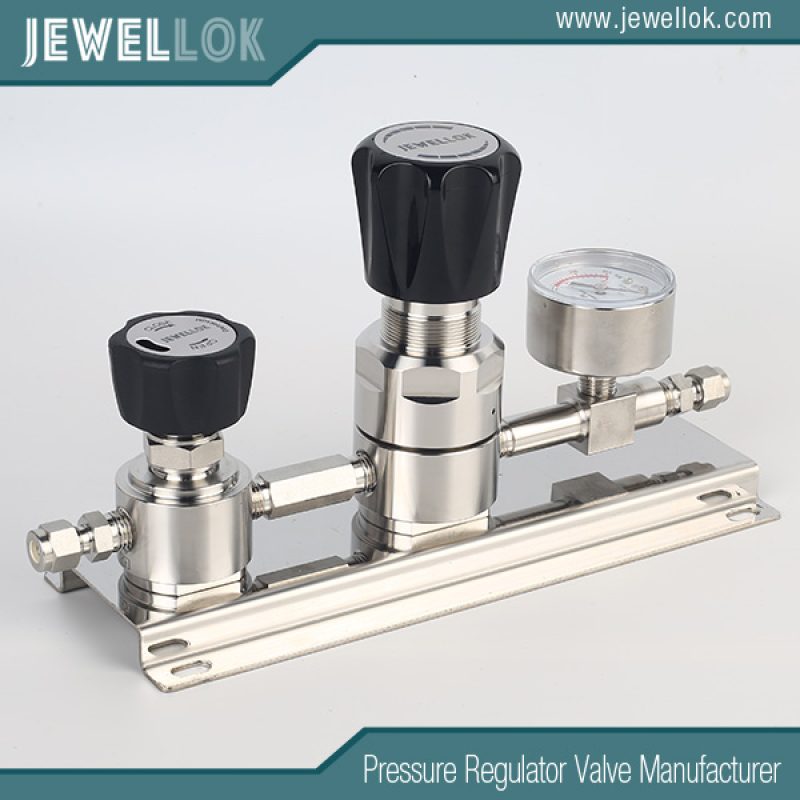
Five Key Considerations When Choosing a TMA Gas Changeover Manifold
In the fields of semiconductor manufacturing and advanced materials science, Trimethylaluminum (TMA) is an indispensable precursor, widely used in Atomic Layer Deposition (ALD) and Metal-Organic Chemical Vapor Deposition (MOCVD) processes. As a pyrophoric, moisture-sensitive, and toxic substance, the safe handling of TMA is an uncompromisable bottom line. The TMA gas changeover manifold is the core component of this safe handling system, ensuring the continuous, reliable, and safe supply of TMA vapor through dual-source cylinders, thereby guaranteeing uninterrupted production cycles.
Choosing an inappropriate manifold system can lead to severe consequences such as violent exothermic reactions, fires, toxic leaks, or process contamination. Therefore, during the procurement and design phase, it is crucial to thoroughly understand and evaluate the following five key considerations to ensure personnel safety, equipment integrity, and process stability.
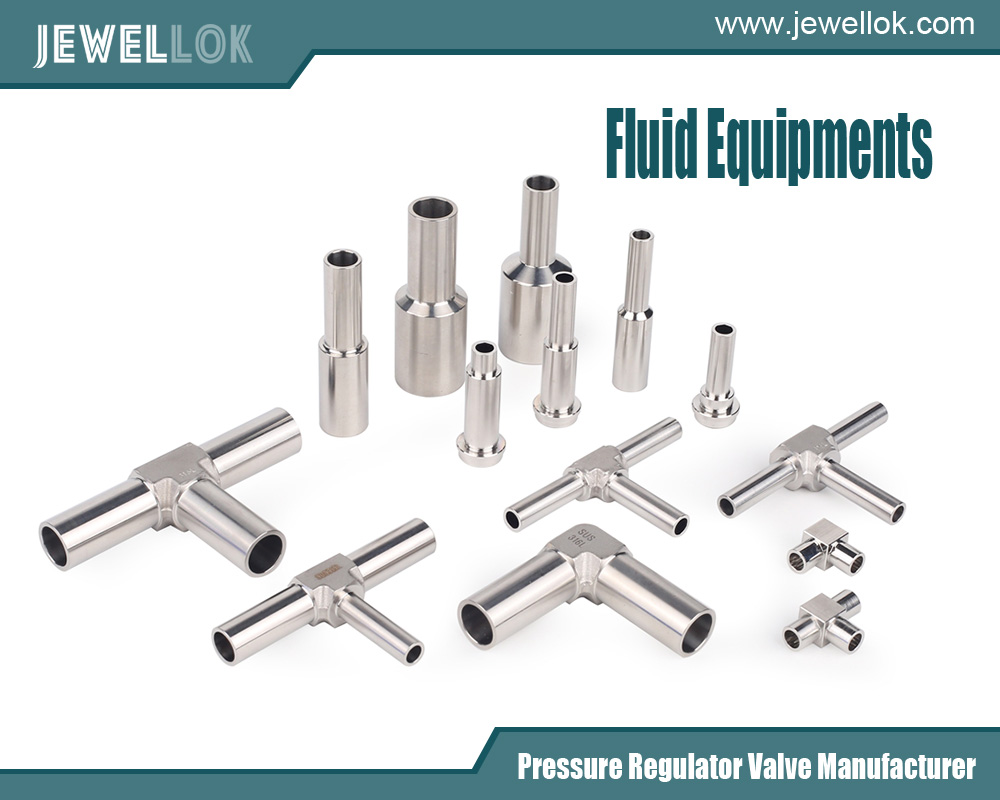
Consideration 1: Material Compatibility and Maintaining Gas Purity
TMA is a highly reactive chemical that imposes stringent requirements on material selection. The core value of a manifold system lies in ensuring that TMA does not decompose, become contaminated, or corrode the system during delivery. Consequently, the material of all components that come into direct contact with TMA is the primary consideration.
Metallic materials for valves and tubing typically involve 316L stainless steel, which requires electropolishing to minimize surface roughness and reduce the potential for catalytic reactions between TMA and the metal surface. However, even more critical is the compatibility of seal materials. Conventional elastomeric seals will react with TMA, leading to swelling, failure, and particle contamination. Therefore, all-metal sealing is the gold standard for achieving long-term, leak-free operation. Bellows-sealed valves and diaphragm valves are core components within the manifold, offering high cycle life and unparalleled sealing integrity, effectively isolating the external atmosphere and preventing internal TMA from leaking out.
Furthermore, the manifold design must eliminate dead space. Any residual TMA trapped in dead legs can become a contamination source or pose a threat to personnel during system maintenance. A well-designed manifold should ensure that all flow paths can be completely purged and evacuated, maintaining ultra-high purity throughout the delivery path from the cylinder to the process chamber.
Consideration 2: Safety Design Features and Risk Mitigation Capabilities
Due to the pyrophoric nature of TMA, the inherent safety design of the manifold system is paramount in the selection process. The system must incorporate multiple protective mechanisms to address potential leaks, pressure abnormalities, and operational errors.
Inert gas purge and vacuum systems form the cornerstone of safety design. The manifold must be equipped with dedicated high-purity inert gas (e.g., nitrogen or argon) purge inlets for each gas line and the common line. Before cylinder change or maintenance, a rigorous “purge-evacuate-purge” cycle must be executed to thoroughly remove all TMA residues from the lines. Therefore, an integrated, reliable vacuum source (such as a vacuum pump or venturi ejector) is an essential component for safely evacuating the lines to an inert state before exposure to the atmosphere.
Another critical safety feature is the pressure relief and exhaust system. All exhaust gases from purging or venting must be reliably directed to the facility’s scrubber or point-of-use abatement system to neutralize toxic and pyrophoric byproducts. Additionally, the gas cabinet or room housing the manifold should be equipped with pyrophoric gas detectors and flame detectors. In the event of a leak, the system must be capable of automatically triggering emergency shut-off valves to isolate the gas source and initiating high-flow inert gas dilution or fire suppression protocols. When selecting a manifold, it is essential to verify whether its control logic supports these critical safety interlocks.
Consideration 3: Automation and Control Logic Complexity
Modern semiconductor manufacturing demands a high degree of automation and repeatability. The control system of a TMA gas changeover manifold dictates the smoothness, accuracy, and level of human intervention required for gas switching.
Pressure transducers and logic controllers are the senses and brain enabling automatic changeover. The system should continuously monitor the pressures of the online and standby cylinders via high-precision pressure transducers. Based on preset logic (e.g., online cylinder pressure drops below a set point, or cumulative usage time reaches a threshold), the controller (PLC or dedicated CPU) should automatically execute the changeover sequence.
The critical step in automatic changeover is pressure balancing. This is the most crucial point for preventing process disturbances. When selecting a manifold, it’s important to understand its pressure balancing logic thoroughly. An excellent system, before opening the standby cylinder line valve, will precisely use inert gas to equalize the standby line pressure with the common line pressure. This avoids “pressure shocks” caused by differential pressure, which could push liquid TMA into the vapor phase lines or cause drastic flow fluctuations in the process chamber.
The user interface is equally important. An intuitive Human-Machine Interface (HMI) should clearly display line status (Cylinder A online, Cylinder B standby), cylinder pressures, purge progress, and alarm messages. The system should also have a manual override function, allowing properly trained operators to perform safe operations manually under specific circumstances (e.g., sensor failure). When selecting a manifold, assess the complexity and user-friendliness of its control system, ensuring it meets current automation needs and can seamlessly integrate with the factory’s overall automation systems (e.g., EAP, Equipment Automation Program).
Consideration 4: Ensuring Gas Supply Continuity and Reliability
The core mission of a TMA gas changeover manifold is to ensure uninterrupted gas supply to the process tool. Therefore, the system’s redundancy design, failure recovery capabilities, and component reliability are key to evaluating its long-term value.
Dual-source cylinder configuration is fundamental for achieving continuous supply. A well-designed manifold allows Cylinder A to supply gas while Cylinder B is prepared in standby mode (e.g., opening the cylinder valve, setting primary and secondary regulators), ready to take over instantly. When Cylinder A is depleted, the system can switch to Cylinder B seamlessly, providing ample time to replace Cylinder A without interrupting production.
Redundancy of critical components should also be considered. For instance, concerning the core regulator, if budget allows, consider configuring series primary and secondary regulators on each gas line. The primary regulator stabilizes the high-pressure output from the cylinder, while the secondary regulator provides more precise and stable delivery pressure. This two-stage regulation design effectively dampens pressure fluctuations. Additionally, components like the control system’s power supply module and communication modules should be considered for redundant configuration to eliminate single points of failure.
The manifold’s Mean Time Between Failures (MTBF) is an important reference metric. Opting for brands and models with a strong reputation and proven field performance is crucial. Factors such as the comprehensiveness of the manufacturer’s technical documentation, the timeliness of after-sales technical support, and the availability of spare parts directly impact the equipment’s reliability throughout its lifecycle.
Consideration 5: Ease of Operation and Maintenance
Even the most advanced automated systems require periodic preventive maintenance and consumable replacement. How conveniently the manifold allows operators to perform these tasks safely and efficiently directly impacts productivity and personnel safety.
Modular design is a significant trend in modern gas manifolds. Integrating gas path components into compact, clearly laid-out modules not only reduces potential leak points but also simplifies maintenance. For example, if a valve on a specific line needs replacement, modular design allows for quick isolation and replacement of that module without disassembling a complex network of tubing.
The convenience and safety of the cylinder change procedure are central to daily operations. The manifold should feature a clearly laid-out operational panel indicating the function and flow direction of each valve. When executing standard operating procedures for cylinder change, such as “cracking open the cylinder valve,” “pressure balancing using purge gas,” and “closing and evacuating residual TMA,” the system layout should enable operators to easily and accurately access the relevant valves and pressure gauges. For the removed empty cylinder, its connection point must be easily accessible for installing the manufacturer-provided protective cap.
Maintenance access and features should not be overlooked. The manifold should have reserved test ports, allowing maintenance personnel to connect leak detectors for routine leak checks. Maintainable components like vacuum pumps, sensors, and valves inside the system should be readily accessible. Furthermore, the alarm logs and diagnostic capabilities of the control system should be robust enough to help maintenance personnel quickly identify the root cause of issues, such as common problems like pressure fluctuations, failure to achieve pressure balance, or automatic changeover failure.
Conclusion
Selecting a TMA gas changeover manifold is a systematic project that requires balancing multiple factors including safety, performance, reliability, and maintenance. Material compatibility is the foundation for ensuring process purity and system longevity; inherent safety design is the primary defense against TMA’s pyrophoric characteristics; advanced automation and control logic are the technical core for achieving smooth, repeatable changeovers; high reliability and redundancy are key to guaranteeing production continuity; and convenient operation and maintenance are practical guarantees for reducing operational costs and ensuring long-term safe operation.
In making the final decision, it is recommended that users engage in in-depth technical discussions with suppliers, focusing not only on the equipment’s technical specifications but also on the underlying design philosophy, safety principles, and the supplier’s experience serving the semiconductor industry. Only by comprehensively evaluating these five key considerations can one select a truly safe and reliable TMA delivery solution that meets current process needs and is robust enough to handle future challenges. In the world of high-risk precursors like TMA, there are no shortcuts—only caution, expertise, and safe, reliable equipment and practices can ensure comprehensive protection for personnel, equipment, and the environment.
For more about five key considerations when choosing a TMA gas changeover manifold, you can pay a visit to Jewellok at https://www.jewellok.com/ for more info.
-
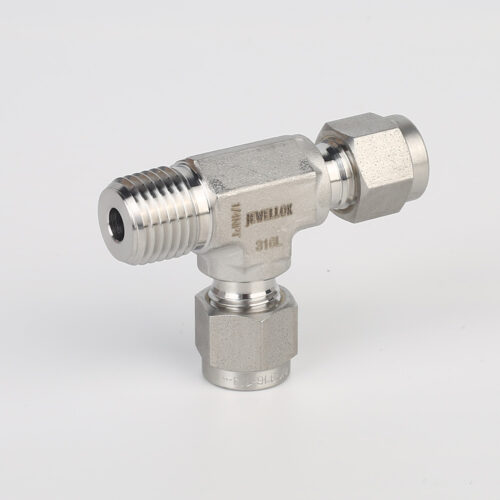
771L Male Run Tee | Stainless Steel High Quality High Purity Male Run Tee Branch Tee Pipe Fittings
-
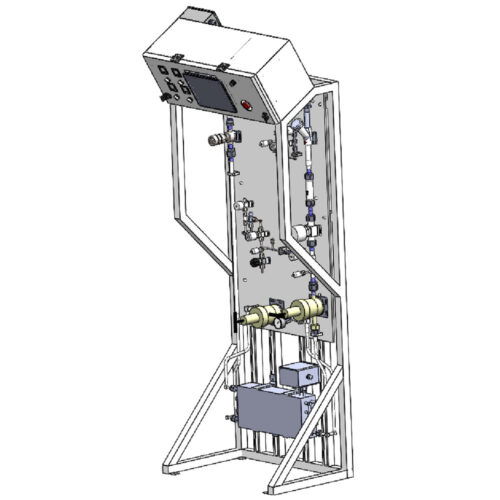
Fully Automated Gas Cabinet Gas Rack Gas Delivery Systems JW-300-GR
-
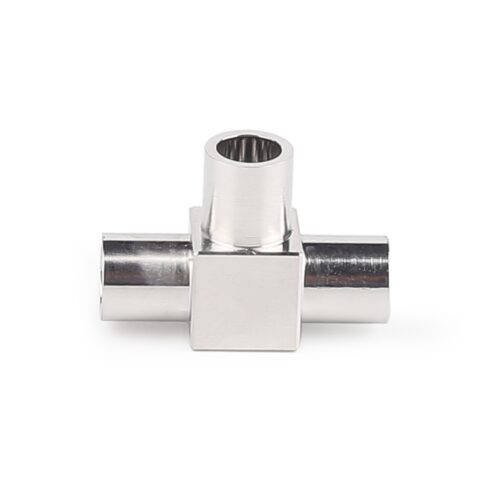
Stainless Steel Ultra High Purity Mini Butt Weld Mini Tee Reducer MTRW Series Fittings
-
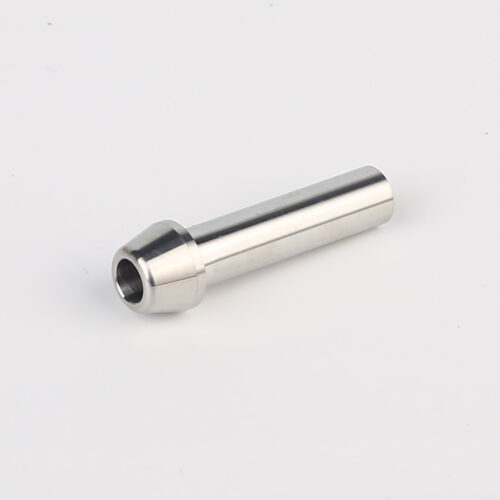
767LP Port Connector Ultra High Purity VCJ Metal Gasket Face Seal Tube Fittings
-
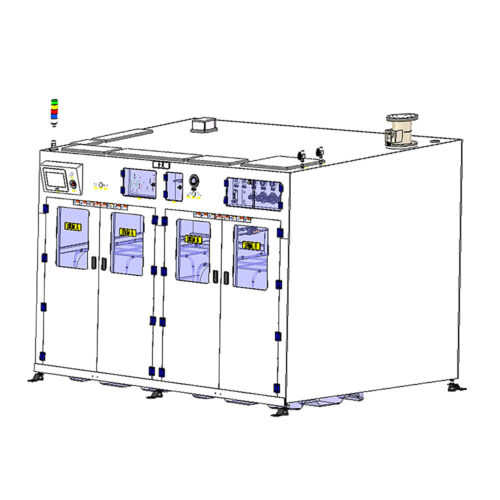
Laboratory Gas Scrubber System With Wet Scrubber Tail Gas Treatment And Acid Gas Neutralization Scrubber
-
739 High Purity LMR Male Adapter Tube To Pipe Fittings And Adapters
-
772 LF Female Branch Tee | Stainless Steel Tube Fitting Female Branch Tee 1/2 in. Tube OD x 1/2 in. Tube OD x 3/8 in. Female NPT
-
764LR Stainless Steel 316 Reducing Tee UHP Fitting Automatic Buttweld Reducing Tee