
Valves Manufacturer Tel: +86 13380377051
A Comprehensive Guide to 316L VIM VAR UHP Gas Regulator
In the realm of high-precision industrial applications, the 316L VIM VAR UHP gas regulator stands as a cornerstone for ensuring the safe, reliable, and contamination-free delivery of ultra-high purity gases. These regulators are engineered to handle gases with purity levels exceeding 99.9999%, making them indispensable in industries where even trace impurities can compromise processes or product quality. The designation “316L VIM VAR UHP” refers to regulators constructed from 316L stainless steel that has undergone Vacuum Induction Melting (VIM) and Vacuum Arc Remelting (VAR) processes, optimized for Ultra High Purity (UHP) environments.
This guide delves into the technical aspects of these regulators, exploring their materials, design principles, features, applications, installation, and maintenance. By understanding these elements, engineers, technicians, and procurement specialists can make informed decisions for systems requiring uncompromising purity and performance. Whether in semiconductor fabrication, pharmaceutical manufacturing, or analytical laboratories, these regulators exemplify advanced materials science and fluid control engineering.
Materials and Manufacturing Processes
At the heart of the 316L VIM VAR UHP gas regulator is its primary material: 316L stainless steel. This austenitic alloy, a low-carbon variant of 316 stainless steel, offers exceptional corrosion resistance due to its composition, typically including 16-18% chromium, 10-14% nickel, and 2-3% molybdenum. The low carbon content (under 0.03%) minimizes carbide precipitation during welding, enhancing weldability and intergranular corrosion resistance.
What elevates this material to UHP standards is the VIM VAR refining process. Vacuum Induction Melting (VIM) involves melting the raw alloy in a vacuum environment using electromagnetic induction. This method eliminates atmospheric contaminants, reduces gas inclusions like oxygen and nitrogen, and ensures homogeneous composition. Following VIM, Vacuum Arc Remelting (VAR) further refines the ingot by remelting it via an electric arc in a vacuum, allowing impurities to segregate and be removed. The result is a stainless steel with ultra-low inclusion levels, superior cleanliness, and enhanced mechanical properties, such as improved fatigue resistance and surface finish.
For UHP applications, the material often achieves surface roughness as low as Ra 5 μin through electropolishing, which removes microscopic irregularities that could trap contaminants. This combination of alloy chemistry and advanced melting techniques makes 316L VIM VAR ideal for regulators handling corrosive, reactive, or high-purity gases like nitrogen, hydrogen, or silane.
Design and Components
The design of a 316L VIM VAR UHP gas regulator prioritizes leak-tight performance, minimal dead volume, and precise pressure control. Most models employ a single-stage or two-stage configuration, with the former suited for applications requiring modest pressure reductions and the latter for greater stability across varying inlet pressures.
Key components include:
– Body and Wetted Parts: Fabricated entirely from 316L VIM VAR stainless steel to prevent outgassing or particle generation. The body is often barstock-machined for density and purity, avoiding the porosity associated with castings.
– Diaphragm: A critical sealing element, typically made from Hastelloy C-22 or Elgiloy for corrosion resistance and flexibility. Designs may feature tied or non-tied diaphragms; tied versions enhance safety by containing failures, while springless models reduce potential contamination sources.
– Seals and Seats: Metal-to-metal seals eliminate elastomeric materials that could degrade or outgas. PCTFE (Kel-F) seats are common for soft-sealing needs without compromising purity.
– Inlet/Outlet Connections: Compatible with VCJ fittings, tube butt welds, or modular surface mounts. These ensure helium leak rates below 1×10^-9 atm-cc/sec, vital for UHP integrity.
– Pressure Sensing and Adjustment: Incorporates a piston or diaphragm sensor for accurate outlet pressure control, often preset or manually adjustable via a handle or knob. High-flow models can achieve Cv values up to 0.5 for efficient gas throughput.
Regulators are available in various series, such as compact inline point-of-use (POU) types for space-constrained setups or high-flow variants for bulk gas distribution. Safety features like burst disks or relief valves protect against overpressurization.
Features and Specifications
316L VIM VAR UHP gas regulators boast specifications tailored for demanding environments:
– Pressure Ratings: Inlet pressures up to 3500 psig (241 bar), with outlet ranges from vacuum to 500 psig (34 bar), depending on the model.
– Flow Capacity: Medium-flow units handle up to 100 slpm, while high-flow versions exceed 500 slpm, ensuring minimal pressure drop.
– Purity and Cleanliness: Certified to SEMI standards, with inboard helium leak testing, particle counting (less than 1 particle/ft³ >0.1 μm), and moisture analysis (<1 ppb). Hydrocarbon and ionic cleanliness are rigorously controlled.
– Temperature Range: Operational from -40°F to 150°F (-40°C to 66°C), with extensions possible via specialized materials.
– Actuation Options: Manual, pneumatic, or preset, allowing integration into automated systems.
Additional features include low dead volume to minimize purge times, electropolished internals for reduced adhesion, and compatibility with toxic or pyrophoric gases through enhanced sealing.
Applications
These regulators find extensive use in sectors requiring pristine gas delivery:
– Semiconductor Manufacturing: In gas cabinets and valve manifold boxes for processes like chemical vapor deposition (CVD) and etching, where impurities could cause defects in microchips.
– Pharmaceutical and Biotechnology: For controlling inert gases in sterile environments, ensuring compliance with cGMP standards.
– Analytical Instrumentation: In gas chromatography and mass spectrometry, maintaining baseline stability.
– Photovoltaics and LED Production: Handling specialty gases for thin-film deposition.
– Research Laboratories: For high-purity experiments in materials science or physics.
Their robustness suits both point-of-use and bulk supply systems, often integrated with filters, purifiers, and transducers for comprehensive gas management.
Installation and Maintenance
Proper installation is crucial for optimal performance. Begin with system purging using dry nitrogen to remove moisture and particulates. Use torque specifications for fittings to avoid leaks—typically 10-15 ft-lb for 1/4″ . Mount regulators vertically to prevent particle accumulation, and incorporate isolation valves for servicing.
Maintenance involves periodic leak checks using helium mass spectrometry and pressure decay tests. Diaphragm integrity should be verified annually, with replacements using OEM parts to maintain purity. Cleaning protocols follow SC-01 specifications, employing ultrapure water rinses and vacuum baking. Avoid abrasive tools to preserve surface finishes.
In case of contamination, disassemble in a cleanroom and inspect for pitting or deposits. Predictive maintenance via pressure monitoring can preempt failures, extending service life beyond 10 years in controlled conditions.
Advantages and Limitations
The primary advantages include unparalleled purity, corrosion resistance, and reliability, reducing downtime and yield losses. Their modular design facilitates scalability, and compliance with standards like ASME and ISO ensures global applicability.
Limitations encompass higher costs compared to standard regulators, sensitivity to improper handling (e.g., fingerprints introducing oils), and the need for specialized tools for installation. They may not suit extremely high temperatures without modifications.
Conclusion
The 316L VIM VAR UHP gas regulator represents the pinnacle of precision engineering for ultra-high purity gas control. By leveraging advanced materials and processes, it addresses the stringent demands of modern industries, safeguarding processes from contamination and ensuring operational efficiency. As technology evolves, these regulators will continue to play a vital role in advancing fields like nanotechnology and clean energy. Selecting the right model requires assessing specific pressure, flow, and gas compatibility needs, ideally in consultation with manufacturers.
For more about a comprehensive guide of 316l vim var uhp gas regulator, you can pay a visit to Jewellok at https://www.specialtygasregulator.com/product-category/ultra-high-purity-gas-regulators/ for more info.
-
Specialty Gas Valves Ultra High Purity Gas Valves Ultra High Purity Gas Cylinder Valves UHP Cylinder Valve Ultra High Purity Gas Regulator
-
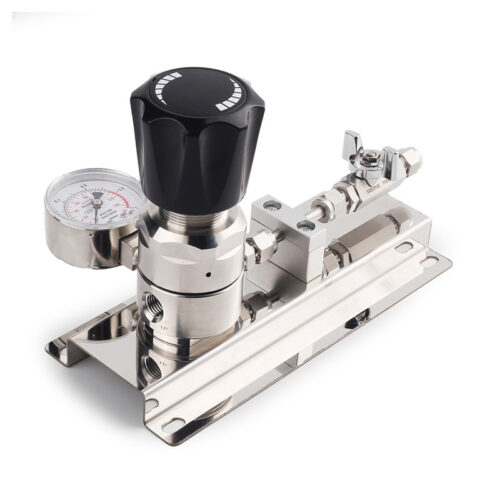
Ultra High Purity Stainless Steel Compressed Gas Changeover Manifold Panel System For Integrated Gas Supply System
-
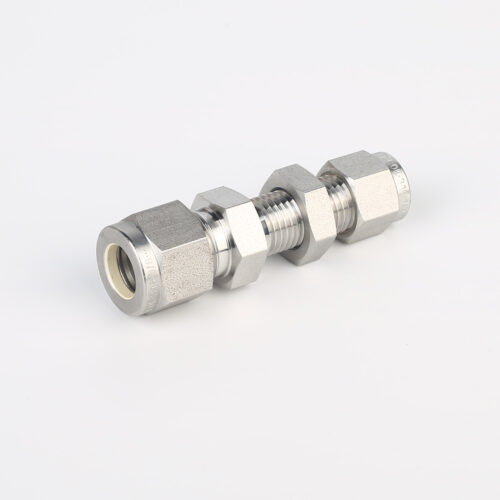
775L Bulkhead Reducing Union | Stainless Steel High Purity Double Ferrule Bulkhead Reducing Unions
-
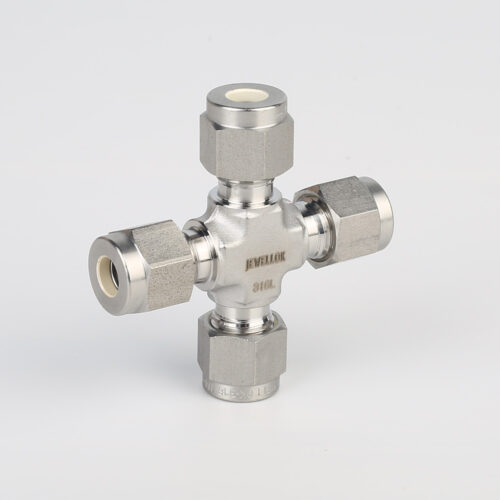
7102L Stainless Steel 316L SS Union Cross Ultra High Purity Long Arm Union Elbow Tee Cross Butt Weld Fittings
-
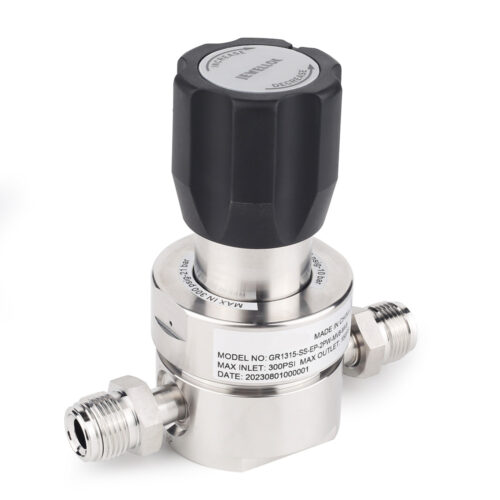
JR1300 Series Ultra High Purity Single Stage Regulator High Flow Line Regulator For Ultra High Purity Intermediate Flow
-
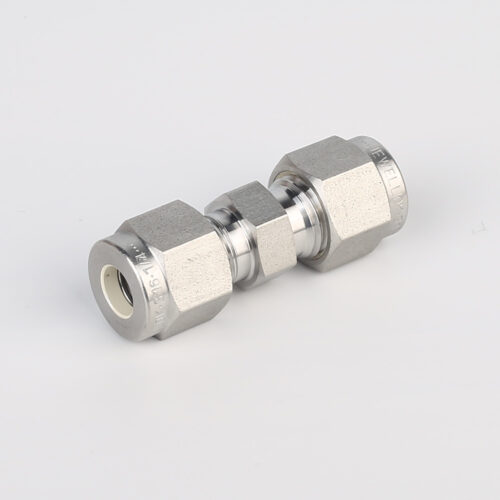
762L Stainless Steel High Purity Union High-Purity Gas System Fittings
-
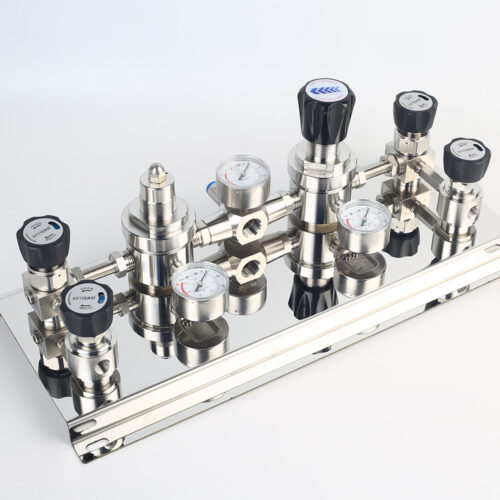
Stainless Steel Single Stage Semiconductor Grade Pressure Control Module Pressure Control Panels JSP-6A Series
-
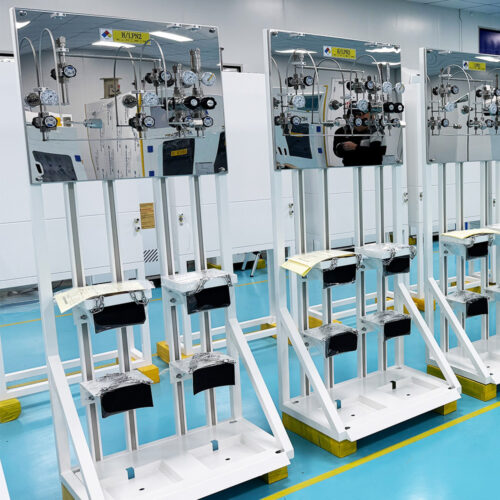
Semi-Automatic VMB Gas Cabinet With Semiconductor Valve Manifold Box Diaphragm Valves And Gas Pressure Regulators