
Valves Manufacturer Tel: +86 13380377051
A Systematic Guide and Key Considerations for Selecting SiH4 Ultra-High Purty Regulators
Silane (SiH4) gas is the workhorse precursor for silicon-based thin-film deposition in the semiconductor, photovoltaic (PV), and flat-panel display industries. Its pyrophoric, toxic, and explosive nature, combined with an absolute intolerance for impurities in advanced fabrication nodes (<10nm logic, high-efficiency PERC/TOPCon solar cells), makes the selection of its delivery regulator a critical engineering decision. This article provides a systematic, step-by-step guide to selecting an ultra-high purity (UHP) SiH4 regulator, moving beyond generic specifications to address the unique chemical and safety challenges of silane. We will dissect key considerations including metallurgy, sealing technology, safety design, performance validation, and integration best practices.
The Unique Challenge of Silane
Unlike inert or mildly corrosive gases, SiH4 presents a trifecta of handling challenges:
-
Pyrophoricity: It ignites spontaneously upon contact with air (oxygen), necessitating leak-tight integrity and inert purging protocols.
-
Decomposition: It can undergo homogeneous decomposition at elevated temperatures or pressures, forming particulate silicon that can foul flow paths.
-
Purity Sensitivity: Trace contaminants—especially oxygen, moisture (>10 ppb), and heavy metals—can nucleate particles, create defects in films, and degrade device performance and yield.
The regulator is the primary interface between the high-pressure source cylinder and the low-pressure process tool. A poorly selected regulator can become a source of contamination, a ignition point, or a failure risk. Therefore, selection is not merely a procurement activity but a core process safety and quality decision.
A Systematic Selection Framework
A holistic selection process follows a defined sequence: Safety → Material Compatibility → Design & Functionality → Performance Verification → Integration & Service.
Step 1: Paramount Safety Features
Safety is non-negotiable and must be engineered into the regulator’s core design.
-
Leak Integrity: The primary defense. All connections must be metal-to-metal (e.g., VCR®, Cajon Ultra-Seal) or use dedicated, SiH4-compatible, perfluoroelastomer seals (e.g., Kalrez® 6375, Chemraz® 505) in a controlled, minimal-volume configuration. Gasketed or elastomer-sealed bonnet designs are unacceptable.
-
Inert Purge Ports: Independent, verified purge ports on both the inlet (bonnet) and outlet sides are mandatory. These allow for:
-
Active Purge: Continuous inert gas (N2, Ar) blanket over the diaphragm to prevent air ingress if the primary seal fails.
-
Bleed-and-Feed Purging: Safe evacuation of SiH4 before regulator removal.
-
-
Pressure Relief Safety: A dedicated, integral, and contained relief device is essential. In the event of over-pressure (e.g., from thermal expansion or decomposition), it must vent safely.
-
Rupture Disc (Preferred): A metal burst disc, set ~1.5x the maximum inlet pressure, is most reliable. It must vent to a verified and connected vent line leading to an exhaust scrubber or burn box. “Venting to atmosphere” is never an option.
-
Relief Valve: Less common for SiH4, as it can re-seat and potentially leak. If used, it must be of UHP design and its exhaust must be hard-piped.
-
-
Fire-Resistant Design: The regulator body should be constructed from materials that maintain structural integrity in a fire (e.g., stainless steel, Monel). Internal components should be designed to minimize dead volumes where SiH4 can stagnate and decompose.
Step 2: Material Compatibility and Purity
Material choices directly impact particle generation, outgassing, and catalytic decomposition.
-
Metallurgy:
-
Body & Internal Components: 316L Stainless Steel, electropolished (Ra < 10 µin) and passivated (to ASTM A967), is the standard. For the highest purity and corrosion resistance, 316L VIM-VAR (Vacuum Induction Melted – Vacuum Arc Remelted) grade is superior, offering lower inclusion counts and better surface homogeneity.
-
Alternative Alloys: For maximum resistance to potential trace moisture/fluoride byproducts, Nickel-alloys like Monel 400 or Alloy C-276 are sometimes specified, though at higher cost.
-
Diaphragm: Must be a welded, all-metal diaphragm. 316L SS is standard. Hastelloy C-276 diaphragms offer superior corrosion resistance and are highly recommended for long-term reliability.
-
-
Surface Finish: Electropolishing (EP) is critical. It smooths the surface to reduce adsorption sites and improve particle wash-down. A surface roughness (Ra) of < 10 micro-inches is standard, with < 5 µin for critical applications.
-
Cleaning and Packaging: The regulator must be cleaned, assembled, and packaged in a certified cleanroom (Class 100 or better). Cleaning should follow a validated protocol (e.g., ASTM G93). Packaging must be in double-bagged, nitrogen-purged containers with certified cleanliness data.
Step 3: Functional Design and Performance Specifications
-
Type of Regulator:
-
Single-Stage: Simpler, less expensive. Provides adequate control for some bulk processes but outlet pressure will drop as cylinder pressure decays (“droop”).
-
Two-Stage (Pilot-Operated): The preferred choice for critical processes. It uses a pilot regulator to control the main stage, providing exceptional lock-up (fast closing) and constant outlet pressure (±1%) regardless of inlet pressure decay. This stability is crucial for deposition uniformity.
-
-
Flow Capacity (Cv): Select a Cv value appropriate for your maximum process demand. Oversizing can lead to instability at low flows; undersizing creates a bottleneck. Consult flow curves provided by the manufacturer.
-
Pressure Ratings: Inlet rating must exceed the SiH4 cylinder pressure (typically up to 1800 psig for full cylinders). Outlet pressure range should cover your process needs (commonly 0-100 psig for CVD/ALD tools).
-
Dead Volume: The internal volume downstream of the seat when closed should be minimized. This reduces the amount of SiH4 that could be released in a seat leak and facilitates more efficient purging.
-
Heated Options: For applications where cold spots could cause condensation or to prevent freezing during high flow, a jacketed or integrally heated regulator may be required. Temperature control must be precise and uniform.
Step 4: Validation and Certification
Do not accept generic datasheets. Require regulator-specific certification.
-
Leak Testing: Must be performed with He mass spectrometry. A target of < 1 x 10⁻⁹ atm-cc/sec He for the entire regulator assembly (external leak) is standard for UHP. Internal leak (across the seat) should be equally stringent.
-
Purity Analysis: The regulator should be subjected to a Gas Analysis Test (GAT) or Bomb Test. After assembly, it is pressurized with a carrier gas (e.g., N2 or Ar) and stored. The gas is then analyzed for outgassed species: H2O, O2, CO, CO2, THC (Total Hydrocarbons), and particle counts. Acceptable levels are application-dependent but often target < 1 ppm total impurities, with H2O and O2 < 100 ppb each.
-
Particle Testing: Flush the regulator with particle-free gas or liquid and measure effluent. NAS 1638 Class 0 or ISO 15/14/11 (or better) cleanliness is expected.
-
Material Certifications: Certificates of Conformity for 316L VIM-VAR material and cleaning/packaging protocols should be provided.
Step 5: Integration, Maintenance, and Supplier Partnership
-
Installation: Must follow strict procedures: leak-check all connections with He before introducing SiH4, verify purge line integrity and flow, ensure proper torque on fittings.
-
Vent System: Confirm the relief device outlet is plumbed to a dedicated, properly rated exhaust system designed to handle pyrophoric gases.
-
Preventive Maintenance (PM): Establish a PM schedule based on manufacturer recommendations and internal monitoring (e.g., rising baseline impurity levels, slow response). Typically, SiH4 UHP regulators are serviced annually or after a defined number of cylinder changes.
-
Supplier Selection: Choose a supplier with:
-
Proven expertise in pyrophoric gas handling.
-
A full-service offering (design, certification, repair, requalification).
-
Local technical support and a certified repair facility.
-
A strong track record in your specific industry (semiconductor, PV).
-
Common Pitfalls to Avoid
-
Prioritizing Cost over Safety: A cheaper, non-purgeable, non-relieved regulator is a severe safety hazard.
-
Ignoring the Vent Path: Specifying a regulator with a relief device but not engineering its safe discharge is a critical failure.
-
Overlooking Internal Leak: Testing only external leaks. A leaking seat can cause dangerous downstream over-pressurization.
-
Using Incompatible Components: Introducing non-certified filters, valves, or tubing downstream of the regulator can negate all its UHP benefits.
-
Neglecting Training: Operators must be specifically trained on SiH4 hazards, purging sequences, and emergency procedures for the specific regulator model.
Conclusion
Selecting an ultra-high purity SiH4 regulator is a multifaceted engineering discipline that sits at the intersection of process safety, contamination control, and operational reliability. A methodical approach—starting with immutable safety requirements, progressing through materials science and functional design, and culminating in validated performance data—is essential.
There is no “one-size-fits-all” solution, but the principles outlined here form a robust selection framework. By investing in a correctly specified, certified, and properly integrated SiH4 regulator, manufacturers safeguard their personnel, protect capital equipment, and ultimately secure the process integrity that defines yield and profitability in the most demanding high-tech fabrication environments. The regulator is not just a component; it is the first and most critical gatekeeper of quality and safety in the silane delivery system.
For more about a systematic guide and key considerations for selecting SiH4 ultra-high purty regulators, you can pay a visit to Jewellok at https://www.jewellok.com/ for more info.
-
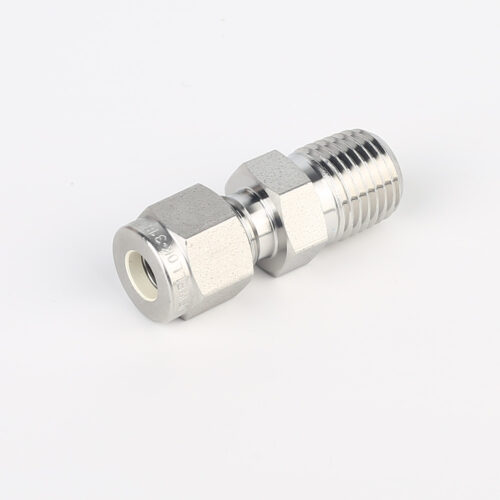
768L Stainless Steel Male Tube Butt Weld Connector | Clean Weld Fittings And Ultra-High Purity Fittings
-
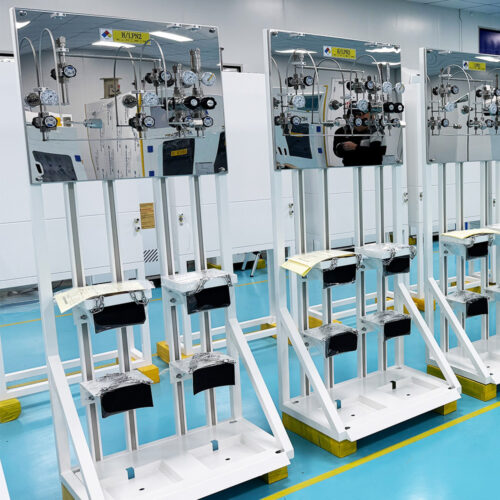
Manual Gas Rack High Purity Gas Delivery Systems JW-100-GR
-
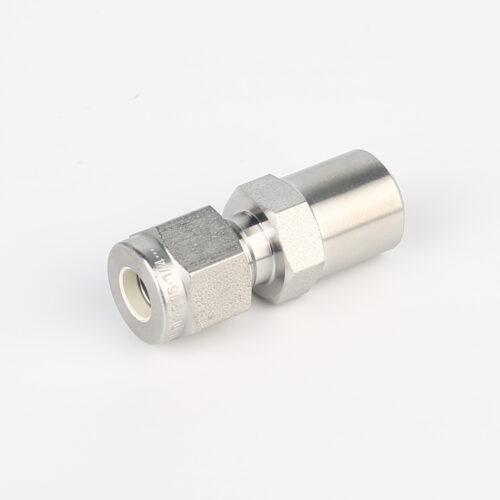
768LN Stainless Steel Male Pipe Tube Butt Weld Connector And Tube Fittings Supplier
-
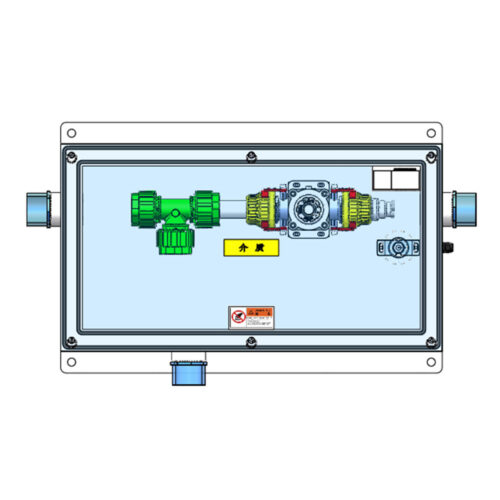
T-BOX JW-TB-C Special Gas Delivery System Gas Valve Manifold Boxes
-
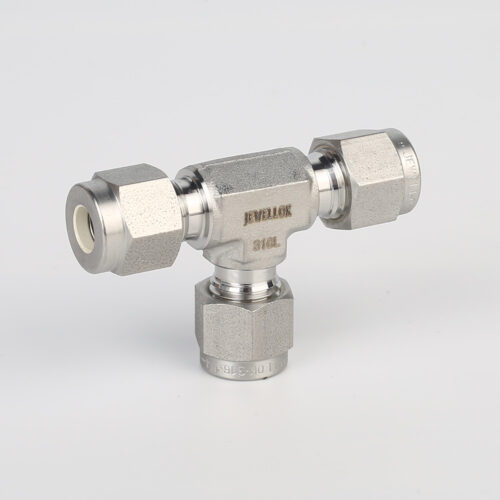
764L Stainless Steel Union Tee High Purity Fitting Union Tee Reducing Tubing Connection
-
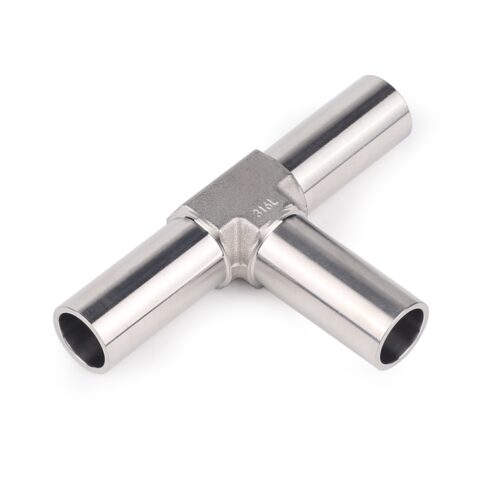
Stainless Steel Ultra Clean Welding Joint Fittings TW Series TRW Series & CW Series
-
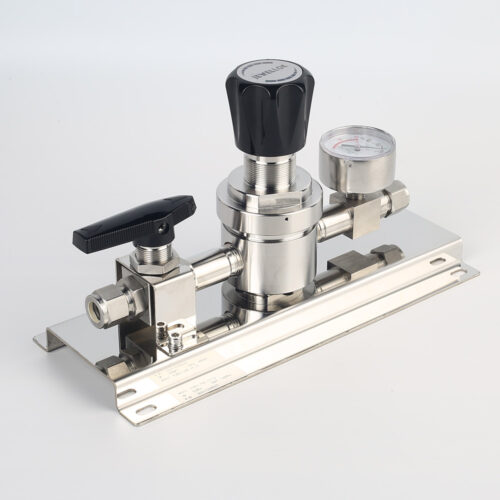
High Purity And Industria Gas Stick Assemblies Precise Pressure Control Gas Systems JSR-1ETG-BV Series
-
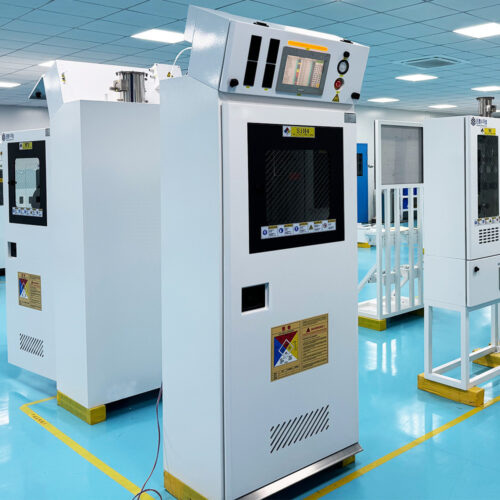
Fully Automated Gas Cabinet For Precise UHP Gas Delivery And High Purity Gas Delivery Systems JW-300-GC