
Valves Manufacturer Tel: +86 13380377051
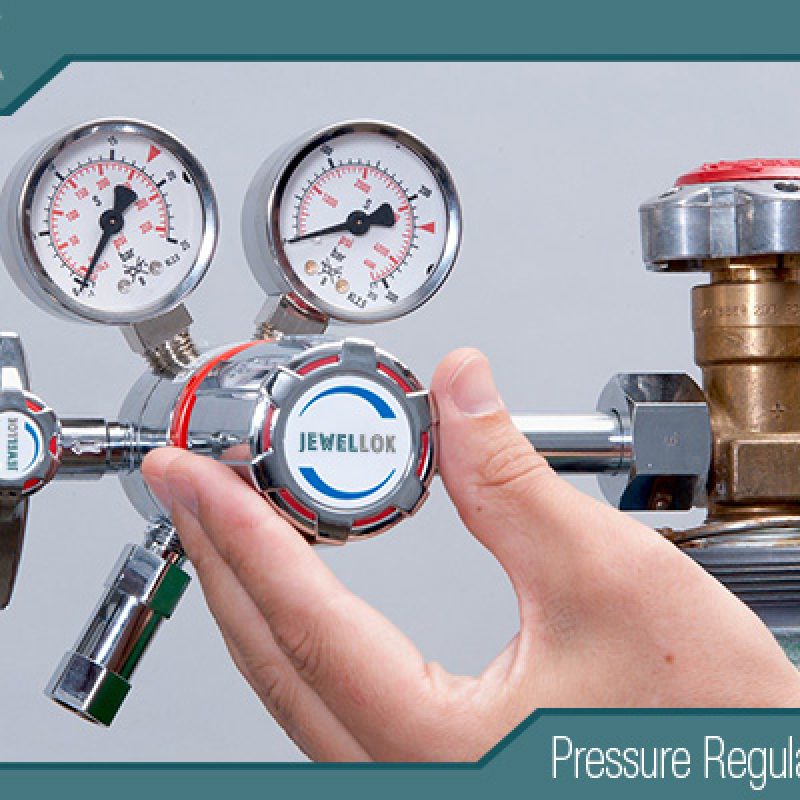
Beyond the Triple Challenge: Ultra-High Purity Regulators Designed for Corrosive, Toxic, and Flammable NH₃
Anhydrous ammonia (NH₃) is a cornerstone of modern industry, essential for fertilizer production, semiconductor manufacturing, and emerging as a key player in the green hydrogen economy. However, its aggressive chemical nature presents a formidable “triple challenge” to gas handling systems: it is corrosive, toxic, and flammable. Standard gas regulators are ill-equipped to handle NH₃, leading to contamination, catastrophic failure, and severe safety risks. This article delves into the specialized engineering of Ultra-High Purity (UHP) regulators designed explicitly to transcend these challenges, ensuring process purity, operational safety, and system longevity in the most demanding NH₃ applications.
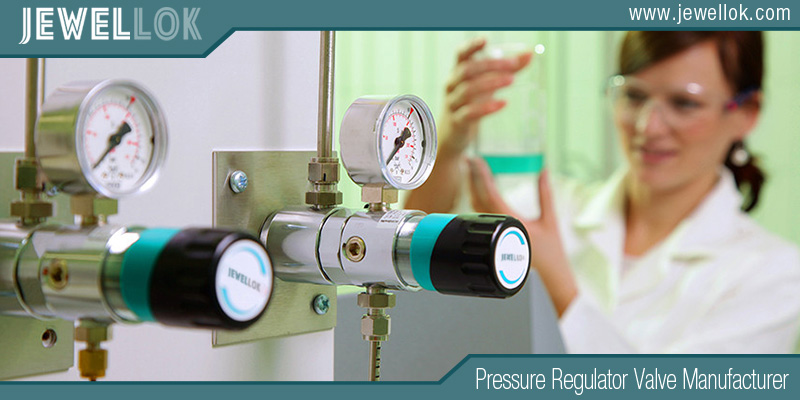
The Janus Face of Anhydrous Ammonia
Anhydrous ammonia (NH₃) is a chemical paradox. In agriculture, it is a vital source of nitrogen, the lifeblood of global food production. In semiconductor fabrication, it is a critical process gas for silicon nitride (Si₃N₄) deposition in Chemical Vapor Deposition (CVD) processes. Most recently, it has gained prominence as a high-density, carbon-free hydrogen carrier, poised to play a central role in the global energy transition.
Yet, this utility comes at a steep price. NH₃ is one of the most hazardous and demanding industrial gases to manage. Its triple-threat profile—corrosive, toxic, and flammable—pushes standard fluid system components to their absolute limits and beyond. When a standard regulator fails in an NH₃ service, the consequences can range from costly wafer scrapping due to contamination to a life-threatening toxic gas release or a devastating fire.
To safely and effectively harness the power of NH₃, engineers must look beyond conventional components and specify Ultra-High Purity (UHP) regulators purpose-built to neutralize these three distinct challenges. This requires a holistic engineering approach, from material selection and mechanical design to surface finishing and safety integration.
Deconstructing the Triple Challenge
Before exploring the solution, one must fully appreciate the adversary. The three challenges are not independent; they interact and exacerbate one another.
-
The Corrosive Assailant: Contrary to some assumptions, the corrosivity of dry, gaseous NH₃ is often manageable with common metals. The true threat emerges with the introduction of moisture, which is nearly impossible to eliminate entirely in industrial environments. NH₃ readily absorbs water vapor to form ammonium hydroxide (NH₄OH), a strong base. This alkaline solution aggressively attacks non-ferrous metals like copper, brass, and zinc—materials commonly found in standard regulators. This corrosion leads to the formation of metallic salts, which become a primary source of particulate contamination in UHP processes and can cause the regulator to seize or fail mechanically. Furthermore, NH₃ can cause “ammonia stress corrosion cracking” in certain high-strength steels under specific conditions, a catastrophic failure mode that occurs without significant warning.
-
The Toxic Threat: Ammonia’s toxicity is severe. The Occupational Safety and Health Administration (OSHA) sets the permissible exposure limit (PEL) at just 50 parts per million (ppm) over an eight-hour workday. Exposure to concentrations above 300 ppm is immediately dangerous to life and health (IDLH). A regulator is the primary interface between the high-pressure gas source and the process tool or point of use. Any leak, whether through a failed diaphragm, a compromised seat, or a permeating seal, represents a direct and immediate safety hazard to personnel. In a fab environment, a leak of even a few ppm can shut down an entire cleanroom.
-
The Flammable Hazard: While ammonia is difficult to ignite, it is classified as a flammable gas (NFPA 704 rating of 1) with a lower explosive limit (LEL) of 15% and an upper explosive limit (UEL) of 28% by volume in air. In confined spaces, a leak can create a flammable atmosphere. More critically, an NH₃ fire releases highly toxic nitrogen oxides (NOₓ). In the context of a regulator, a leak combined with an ignition source—such as the heat generated by a rapidly expanding gas or an electrical fault—can lead to a catastrophic fire directly at the gas panel.
Engineering the UHP Solution: A Multifaceted Approach
An UHP regulator designed for NH₃ is not merely a “modified” standard regulator. It is a ground-up engineered solution, where every component is scrutinized for its ability to withstand the triple challenge. The design philosophy centers on three pillars: Material Compatibility, Hermetic Sealing, and Surface Purity.
1. Material Science: The First Line of Defense
The battle against corrosion is won or lost in the choice of materials. For NH₃ service, the wetted materials—every surface that comes into contact with the gas—must be meticulously selected.
-
316L Stainless Steel (Low Carbon): This is the industry-standard body material for UHP regulators. The “L” denotes low carbon content (<0.03%), which minimizes the precipitation of chromium carbides at grain boundaries during welding. This preserves the material’s corrosion resistance. A critical enhancement is electropolishing. This electrochemical process removes a microscopically thin layer of metal, preferentially smoothing the surface, removing embedded contaminants, and enriching the surface layer with chromium. This chromium oxide (Cr₂O₃) passive layer is the true barrier against chemical attack. It is chemically stable in the presence of NH₄OH, provided the passivation layer is flawless and intact.
-
Elimination of Copper-Based Alloys: A regulator designed for NH₃ must be 100% free of brass, copper, and zinc in its wetted path. This is a non-negotiable design rule. Any internal component, from sensing lines to small fittings, must be made from compatible materials like 316L stainless steel or specific nickel alloys.
-
Elastomer and Polymer Selection: The seat and any seals are the most vulnerable points in a regulator. They must provide a positive shut-off while resisting chemical degradation and embrittlement. Standard elastomers like Buna-N (Nitrile) or Neoprene can swell, crack, or degrade rapidly in NH₃. The solution lies in high-performance perfluoroelastomers (FFKMs) like Kalrez® or Chemraz®. These materials offer near-universal chemical resistance, maintaining their sealing properties over a wide temperature range and resisting the aggressive attack of ammonium hydroxide. For the valve seat itself, materials like PCTFE (polychlorotrifluoroethylene) or advanced PEEK (polyetheretherketone) are preferred for their hardness, creep resistance, and dimensional stability under pressure, ensuring a leak-tight seal over thousands of cycles.
2. Mechanical Design: Ensuring Containment and Control
Beyond materials, the mechanical architecture of the regulator is paramount for safety and performance.
-
The Diaphragm Seal: Eliminating Dynamic Leaks: The single most common failure point in a standard regulator is the dynamic seal around the valve stem. This is typically an O-ring that seals a moving part, a design inherently prone to wear, friction, and eventual leakage. UHP regulators for toxic gases like NH₃ utilize a hermetically sealed diaphragm design. A stack of thin, precision-formed metal diaphragms is clamped at the perimeter between the body and the bonnet. The valve stem is attached to the center of this diaphragm stack, and when force is applied, the entire stack flexes to open or close the valve. This design completely eliminates the dynamic stem seal. The only potential leak path to the atmosphere is the static bonnet-to-body seal, which can be reliably sealed with a metal gasket or an FFKM O-ring. This ensures that the process gas is permanently contained within the regulator.
-
Pressure Control and Inlet Sensitivity: NH₃ has a high vapor pressure, which can fluctuate significantly with changes in ambient temperature. A well-designed regulator must handle these inlet pressure variations without “creep”—a gradual increase in downstream pressure. A balanced poppet design helps mitigate the effects of changing inlet pressure on the outlet pressure, providing stable and consistent flow control. This is critical for precise process control in semiconductor applications.
-
Internal Volume and Entrapment Zones: In UHP applications, minimizing internal volume is key to reducing purge times and preventing dead legs where moisture or contaminants can accumulate. A well-designed regulator features a streamlined flow path with minimal internal volume and no crevices or threads in the wetted area that could trap moisture and initiate corrosion.
3. Surface Finish and Cleanliness: The Purity Imperative
For semiconductor applications, purity is everything. Transition metals like iron, nickel, and chromium from the regulator body can act as contaminants, ruining the electrical properties of silicon wafers.
-
Surface Roughness (Ra): UHP regulators for critical processes are specified with a superior surface finish. A standard finish might be 20 Ra (micro-inches) or higher. A UHP regulator for NH₃ will have an electropolished finish of 10 Ra or better, often reaching 5 Ra. This ultra-smooth surface has fewer sites for particle entrapment and moisture adsorption. It is also easier to clean and dry during manufacturing.
-
Assembly and Packaging: The battle for purity continues in the assembly process. These regulators must be assembled in a Class 100 (ISO 5) or better cleanroom environment by technicians wearing specialized garments. Every component is meticulously cleaned, degreased, and packaged in nitrogen-purged, double-bagged containers to prevent contamination during storage and installation. The goal is to deliver a regulator that is “furnace-ready,” requiring no additional user cleaning before installation.
The “Triple Challenge” Mitigated: A Synergistic Solution
When these engineering principles are combined, the result is a regulator that actively mitigates all three of NH₃’s threats:
-
Corrosion Mitigated: The electropolished 316L stainless steel body and compatible internals (FFKM, PCTFE) resist the formation of ammonium hydroxide and its corrosive effects, preventing salt formation and stress cracking. The smooth surface minimizes nucleation sites for corrosion and particle generation.
-
Toxicity Mitigated: The hermetically sealed diaphragm design ensures zero fugitive emissions to the atmosphere. The static seals, made from chemically resistant FFKM, guarantee long-term containment, protecting personnel and the environment from this toxic gas.
-
Flammability Mitigated: By eliminating leaks, the regulator removes the fuel source from the ignition triangle. Furthermore, the robust construction and use of non-reactive materials prevent catastrophic failures that could generate heat or sparks in the presence of an NH₃ release.
Operational Benefits and Industry Compliance
Investing in a purpose-built UHP regulator for NH₃ provides tangible operational and financial benefits:
-
Extended Mean Time Between Failures (MTBF): Robust construction and material compatibility lead to longer service life and reduced downtime for maintenance or replacement.
-
Lower Cost of Ownership: While the initial purchase price is higher than a standard regulator, the extended lifespan, reduced maintenance, and prevention of catastrophic failures or product contamination result in a significantly lower total cost of ownership.
-
Process Stability: Stable outlet pressure and freedom from particulate shedding ensure consistent process results, which is critical for high-yield semiconductor manufacturing.
-
Compliance with Standards: These regulators are designed to meet or exceed stringent industry standards, such as SEMI F20 (for UHP gas distribution systems) and various safety codes from organizations like ASME and CGA (Compressed Gas Association).
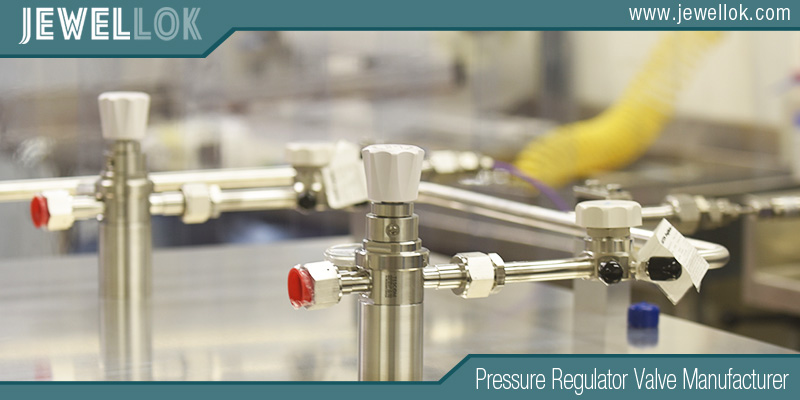
Conclusion
Anhydrous ammonia, with its corrosive, toxic, and flammable nature, represents one of the most severe challenges in industrial gas handling. To treat it with components designed for inert gases is to invite disaster. The Ultra-High Purity regulator designed for NH₃ is a testament to advanced engineering, a device where material science, precision mechanics, and contamination control converge.
By deploying regulators with electropolished 316L stainless steel bodies, hermetically sealed diaphragms, and chemically resistant polymer seats, industries can confidently and safely unlock the full potential of ammonia. From feeding the world through fertilizer production to powering the next generation of microchips and enabling a sustainable hydrogen economy, the humble regulator plays an outsized role. It stands as the silent, reliable guardian, successfully operating beyond the triple challenge to ensure that ammonia’s benefits can be reaped without succumbing to its risks.
For more about beyond the triple challenge: ultra-high purity regulators designed for corrosive, toxic, and flammable NH₃, you can pay a visit to Jewellok at https://www.jewellok.com/ for more info.
-
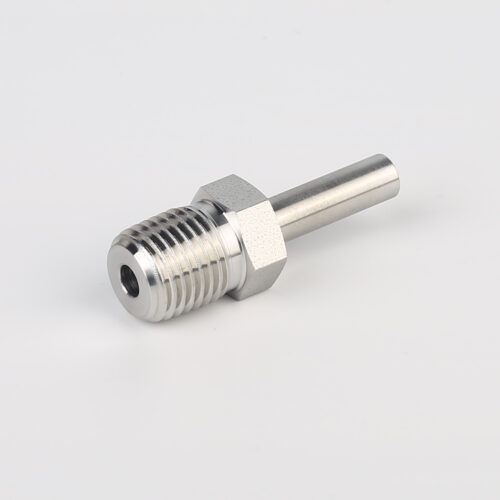
739 High Purity LMR Male Adapter Tube To Pipe Fittings And Adapters
-
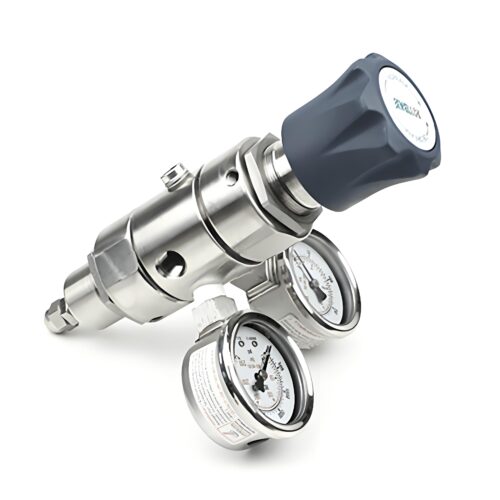
DPR1 Ultra High Purity Two Stage Dual Stage Pressure Reducing Regulator Semiconductor Grade Regulators
-
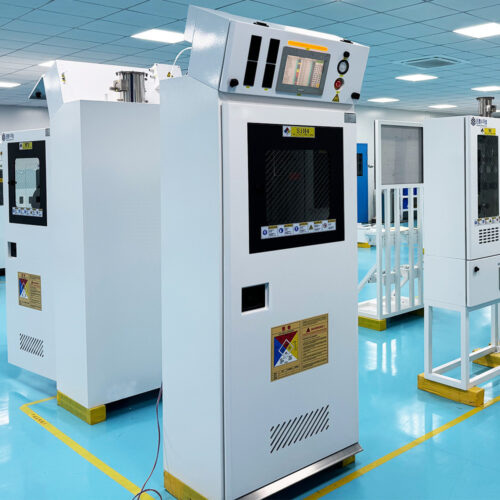
Ultra High Purity Trimethylaluminum TMA Gas Cabinet Liquid Delivering Cabinet Used For Specialty Gas Delivery System In Semiconductor
-
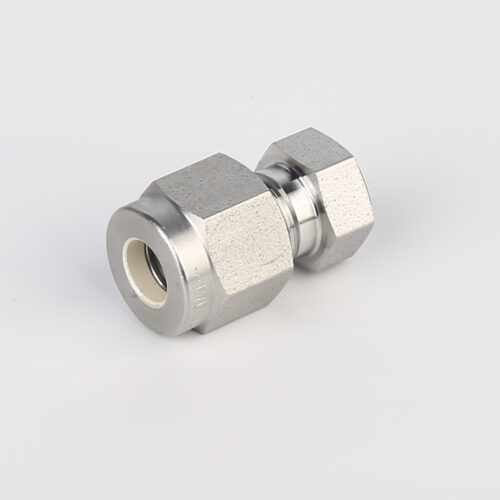
7108L Cylinder Cap Connectors For Ultra High Purity Gases
-
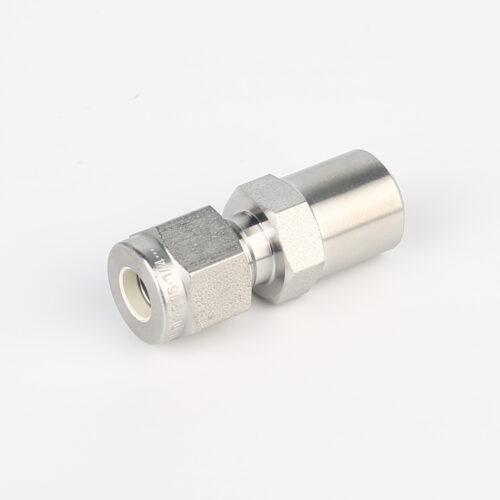
768LN Stainless Steel Male Pipe Tube Butt Weld Connector And Tube Fittings Supplier
-
Medical Oxygen Single Stage Manual Gas Changeover Manifold Panel High-Purity Two-Stage Manual Gas Manifold Gas Pressure Control Panels
-
Semi Automatic And Automatic Switching Speicialty Gas Changeover Manifold Panel With Semiconductor Valve Manifold Box Gas Pressure Regulators
-
Automatic Gas Switchover System Automatic Switchover Manifold Automatic Gas Cylinder Switchover