
Valves Manufacturer Tel: +86 13380377051
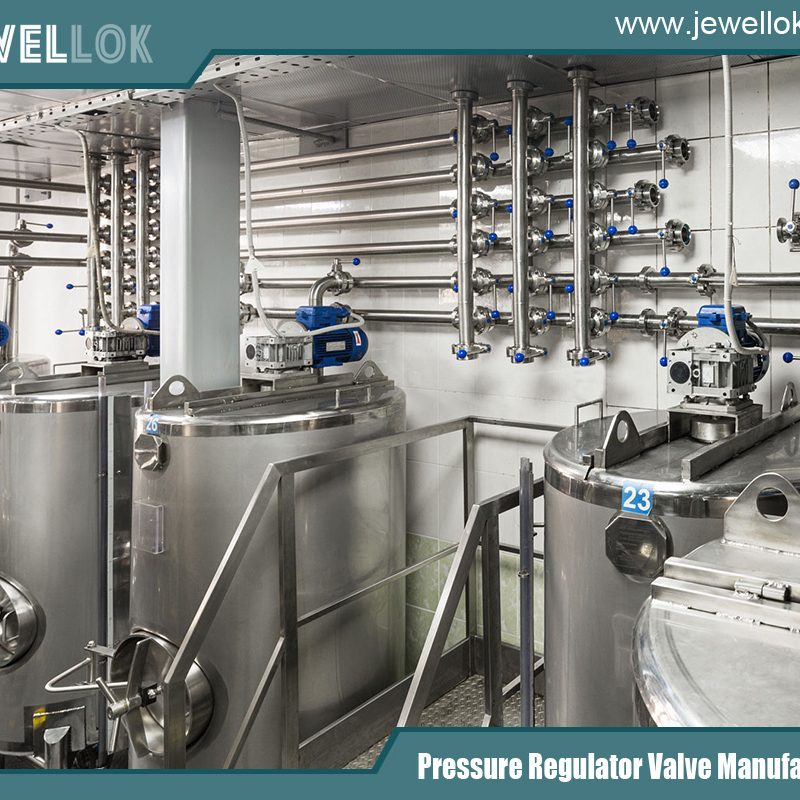
CO2 Diaphragm Valves for Beverage Carbonation and Food Grade Applications
In the bustling world of beverage production and food processing, precision, safety, and hygiene are non-negotiable. At the heart of many of these processes—from the crisp carbonation in a soda or craft beer to the controlled gas environments in food packaging—lies a critical but often overlooked component: the CO2 diaphragm valve. Unlike general-purpose industrial valves, CO2 diaphragm valves are engineered to meet the stringent demands of handling carbon dioxide in consumable product applications. Their design ensures not only precise flow control of a sometimes-tricky gas but also guarantees product purity and operational safety. This article delves into the engineering principles, material science, and application-specific design of CO2 diaphragm valves, highlighting their indispensable role in modern beverage carbonation and food-grade systems.
The Fundamental Design: Why Diaphragm?
A diaphragm valve operates on a simple yet highly effective principle. It uses a flexible membrane (the diaphragm) to isolate the valve mechanism and actuator from the process fluid. When the actuator (manual handwheel, pneumatic, or electric) is engaged, it pushes a compressor onto the diaphragm, which then deflects to seal against a weir or saddle in the valve body, shutting off the flow.
For CO2 service, this design offers several critical advantages:
-
Leak-Tight Integrity: CO2 is a small-molecule gas that can easily escape through microscopic gaps in packed glands or seals found in other valve types like globe or ball valves. The diaphragm acts as a single, static, and resilient seal, virtually eliminating stem leakage—a crucial safety factor given CO2’s ability to displace oxygen in confined spaces.
-
Contamination-Free Flow: The process media (CO2 and any downstream beverage or food product) only contacts the valve body and the diaphragm. There are no internal crevices, cavities, or shaft seals where stagnant product, moisture, or bacteria can accumulate. This makes cleaning and sterilization (CIP – Clean-in-Place) highly effective.
-
Corrosion and Hygiene: Specially selected diaphragm and body materials resist the mild carbonic acid formed when CO2 mixes with moisture. The smooth, crevice-free flow path prevents bacterial harborage and meets strict sanitary standards.
-
Precise Control: While excellent for on/off service, diaphragm valves can also be designed for fine throttling control, essential for managing the delicate carbonation process where precise pressure and flow rates are paramount.
Material Science: Building Blocks for Safety and Purity
The selection of materials for CO2 diaphragm valves is governed by food safety regulations, mechanical performance, and compatibility with cleaning agents.
Body Materials:
-
Stainless Steel (AISI 316L / 1.4404): The industry standard. Its excellent corrosion resistance, mechanical strength, and smooth surface finish (often electropolished to Ra < 0.8 µm) make it ideal. 316L’s low carbon content prevents carbide precipitation during welding, preserving corrosion resistance.
-
Bronze: Sometimes used in less critical CO2 gas line applications but generally avoided in direct product contact zones in modern food and beverage plants due to potential copper leaching.
Diaphragm Materials – The Heart of the Valve:
The diaphragm is the most critical component. It must be flexible, durable, chemically resistant, and compliant with food contact regulations.
-
PTFE (Polytetrafluoroethylene): Offers outstanding chemical resistance and high-temperature capability. It is inert and approved for food contact. However, pure PTFE is relatively stiff. Modern valves often use:
-
PTFE with Elastomer Backing: A composite where a PTFE surface contacts the media, backed by an elastomer (like EPDM or FKM) for improved flexibility and sealing force.
-
Modified PTFE: Grades designed for improved flexibility and longer cycle life.
-
-
EPDM (Ethylene Propylene Diene Monomer): A common, cost-effective elastomer with good resistance to weak acids (like carbonic acid), steam, and alkalis. It is widely used for CO2 and water applications but is not suitable for oils or fats.
-
FKM/FPM (Fluoroelastomer, e.g., Viton®): Used for applications requiring resistance to higher temperatures, more aggressive cleaning chemicals, or where minor trace oils might be present in compressed CO2 lines.
All elastomeric components must comply with FDA 21 CFR and EU Regulation 10/2011 standards, ensuring no harmful substances migrate into the product.
Seals and Gaskets: Typically made from EPDM or FKM, complementing the diaphragm material choice for a unified sealing system.
Technical Specifications and Performance Parameters
When specifying a CO2 diaphragm valve for beverage or food service, engineers must evaluate several key parameters:
-
Pressure Rating: CO2 systems operate at various pressures. For carbonation, dissolved CO2 tanks (carb stones) may operate at 2-3 bar, while high-pressure gas supply lines can be at 10-15 bar or higher. Valves are typically rated for a maximum working pressure (e.g., PN16, 10 bar g) and must be selected with a safety margin.
-
Temperature Range: Must withstand process temperatures (often 0-40°C for beverages) and CIP/SIP (Steam-in-Place) temperatures, which can range from 85°C hot water sanitization to 121°C short-term steam sterilization.
-
Flow Coefficient (Cv/Kv): A measure of the valve’s flow capacity. Correct sizing is essential to achieve desired carbonation rates without excessive pressure drop. Undersized valves restrict flow; oversized valves can lead to poor control.
-
End Connections: Sanitary fittings are mandatory in product contact zones. These include:
-
Tri-clamp (Sanitary Clamp): The most common, allowing for quick disassembly.
-
DIN 11851: A threaded sanitary standard.
-
ISO 2853 (Bevel Seat): A newer, crevice-free standard gaining popularity.
-
Butt Weld: For permanent, clean installations.
-
-
Actuation: Manual handles are common. For automated lines, pneumatic actuators are standard, enabling integration into PLC-controlled processes for precise timing and sequencing of carbonation steps.
Application Deep Dive: Beverage Carbonation
The carbonation process is a delicate balance of science. CO2 is dissolved into a liquid under controlled pressure and temperature. Diaphragm valves play several vital roles in this system:
-
CO2 Supply and Regulation: High-pressure CO2 from bulk tanks is reduced via regulators. Diaphragm valves act as reliable shut-off valves on the gas supply line to regulators, carbonation tanks, and inline carbonators.
-
Inline Carbonation Control: In modern continuous carbonation systems, de-aerated product and CO2 are mixed under high pressure in a centrifugal pump or static mixer. A bank of precisely throttled diaphragm valves is often used to control the CO2 injection rate into the stream, responding to real-time feedback from dissolved oxygen (DO) and CO2 sensors.
-
Tank Carbing (Batch Process): For craft breweries or batch soda production, CO2 is diffused into a tank of product. A diaphragm valve on the tank’s gas inlet provides robust, leak-free control during the pressurization and holding phases.
-
Beverage Gas Blends: For beers and some soft drinks, a blend of CO2 and Nitrogen (Beer Gas) is used. Diaphragm valves compatible with both gases are used on the blending panel and distribution lines.
The valve’s cleanability is paramount here. Sugar-rich beverages are excellent microbial growth mediums. Any valve in the product or gas path must withstand daily CIP cycles with caustic and acid solutions without degradation.
Application Deep Dive: Food Grade and Packaging
Beyond carbonation, CO2 is vital in Modified Atmosphere Packaging (MAP) and other food preservation techniques. Here, its role is often to displace oxygen, inhibiting spoilage.
-
MAP Gassing Tunnels: As food trays move through a packaging machine, a specific gas mixture (often high in CO2 for meats and fish, lower for salads) flushes the package. Diaphragm valves on the gas manifold provide the on/off or proportional control for each gas component, ensuring the exact blend is delivered.
-
Cryogenic Freezing and Chilling: Liquid CO2 (LCO2) or Nitrogen is sprayed onto food. Valves controlling this flow must handle extremely low temperatures (as low as -78°C for LCO2) without becoming brittle. Specially designed diaphragm valves with low-temperature elastomers are used.
-
Blanketing and Purging: CO2 can be used to blanket tanks of sensitive ingredients (like fruit purees) or purge oxygen from processing lines before production. The valve’s leak-tightness is critical to maintain the inert atmosphere and prevent product oxidation.
In all food-grade applications, the valve’s material certifications and cleanability directly impact HACCP plans and overall food safety.
Installation, Maintenance, and Best Practices
Even the best valve will underperform if improperly installed or maintained.
-
Installation: Valves should be installed with attention to flow direction (if marked), with sufficient space for actuator movement and diaphragm replacement. Supports should be used to avoid stress on sanitary connections. Systems should be thoroughly purged before introducing CO2.
-
Preventive Maintenance: The diaphragm is a wear item. A proactive replacement schedule based on cycle count and time (considering CIP chemical exposure) is far cheaper than an unplanned failure. Maintenance kits typically include the diaphragm, stem O-rings, and body seal.
-
Troubleshooting: Common issues include:
-
External Leakage: Usually from a damaged body seal or over-torqued clamp connection.
-
Failure to Seal/Leakage Through: Often caused by a worn, cut, or deformed diaphragm, or debris on the valve seat.
-
Stiff Operation: Can indicate a failing diaphragm, corrosion, or issues with the actuator.
-
The Future: Smart Valves and Industry 4.0
The evolution of CO2 diaphragm valves is aligning with the smart factory trend. Next-generation valves feature:
-
Integrated Sensors: Position sensors to provide real-time open/closed feedback to the control system.
-
Wireless Communication: Enabling valve health monitoring (cycle counts, predictive maintenance alerts) via Industrial IoT (IIoT) platforms.
-
Advanced Materials: Development of even more durable, chemical-resistant, and low-permeability diaphragm materials to extend service life and reduce gas loss.
Conclusion
CO2 diaphragm valves are far more than simple shut-off devices; they are precision-engineered guardians of product quality, safety, and efficiency in the beverage and food industries. Their unique diaphragm design provides the leak-tight integrity required for a fugitive gas like CO2, while their hygienic, crevice-free construction supports the stringent cleanliness standards demanded by these sectors. From ensuring the perfect fizz in a carbonated drink to preserving the freshness of packaged food, these valves operate silently and reliably in the background. Understanding their design, materials, and proper application is crucial for process engineers, plant managers, and technicians aiming to optimize their operations, ensure regulatory compliance, and deliver safe, high-quality products to consumers worldwide. As technology advances, these valves will continue to evolve, becoming smarter and more integrated into the automated, data-driven food and beverage plants of the future.
For more about CO2 diaphragm valves for beverage carbonation and food grade applications, you can pay a visit to Jewellok at https://www.jewellok.com/ for more info.
-
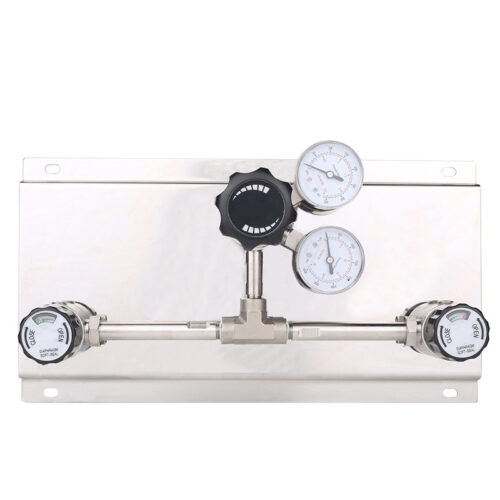
High Pressure High Flow Specialty Gas Control Panel With Diaphragm Valve , 3000Psig Oxygen Control Medical Changeover Manifold Panel
-
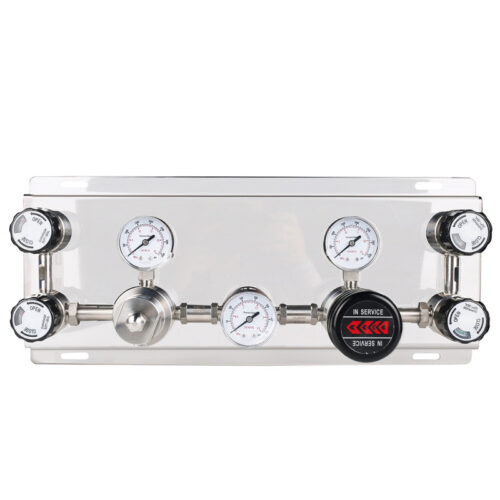
Semi Automatic And Automatic Switching Speicialty Gas Changeover Manifold Panel With Semiconductor Valve Manifold Box Gas Pressure Regulators
-
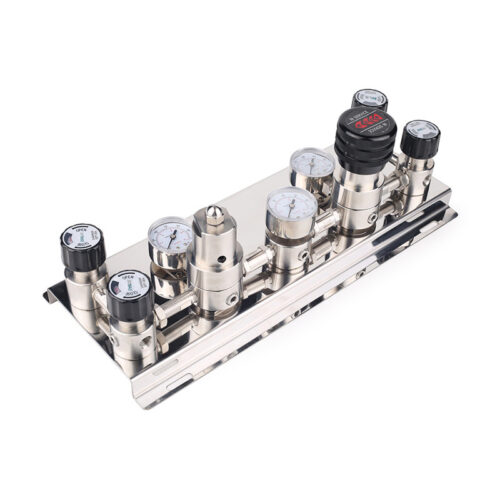
Automatic Gas Switchover System Automatic Switchover Manifold Automatic Gas Cylinder Switchover
-
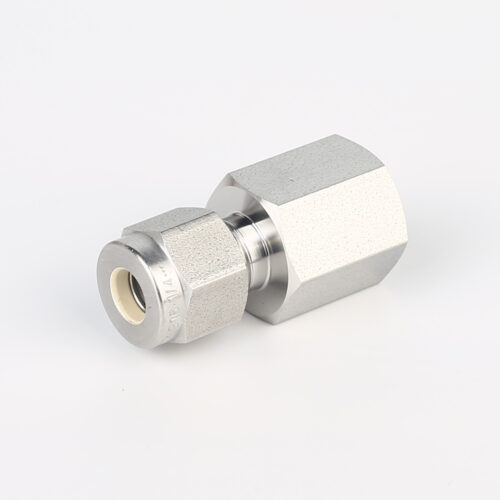
766L High Purity Female Connector UHP Fitting Female Connector
-
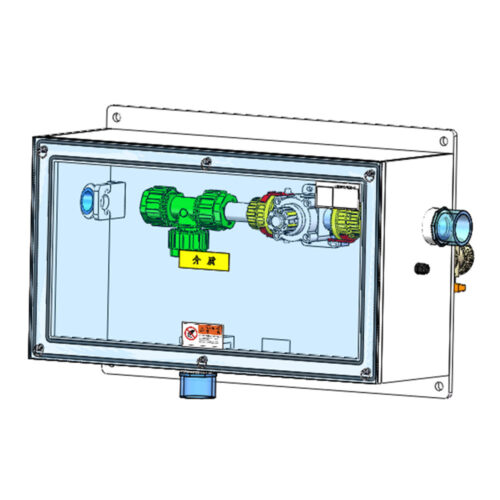
Scrubber Tail Gas Treatment Cabinet Waste Gas Treatment Wet Scrubber Exhaust Gas Treatment Spray Tower
-
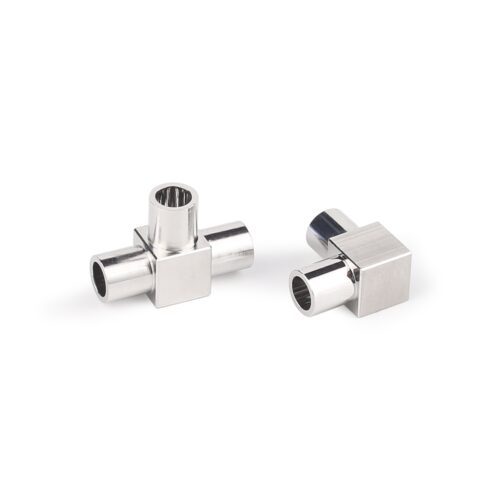
Stainless Steel Mini Elbow Mini Tee Mini Cross Mini Tribow Ultrahigh Purity Mini Butt Weld Fittings
-
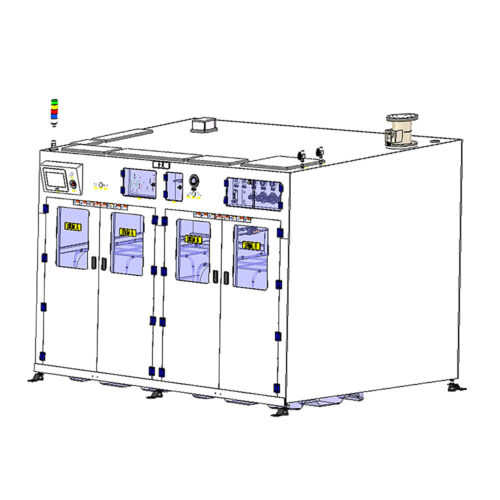
High Purity Chemical Dispense System & Packing System For Semiconductors JW-200L-CDM & JW-1000L-CDM
-
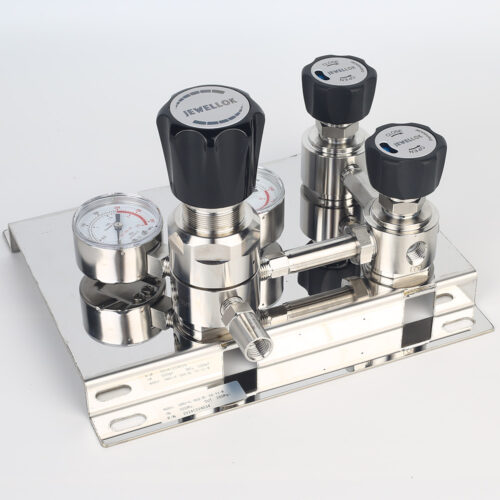
Stainless Steel 316L Single Stage Regulator Pressure Control Panels JSP-1E Series For Semiconductor Fluid Control