
Valves Manufacturer Tel: +86 13380377051
How to Choose a Gas Cylinder Manifold System
For facilities relying on gases—whether for medical applications, laboratory research, manufacturing, or welding—the consistent, safe, and efficient delivery of these gases is paramount. While individual cylinders suffice for low-volume use, operations with higher demand face logistical nightmares: frequent cylinder changes, pressure fluctuations, and inherent safety risks. This is where a gas cylinder manifold system becomes not just an upgrade, but an operational necessity.
Choosing the right manifold system is a critical engineering and safety decision. An ill-suited system can lead to downtime, contamination, hazardous leaks, or failure to meet demand. This guide provides a comprehensive, technical framework to navigate the selection process, ensuring you specify a system that is safe, reliable, and optimized for your specific application.
Understanding the Basics: What is a Manifold System?
A gas cylinder manifold system is an assembly that connects multiple gas cylinders to a common header, which then feeds into a centralized distribution pipeline. Its primary functions are:
- Continuous Supply: Automatically switches from a primary bank of cylinders to a reserve bank as the primary depletes, ensuring an uninterrupted gas flow.
- Centralization: Replaces numerous individual cylinder points with a single, managed supply source.
- Pressure Regulation: Steps down high cylinder pressure to consistent, usable line pressure for the facility.
- Safety Enhancement: Isolates the high-pressure source from the downstream system and incorporates numerous safety devices.
Core Components:
- Cylinder Yokes or Connection Points: Secure the cylinders to the system.
- Header or Common Line: The pipe that combines gas from all connected cylinders.
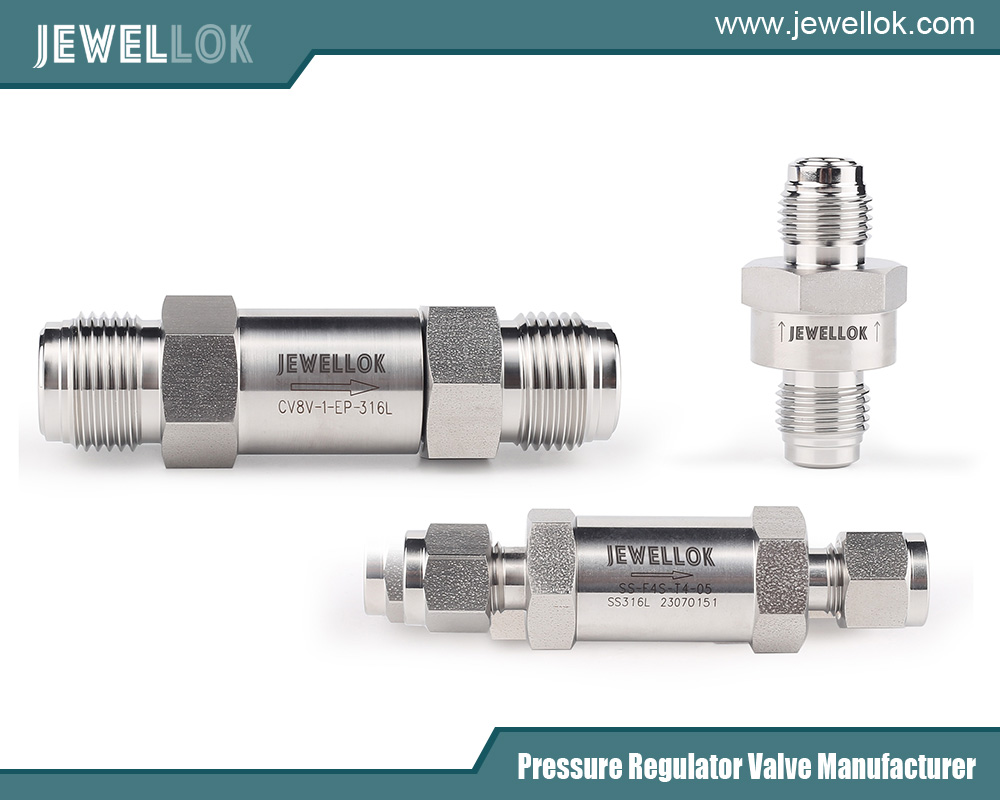
- Check Valves: Prevent backflow from the header into an empty cylinder.
- Changeover Unit: The heart of the system. It monitors pressure and automatically (or manually) switches to the reserve bank. Includes alarms to signal depletion.
- Main Isolation Valves: Allow sections of the system to be shut off for maintenance.
- Pressure Regulators: Reduce cylinder pressure (e.g., 200 bar) to a stable line pressure (e.g., 4-10 bar).
- Relief Valves: Protect the system from over-pressurization.
- Vent Line: Safely vents gas from the changeover device or relief valves to a safe exterior location.
- Monitoring & Alarm Panel: Provides status indicators (e.g., “In Use,” “Reserve in Use,” “Fault”) and can integrate with building management systems.
Defining Your Requirements: The Critical First Step
Before looking at products, meticulously define your parameters.
- Gas Properties & Purity:
- Gas Type: This is the foremost determinant. Systems are gas-specific and must never be interchanged.
- Oxidizing Gases (Oxygen, Nitrous Oxide): Require meticulously oil-free, clean-for-oxygen service (CFO) components. Even trace hydrocarbons can cause violent explosions. All wetted materials must be compatible.
- Flammable Gases (Hydrogen, Acetylene, Methane): Require flashback arrestors, special grounding for static electricity, and vent lines routed to safe locations away from ignition sources.
- Inert Gases (Nitrogen, Argon, Helium): Generally have the widest material compatibility but still require systems designed for high pressure.
- Corrosive/Toxic Gases (Carbon Dioxide, Ammonia, Chlorine): Demand compatible materials (e.g., stainless steel for moisture-laden CO2, Monel for chlorine) and may require double containment or enhanced leak detection.
- Purity Grade: Ultra-high purity (UHP, 99.999%) or semiconductor-grade gases require electropolished stainless steel (EPSS) tubing, ultra-clean valve seats (e.g., diaphragm seals), and proper purging procedures to maintain integrity. Standard industrial grades may use copper or brass.
- Demand & Capacity Analysis:
- Peak Consumption Rate (Cubic Meters/Hour or Liters/Minute): Calculate the maximum simultaneous usage from all points of use. This determines the required flow capacity of the manifold and header piping.
- Daily/Weekly Consumption: Determine the total volume used over a standard period.
- Cylinder Size & Quantity: Based on consumption and desired frequency of cylinder changes. A common rule is to size the primary bank to last 1-2 weeks during normal operation, with an equal-sized reserve.
- Example: A facility uses 4x 50-liter cylinders of oxygen per week. A 2×2 manifold (2 primary, 2 reserve) would require weekly changes. An 8×8 system would allow less frequent changes and provide greater buffer.
- Operational Pressure Parameters:
- Supply Pressure: The pressure from your cylinders (e.g., 137 bar for acetylene, 200-300 bar for high-pressure gases).
- Required Outlet Pressure: The consistent pressure needed for your laboratory inlets, workshop lines, or medical gas pipelines (e.g., 4.5 bar for medical air, 7 bar for welding gas).
- Flow Requirements: Ensure the regulator and valve orifice sizes can handle your peak flow without excessive pressure drop (“droop”).
Key Selection Criteria: Building Your System
With requirements defined, evaluate systems against these criteria.
- Automatic vs. Manual Changeover:
- Automatic Changeover: The standard for critical applications (hospitals, continuous processes). Provides seamless transition, alarms when reserve is engaged, and is essential for unattended operations.
- Manual Changeover: Lower cost. Requires an operator to physically switch valves when the primary bank empties. Risk of supply interruption. Suitable only for non-critical, attended applications.
- Material of Construction:
- Brass: Common for non-corrosive, standard-purity industrial gases (N2, Ar, O2 at lower purities). Cost-effective.
- Stainless Steel (304, 316L): Essential for corrosive gases, high-purity applications, and moisture-sensitive gases like CO2. 316L offers superior corrosion resistance. Electropolished for UHP.
- Copper: Traditionally used for medical gas pipelines (oxygen, medical air) due to its natural bacteriostatic properties and workability.
- Component Internals: Diaphragm seals are preferable to gland pack seals for maintaining purity and preventing leakage.
- Safety Features (Non-Negotiable):
- Gas-Specific Design: As stated, the system must be built for your specific gas.
- Non-Interchangeable Connections (NIST, DISS, CGA): Prevent accidental connection of the wrong gas cylinder.
- Check Valves: On each cylinder leg to prevent backflow.
- Pressure Relief Devices: Thermal relief valves on sections of trapped pipe, and system relief valves.
- Adequate Venting: The changeover device and relief valves must vent to a safe atmosphere. Vent lines must be sized correctly, sloped to drain condensation, and made of compatible material.
- Leak Detection: For toxic or flammable gases, consider fixed gas detectors in the manifold room.
- Robust Enclosure & Signage: Manifolds should be in a well-ventilated, secure area with clear gas identification labels and hazard warnings.
- Regulatory Compliance & Standards:
The manifold system mustcomply with all relevant local and international codes. These typically include:
- ISO 7396-1: Medical gas pipeline systems.
- NFPA 99 (US): Healthcare Facilities Code.
- HTM 02-01 (UK): Medical gas pipeline systems.
- AS 4332 (AU): The storage and handling of gases in cylinders.
- Pressure Equipment Directive (PED 2014/68/EU): For equipment operating above 0.5 bar.
- Local building, fire, and occupational safety codes.
- Scalability & Future-Proofing:
- Can the system be easily expanded by adding more cylinder connections?
- Is the header pipe sized to accommodate potential future increases in flow demand?
- Does the alarm panel have capacity for additional remote alarms or BMS integration?
The Procurement & Installation Process
Choosing the product is only half the battle. Proper execution is vital.
- Specialist Engagement:Work with a qualified gas system installer or engineer. Do not treat this as a generic plumbing job.
2. Detailed Design:The installer should provide piping and instrumentation diagrams (P&IDs), layout plans, and ventilation calculations.
3. Location & Room Design:
* Ventilation: Must be well-ventilated, preferably with forced extraction at floor level (heavier-than-air gases) and ceiling level (lighter-than-air gases).
* Security: Restricted access to prevent tampering.
* Environment: Protected from extremes of temperature, corrosion, and physical damage.
* Cylinder Handling: Adequate space for safe cylinder delivery, handling, and storage.
4. Commissioning & Certification:
* Pressure & Leak Testing: The entire installed system must be strength-tested and leak-tested according to standards.
* Purity Verification: For medical or UHP systems, the pipeline must be validated for particulate and hydrocarbon contamination (for oxygen) or moisture content.
* Proper Documentation: Receive as-built drawings, test certificates, material safety data sheets (MSDS), and a comprehensive operation and maintenance (O&M) manual. - Operation, Maintenance, and Training
A system is only as good as its upkeep.
- Training: Staff responsible for cylinder changes must be trained in the specific procedures, hazard awareness, and emergency shutdown protocols.
- Preventive Maintenance: Establish a scheduled maintenance contract with the supplier or a qualified engineer. This typically includes annual inspection of regulators, changeover mechanisms, relief valves, and alarms.
- Cylinder Management: Implement a strict “first-in, first-out” rotation and always keep reserve cylinders full. Never allow both banks to be depleted.
Conclusion
Selecting a gas cylinder manifold system is a significant investment in operational integrity and safety. There is no one-size-fits-all solution. By methodically working through this guide—defining your gas properties and demand, understanding the critical technical criteria, engaging qualified specialists, and planning for long-term maintenance—you will move beyond a simple purchase to engineering a vital utility system.
The most cost-effective manifold is not the cheapest, but the one that delivers uninterrupted, pure gas safely for years, minimizes operational downtime, and provides peace of mind through rigorous compliance and robust design. Invest the time in the selection process, and your manifold system will become a reliable, silent partner in your facility’s success.
For more about how to choose a gas cylinder manifold system, you can pay a visit to Jewellok at https://www.jewellok.com/ for more info.
-
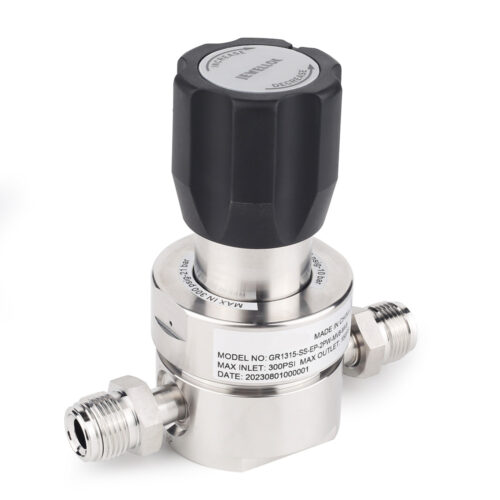
JR1300 Series Ultra High Purity Single Stage Regulator High Flow Line Regulator For Ultra High Purity Intermediate Flow
-
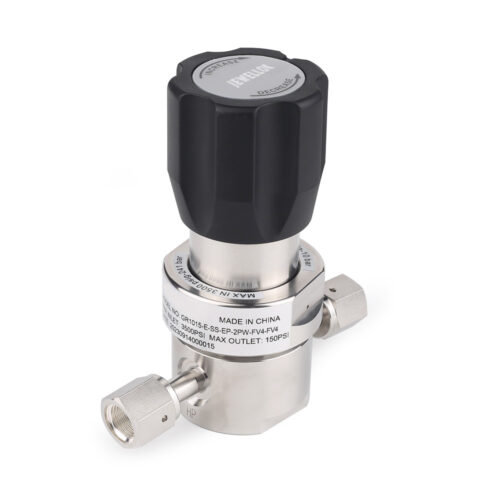
JR1000 Series UHP Ultra High Purity Single Stage Pressure Reducing Regulator And Low To Intermediate Flow
-
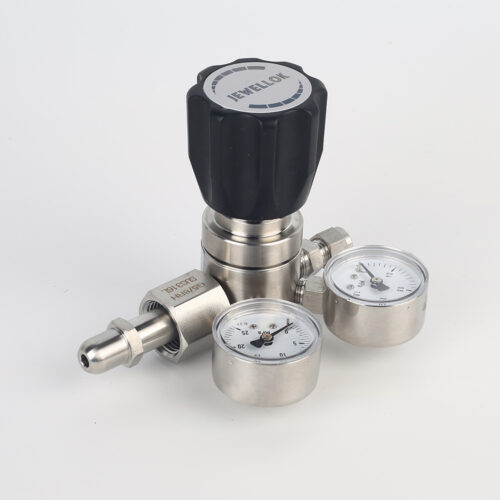
High Purity High Pressure Gas Cylinder Pressure Regulators Pressure Reducing Valve JSR-1E Series
-
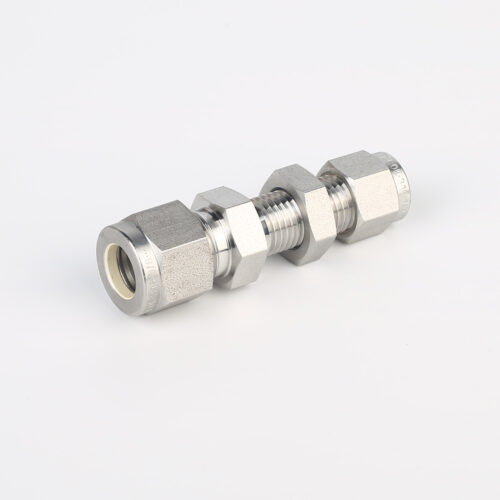
775L Bulkhead Reducing Union | Stainless Steel High Purity Double Ferrule Bulkhead Reducing Unions
-
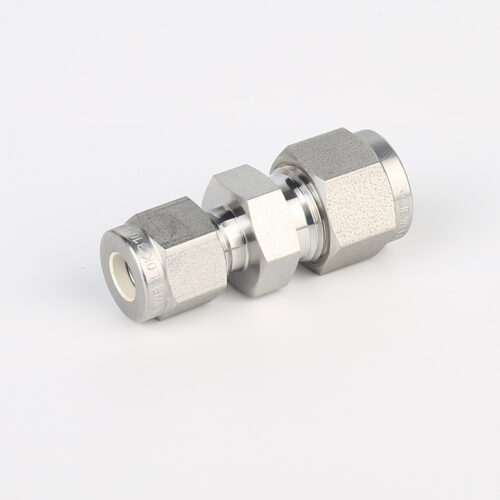
763L Stainless Steel High Purity Pressure Reducing Union Fittings And Tubing Pressure Reducing Valve Adjustment
-
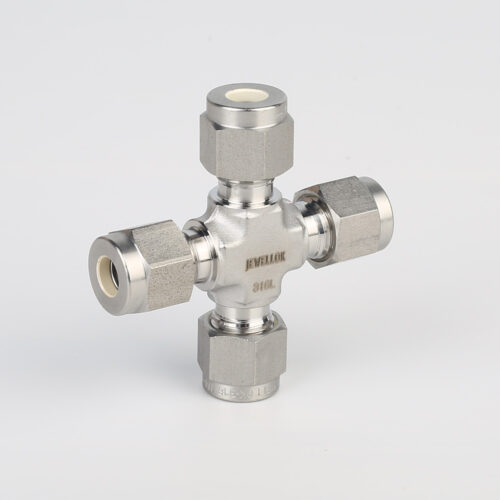
7102L Stainless Steel 316L SS Union Cross Ultra High Purity Long Arm Union Elbow Tee Cross Butt Weld Fittings
-
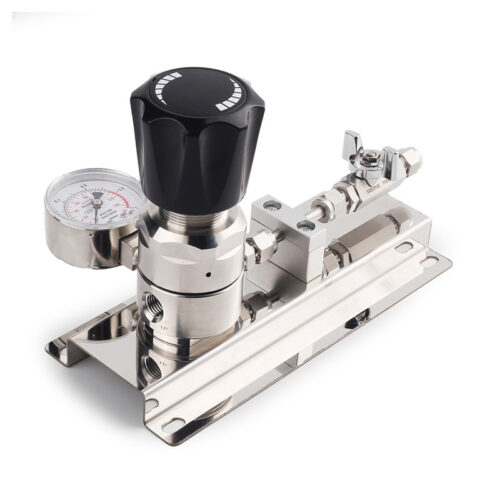
Ultra High Purity Stainless Steel Compressed Gas Changeover Manifold Panel System For Integrated Gas Supply System
-
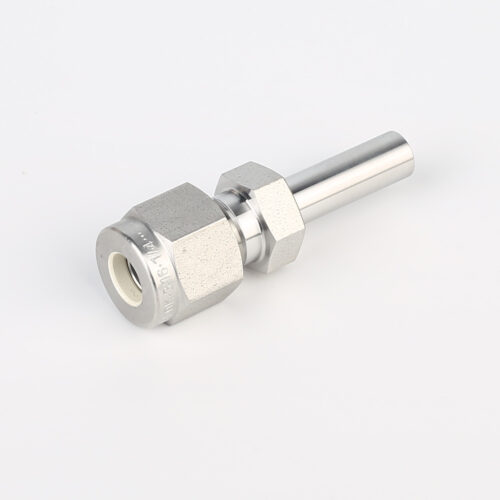
767LT Reducer Pressure Reducing Valve Adjustment High purity Pressure Reducing Union Fittings And Tubing