
Valves Manufacturer Tel: +86 13380377051
How to Choose an Ultra High Purity CO2 Pressure Reducing Valve
The selection of a pressure reducing valve for ultra-high purity carbon dioxide (CO2) is a critical decision that impacts the integrity, safety, and performance of sensitive applications. From semiconductor fabrication and pharmaceutical manufacturing to advanced laser systems and food-grade beverage carbonation, the demand for gas at a stable, controlled pressure, free of contaminants, is paramount. An unsuitable regulator can introduce particulates, cause pressure fluctuations, or leach impurities, leading to product defects, process instability, and costly downtime.
Choosing the correct valve transcends simply matching inlet and outlet pressures. It requires a forensic examination of the valve’s design and construction against the uncompromising standards of ultra-high purity (UHP) service. This article provides a detailed technical breakdown of the five key indicators you must evaluate to ensure a reliable, contaminant-free, and precise pressure control solution for your ultra-high purity CO2 pressure reducing valve system.
Materials of Construction: The Foundation of Purity
The internal wetted materials of the regulator are in constant contact with the CO2 stream. Any interaction—whether through corrosion, adsorption, or desorption—can catastrophically compromise gas purity.
-
Primary Wetted Materials: For UHP CO2, the gold standard is 316L or 316L-VAR (Vacuum Arc Remelt) stainless steel. The “L” denotes low carbon content, which minimizes carbide precipitation at weld points and enhances corrosion resistance. The VAR process further refines the metal structure, reducing inclusions and improving mechanical properties. Electropolishing the internal surfaces is non-negotiable. This electrochemical process removes the micro-imperfections left by mechanical polishing, creating a smooth, passive surface that minimizes particulate generation and adsorption sites for moisture.
-
Sealing and Diaphragm Materials: Elastomers are a primary source of contamination. For UHP service, high-integrity metal diaphragms are preferred for the sensing element. They offer zero permeation, eliminating the risk of atmospheric ingression or gas loss. For secondary seals, perfluoroelastomers (FFKM, e.g., Kalrez® or Chemraz®) are the top choice. They exhibit exceptional chemical inertness, extremely low outgassing, and minimal permeability to gases. PTFE (Teflon®) is also highly inert but is less elastic and more challenging to seal effectively in dynamic applications.
-
Critical Question to Ask: *”What are the exact specifications for all wetted materials, including the grade of stainless steel, the electropolishing standard (e.g., SEMI F19), and the specific grade/model of any elastomers used?”*
Leak Integrity: Keeping the Outside Out and the Inside In
Leakage is the enemy of purity and safety. In ultra high purity CO2 pressure reducing valve systems, we are concerned with both external leaks (gas escaping to the atmosphere) and internal leaks or seat leakage (gas bleeding from the high-pressure side to the low-pressure side when the valve is closed).
-
External Leak Rate (Atmosphere): UHP regulators must achieve a helium leak rate of less than 1 x 10⁻⁹ atm cc/sec He. This is typically verified by mass spectrometer leak detection (MSLD). The valve body should be of a welded or specially sealed diaphragm design to eliminate potential leak paths from threaded or bonnet connections into the body.
-
Internal Seat Leak (IVR): When the outlet valve is closed, the regulator’s seat must seal perfectly to prevent “creep”—a slow rise in downstream pressure. For critical applications, a certified internal seat leak rate (IVR) of ≤ 1 x 10⁻⁹ atm cc/sec He is required. This ensures the regulator can hold a stable, dead-tight shut-off.
-
Design Implications: Achieving these rates often necessitates a welded or pressure-sealed diaphragm assembly that isolates the spring chamber from the process gas, eliminating one major potential leak path. The valve seat design—often utilizing a polished metal-to-metal seat or a proprietary soft-seat material—is also crucial for internal sealing.
-
Critical Question to Ask: “Can you provide certified leak test reports (external and internal) per industry standards like SEMI or CGA, and what is the valve’s design to achieve these ultra-low leak rates?”
Stability and Capacity: The Art of Precise Control
A regulator’s core function is to reduce a variable inlet pressure to a stable, set outlet pressure. Stability is measured by two key parameters: droop and lock-up.
-
Droop (Supply Pressure Effect): This is the decrease in outlet pressure as inlet pressure falls from its maximum to its minimum operating point. A high-quality UHP regulator will exhibit minimal droop (e.g., <5% of set point), ensuring stable outlet pressure even as the source cylinder empties. This is largely a function of the diaphragm area ratio and spring design.
-
Lock-up (Outlet Pressure Rise): The opposite of droop, this is the pressure rise above the set point when flow stops. Excessive lock-up indicates poor seat sealing or an oversized valve for the application. It must be minimal to protect sensitive downstream equipment from over-pressure spikes.
-
Flow Capacity (Cv): The valve must be sized correctly for your required flow rate. An undersized valve will be “flow-starved,” causing excessive droop and inability to maintain set pressure. An oversized valve will operate in a “cracked-open” position, leading to poor control, increased seat wear, and potential instability at low flows. For low-flow UHP applications, specialized low Cv or vernier-style control valves are often integrated.
-
Critical Question to Ask: “What is the regulator’s typical droop characteristic across its full inlet range, and what is its certified Cv value? Is it appropriately sized for my minimum and maximum flow rates?”
Particulate and Outgassing Performance: Delivering Clean Gas
The regulator itself must not become a source of contamination. Two invisible threats are particulates and molecular outgassing.
-
Particulate Generation: Any movement inside the valve can generate microscopic metal or contaminant particles. UHP regulators are designed with minimal internal volume, smooth flow paths, and specially hardened or coated components to reduce friction and wear. Post-assembly cleaning is critical. Valves should be cleaned, assembled, and packaged in a Class 100 (ISO 5) or cleaner cleanroom environment. They should be certified to meet stringent particulate standards, such as SEMI F57 for particle counts in gas streams.
-
Outgassing (Moisture and Hydrocarbons): Under vacuum or gas flow, materials can release adsorbed water vapor (H₂O) or hydrocarbons (HC). This is disastrous for processes like semiconductor epitaxy. UHP regulators undergo bake-out procedures (e.g., at 150°C+ under high vacuum) to drive off these volatile compounds. The cleanliness standard is often expressed as total outgassing of <1 x 10⁻⁹ grams/cm²/sec after a specified bake-out protocol.
-
Critical Question to Ask: *”What is the valve’s certified particulate class per SEMI F57, and what are the bake-out protocols and certified outgassing rates for moisture and hydrocarbons?”*
Certifications, Documentation, and Cleanliness Protocols
The final indicator is the proof behind the claims. For a UHP component, the paperwork is as important as the hardware.
-
Material Certifications: You should receive Mill Test Reports (MTRs) or Certificates of Conformance (CoC) for all critical wetted materials, verifying their alloy composition and grade.
-
Cleaning and Packaging Certifications: Documentation should specify the cleaning process (e.g., electropolishing, ultrasonic cleaning, solvent rinses), the cleanroom class of final assembly, and the packaging method (double-bagged under nitrogen or in a vacuum-sealed pouch). Common standards include SEMI F78 (guidelines for gas system components).
-
Traceability and Testing: Each valve should have a unique serial number linking it to its full build history and test data pack. This pack should include copies of the leak test reports, flow test data, and cleanliness certifications.
-
Industry-Specific Compliance: Depending on your field, the valve may need to comply with SEMI (semiconductor), USP Class VI (pharmaceutical/biotech), or 3-A Sanitary Standards (food and beverage).
-
Critical Question to Ask: “Can you provide a complete ‘gas stick’ documentation package, including material certs, cleanroom assembly certs, and individual unit test data for leak, flow, and particulates?”
Summary Table: The 5 Key Indicators at a Glance
| Key Indicator | Technical Focus | UHP Benchmark/Standard | Consequence of Neglect |
|---|---|---|---|
| 1. Materials of Construction | Wetted materials, surface finish | 316L-VAR SS, Electropolished, FFKM/PTFE seals | Corrosion, particle generation, hydrocarbon outgassing, purity degradation. |
| 2. Leak Integrity | External & internal seat leak | ≤ 1 x 10⁻⁹ atm cc/sec He (MSLD tested) | Process contamination, safety hazard, gas loss, inability to hold pressure. |
| 3. Stability & Capacity | Droop, lock-up, flow capacity (Cv) | Minimal droop (<5%), low lock-up, correct Cv sizing | Unstable process pressure, product defects, over-pressure damage to equipment. |
| 4. Particulate & Outgassing | Cleanliness, bake-out performance | SEMI F57 particulate class, <1 x 10⁻⁹ g/cm²/sec outgas | Defects in wafers/pharmaceuticals, poor yields, process contamination. |
| 5. Documentation & Certs | Traceability, testing, cleanliness proofs | MTRs, Leak/Flow test reports, Cleanroom certs (SEMI F78) | No verification of performance, liability risk, inability to audit quality. |
Conclusion
Choosing an ultra-high purity CO2 pressure reducing valve is not about finding a single best feature, but about ensuring a component where all five key indicators are met in unison. A valve with exceptional materials but poor leak integrity is useless. A valve with perfect documentation but poor stability will fail in operation.
Begin your selection process by rigorously defining your application requirements: maximum inlet pressure, required outlet pressure and stability, desired flow range, and the specific purity standard you must meet (e.g., for a 99.9999% CO2 supply). Use these requirements to interrogate potential suppliers against the five indicators outlined above. Prioritize suppliers who provide transparent, certified data and whose design philosophy—from material selection to final packaging—is intrinsically aligned with the demands of ultra-high purity service. By making an informed, holistic choice, you invest in the reliability of your process, the quality of your product, and the safety of your operations.
For more about how to choose an ultra high purity CO2 pressure reducing valve, you can pay a visit to Jewellok at https://www.jewellok.com/ for more info.
-
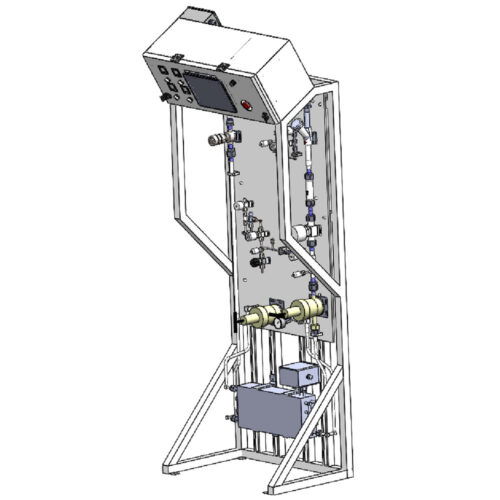
Fully Automated Gas Cabinet Gas Rack Gas Delivery Systems JW-300-GR
-
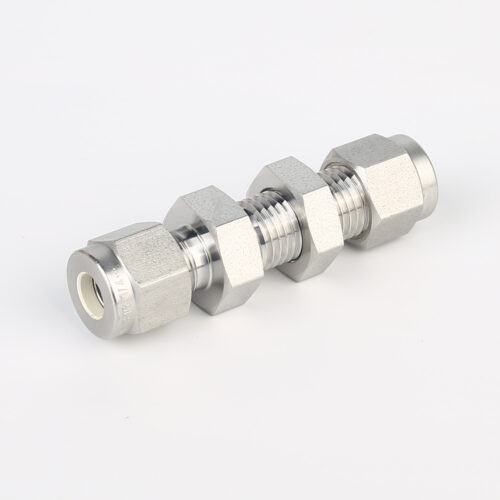
774L Stainless Steel UHP Fittings Butt Weld Bulkhead Union For High Flow Special Gas Fluid
-
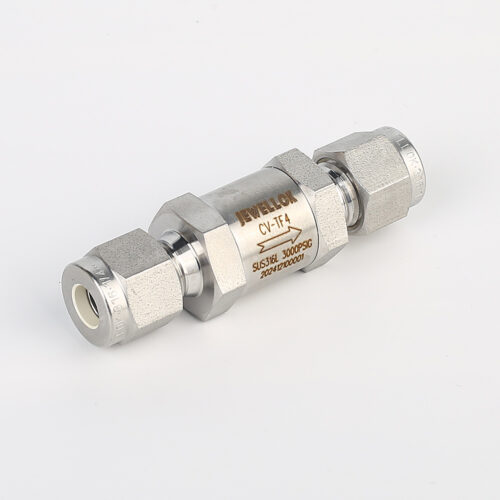
High Pressure High-Purity Welded Check Valves And Low Cracking Pressure Check Valve JCV1 Series
-
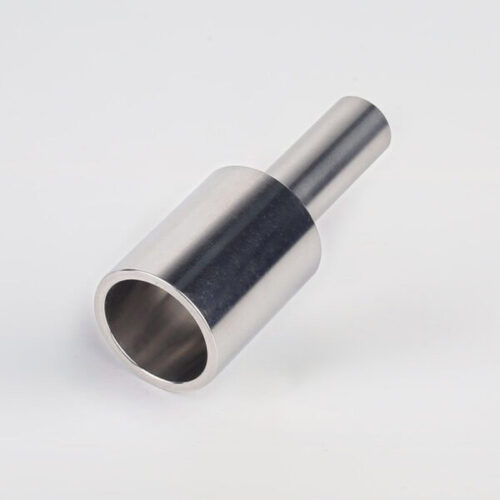
316L Stainless Steel Tube Butt Weld Reducing Fittings Union Reducer RW Series Ultrahigh Purity Process
-
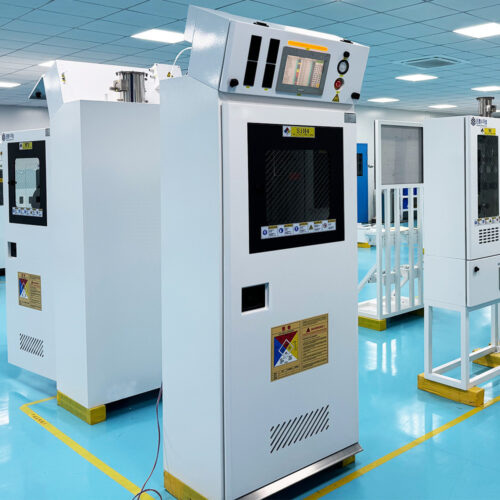
BSGS Large Flow Specialty Gas Supply Cabinet 3 Cylinder Gas Storage Cabinet Fully Automated PLC Control Bulk Specialty Gas Systems (BSGS) Gas Cabinets
-
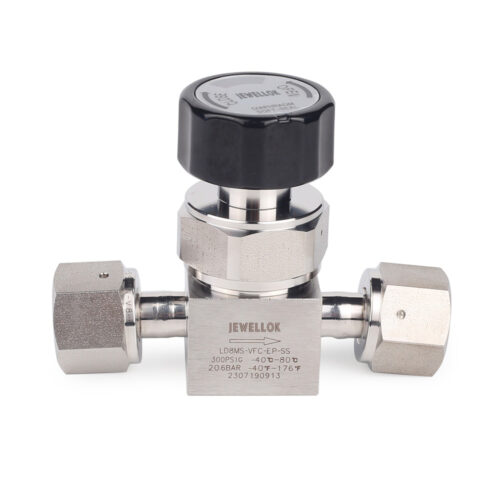
Flow Control Stainless Steel Low Pressure Manual Diaphragm Valve For High Purity And Ultra High Purity Gases
-
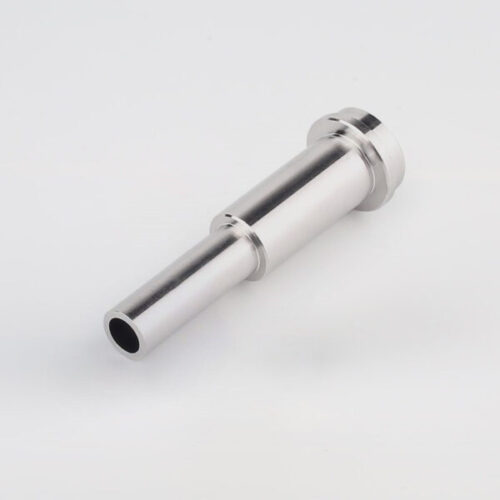
Long Gland LG Series For Ultra High Purity Gas And Chemical Delivery Systems
-
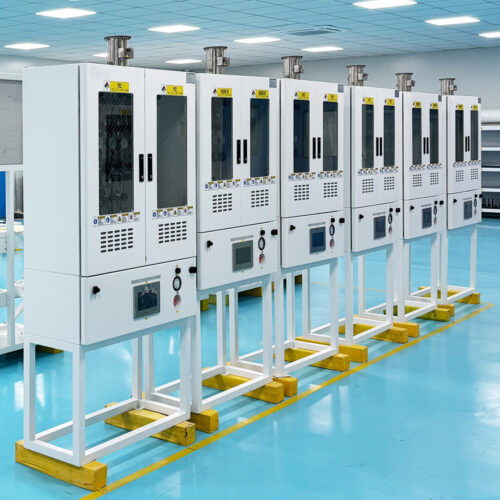
VMB Valve Manifold Box And Panel Gas Cabinet, BSGS Gas Cabinets, TMA Gas Cabinets, Scrubber Tail Gas Treatment Cabinets