
Valves Manufacturer Tel: +86 13380377051
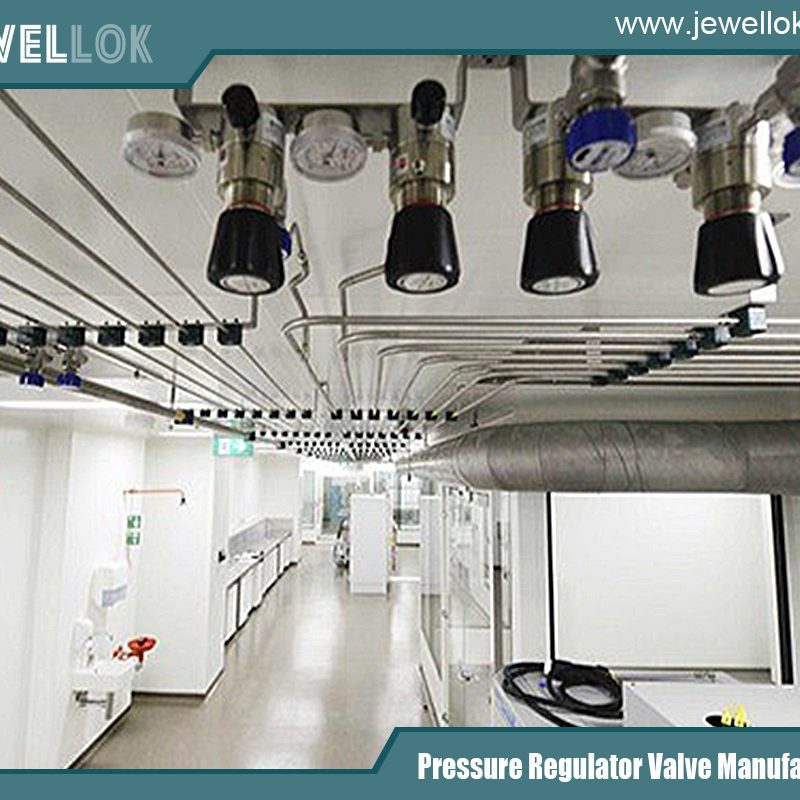
How to Prevent Contamination in High Purity Xenon Gas Systems
Xenon (Xe), a noble gas prized for its inertness and unique physical properties, is anything but ordinary in its applications. From propelling ion thrusters in deep-space missions and serving as a scintillation medium in neutrino detectors to functioning as a critical etch gas in semiconductor manufacturing and an anesthetic agent in medicine, the value of xenon is intrinsically linked to its purity. In these high-stakes environments, contamination is not merely an inconvenience; it is a catastrophic failure mode. A single part-per-billion (ppb) of a reactive impurity can compromise a multi-million dollar semiconductor wafer, skew sensitive physics data, or damage expensive propulsion hardware.
Preventing contamination in high-purity xenon gas systems requires a holistic engineering approach that begins long before the gas first flows. It demands meticulous material selection, ultra-clean assembly techniques, rigorous operational protocols, and a comprehensive understanding of the physics of outgassing and permeation. This article provides a detailed guide to the engineering controls and best practices necessary to maintain xenon purity from the source to the point of use.
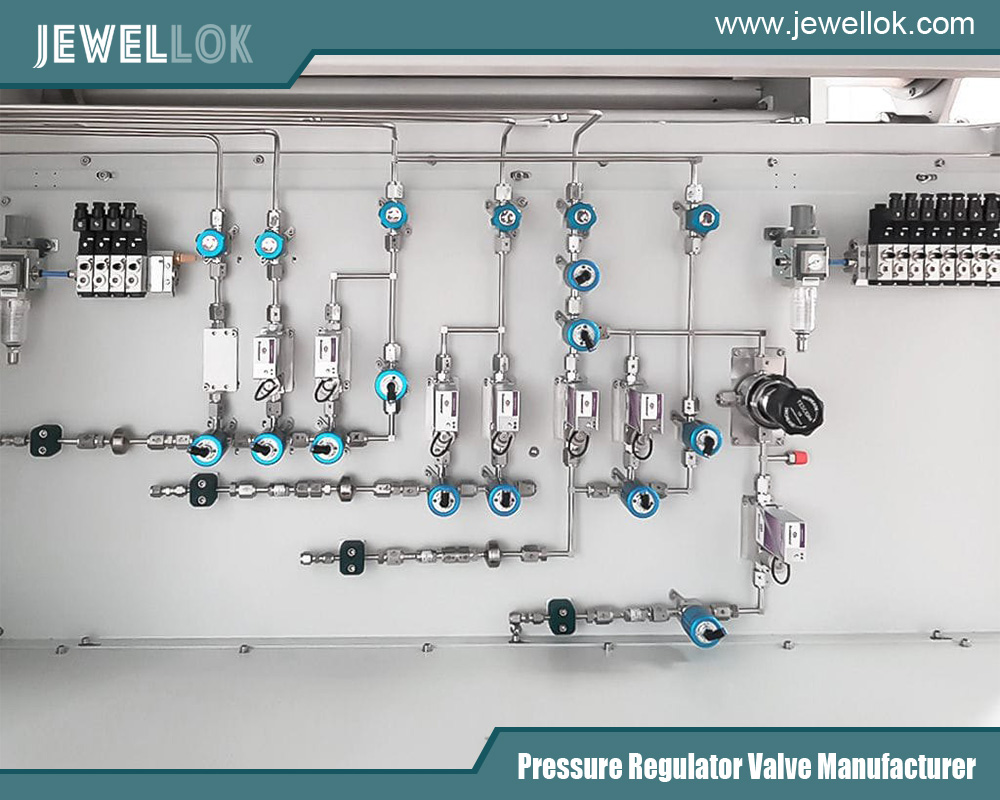
1. Understanding the Threat: The Nature of Xenon Contamination
Before designing a prevention strategy, it is crucial to identify the enemies of purity. Contaminants in a xenon system can be broadly categorized as follows:
-
Particulates: Microscopic solid materials such as metal flakes from welding slag, dust from the environment, or debris from component wear. These can physically block delicate orifices in mass flow controllers (MFCs) and valves.
-
Molecular Impurities: Gaseous contaminants that adsorb onto surfaces or mix with the xenon. The most common and detrimental include:
-
Water Vapor (H₂O): The most pervasive and difficult impurity to remove. It readily adsorbs onto stainless steel surfaces, forming a monolayer that desorbs slowly over time.
-
Oxygen (O₂) and Nitrogen (N₂): Common air leaks, which can oxidize sensitive components or, in the case of nitrogen, simply dilute the xenon.
-
Hydrocarbons (CₓHᵧ): Originating from lubricants, pump oils, or improper cleaning agents. These can crack and deposit carbonaceous films on critical surfaces.
-
Other Noble Gases (Kr, Ar): While chemically inert, these can be problematic in applications like ion propulsion where the mass of the propellant is critical for thrust calibration, or in detectors where they cause unwanted background signals.
-
The primary mechanisms by which these contaminants enter a high-purity system are:
-
Permeation: Atmospheric gases (He, N₂, O₂) can permeate through elastomeric seals (e.g., Viton O-rings) over time.
-
Outgassing/Desorption: Trapped gases and moisture from the internal surfaces of the system (pipes, chamber walls) are released into the gas stream.
-
Real Leaks: Microscopic leaks at welded joints, fittings, or seals allow air to be drawn into the system, especially when it is under vacuum or negative pressure relative to the atmosphere.
-
Dead Legs: Stagnant volumes of gas that are not in the main flow path can harbor contaminants that slowly diffuse back into the pure gas stream.
-
Source Gas Purity: The most obvious source: the xenon delivered in the supply cylinder may itself contain unacceptable levels of impurities.
2. Foundational Principles: Material Selection and System Design
The battle against contamination is won or lost at the design stage. Building a system with inherent contamination resistance is far more effective than relying on downstream purification alone.
-
Material Selection: The 316L Stainless Steel Standard
For ultra-high purity (UHP) xenon applications, 316L stainless steel is the material of choice. The “L” denotes low carbon content (<0.03%), which prevents carbide precipitation during welding, a phenomenon that can lead to intergranular corrosion and outgassing sites.-
Surface Finish: The internal surface finish is critical. A standard mill finish is a microscopic landscape of peaks, valleys, and fissures that can trap moisture and particles. This surface area is many times greater than a polished one. For high-purity xenon, components should have an electropolished (EP) internal surface finish. Electropolishing is an electrochemical process that smooths the surface, removes a thin layer of material (including embedded contaminants), and creates a passive, chromium-rich oxide layer. This dramatically reduces the surface area available for adsorption and makes the surface far easier to clean and keep clean. A typical target is a surface roughness average (Ra) of less than 0.25 µm (10 µin).
-
Seals: Wherever possible, metal-to-metal seals (e.g., ConFlat (CF) flanges with copper gaskets, or VCR-type fittings with metal gaskets) are mandatory for the highest purity requirements. They are non-permeable and withstand bakeout temperatures. If elastomeric seals are unavoidable due to design constraints, perfluoroelastomers (e.g., Kalrez, Chemraz) or Viton® can be used, but they are significant permeation sources and should be minimized.
-
-
System Design Principles
-
Eliminate Dead Legs: Dead legs are stagnant volumes. They can be created by an unused port on a tee, a long impulse line to a pressure gauge, or an improperly installed valve. In a flowing system, contaminants in the dead leg diffuse slowly into the main stream. Design the system to have a continuous, streamlined flow path. Where dead legs are unavoidable (e.g., for a pressure transducer), they should be as short as possible, ideally with a purge capability, or isolated by a dedicated diaphragm valve.
-
Orbital Welding: All permanent connections should be made using automatic orbital gas tungsten arc welding (GTAW) . This process ensures a reproducible, high-quality weld with complete penetration and a smooth internal bead, free of the oxidation and irregularities common in manual welding. The weld must be performed with an inert gas purge (typically argon) on the inside of the tube to prevent the formation of tenacious oxides on the internal surface. Every weld is a potential contamination source; orbital welding minimizes this risk.
-
Component Selection: All components—valves, regulators, filters, mass flow controllers—must be designed and certified for UHP service.
-
Diaphragm Valves: These are the industry standard. The metal diaphragm provides a positive seal from the environment and prevents the process gas from coming into contact with any lubricants or packing materials.
-
Regulators: Use two-stage regulators with a stainless steel diaphragm to minimize pressure drop-induced contamination and ensure delivery pressure stability.
-
-
3. The Assembly and Preparation Process
Even the best-designed system will fail if it is not assembled and prepared correctly. This phase is about eradicating contaminants introduced during manufacturing and handling.
-
Pre-Cleaning of Components
Before any component enters the cleanroom, it must be thoroughly cleaned. This typically involves a multi-step process:-
Degreasing: Components are submerged in a bath of suitable solvent (e.g., isopropanol or a specialized precision cleaner) to remove machining oils, lubricants, and shop dirt. This is often done with ultrasonic agitation to dislodge particles from crevices.
-
Aqueous Cleaning: A detergent-based wash followed by multiple deionized (DI) water rinses can be very effective at removing ionic and polar contaminants.
-
Drying: This is a critical step. Components are dried in a class 100 (ISO 5) or better cleanroom oven using high-purity nitrogen. They are then immediately double-bagged in anti-static, UHP-compatible bags for transport to the assembly area.
-
-
Cleanroom Assembly
The system should be assembled in a certified cleanroom environment. Assemblers must wear full cleanroom attire (bunny suits, gloves, face masks) to prevent introducing human-borne contaminants (skin flakes, hair, lint). Gloves should be changed frequently and should never touch the sealing surfaces of fittings. Components are only removed from their protective bags immediately before installation. -
System Bakeout
Even after meticulous cleaning, a monolayer of water and other adsorbed gases will remain on the internal surfaces. The most effective way to remove them is through a system bakeout. The entire assembled system (or sections of it) is heated while being continuously evacuated by a high-vacuum pump (e.g., a turbomolecular pump). Heating to 100-200°C (depending on component temperature limits) provides the energy for adsorbed molecules to desorb from the surfaces. The vacuum pump then carries them away. Bakeout times can range from 24 to 72 hours or more, and the process is complete when the system achieves its baseline or “ultimate” pressure, indicating that the outgassing rate has been minimized.
4. Operational Protocols and Monitoring
Once the system is clean, pure, and operational, the focus shifts to maintaining that state.
-
Purging and Evacuation
Before introducing high-purity xenon, the system must be “conditioned.” The preferred method is a cycle of evacuation followed by a purge with an inert, high-purity gas (typically argon or nitrogen). This cycle is repeated several times. The evacuation removes the bulk of the air, and the purge gas dilutes any remaining contaminants, which are then removed in the subsequent evacuation. The final step before introducing xenon should always be a thorough evacuation. -
Leak Checking
A system that is not vacuum-tight cannot maintain purity. After assembly and before every critical run, a helium leak check must be performed. A mass spectrometer leak detector is connected to the system, which is either evacuated or pressurized with helium tracer gas. A probe is used to sniff all potential leak points (fittings, welds, valve bonnets). For the most sensitive test, the system is evacuated, and helium is sprayed on the outside. Any helium entering the system is instantly detected by the mass spec. Acceptable leak rates for UHP systems are typically in the range of <1 x 10⁻⁹ mbar·L/s or lower. -
In-Line Purification
For the most demanding applications, it is prudent to place a point-of-use purifier as close as possible to the process tool. These devices are designed to remove specific contaminants down to sub-ppb levels.-
Getter-Based Purifiers: These contain a reactive material (e.g., a zirconium-based alloy) that, when heated, chemically reacts with and permanently binds active gases like H₂O, O₂, H₂, N₂, and CO, allowing only the inert xenon to pass through.
-
Cryogenic Filtration: Exploiting the different boiling points of gases, a cryogenic trap can be used to freeze out impurities while allowing xenon to pass. This is highly effective but requires significant logistical support for cryogens (liquid nitrogen) or mechanical cooling.
-
-
Continuous Monitoring
Purity cannot be managed if it is not measured. A real-time gas analyzer, such as a Residual Gas Analyzer (RGA) or a Process Mass Spectrometer, should be integrated into the system downstream of the purifier or at the point of use. The RGA continuously samples the gas stream and provides a spectrum of the partial pressures of all gases present. A sudden increase in the peak for mass 28 (N₂/CO) or mass 32 (O₂) provides an immediate warning of an air leak, allowing for intervention before the process is compromised.
Conclusion
Preventing contamination in high-purity xenon gas systems is a comprehensive discipline that integrates materials science, mechanical engineering, and stringent procedural control. It is a philosophy where cleanliness is not a final inspection step but is engineered into every aspect of the system’s lifecycle.
Beginning with the selection of electropolished 316L stainless steel and metal-sealed components, the design phase lays the foundation for a system that is inherently resistant to trapping and releasing contaminants. This is followed by an ultra-clean assembly process, characterized by orbital welding and rigorous pre-cleaning, culminating in a high-temperature vacuum bakeout to achieve atomic-scale surface cleanliness. Once operational, the integrity of the system is maintained through disciplined purging, vigilant helium leak checking, the deployment of point-of-use purifiers, and continuous analytical monitoring.
By viewing contamination control not as a single task, but as an integrated system of barriers and checks, engineers and scientists can ensure that the extraordinary properties of xenon are delivered, intact and uncompromised, to the applications that depend on it most. In the realm of high-purity gases, success is measured not in what is present, but in what has been relentlessly eliminated.
For more about how to prevent contamination in high purity xenon gas systems, you can pay a visit to Jewellok at https://www.jewellok.com/ for more info.
-
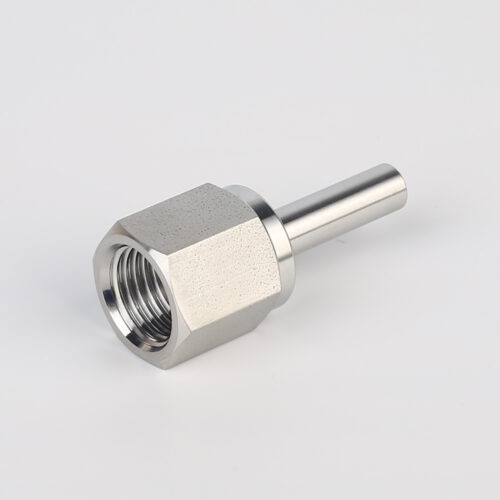
739LF High Purity Female Adapter Tube To Pipe Fittings And Connectors
-
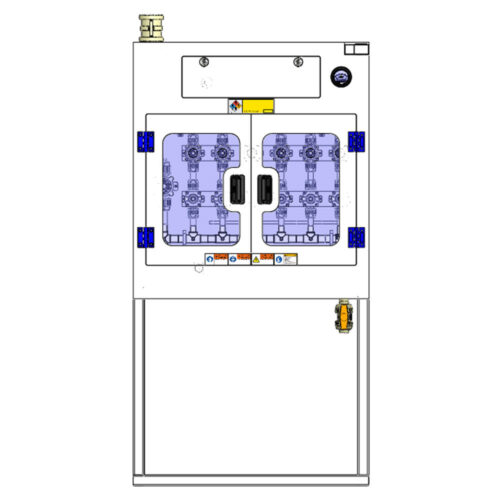
High Purity Configurable Systems VMB Valve Manifold Box JW-200-VMB-C & JW-100-VMB-C
-
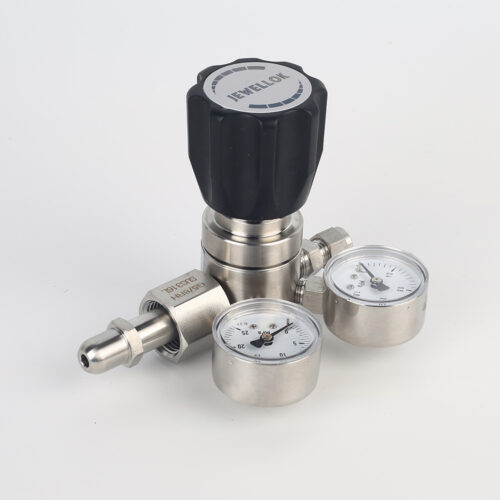
High Purity High Pressure Specialty Gas Pressure Regulators Specialty Gases Pipeline Engineering Equipments Manufacturer And Supplier
-
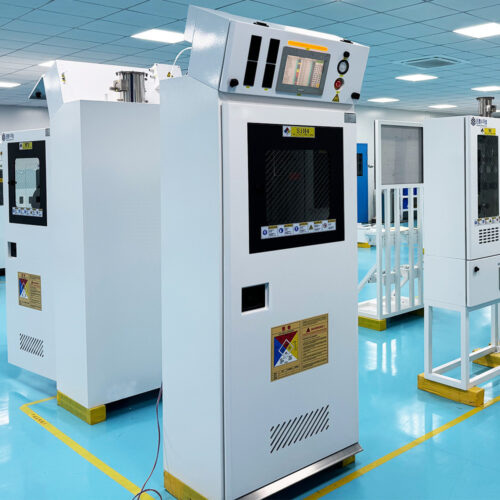
Fully Automated Gas Cabinet For Precise UHP Gas Delivery And High Purity Gas Delivery Systems JW-300-GC
-
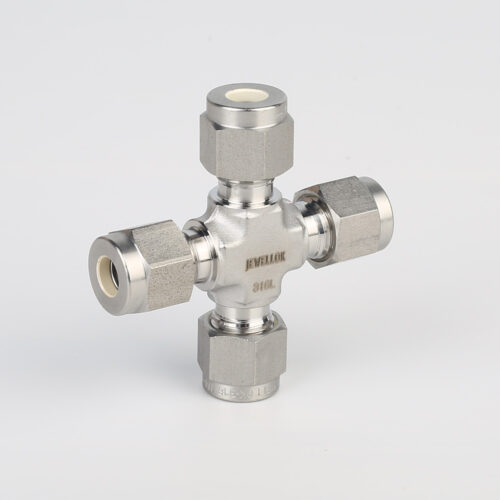
7102L Stainless Steel 316L SS Union Cross Ultra High Purity Long Arm Union Elbow Tee Cross Butt Weld Fittings
-
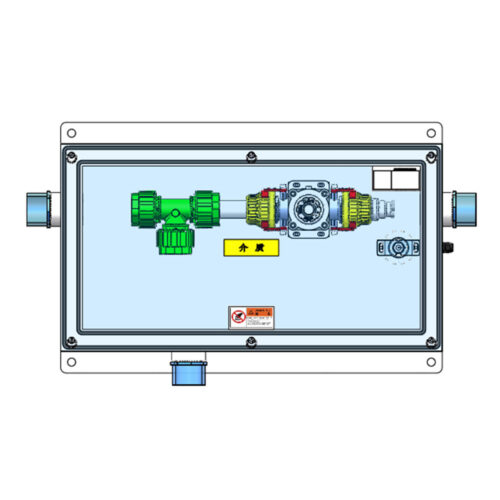
T-BOX JW-TB-C Special Gas Delivery System Gas Valve Manifold Boxes
-
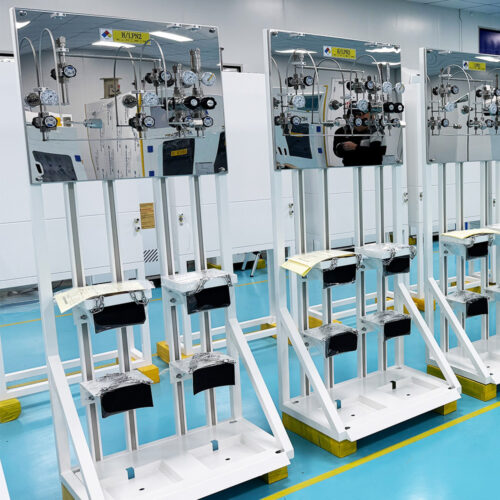
Manual Gas Rack High Purity Gas Delivery Systems JW-100-GR
-
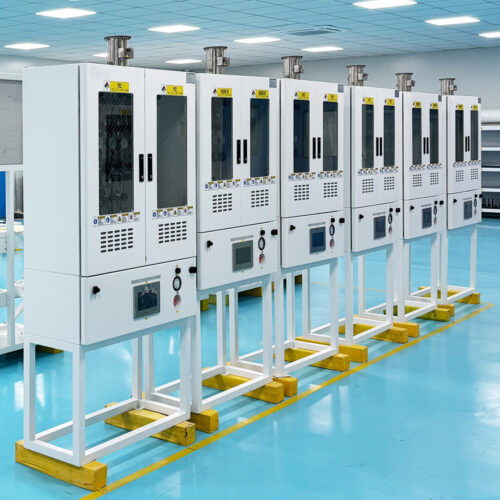
VMB Valve Manifold Box And Panel Gas Cabinet, BSGS Gas Cabinets, TMA Gas Cabinets, Scrubber Tail Gas Treatment Cabinets