
Valves Manufacturer Tel: +86 13380377051
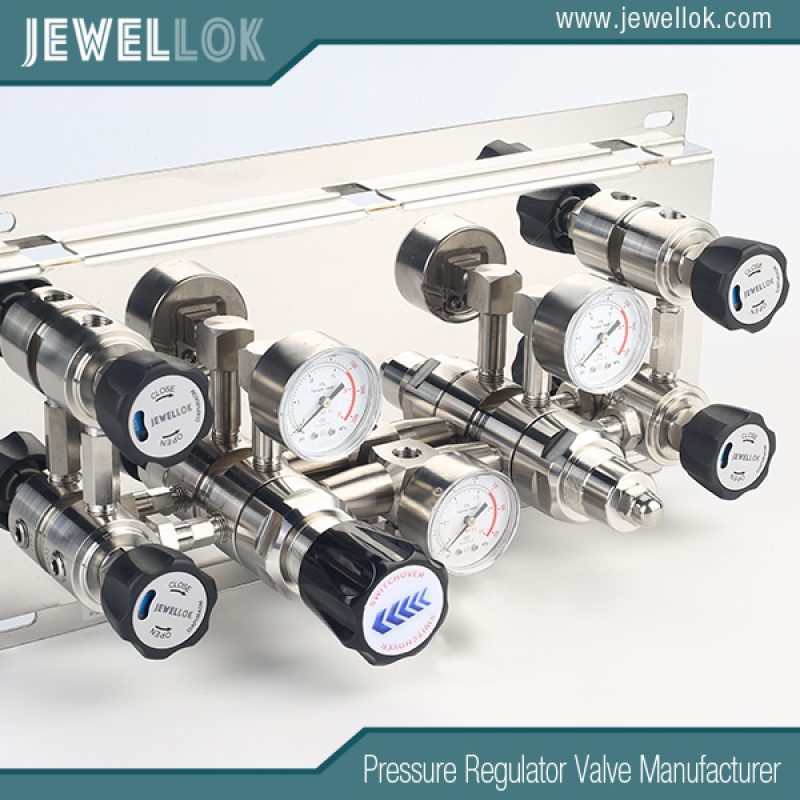
Improving Safety and Purity: The Latest Breakthroughs in UHP Valve Technology for ETO Gas Sterilization Systems
Ethylene Oxide (ETO) gas sterilization stands as a cornerstone of modern infection control, responsible for sterilizing nearly half of all sterile medical devices in the United States alone. Its unparalleled material compatibility and low-temperature efficacy make it indispensable for processing heat- and moisture-sensitive instruments, from intricate catheters and implantable devices to complex electronic surgical equipment. However, the very properties that make ETO an effective sterilant—its potent alkylating nature and high reactivity—also render it a hazardous substance. Classified as a carcinogen and a flammable gas, ETO poses significant risks to human health and the environment. Consequently, the systems that deliver this gas must operate under the most stringent safety and purity protocols.
For decades, the Achilles’ heel of these sterilization systems has been the fluid handling infrastructure, particularly the valves that control the flow of ETO. Traditional valves have struggled to contain the aggressive chemistry of the gas, leading to fugitive emissions, contamination risks, and operational inefficiencies. Recent breakthroughs in Ultra-High Purity (UHP) valve technology are now addressing these challenges head-on, marking a significant leap forward in both operator safety and the integrity of the sterilization cycle. This article explores the latest advancements in UHP valves specifically for ETO gas sterilization, examining how innovations in materials, sealing technology, and surface finishes are setting new industry standards.
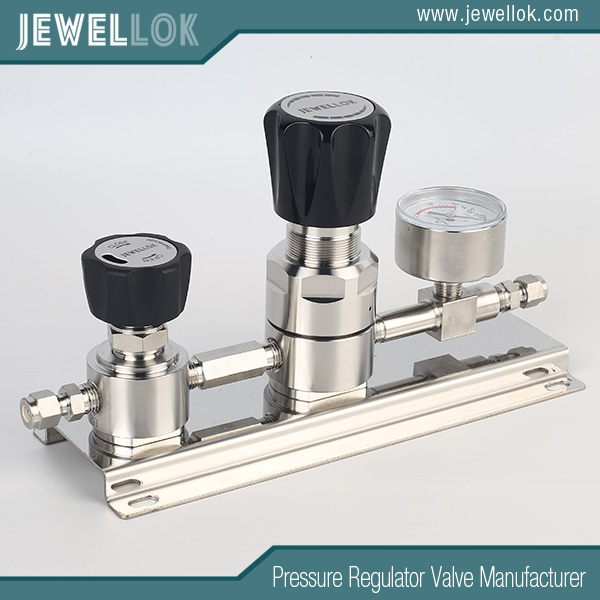
The Critical Challenge: ETO Gas and System Contamination
To appreciate the breakthroughs, one must first understand the unique technical challenges posed by ETO. ETO is not merely a gas to be moved from point A to point B; it is a chemically aggressive agent. In its pure form or when mixed with inert carriers like nitrogen or hydrochlorofluorocarbons (HCFCs), it can degrade standard elastomers and seal materials over time. This degradation leads to two primary problems:
-
Safety Risks (Fugitive Emissions): Deteriorated seals and poor stem sealing in conventional valves allow minuscule amounts of ETO to escape into the facility’s atmosphere. These fugitive emissions accumulate, posing chronic health risks to personnel and potentially creating explosive hazards. Regulatory bodies like the EPA and OSHA have continually tightened permissible exposure limits (PELs), making leak-tight integrity non-negotiable.
-
Process Purity (Outgassing and Particle Generation): ETO is a “sticky” molecule that can adsorb onto rough internal valve surfaces. Furthermore, as traditional valves cycle and their components wear, they can generate microscopic particles. These particles and any trapped moisture or residual gases (outgassing) can contaminate the ETO stream. In a sterilization cycle, purity is paramount; contaminants can shield microorganisms from the gas or alter the precise gas concentration required for efficacy. If the valve itself becomes a source of contamination, it compromises the entire sterilization process.
The demand for higher throughput, shorter cycle times, and absolute safety has rendered older valve technologies obsolete, paving the way for UHP innovations.
Breakthrough #1: Advanced Diaphragm Sealing Technology
The most significant breakthrough in ETO gas valves lies in the evolution of the sealing mechanism. Traditional packed valves and even early diaphragm valves often relied on dynamic seals that created friction and potential leak paths to the atmosphere.
The latest UHP gas valves feature advanced, high-cycle, metal-to-metal diaphragm seals. This design utilizes a thin, robust metal diaphragm—often made of corrosion-resistant alloys like Hastelloy or Elgiloy—as the only wetted part and the sole barrier between the ETO gas and the external environment.
How it Works: The diaphragm is clamped between the valve body and the bonnet, creating a permanent, hermetic static seal. When the valve actuator is engaged, the diaphragm is deflected onto a raised seat in the body, shutting off flow. When disengaged, the diaphragm lifts away, allowing full flow.
Breakthrough Elements:
-
Zero Fugitive Emissions: Because the diaphragm seal is a solid metal barrier with no packing to wear out, there is no potential leak path to the atmosphere. This design inherently guarantees compliance with the most stringent emissions standards, such as ISO 15848-1, providing absolute safety for personnel and the environment.
-
Extended Cycle Life: Advanced computational modeling has allowed manufacturers to optimize the diaphragm’s geometry, distributing stress more evenly during flexing. This has dramatically increased the cycle life of these valves, often exceeding one million cycles, which is critical for high-volume industrial sterilizers.
-
Consistent Shut-off: The precision-machined seat and flexible diaphragm ensure repeatable, bubble-tight shut-off cycle after cycle, preventing any cross-contamination or back-flow of gas.
Breakthrough #2: Next-Generation Materials Science
The chemical compatibility of a valve is only as good as the materials from which it is made. While stainless steel (typically 316L) has been the workhorse of the industry, its performance can be a limiting factor in aggressive ETO environments. The latest UHP valves are leveraging a new generation of high-performance alloys and specialized polymers.
Superior Wetted Materials:
Manufacturers are increasingly turning to higher nickel alloys like Hastelloy C-22 for critical wetted components such as diaphragms and stems. Hastelloy C-22 offers exceptional resistance to pitting, crevice corrosion, and stress corrosion cracking—phenomena that can be accelerated by the chlorinated compounds sometimes used as ETO stabilizers or by the humid conditions present during the sterilization cycle. By using these superior alloys, the valve’s integrity is preserved over a longer lifespan, reducing the risk of catastrophic failure and metallic contamination of the gas stream.
Engineered Polymer Seats:
While the primary barrier is metal, the valve seat that the diaphragm presses against must provide a compliant surface for a tight seal. Traditional polymers like PTFE (Teflon) are chemically resistant but can cold-flow (creep) under pressure, leading to seal degradation. The breakthrough involves the use of modified PTFE compounds and advanced high-performance polymers like PCTFE (Polychlorotrifluoroethylene) or PEEK (Polyetheretherketone). These materials offer superior dimensional stability, lower gas permeability, and exceptional resistance to ETO’s chemical attack, ensuring the seal remains intact and non-porous for the life of the valve. This minimizes the risk of the seat absorbing ETO and subsequently outgassing into the system.
Breakthrough #3: Surface Finish and Electropolishing for Purity
In UHP applications, the surface finish of the valve’s internal flow path is just as critical as the material itself. Microscopic scratches, pits, and burrs on a rough surface (often left by standard machining) act as ideal sites for particle entrapment, bacterial growth, and molecular adhesion of ETO.
The latest breakthroughs focus on achieving mirror-like internal surface finishes through advanced electropolishing techniques.
The Electropolishing Process: This electrochemical process removes a thin layer of material from the surface of the stainless steel or alloy. It preferentially dissolves microscopic peaks and burrs, leaving a smooth, uniform, and chemically passive surface.
Benefits for ETO Systems:
-
Reduced Particle Entrapment: An electropolished surface has no “hideouts” for particles. When the system is purged, the gas flow can easily sweep away any potential contaminants, keeping the gas stream pure.
-
Lower Outgassing: Rough surfaces have a vastly higher surface area than smooth surfaces. This increased area provides more sites for ETO molecules and moisture to adsorb. By dramatically reducing the surface area (often by 50% or more), electropolishing minimizes the potential for outgassing. This ensures that the gas composition delivered to the sterilization chamber is precisely what is intended, without residual contamination from the previous cycle.
-
Enhanced Corrosion Resistance: Electropolishing removes the iron-rich outer layer of the stainless steel, leaving behind a chromium-rich surface. This creates a thicker, more uniform, and more durable passive oxide layer, providing enhanced resistance to the corrosive effects of ETO and its byproducts.
Breakthrough #4: Modular and Integrated Valve Designs
Traditional “point-to-point” tubing systems with numerous individual valves and fittings are a labyrinth of potential leak points. Each mechanical connection is a risk. The latest breakthrough in UHP technology is the move towards modular, integrated valve systems.
Innovative Configurations:
Modern UHP systems utilize advanced block bodies and modular manifolds. A single, forged block of stainless steel or alloy can now house multiple valve functions—such as shut-off, regulating, and check valves—in a single, unified component.
Advantages:
-
Drastically Reduced Potential Leak Points: By integrating multiple functions into one body, the number of external threaded connections, tube fittings, and welds is significantly reduced. Fewer connections mean exponentially fewer places for a leak to develop.
-
Compact Footprint: Integrated manifolds occupy far less space than a collection of discrete components. This allows for the design of smaller, more efficient sterilizers or frees up space for additional process monitoring equipment.
-
Improved Flow Characteristics: A manifold with smoothly machined internal passages eliminates the flow restrictions and dead legs often found in discrete piping systems, ensuring more consistent and predictable gas delivery.
Breakthrough #5: Smart Valves and Industry 4.0 Integration
The digitization of manufacturing, often termed Industry 4.0, has finally reached the valve. The latest UHP valves are no longer passive components but active sensors that provide real-time data on system health.
Intelligent Features:
-
Integrated Cycle Counting: Smart valves can track the number of times they have cycled, providing predictive maintenance data. A facility manager can know precisely when a valve is approaching its end-of-life, allowing for proactive replacement during scheduled downtime, preventing unexpected failures.
-
Position Sensing: Solenoid valves with integrated position sensors can send a confirmation signal back to the control system, verifying that the valve has successfully opened or closed. This “feedback loop” adds an extra layer of safety and process validation, ensuring that the gas flow is exactly as the program commands.
-
Leak Detection Interfaces: Some advanced systems are designed with ports that allow for the direct connection of mass spectrometers or other leak detectors, enabling automated, periodic integrity checks of the entire valve manifold without system disassembly.
The Impact on the Sterilization Industry
The convergence of these technological breakthroughs is transforming ETO sterilization from a necessary, but hazardous, process into a safer, more precise, and more reliable operation.
-
Enhanced Operator Safety: The zero-emission guarantee of advanced diaphragm seals, combined with the reduced leak points of modular manifolds, creates a fundamentally safer working environment, helping facilities meet and exceed strict regulatory compliance.
-
Improved Sterilization Assurance: The purity delivered by electropolished surfaces and non-porous materials ensures that the ETO gas concentration and composition are consistent and accurate. This eliminates a major variable in cycle validation, leading to higher confidence in sterility assurance levels (SAL).
-
Increased Operational Efficiency: The extended cycle life of advanced valves and the predictive capabilities of smart components reduce unplanned downtime and maintenance costs. More reliable equipment translates to higher throughput and lower cost per cycle.
-
Environmental Stewardship: By eliminating fugitive emissions and improving efficiency, these advanced UHP systems help reduce the overall environmental footprint of ETO sterilization, addressing a key concern raised by regulators and communities.
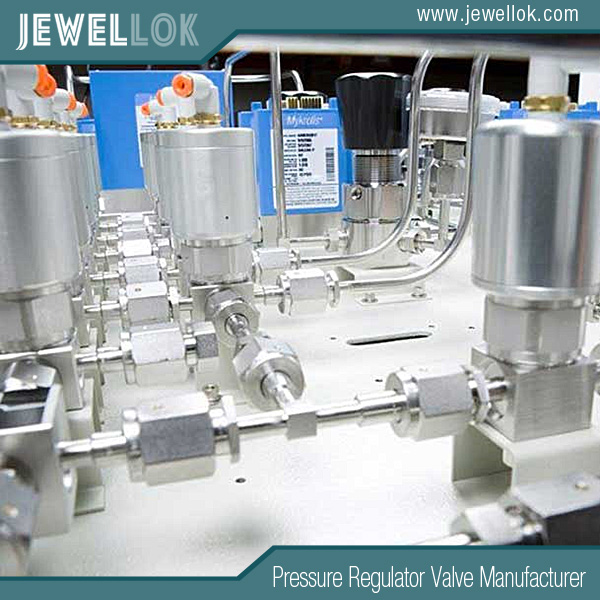
Conclusion
As the medical device industry continues to evolve, with increasingly complex and sensitive instruments entering the market, the role of ethylene oxide sterilization remains critical. The safety and efficacy of this process hinge on the integrity of the gas delivery system. The latest breakthroughs in UHP valve technology—from hermetically sealed diaphragms and superalloy construction to atomically smooth surfaces and digital intelligence—are not just incremental improvements. They represent a fundamental re-engineering of the interface between a hazardous sterilant and the sterile products it creates. By prioritizing absolute containment and uncompromising purity, these advanced valves are setting a new benchmark for safety and performance, ensuring that ETO sterilization can continue to protect patients worldwide, safely and reliably, for decades to come.
For more about beyond improving safety and purity: the latest breakthroughs in UHP valve technology for ETO gas sterilization systems, you can pay a visit to Jewellok at https://www.jewellok.com/ for more info.
-
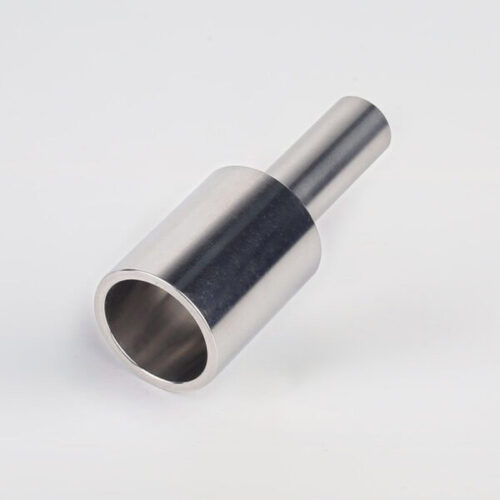
316L Stainless Steel Tube Butt Weld Reducing Fittings Union Reducer RW Series Ultrahigh Purity Process
-
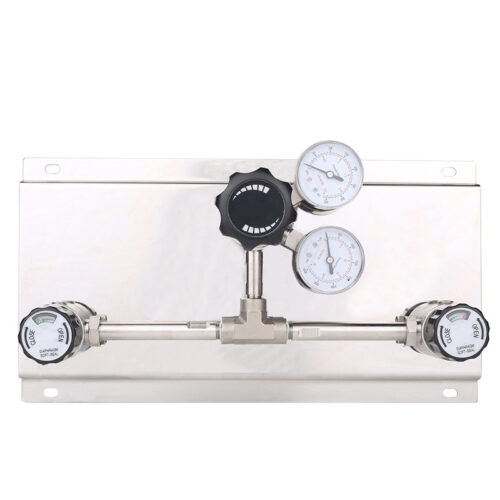
High Pressure High Flow Specialty Gas Control Panel With Diaphragm Valve , 3000Psig Oxygen Control Medical Changeover Manifold Panel
-
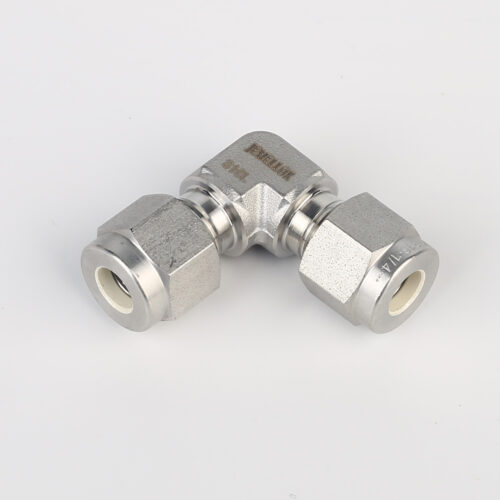
765L Stainless Steel Union Elbow Reducing High Purity Fitting Tubing Extension Tubing Connection
-
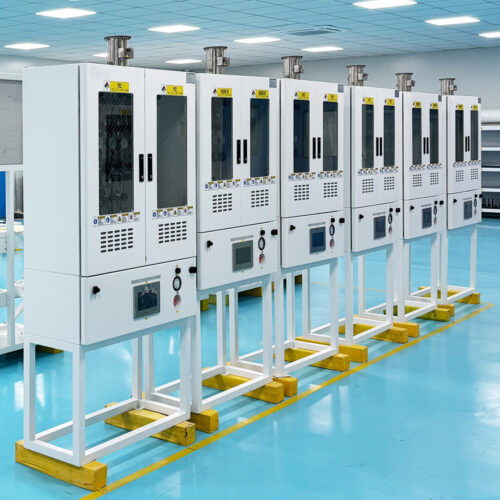
VMB Valve Manifold Panels And Boxes High Purity Configurable Systems JW-200-VMB & JW-100-VMB
-
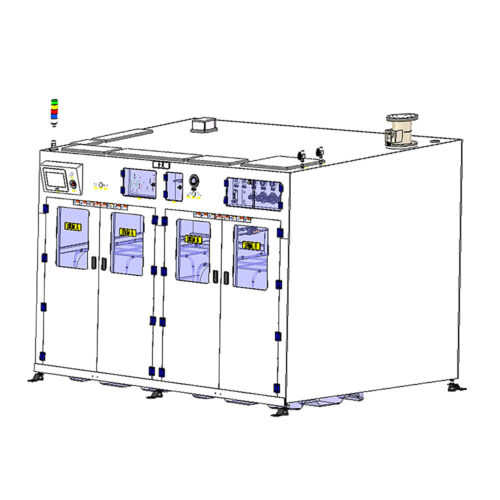
Scrubber Gas Cabinet Scrubber Tail Gas Treatment Cabinet Vent Gas Scrubber System Heat-Filter Burn Box Gas Scrubber/Abatement System
-
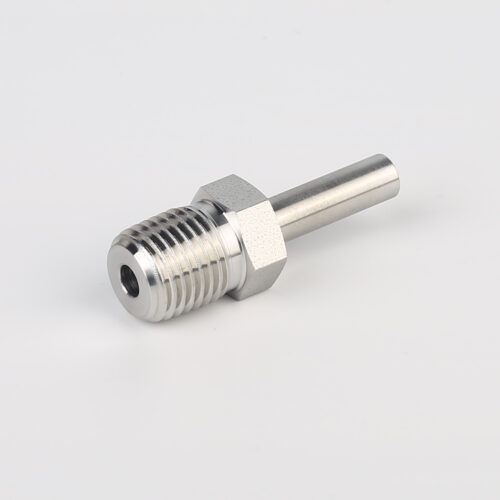
739 High Purity LMR Male Adapter Tube To Pipe Fittings And Adapters
-
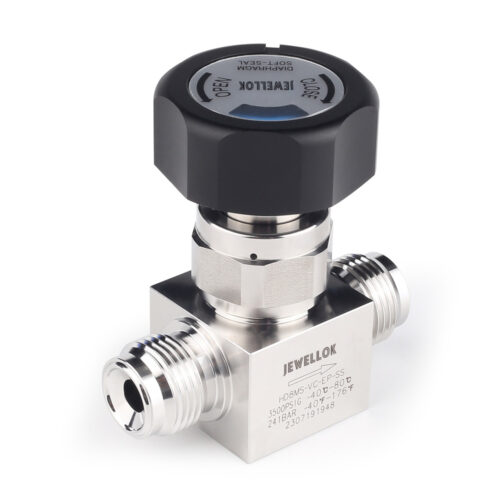
Stainless Steel Ultra High Purity (UHP) High Pressure Manual Diaphragm Valve
-
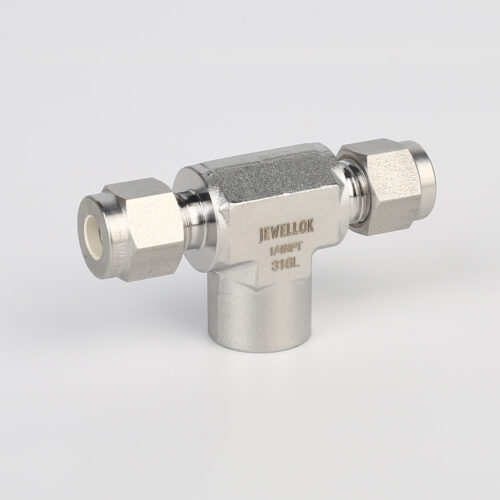
772 LF Female Branch Tee | Stainless Steel Tube Fitting Female Branch Tee 1/2 in. Tube OD x 1/2 in. Tube OD x 3/8 in. Female NPT