




















Valvularum Fabricator Tel: +86 13380377051
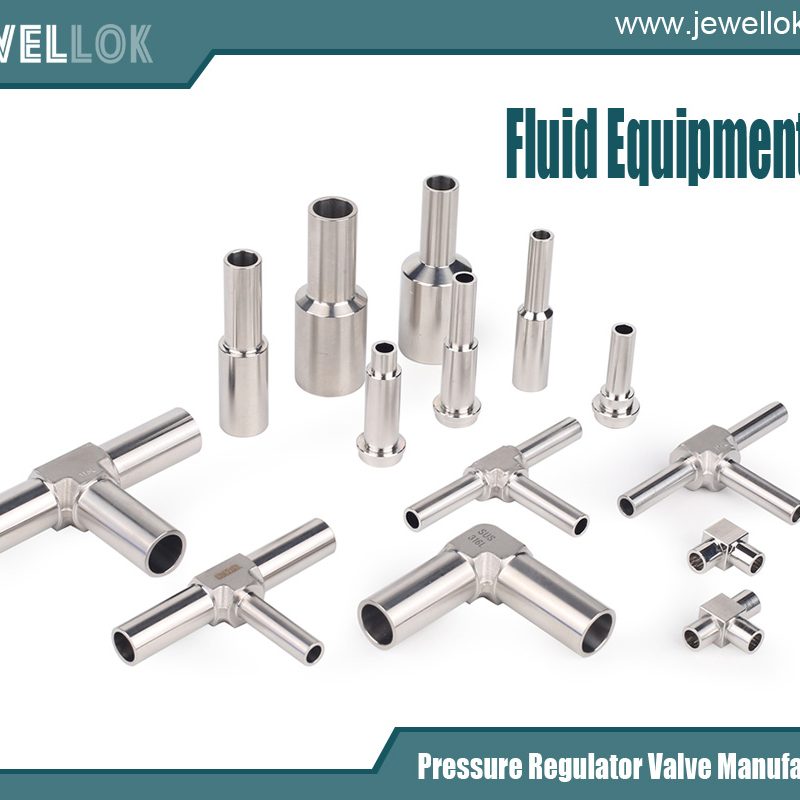
Automatic Gas Cylinder Changeover System-Ensure Uninterrupted Gas with an Automatic Changeover Valve Kit.
In an era where uninterrupted energy supply is crucial for both domestic and industrial operations, the Systema commutationis automaticae cylindrorum gasi stands out as a pivotal innovation. This system is designed to seamlessly switch between gas cylinders, ensuring a continuous flow of gas without manual intervention when the primary cylinder depletes. Primarily used for liquefied petroleum gas (LPG), carbon dioxide (CO2), or specialty gases, it prevents disruptions in cooking, heating, manufacturing processes, or laboratory experiments. Imagine a busy restaurant kitchen running out of gas mid-service or a critical industrial process halting due to an empty cylinder—these scenarios are mitigated by this technology.
The core purpose of an automatic gas cylinder changeover system is to enhance safety, efficiency, and convenience. It operates by monitoring gas pressure levels and automatically redirecting the supply from an exhausted cylinder to a reserve one. This not only saves time but also reduces the risk of gas leaks during manual switches, which can be hazardous if not handled properly. In residential settings, it ensures that households never face sudden gas shortages, while in commercial and industrial environments, it supports high-stakes operations like welding, beverage carbonation, or semiconductor manufacturing.
The system’s relevance has grown with the increasing reliance on bottled gases in regions where piped natural gas is unavailable or unreliable. According to industry insights, such systems are integral in sectors like hospitality, healthcare, and research, where downtime can lead to significant financial losses or safety issues. Globally, the demand for these systems is driven by urbanization, the expansion of the food and beverage industry, and advancements in automation technologies. This article delves into the intricacies of automatic gas cylinder changeover systems, exploring their history, working principles, components, types, advantages, disadvantages, installation, maintenance, applications, and future trends. By understanding this technology, users can make informed decisions about implementation, ultimately optimizing their gas usage and operational efficiency.
History and Evolution
The concept of gas cylinder management dates back to the early 20th century when bottled gases became commercially viable. Initially, gas supplies relied on manual changeovers, where users had to physically disconnect empty cylinders and connect full ones, often leading to interruptions and safety risks. The need for automation arose with the industrialization boom post-World War II, particularly in sectors requiring constant gas flow, such as chemical processing and metallurgy.
One of the earliest documented innovations in automatic changeover systems can be traced to the 1990s, when pioneers in the field developed non-electric, pressure-based switching mechanisms. For instance, the “Eliminator” system by Assurance Valve was patented around 30 years ago by a restaurant manager seeking to avoid gas shortages during peak hours. This marked a shift from manual to semi-automatic systems, initially used in commercial kitchens and breweries.
By the late 1990s and early 2000s, advancements in sensor technology and electronics led to fully automatic systems. Companies like Swagelok and Harris Products Group introduced manifolds with electronic controls for precise pressure monitoring and switching. These were particularly adopted in specialty gas applications, where purity and continuity are paramount.
The 2010s saw integration with smart technologies, including remote monitoring via apps and IoT devices, allowing users to receive alerts on cylinder status. Recent developments, as of 2025, include cutting-edge manifolds from brands like Ieweloc, which incorporate AI for predictive maintenance and seamless integration with industrial automation. The evolution reflects a broader trend toward sustainability, with systems designed to minimize gas waste by optimizing switchover points.
Today, these systems are standardized under international regulations, ensuring safety and compatibility across global markets. From humble beginnings in manual valves to sophisticated automated networks, the history underscores human ingenuity in solving everyday energy challenges.
Working Principle
At its heart, the Systema commutationis automaticae cylindrorum gasi relies on pressure differential to detect when a switch is needed. The system connects multiple cylinders—typically two or more—to a central manifold or regulator. One cylinder (or bank) is designated as the primary supply, while the others serve as reserves.
The working principle begins with gas flowing from the primary cylinder through a regulator that maintains a constant outlet pressure. Embedded sensors or mechanical indicators monitor the inlet pressure from the primary source. When the pressure drops below a preset threshold (indicating the cylinder is nearing empty), the system activates a valve mechanism to redirect the flow to the reserve cylinder. This switch is seamless, ensuring no interruption in supply.
In semi-automatic systems, the switch to the reserve is automatic, but resetting to the primary after refilling requires manual intervention, such as turning a lever. Fully automatic versions use electronic controls or differential pressure valves to handle both directions without human input, often incorporating alarms or visual indicators like color-changing windows (clear to red) to signal the change. For specialty gases, the system may include two-stage pressure reduction to maintain purity and prevent contamination. The changeover point can be adjusted—lower settings allow more gas extraction from the primary cylinder, reducing waste. In advanced models, microprocessors analyze flow rates and predict depletion, sending notifications via connected devices.
A step-by-step operation includes:
1) Initial setup with primary and reserve cylinders connected;
2) Gas draw from primary until pressure falls;
3) Automatic valve actuation to reserve;
4) Indicator alert for replacement;
5) Refill primary and reset if needed.
This principle ensures reliability, with safety features like check valves preventing backflow.
Non-electric versions use purely mechanical means, ideal for areas with unstable power, while electric ones offer precision for industrial use. Overall, the principle balances simplicity with sophistication to deliver uninterrupted gas.
Components
An automatic gas cylinder changeover system comprises several key components that work in harmony. The central element is the manifold or changeover regulator, which houses the switching mechanism. This is typically made of brass or stainless steel for corrosion resistance.
Pressure regulators are integral, reducing high cylinder pressure to usable levels while monitoring for drops. Inlet and outlet ports connect to cylinders and the application line, respectively. Valves—such as shuttle or solenoid valves—facilitate the switch; in fully automatic systems, solenoids are electronically controlled.
Sensors or gauges detect pressure changes; mechanical systems use diaphragms, while electronic ones employ transducers. Indicators include visual (color windows, LEDs) and audible alarms to notify users of switches. Pigtails or flexible hoses connect cylinders to the manifold, often with non-return valves to prevent leaks. For multi-cylinder setups, headers or banks group cylinders, allowing scalability. Safety features like relief valves vent excess pressure, and filters ensure gas purity, especially for specialty applications.
In CO2 systems for beverages, components may include high-pressure rated parts up to 250 PSI. Advanced systems add controllers for remote monitoring. Each component is designed for durability, with materials chosen based on gas type—e.g., non-corrosive for specialty gases.
Types of Systems
Automatic gas cylinder changeover systems vary by automation level and application. Semi-automatic systems switch to reserve automatically but require manual reset, common in domestic LPG setups with lever indicators. Fully automatic systems handle all switching electronically, ideal for industrial use where downtime is costly. They often feature programmable thresholds and integration with SCADA systems.
Manual changeovers, though not automatic, are precursors, with single or multi-cylinder variants allowing basic switching but with interruptions. Non-electric systems rely on mechanical pressure differentials, suitable for off-grid areas, while electric ones offer precision. Specialty gas types focus on purity, with two-stage regulation. Dewar and high-pressure cylinder systems cater to cryogenic or bulk needs, providing uninterrupted flow from multiple sources. Each type addresses specific needs, from home to high-tech labs.
Advantages and Disadvantages
Advantages include continuous supply, reducing downtime and boosting productivity. They enhance safety by minimizing manual handling, lower gas waste, and offer convenience with alerts. Disadvantages: Higher initial cost than manual systems, potential maintenance needs for electronics, and dependency on power for electric models. In harsh environments, mechanical wear can occur, and improper setup risks leaks. Overall, benefits outweigh drawbacks for most users.
Installation and Maintenance
Installation requires a certified technician: Mount the manifold securely, connect cylinders via pigtails, set pressure thresholds, and test for leaks. Ensure ventilation and compliance with codes. Maintenance involves regular inspections, cleaning filters, checking valves, and replacing worn parts. Monitor indicators and schedule professional servicing annually to prevent failures.
Applications
These systems are vital in homes for cooking/heating, restaurants for uninterrupted service, breweries for CO2 supply, labs for specialty gases, and industries like welding or semiconductors. In healthcare, they ensure oxygen flow; in agriculture, for greenhouse CO2.
Future Trends
Future systems will integrate AI for predictive analytics, IoT for remote control, and sustainable materials. Hybrid models combining mechanical and digital will emerge, with emphasis on eco-friendly gas usage.
Conclusio
The automatic gas cylinder changeover system revolutionizes gas management, offering reliability and efficiency. As technology advances, it will continue to play a key role in energy solutions, ensuring seamless operations across sectors.
For more about automatic gas cylinder changeover system-ensure uninterrupted gas with an automatic changeover valve kit., you can pay a visit to Jewellok at https://www.jewellok.com/ pro pluribus informationibus.
-
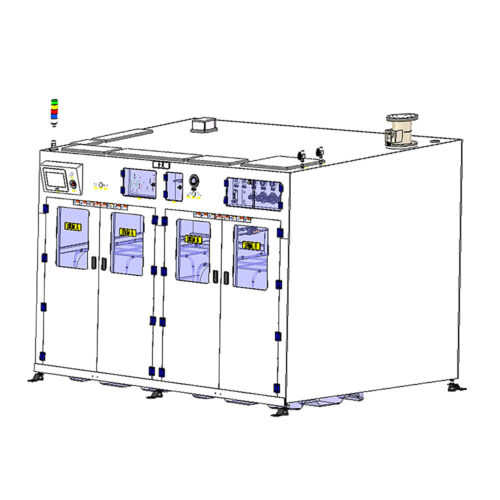
Systema Dispensationis Chemicae Altae Puritatis et Systema Impletionis pro Semiconductoribus JW-200L-CDM et JW-1000L-CDM
-
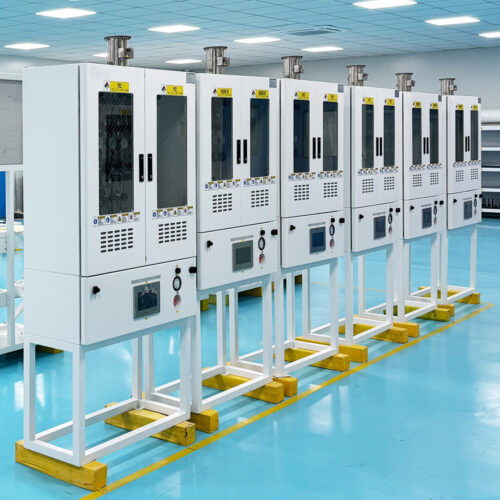
Tabulae et Capsulae Distributorum Valvarum VMB, Systemata Configurabilia Altae Puritatis JW-200-VMB et JW-100-VMB
-
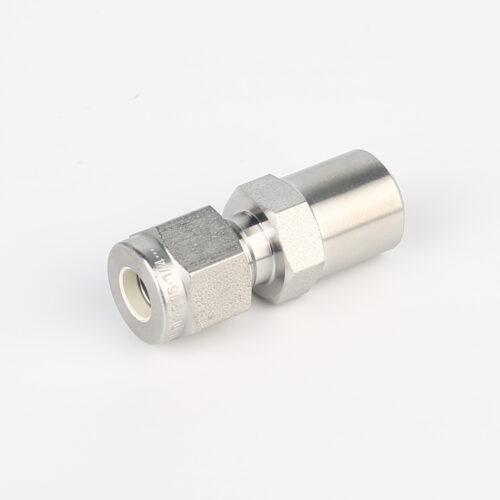
768LN Tubus Masculinus Chalybis Inoxidabilis, Coniunctor Tubi Sudurae Abdominis et Iuncturae Tubi, Provisor
-
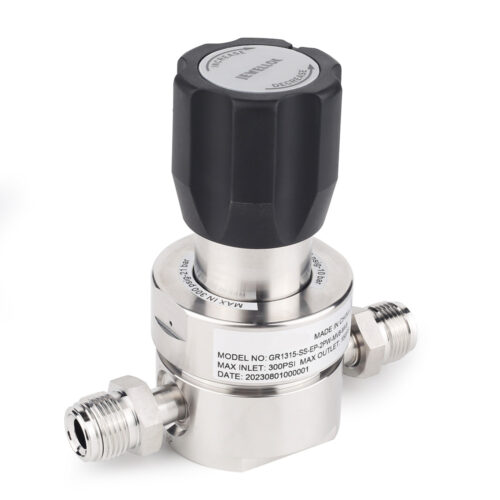
Regulator Unius Stadii Seriei JR1300 Puritatis Altissimae, Regulator Lineae Fluminis Alti ad Fluxum Intermedium Puritatis Altissimae
-
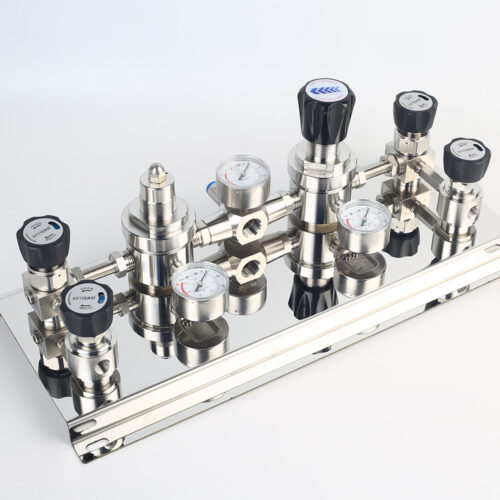
Tabulae Moderationis Pressionis, Series JSP-6A, Semiconductoris Gradus Unius Stadii Chalybis Inoxidabilis
-
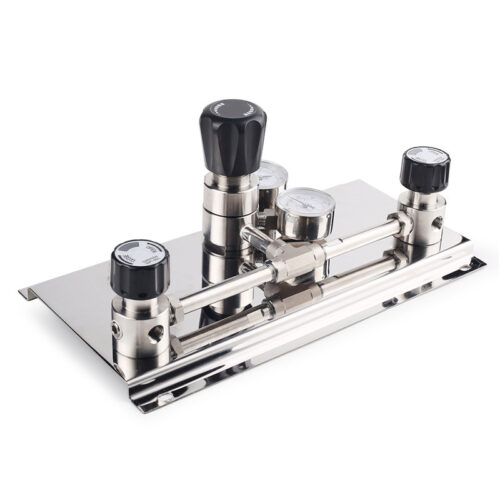
Systema Commutationis Manifold ex Chalybe Inoxidabili Semi-Automatico Altae Puritatis, Tabula Moderationis Nitrogenii Altae Pressionis cum Capsa Manifold Valvae Semiconductoris, Valvae Diaphragmatis.
-
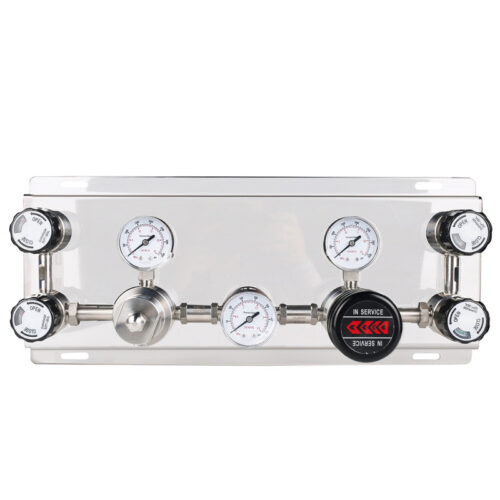
Tabula Manifold Commutationis Gasis Specialis Semi-Automatica et Automatica cum Capsa Manifold Valvae Semiconductoris, Regulatoribus Pressionis Gasis
-
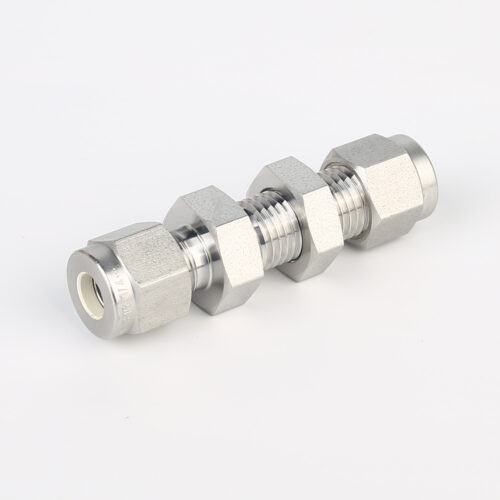
774L Stainless Steel UHP Fittings Butt Weld Bulkhead Union For High Flow Special Gas Fluid