




















Valvularum Fabricator Tel: +86 13380377051
In Systematibus Circulationis Ubi Valvae Acus Hydraulicae Altae Pressionis ad Frequenter Aperiendum et Claudendum Adhibentur, Quae Sunt Designationes Structurarum Obsignationis Contra Detritionem Hodie Populares?
High-pressure hydraulic needle valves are critical components in industrial systems such as oil and gas extraction, aerospace hydraulics, and heavy machinery, where they regulate fluid flow with precision under extreme pressures often exceeding 6,000 PSI and up to 150,000 PSI in specialized applications. These valves feature a slender, tapered needle (valve core) that mates with a corresponding seat to control flow, enabling fine adjustments essential for maintaining system stability. However, in circulation systems involving frequent opening and closing—such as hydraulic pumps, test benches, or cyclic loading in offshore rigs—the sealing pairs (needle core and seat) face significant challenges. Repeated actuation leads to mechanical wear, erosion from abrasive particles in fluids, and potential leakage, which can compromise system efficiency, safety, and longevity.
Wear manifests as galling (metal-to-metal adhesion and tearing), abrasion from particulates, or deformation under high stress, resulting in leaks that cause pressure drops, fluid loss, and environmental hazards. Leakage not only reduces operational reliability but can also lead to catastrophic failures in high-stakes environments. To mitigate these issues, manufacturers have developed mainstream anti-wear sealing structures that enhance durability without sacrificing precision. These designs include non-rotating stems, metal-to-metal sealing, hard coatings like N-Dura or Stellite, replaceable seats, and advanced materials such as tungsten carbide inserts. Drawing from industry catalogs and technical resources, this article explores these solutions, highlighting their mechanisms, applications, and benefits in preventing wear and leakage during frequent operations.
Understanding these designs is vital for engineers selecting valves for demanding systems. For instance, in hydraulic fracturing, where valves cycle thousands of times under abrasive slurry, anti-wear features can extend service life from months to years, reducing downtime and maintenance costs. As pressures and cycle rates increase with technological advancements, these structures represent the forefront of valve engineering, balancing robustness with operational finesse.
Causes of Wear and Leakage in Sealing Pairs
Before delving into solutions, it’s essential to examine the root causes of wear in high-pressure hydraulic needle valves. In frequent opening and closing scenarios, the needle core—typically a tapered stainless steel rod—repeatedly contacts the seat, a precision-machined orifice in the valve body. This interaction occurs under immense pressure, where even minor misalignments or contaminants amplify damage.
Primary contributors include mechanical friction from rotation during actuation, which causes galling, especially in metal-to-metal contacts. Abrasive particles in hydraulic fluids, such as sand or metal shavings, erode surfaces, creating pits that disrupt sealing integrity. High-velocity flows induce erosion, while thermal cycling from fluid temperatures (up to 1200°F in some cases) leads to expansion mismatches, cracking seals. Corrosion from aggressive media like H₂S in sour gas services further weakens materials, accelerating wear.
Leakage ensues when wear exceeds tolerances, allowing fluid bypass. In circulation systems, this can manifest as internal leaks reducing efficiency or external leaks posing safety risks. Industry standards like NACE MR0175 highlight the need for resistant designs in corrosive environments. Quantitative data from valve manufacturers indicate that without anti-wear measures, sealing pairs may fail after 1,000-5,000 cycles in abrasive conditions, versus 50,000+ with optimized structures. These factors underscore the necessity for innovative designs that minimize contact stress, enhance material hardness, and facilitate maintenance.
Non-Rotating Stem Designs: Preventing Galling and Extending Cycle Life
One of the most prevalent anti-wear strategies is the incorporation of non-rotating stems, which eliminate rotational friction between the needle core and seat during operation. In traditional designs, the stem rotates as it threads in or out, grinding against the seat and causing galling— a form of adhesive wear where metal particles transfer, leading to surface roughening and eventual leakage. Non-rotating configurations decouple the rotational motion of the handle or actuator from the needle tip, ensuring only axial movement contacts the seat.
This design typically features a two-piece or three-piece stem: an upper rotating section for actuation and a lower non-rotating tip that engages the seat. For example, in high-pressure valves rated up to 60,000 PSI, the lower stem is often made from hardened 17-4PH stainless steel, pinned or slotted to prevent rotation. This reduces torque requirements for shut-off, minimizes packing wear, and extends seat life in abrasive flows. Manufacturers like FITOK and Parker implement this in their 60N and MPI™ series, where non-rotating stems prevent galling in cyclic applications, achieving bubble-tight sealing over repeated operations. Benefits are pronounced in frequent cycling: tests show non-rotating designs can increase cycle life by 2-5 times compared to rotating stems, particularly in erosive media like hydraulic oil with particulates. Additional features, such as square-section stems for micro-metering or regulating tips with 4°-60° tapers, fine-tune flow while reducing wear hotspots. In subsea or high-temperature environments, extensions isolate the stem from extremes, further preventing deformation-induced leaks.
However, implementation requires precise machining to maintain alignment, and materials must resist fatigue. Overall, non-rotating stems represent a foundational anti-wear approach, widely adopted for their simplicity and effectiveness in high-pressure hydraulic systems.
Metal-to-Metal Sealing: Durability for Abrasive and High-Pressure Environments
Metal-to-metal sealing is a cornerstone of anti-wear designs, offering robust, leak-proof performance where soft seals fail under extreme conditions. Unlike elastomeric or polymer seals prone to extrusion and degradation, metal-to-metal interfaces rely on precision-machined surfaces of the needle core and seat to form a tight barrier, self-tightening under pressure via principles like the Bridgeman effect. In high-pressure needle valves, this structure uses hardened metals like 316 stainless steel or 17-4PH for both core and seat, ensuring compatibility and resistance to deformation. The seat is often integral or replaceable, with a tapered profile matching the needle’s vee or blunt tip to distribute contact stress evenly. This minimizes localized wear during frequent cycling, providing bubble-tight shut-off even in abrasive slurries. For instance, FITOK’s 60N series employs metal-to-metal seating for pressures up to 60,000 PSI, extending stem/seat life in erosive flows. Advantages include high-temperature tolerance (up to 1200°F with graphite packing) and chemical resistance, crucial for hydraulic systems handling corrosive fluids. In sour gas applications, NACE-compliant annealed 316 SS seats prevent sulfide stress cracking. To enhance durability, some designs incorporate blunt tips to combat wire draw in two-phase flows, reducing erosion. While metal-to-metal seals require higher actuation torque and precise alignment, they excel in preventing leakage over 10,000+ cycles. Combined with non-rotating stems, this design forms a synergistic anti-wear system, mainstream in valves from Parker and High Pressure Equipment for rigorous circulation systems.
Hard Coatings and Hardfacing: Enhancing Surface Hardness Against Abrasion
For environments where base materials alone insufficiently resist wear, hard coatings and hardfacing techniques apply ultra-durable layers to the needle core and seat. These mainstream methods involve depositing materials like tungsten carbide, Stellite, or proprietary coatings via processes such as High-Velocity Oxy-Fuel (HVOF) spraying, welding, or Physical Vapor Deposition (PVD). N-Dura coating, a specialized hard layer with hardness ≥85 Rc, is widely used in needle valves for abrasive services. Applied to stems and replaceable seats, it reduces friction, prevents chipping, and outperforms Stellite in erosive conditions, operating from -300°F to 1200°F. Parker’s MPI™ series offers N-Dura or Stellite for severe service, enhancing wear resistance in high-cycle hydraulic systems. Tungsten carbide hardfacing, often via HVOF, creates a dense, corrosion-resistant barrier ideal for particulate-laden fluids. Carbide inserts for seats and cores provide exceptional hardness, used in choke valves and needle designs for oil wells. This extends life by 3-10 times, preventing leakage from abrasion.
Other coatings like DLC (Diamond-Like Carbon) via PVD reduce friction in hydraulic components, while chrome carbide offers erosion protection. These are applied selectively to contact areas, maintaining valve precision. In practice, hardfacing is mainstream for custom high-pressure valves, balancing cost with performance in frequent operations.
Replaceable Seats and Advanced Materials: Facilitating Maintenance and Resistance
Replaceable seats allow worn components to be swapped without replacing the entire valve, a key anti-wear strategy for high-maintenance environments. In designs like High Pressure Equipment’s -R suffix models, seats in carbide or Stellite can be renewed easily, minimizing downtime in cyclic systems. Parker’s MPI™ series features 17-4PH replaceable seats in angle patterns, often coated for abrasion resistance. Advanced materials complement this: super duplex stainless steels (e.g., 2507) or alloys like Hastelloy C-276 resist corrosion and wear in aggressive hydraulics. PEEK or PCTFE tips on stems provide hybrid sealing, blending softness for tight closure with durability against extrusion.
These structures ensure long-term integrity, with dust seals and packing below threads preventing contaminant ingress. In subsea applications, PEEK seats handle chemical abrasion effectively.
Additional Considerations: Packing, Extenders, and Standards
Supporting features include graphite or PTFE packing for low-friction sealing, placed below threads to isolate media. Stem extenders for extreme temperatures reduce thermal wear, while compliance with ASME and ISO standards ensures reliability.
Case studies from oil rigs show these designs reduce failure rates by 70% in high-cycle operations.
Conclusio
Addressing wear in high-pressure hydraulic needle valves requires multifaceted anti-wear designs like non-rotating stems, metal-to-metal sealing, hard coatings, and replaceable seats. These mainstream solutions, backed by advanced materials, ensure durability and leak prevention in frequent cycling systems. As industries push boundaries, ongoing innovations will further refine these structures, promoting safer, more efficient operations.
For more about in circulation systems where high-pressure hydraulic needle valves are used for frequently opening and closing , what are the current mainstream anti-wear sealing structure designs, you can pay a visit to Jewellok at https://www.jewellok.com/ pro pluribus informationibus.
-
Implementatio Systematis Distributionis Chemicae Liquidae in Massa UHP (BCDS) pro Lineis Productionis Cellularum Photovoltaicarum et Solarium Altae Efficaciae
-
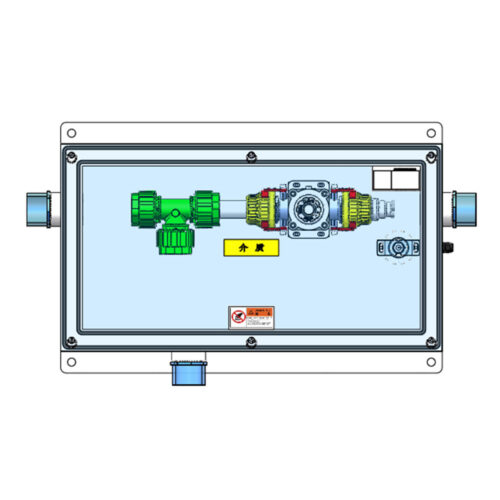
T-BOX JW-TB-C Systema Gasis Distribuendi Speciale Capsulae Distributionis Valvae Gasis
-
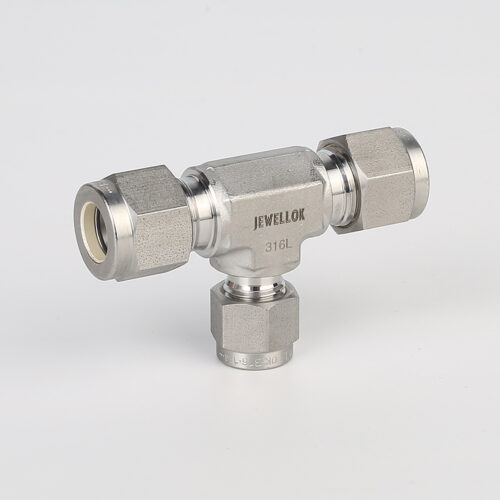
764LR Stainless Steel 316 Reducing Tee UHP Fitting Automatic Buttweld Reducing Tee
-
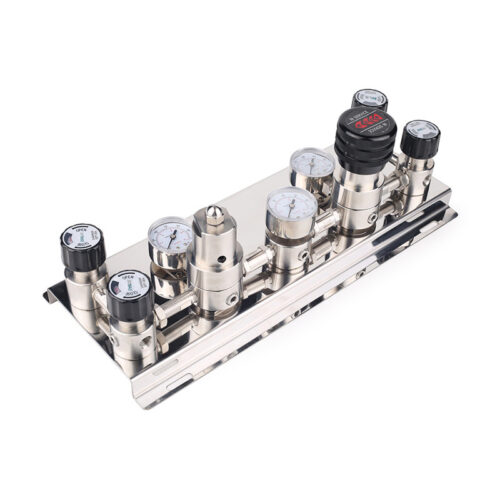
Manifold Commutationis Gasis Specialis Altae Pressurae Chalybis Inoxidabilis ad Oxygenium Nitrogenium Argon Helium Hydrogenium CO2 Altae Puritatis
-
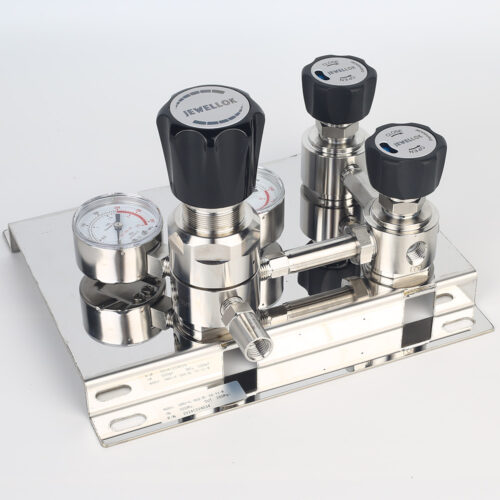
Stainless Steel 316L Single Stage Regulator Pressure Control Panels JSP-1E Series For Semiconductor Fluid Control
-
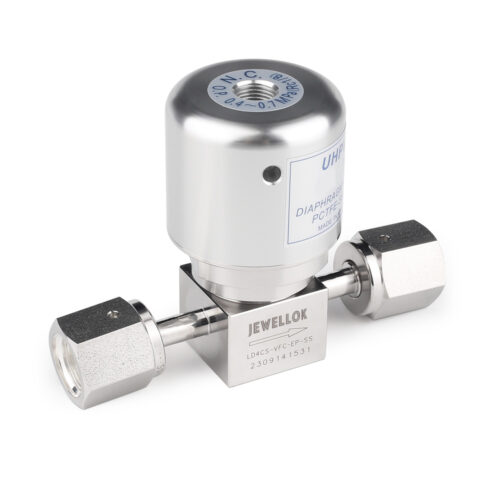
Valvula pneumatica diaphragmatis moderandi, sigillo pressionis humilis chalybis inoxidabilis, ad gases HP et UHP apta.
-
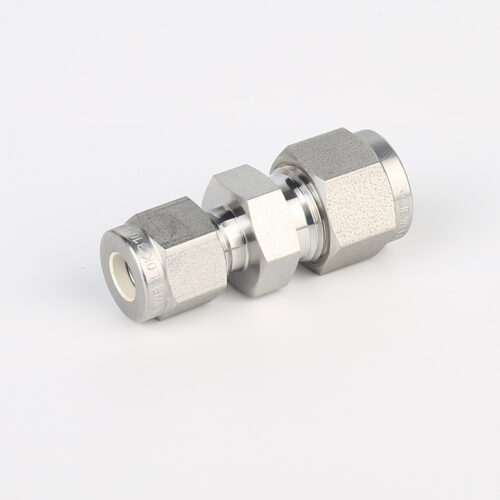
763L Chalybe Inoxidabili Altae Puritatis Pressurae Reducendae Coniunctiones et Tubos Pressurae Reducendae Adaptatio Valvae
-
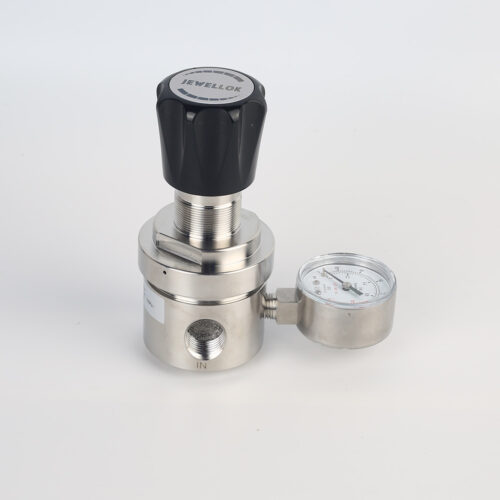
Regulator Pressionis Propani et Nitrogenii Humilis Pressionis, Series JSR-3L et JSR-3LP, Ad Lineam et Tabulam Affixus