
Valves Manufacturer Tel: +86 13380377051
Medical Gas Valve Installation Specifications and Precautions: Preventing Contamination and Leakage
Medical gas valve systems are the lifelines of modern healthcare facilities. From the oxygen used in resuscitation to the suction employed in surgeries, and the nitrous oxide administered for anesthesia, these piped medical gas systems are critical for patient diagnosis, treatment, and life support. Unlike industrial gas applications, medical gases directly interact with the human body, making system purity and reliability paramount.
At the heart of these complex networks are valves—the mechanical components that control the flow, pressure, and direction of these life-sustaining gases. A valve failure in a medical gas system is not merely an operational inconvenience; it can be a catastrophic event leading to patient hypoxia, surgical disruption, or even a fatal gas embolism. Furthermore, leaks can create hazardous environments (such as oxygen-enriched atmospheres that accelerate combustion) or lead to the depletion of essential gas supplies.
Therefore, the installation of medical gas valves is governed by a strict framework of international and national standards, such as NFPA 99 (Health Care Facilities Code) in the United States, HTM 02-01 in the United Kingdom, and ISO 7396-1 internationally. This article outlines the critical specifications and installation precautions for medical gas valves, with a specific focus on the two most critical objectives: preventing contamination and preventing leakage.
Part 1: Understanding the Valve Types and Material Specifications
Before installation begins, it is crucial to select the correct valve for the specific gas and function. Using non-compliant components is the first step toward system failure.
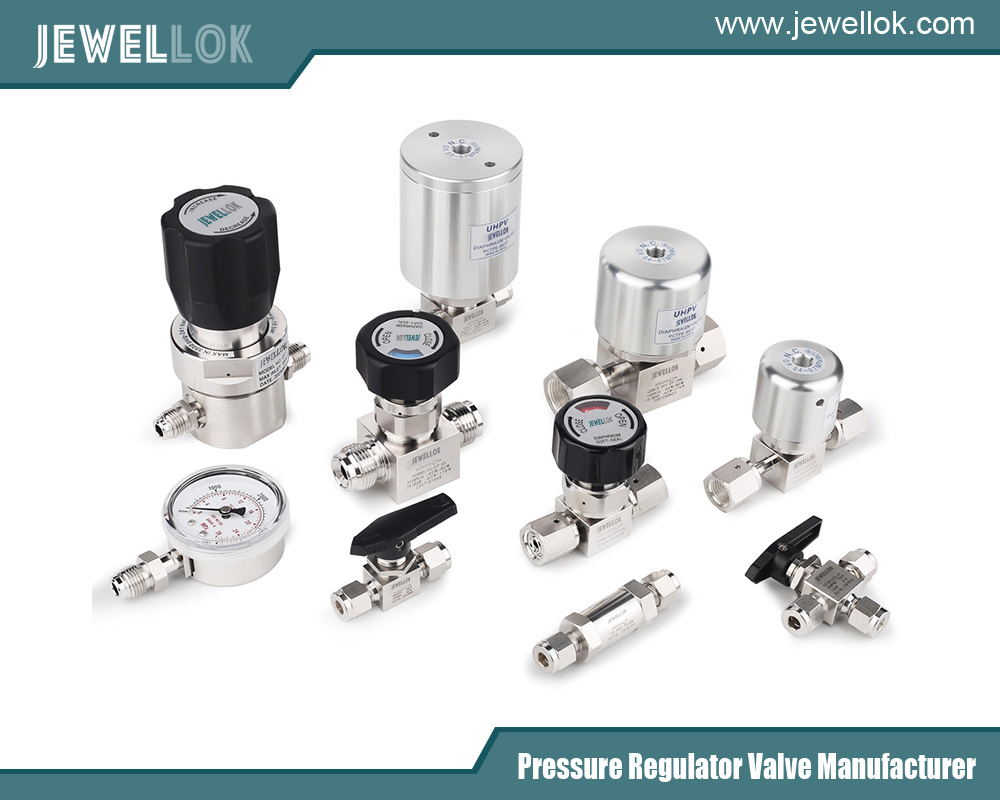
1.1 Valve Types in Medical Gas Systems
-
Ball Valves: The most common type for isolation. They provide a tight seal and are suitable for on/off control. They must be of the full-port design to minimize pressure drop.
-
Check Valves (Non-Return Valves): Installed to ensure gas flows in only one direction. They are critical at manifold connections and cross connections to prevent backflow, which could lead to cross-contamination of gas supplies.
-
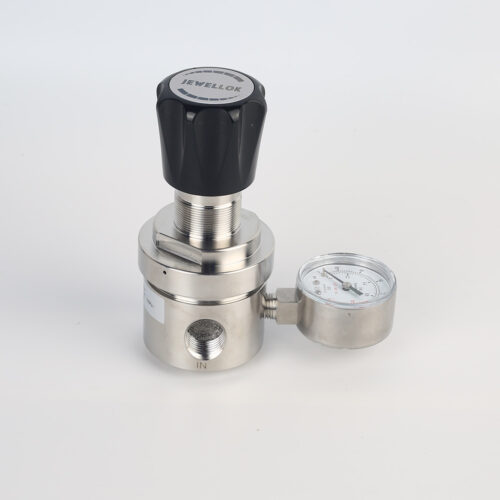
Pressure Regulating Valves: These reduce the high pressure from supply lines to the required working pressure for the facility (typically 50-55 psi). They are precision instruments and must be installed with specific attention to orientation and upstream filtration.
-
Zone Valve Station Valves (ZVSV): Required by codes like NFPA 99, these are boxed assemblies containing isolation valves for specific areas (e.g., a surgical suite or intensive care unit). They allow for rapid shutdown of gases in an emergency or for maintenance without disrupting the entire facility. They must be clearly identified and easily accessible.
1.2 Material Purity and Compatibility
The materials used in valve construction must be compatible with the specific medical gas to prevent corrosion and the release of particulates.
-
Body Material: For most medical gases (Oxygen, Nitrous Oxide, Medical Air), the preferred body material is wrought copper or brass. For vacuum systems, cast brass or stainless steel may be used.
-
Seals and Seats: These are the most vulnerable points for contamination. Seals must be made of materials rated for medical gas service, such as PTFE (Polytetrafluoroethylene) or specific fluorocarbons. They must be non-combustible in high-pressure oxygen environments.
-
Cleanliness for Oxygen Service: Valves intended for oxygen service must be manufactured and packaged specifically for “oxygen cleaning.” This process removes all hydrocarbons, oils, greases, and particulates that could react violently with high-pressure oxygen. Installing a standard industrial valve in an oxygen line is a severe fire hazard. These valves are typically wrapped in protective plastic to maintain cleanliness until the moment of installation.
Part 2: Pre-Installation Protocols: The Foundation of Purity
The cleanliness of a medical gas valve system is established before any pipe or valve is connected. A significant portion of contamination occurs due to poor handling during installation.
2.1 Site Storage and Handling
-
Storage: Valves must be stored in a clean, dry indoor environment. They should remain in their original, unopened packaging until the moment of installation. Storing them outdoors or in dusty construction areas invites debris ingress.
-
Inspection: Before installation, visually inspect the valve. Check for any signs of physical damage to the body, stem, or ends. Verify the packing is intact. If the valve is for oxygen service and the protective caps are missing, the valve must be re-cleaned or returned, as it is now considered contaminated.
2.2 The “Keep Clean” Philosophy
Medical gas installation is often part of a larger construction project. Installers must ensure that the system is kept clean during the “dirty” phases of construction.
-
No Open Ends: Never leave pipes or valve ends open to the atmosphere. Use manufacturer-approved caps and plugs.
-
Blow-Down: Prior to connecting a valve, a clean, oil-free, dry inert gas (like nitrogen) should be blown through the piping to purge any debris that may have entered during cutting or deburring.
Part 3: Installation Best Practices for Leak Prevention
A leak in a medical gas system is a direct pathway to patient harm and environmental hazard. The integrity of every threaded or brazed joint is non-negotiable.
3.1 Brazing vs. Threading
-
Primary Method – Brazing: The preferred and most reliable method for joining valves to copper tubing is brazing with a high-copper filler metal (e.g., BCuP series). Brazing creates a molecular bond that is stronger than the base metal itself.
-
The Nitrogen Purge: This is the most critical step in brazing. An oxygen-free, dry nitrogen flow must be maintained through the pipe during the entire brazing process. This displaces oxygen and prevents the formation of copper oxide (scale) on the inside of the joint. This scale, if formed, can later break loose and contaminate downstream equipment or be breathed in by a patient.
-
Threaded Connections: Threaded connections should be minimized and are often only used for connections to equipment or in valve assemblies. When used, the threads must be sealed with a thread sealant (PTFE tape or pipe dope) that is specifically certified for medical gas oxygen service. Standard white plumbing tape is not acceptable as it can shred and contaminate the system or burn in an oxygen-rich environment.
3.2 Specific Valve Installation Techniques
-
Ball Valves: They should be installed in the “closed” position to prevent debris from entering the ball cavity and damaging the seats during brazing. The stem packing should be checked for tightness but not over-tightened, which could cause the stem to bind.
-
Check Valves: Orientation is critical. An arrow on the valve body indicates the direction of flow. Installing it backward will stop all flow.
-
Zone Valves: These boxes must be mounted securely and permanently. The cover must remain accessible and not blocked by furniture or equipment. The labeling inside the box must be clear, indicating which area or room it controls.
3.3 Support and Stress Relief
Valves, especially heavier ones like large ball valves or regulator stations, create stress on the piping system.
-
Pipe Supports: Pipes must be supported independently according to code (e.g., every 10-15 feet for copper lines). The weight of the pipe and the valve should not be supported by the valve connections themselves. Valves should be independently supported or braced to prevent torque and vibration from being transferred to the brazed joints, which could cause stress fractures over time.
Part 4: The Twin Pillars – Preventing Contamination and Leakage
Let us delve deeper into these two critical goals.
4.1 Preventing Contamination: A Multi-Layered Defense
Contamination in a medical gas system can be particulate, chemical, or microbial.
-
Particulate Contamination: Caused by debris, metal shavings, or brazing scale. Mitigation involves proper cutting/deburring of pipes, the nitrogen purge during brazing, and the installation of in-line filters (typically 100-micron sintered bronze) at specific points like the main line regulators.
-
Chemical Contamination: Caused by oils, solvents, or improper thread sealants. This is prevented by using oxygen-compatible materials, handling valves with clean gloves, and using only approved cleaning agents.
-
Microbial Contamination: Most prevalent in Medical Vacuum and Waste Anesthetic Gas Disposal (WAGD) systems. Valves in these systems must be designed with smooth internal surfaces and no dead legs where moisture and bacteria can accumulate.
4.2 Preventing Leakage: A System of Integrity
Leakage prevention goes beyond just tightening a fitting.
-
Hydrostatic and Pneumatic Testing: After installation, but before the system is placed into service, the entire network must be pressure tested to verify its integrity. This usually involves a high-pressure pneumatic test using oil-free nitrogen or air, followed by a stringent leakage test (holding pressure for a specified time, typically 24 hours, with no drop). Soap bubble tests are performed on all joints to identify micro-leaks.
-
Cross-Connection Testing: A separate test, often using a specialized gas analyzer, verifies that the correct gas is flowing through each valve and outlet. This prevents a fatal mistake where a patient might be connected to nitrogen instead of oxygen.
-
Labeling: A valve that cannot be identified is a hazard. All valves must be clearly and permanently labeled with the gas type and the area it serves. Zone valves must also indicate the “ON” and “OFF” positions. This ensures that in an emergency, the correct valve can be operated immediately.
Part 5: Final Verification and Commissioning
The installation process concludes with rigorous verification.
5.1 System Purging and Verification
After passing pressure tests, the system must be purged to remove the test gas and any final traces of contamination.
-
Purging: The lines are flushed with the specific medical gas they will carry. This purges out the nitrogen test gas.
-
Quality Verification: A representative sample of the gas from the furthest outlet in the system is analyzed. It must meet purity standards for moisture content, oxygen concentration, and the absence of particulates and odors. Only after this analysis passes can the system be commissioned.
5.2 Documentation
The “Installation Specifications” are not complete without a paper trail. “As-built” drawings must show the exact location of every valve, especially zone valves and main shutoffs. Test certificates for brazing, pressure tests, and purity analysis must be compiled. This documentation is essential for future maintenance, troubleshooting, and facility safety audits.
Conclusion
The installation of medical gas valves is a task that demands meticulous attention to detail, strict adherence to codes, and a profound understanding of the consequences of failure. The valve is more than a mechanical component; it is a safety device, a control point, and a guardian of system purity.
From the initial specification of oxygen-cleaned materials to the final torque on a mounting bracket, every action must be guided by the dual objectives of preventing contamination and eliminating leaks. By following the rigorous specifications outlined in codes like NFPA 99 and employing best practices such as the nitrogen purge during brazing and stringent pressure testing, installers ensure that these critical systems perform reliably.
In doing so, they build not just a pipeline network, but a silent, robust foundation that supports the work of doctors and nurses, ultimately contributing to patient safety and positive health outcomes. The integrity of the medical gas system, sealed within its valves and joints, is a non-negotiable pillar of modern healthcare.
For more about medical gas valve installation specifications and precautions: preventing contamination and leakage, you can pay a visit to Jewellok at https://www.jewellok.com/ for more info.
-
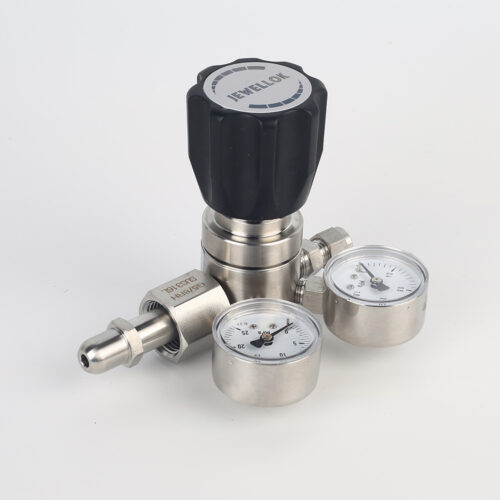
High Purity High Pressure Gas Cylinder Pressure Regulators Pressure Reducing Valve JSR-1E Series
-
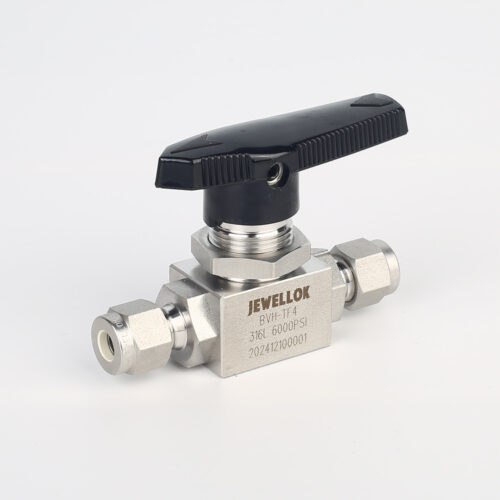
High Purity High Pressure 316 Stainless Steel Ball Valves JBV1 Series From High Pressure Ball Valve Manufacturer And Supplier In China
-
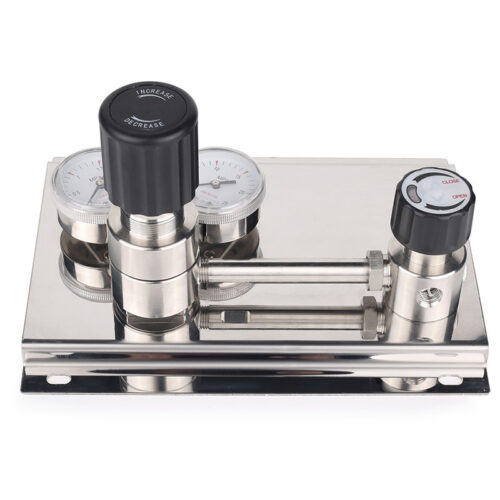
Stainless Steel Fully Automatic Gas Switchover Manifold System Automatic Gas Cylinder Switchover Co2 Cylinder Auto Changeover Controller
-
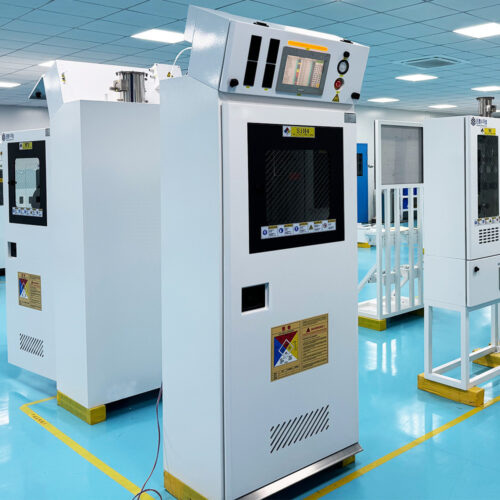
Bulk Specialty Gas Systems (BSGS) Gas Cabinets And Scrubber Tail Gas Treatment Cabinets For High Purity Bulk Specialty Gas Delivery
-
Fully Automated Gas Cabinet For Precise UHP Gas Delivery And High Purity Gas Delivery Systems JW-300-GC
-
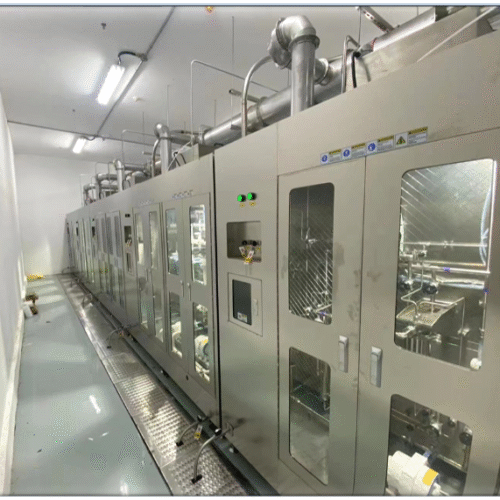
Ultra-High Purity Bulk Liquid Chemical Delivery System (BCDS) for Maintaining Parts-Per-Trillion Purity in Manufacturing
-

Ultra High Purity Liquid Chemical Delivery System And Bulk Chemical Delivery Handling System For Semiconductor Cleanrooms
-
Line And Panel Mounting Adjustable Low Pressure Propane And Nitrogen Pressure Regulator JSR-3L & JSR-3LP Series