
Valves Manufacturer Tel: +86 13380377051
The Critical Role and Safety Regulations of UHP Valves in Medical Oxygen Systems
The reliable and safe delivery of medical oxygen, a lifeline for countless patients, depends on the integrity of every component within the gas supply system. Ultra-High Purity (UHP) valves serve as the critical control points in these systems. This article delves into the indispensable role of UHP valves in maintaining gas purity, ensuring operational reliability, and safeguarding patient and personnel safety within medical oxygen infrastructures. It further explores the stringent design principles, material science, and international safety standards and regulations that govern their manufacture, installation, and maintenance. Understanding these facets is paramount for biomedical engineers, facility managers, and healthcare administrators responsible for critical care infrastructure.
1. The Sanctity of Medical Oxygen Purity
Medical oxygen is classified as a drug in most jurisdictions, meaning its production, storage, and distribution are subject to pharmaceutical-grade regulations. Its primary application—supporting human respiration—leaves zero tolerance for contaminants. Impurities such as hydrocarbons, particulate matter, moisture, or even trace gases can have catastrophic consequences, including respiratory distress, fire hazards, or equipment malfunction.
The distribution network for medical oxygen, from bulk storage tanks and manifolds to bedside outlets in hospitals, is a complex piping system. Valves within this system perform essential functions: isolating sections, controlling flow, regulating pressure, and providing access points for maintenance. However, not just any valve can be used. Standard industrial valves can introduce lethal contaminants through outgassing, particle generation, or improper sealing. This is where Ultra-High Purity (UHP) valves, engineered specifically for high-purity gas service, become non-negotiable components. Their role transcends simple flow control; they are guardians of gas purity and system safety.
2. The Critical Functions of UHP Valves in Medical Oxygen Systems
UHP valves contribute to system integrity through several key functions:
2.1. Preservation of Gas Purity:
This is their paramount function. UHP valves are designed to minimize internal cavities (dead volume) where gas can stagnate and become contaminated. Their internal surfaces are electropolished to a mirror finish (typically with a Ra < 0.25 µm) to prevent particle adhesion and facilitate cleaning. The choice of materials—usually 316L or 316L-VAR (Vacuum Arc Remelted) stainless steel—ensures minimal outgassing and excellent corrosion resistance, preventing the introduction of metallic ions or oxides into the gas stream.
2.2. Ensuring System Integrity and Leak-Prevention:
Medical oxygen systems often operate at high pressures. UHP valves provide bubble-tight shut-off, preventing both upstream-downstream leakage and, crucially, external leakage of oxygen. External leaks not only waste a critical resource but also dramatically increase the local oxygen concentration, creating a severe fire risk in the presence of ignition sources (oil, grease, electrical sparks). Advanced stem sealing technologies using metal diaphragms or double-ferrule designs with Graphite or PTFE packing are employed to achieve and maintain this zero-leakage standard.
2.3. Flow Control and Pressure Management:
From main supply line shut-off valves to fine-control needle valves at analyzer or device inlets, UHP valves enable precise management of oxygen flow and pressure. This is vital for balancing supply to different hospital zones, setting appropriate inlet pressures for respiratory equipment, and ensuring consistent delivery to the patient point-of-use.
2.4. Facilitating Safe Maintenance and Isolation:
UHP valves allow for the safe isolation of sections of the pipeline for maintenance, repair, or expansion without shutting down the entire hospital’s oxygen supply. Their robust design ensures they can be cycled (opened/closed) repeatedly over the system’s lifetime without performance degradation, a key factor for long-term reliability.
3. Design and Material Imperatives for Oxygen Service
The design of UHP valves for oxygen goes beyond purity considerations to address the unique hazards of an oxygen-enriched environment.
3.1. Material Selection – Combustion Resistance:
Under high pressure and flow velocity, contaminants can ignite in an oxygen-rich stream. Materials must therefore be “oxygen-compatible.” This means they have high ignition temperatures and low heat of combustion. Copper alloys (e.g., brass, bronze) are traditionally favored for their excellent oxygen compatibility and natural lubricity but may not meet the highest purity standards for all UHP applications due to potential zinc outgassing. Stainless steel (316L) is the standard for high-pressure, high-purity service but requires careful design to avoid galling (cold welding) of metal parts. Monel is often used for severe service. Non-metallic components like seals and seats must use approved materials such as PTFE (Teflon), PCTFE (Kel-F), or specially formulated perfluoroelastomers (FFKM), which are resistant to oxidation.
3.2. Cleanliness and Surface Finish:
All valve components undergo a rigorous cleaning process to remove manufacturing oils, debris, and particles. This typically involves ultrasonic cleaning in specialized solvents followed by rinsing with high-purity water and solvents. The final assembly is performed in a controlled cleanroom environment. The electropolished internal surface is not only smooth but also passivates the stainless steel, enhancing its corrosion resistance.
3.3. Design for Safety:
-
Minimized Ignition Sources: Designs avoid rapid compression of oxygen (adiabatic compression), a common ignition cause. This is managed by controlling operating speeds and using pressure-equalizing features in larger valves.
-
Fire-Safe Design: In the event of a fire, the valve should maintain its sealing capability for a specified period to prevent feeding the fire.
-
Proper Lubrication: Only oxygen-compatible lubricants, certified for high-pressure oxygen service, can be used. Hydrocarbon-based lubricants are strictly prohibited.
4. Key Safety Standards and Regulations
The application of UHP valves in medical oxygen systems is governed by a robust framework of international and national standards.
4.1. International Standards (ISO):
-
ISO 15001: Anaesthetic and respiratory equipment — Compatibility with oxygen. This is a fundamental standard specifying test methods to ensure that materials used in oxygen systems will not ignite or propagate combustion under defined conditions.
-
ISO 10524: Pressure regulators for use with medical gases. While focused on regulators, it sets the context for upstream component requirements, including cleanliness and materials.
-
ISO 9170: Terminal units for medical gas pipeline systems. Defines the performance and safety requirements for outlet points, which include integral valves.
4.2. Regional and National Standards:
-
United States (FDA / CGA / NFPA): The Food and Drug Administration (FDA) regulates medical gases as drugs. Valves fall under this purview. The Compressed Gas Association (CGA) publishes crucial guidelines like CGA G-4.1, Cleaning Equipment for Oxygen Service, and CGA G-4.4, Industrial Practices for Gaseous Oxygen Transmission and Distribution Piping Systems. The National Fire Protection Association’s NFPA 99, Health Care Facilities Code, is the cornerstone standard for all medical gas systems, dictating design, installation, testing, and maintenance protocols.
-
European Union (EU): Medical devices, including critical system components, must comply with the Medical Device Regulation (MDR 2017/745). Harmonized standards like EN ISO 15001 and EN 739 (Low-pressure hose assemblies for medical gases) provide the technical basis for compliance.
-
Pharmacopoeias: While not standards for valves per se, the USP (United States Pharmacopeia) and EP (European Pharmacopoeia) monographs for medical oxygen define the final gas purity requirements, which the entire system, including valves, must deliver.
5. Installation, Operation, and Maintenance Best Practices
Adherence to standards must continue into the field.
5.1. Installation: Must be performed by qualified personnel certified in medical gas pipeline installation (e.g., ASSE 6010 in the US). Tools must be clean and dedicated to oxygen service. The system must be rigorously purged and pressure-tested before being put into service.
5.2. Operation: Personnel should be trained to operate valves correctly—avoiding sudden opening/closing of high-pressure valves and understanding the system layout. Valve positions (open/closed) should be clearly marked.
5.3. Maintenance: A preventive maintenance schedule is essential. This includes periodic leak checks, functional testing, and, as per manufacturer guidelines, internal inspection or replacement of dynamic seals. Any maintenance must follow strict procedures to prevent contamination, using oxygen-compatible replacement parts and revalidating the system’s cleanliness and integrity afterward.
6. Conclusion
UHP valves are far more than mere mechanical accessories in a medical oxygen system; they are precision-engineered safety devices integral to therapeutic efficacy and hazard prevention. Their critical role in maintaining the pharmaceutical purity of oxygen and ensuring the leak-tight, reliable operation of the distribution network is underpinned by sophisticated design, meticulous material science, and a strict regime of international safety standards. For healthcare facilities, investing in certified UHP components, employing qualified technicians, and adhering to codes like NFPA 99 is not just a regulatory obligation—it is a fundamental aspect of patient safety and clinical risk management. As medical technologies advance and hospital systems grow more complex, the silent, reliable performance of these UHP valves will remain a cornerstone of safe and effective respiratory care.
For more about the critical role and safety regulations of UHP valves in medical oxygen systems, you can pay a visit to Jewellok at https://www.jewellok.com/ for more info.
-
775L Bulkhead Reducing Union | Stainless Steel High Purity Double Ferrule Bulkhead Reducing Unions
-
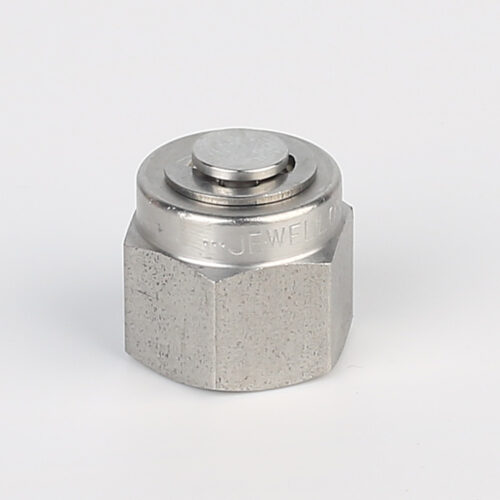
7121L Plug High Purity Plug Fitting And Blanking Plug
-
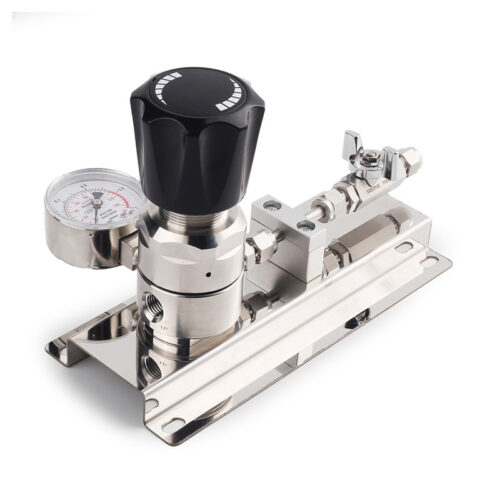
Ultra High Purity Stainless Steel Compressed Gas Changeover Manifold Panel System For Integrated Gas Supply System
-
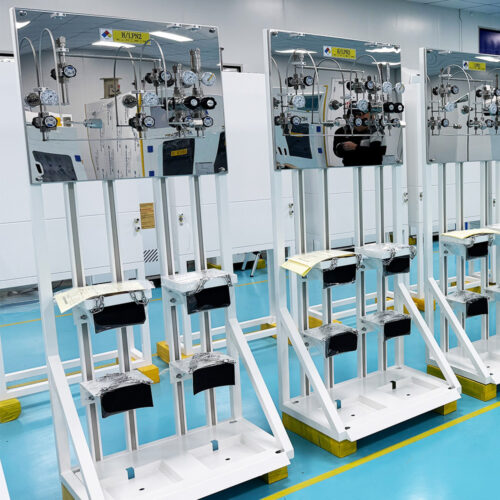
Manual Gas Rack High Purity Gas Delivery Systems JW-100-GR
-
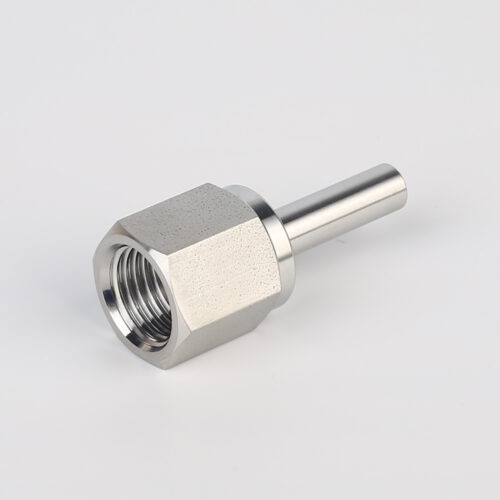
739LF High Purity Female Adapter Tube To Pipe Fittings And Connectors
-
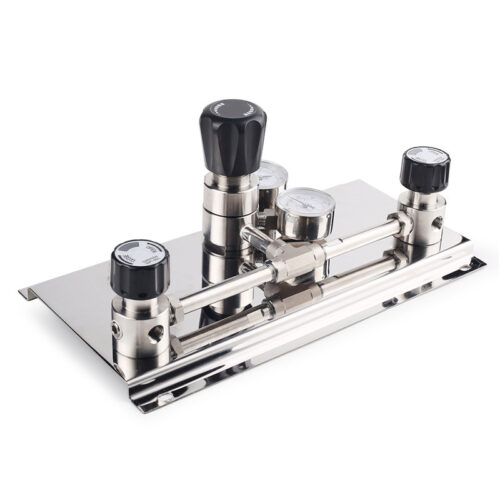
High Purity Semi-Auto Stainless Steel Changeover Manifold System, Nitrogen High Pressure Control Panel With Semiconductor Valve Manifold Box Diaphragm Valves
-
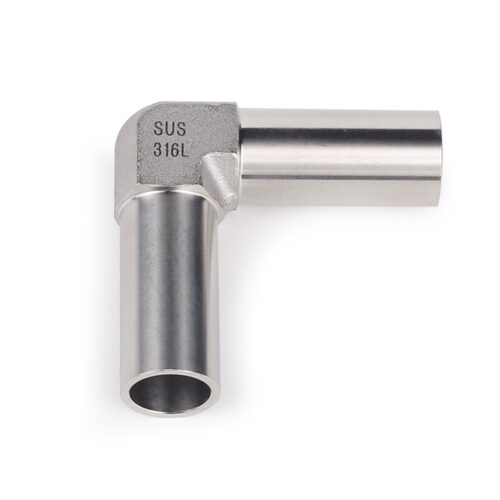
High Purity Stainless Steel Mini Tube Butt Weld Fittings For Semiconductor
-
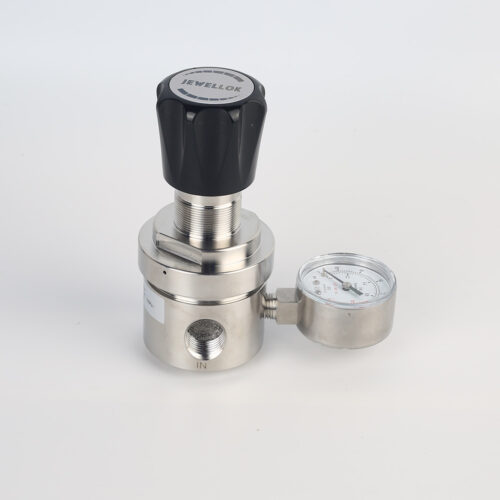
Line And Panel Mounting Adjustable Low Pressure Propane And Nitrogen Pressure Regulator JSR-3L & JSR-3LP Series