
Valves Manufacturer Tel: +86 13380377051
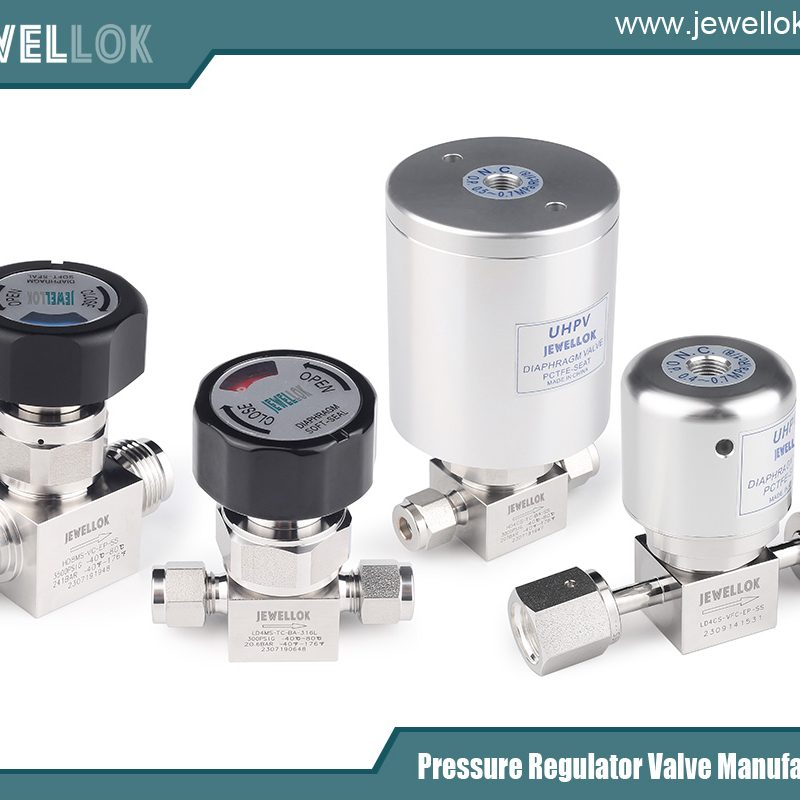
UHP Pneumatic Diaphragm Valves: Precision Engineering for Ultra-High Purity Applications
In the realm of fluid control systems, Ultra-High Purity (UHP) pneumatic diaphragm valves stand out as critical components designed to maintain the integrity of sensitive processes. These valves are engineered to handle gases and liquids with minimal risk of contamination, making them indispensable in industries where even trace impurities can compromise product quality or safety. UHP refers to systems that require purity levels exceeding 99.999%, often measured in parts per billion (ppb) or even parts per trillion (ppt). Pneumatic actuation adds an layer of automation, allowing for remote operation and integration into complex control systems.
The evolution of UHP pneumatic diaphragm valves has been driven by advancements in semiconductor manufacturing, biopharmaceutical production, and specialty gas handling. These valves combine robust mechanical design with materials that resist corrosion and particle generation. Unlike traditional ball or gate valves, diaphragm valves use a flexible membrane to isolate the fluid path from the actuator, ensuring no metal-to-metal contact that could introduce contaminants. This article delves into the technical aspects of these valves, exploring their design, operation, benefits, and applications.
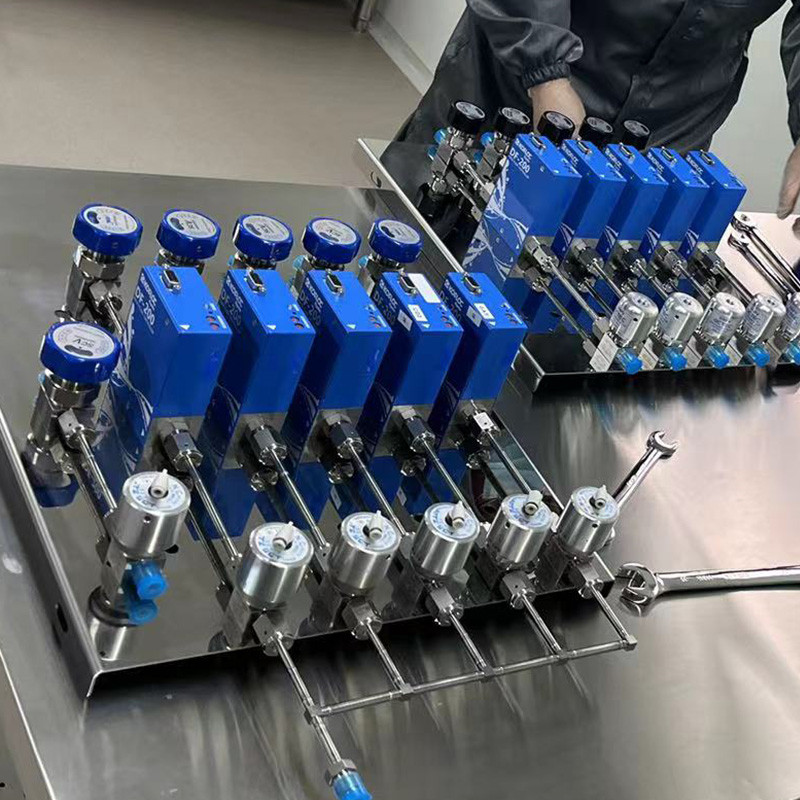
Design and Construction
The core of a UHP pneumatic diaphragm valve lies in its meticulous design, optimized for purity and reliability. The valve body is typically constructed from high-grade stainless steel, such as 316L or electropolished variants, to minimize surface roughness and prevent particle adhesion. Surface finishes often achieve Ra values below 0.25 micrometers, ensuring a mirror-like interior that facilitates easy cleaning and reduces microbial growth risks.
The diaphragm itself is the valve’s hallmark feature—a flexible barrier made from materials like PTFE (polytetrafluoroethylene), EPDM (ethylene propylene diene monomer), or specialized elastomers. PTFE diaphragms are favored in UHP applications due to their chemical inertness, low extractables, and ability to withstand temperatures from -40°C to 150°C. Multi-layer diaphragms, sometimes reinforced with fabric or metal, enhance durability and pressure resistance, with ratings up to 10 bar or more.
Pneumatic actuation is achieved through a piston or bellows system powered by compressed air, typically at 4-7 bar. The actuator housing is often made from aluminum or stainless steel, with seals ensuring leak-tight performance. Spring-return mechanisms provide fail-safe operation, closing the valve in case of air supply failure. For UHP environments, actuators may include position indicators, limit switches, or solenoid valves for integration with PLC (Programmable Logic Controller) systems.
Connections are another critical aspect. UHP valves commonly feature face-seal fittings like VCJ (Vacuum Coupling Radiation) or orbital weld ends, which eliminate dead spaces where contaminants could accumulate. These designs comply with standards such as SEMI (Semiconductor Equipment and Materials International) guidelines, ensuring compatibility in cleanroom settings.
Working Principle
The operation of a UHP pneumatic diaphragm valve is straightforward yet highly effective for purity control. In the closed position, the diaphragm is pressed against the valve seat by the actuator stem, creating a hermetic seal. When pneumatic pressure is applied to the actuator, it retracts the stem, allowing the diaphragm to flex upward and open the flow path. This movement is precise, with stroke lengths typically ranging from 2-5 mm, minimizing wear on the diaphragm.
Flow dynamics are optimized through weir-type or straight-through body designs. Weir-type valves offer better throttling control, while straight-through variants reduce pressure drop and enhance cleanability. Cv values (flow coefficients) vary from 0.1 to 10, depending on size, enabling fine-tuned flow rates.
Pneumatic control allows for rapid cycling—up to 100 operations per minute in some models—making these valves suitable for dosing or pulsing applications. Electronic positioners can further refine control, achieving accuracies within 1% of setpoint. In UHP scenarios, the isolation of the fluid from the actuator prevents any cross-contamination, as the diaphragm acts as a dynamic seal without packing glands or O-rings exposed to the process media.
Advantages in UHP Environments
UHP pneumatic diaphragm valves offer several technical advantages that justify their use in demanding applications. Foremost is contamination control: the diaphragm design eliminates particle generation from sliding or rotating parts, crucial in semiconductor fabs where a single particle can ruin a wafer. Leak rates are exceptionally low, often below 1×10^-9 mbar l/s, surpassing helium leak test standards.
Reliability is enhanced by the pneumatic actuation, which provides consistent force without electrical hazards in explosive atmospheres. These valves exhibit long service life, with diaphragms enduring over 1 million cycles before replacement. Maintenance is simplified, as diaphragm changes can be performed without removing the valve from the line, reducing downtime.
Energy efficiency is another benefit; pneumatic systems consume less power than electric actuators in high-cycle operations. Moreover, their compact size—ranging from 1/4″ to 2″ ports—allows integration into space-constrained setups. Compliance with regulations like FDA (Food and Drug Administration) for biopharma or ATEX for hazardous areas further broadens their appeal.
However, these advantages come with considerations. Diaphragms can fatigue under extreme pressures or temperatures, necessitating regular inspections. Actuator sizing must account for process pressure to ensure proper closure.
Applications Across Industries
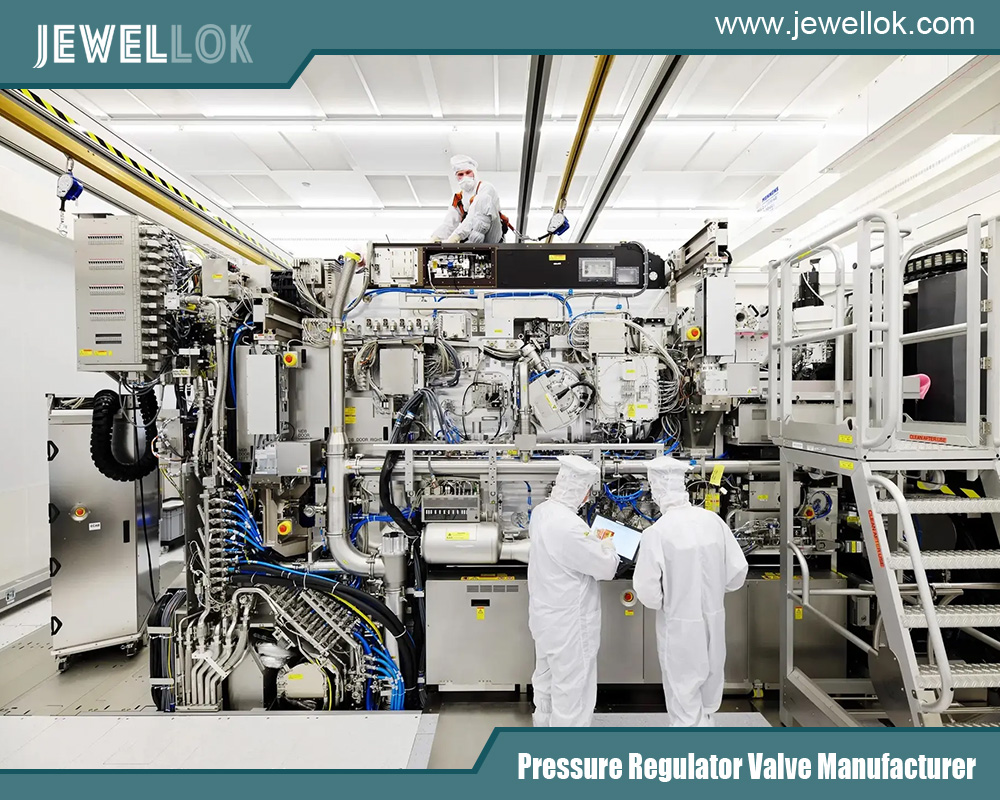
The versatility of UHP pneumatic diaphragm valves is evident in their widespread adoption. In semiconductor manufacturing, they control the flow of ultrapure gases like nitrogen, argon, and silane during chemical vapor deposition (CVD) and etching processes. Their purity ensures defect-free chip production, supporting the miniaturization trends in microelectronics.
In biopharmaceuticals, these valves handle sterile fluids in fermentation, purification, and filling lines. They prevent microbial ingress, complying with cGMP (current Good Manufacturing Practices) and enabling aseptic processing. For example, in monoclonal antibody production, they dose media with precision, minimizing batch variability.
Specialty gas industries rely on them for cylinder filling and distribution, where impurities could alter gas properties. In analytical instrumentation, such as gas chromatography, they switch sample streams without introducing artifacts.
Emerging applications include hydrogen fuel cells and photovoltaic manufacturing, where UHP conditions are vital for efficiency and safety. In these contexts, valves may incorporate smart sensors for predictive maintenance, integrating with IoT (Internet of Things) platforms.
Maintenance and Operational Considerations
To maximize performance, proper maintenance is essential. Visual inspections for diaphragm cracks or actuator leaks should be routine. Cleaning protocols often involve CIP (Clean-In-Place) with ultrapure water or solvents, followed by steam sterilization up to 135°C.
Selection criteria include media compatibility, pressure/temperature ratings, and flow requirements. Engineers must calculate pressure drops using Hagen-Poiseuille equations for laminar flows common in UHP systems. Installation in vertical orientations minimizes trapping, and redundant valves enhance system reliability.
Challenges include cost—UHP models can be 5-10 times pricier than standard valves—and the need for skilled technicians. However, the return on investment is high in purity-critical operations.
Conclusion
UHP pneumatic diaphragm valves represent a pinnacle of fluid control technology, blending mechanical precision with material science to safeguard ultra-pure processes. Their design mitigates contamination risks, while pneumatic actuation ensures efficient, automated operation. As industries like semiconductors and biopharma advance, these valves will continue to evolve, incorporating smarter controls and sustainable materials. Understanding their technical nuances empowers engineers to optimize systems for reliability and performance, ultimately driving innovation in high-purity applications.
For more about UHP pneumatic diaphragm valves, you can pay a visit to Jewellok at https://www.specialtygasregulator.com/product-category/ultra-high-purity-diaphragm-valves/ for more info.
-
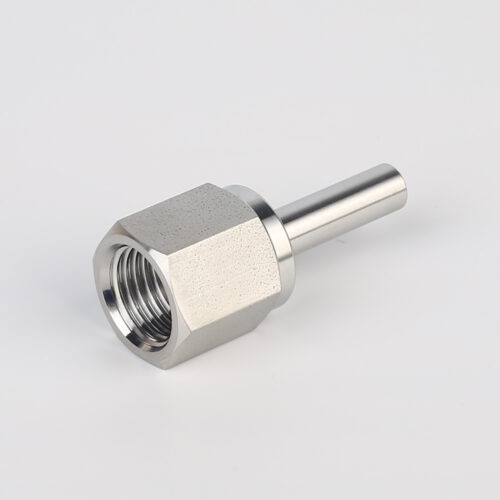
739LF High Purity Female Adapter Tube To Pipe Fittings And Connectors
-
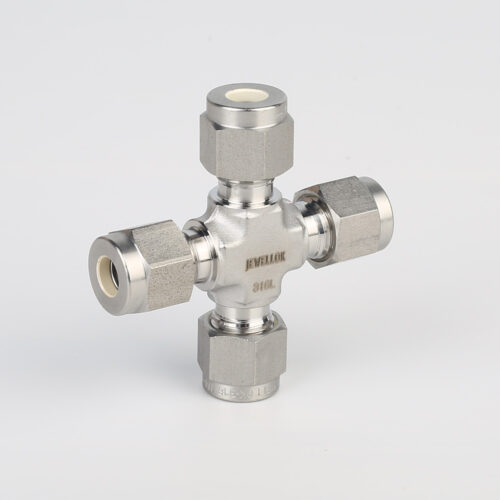
7102L Stainless Steel 316L SS Union Cross Ultra High Purity Long Arm Union Elbow Tee Cross Butt Weld Fittings
-
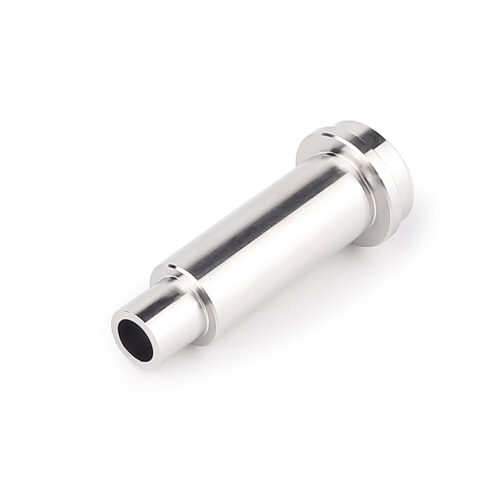
UHP Metal Gasket Face Seal Fittings Vacuum Coupling Metal Face Seal Join Long Gland And Short Gland
-

Automated Bulk Liquid Chemical Delivery System (BCDS) with PLC Controls for High-Volume Industrial Fluid Transport
-
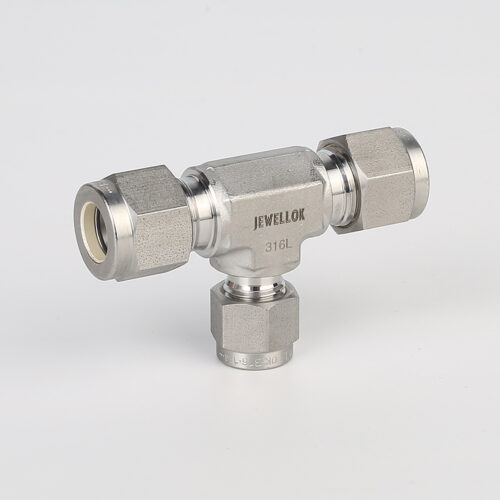
764LR Stainless Steel 316 Reducing Tee UHP Fitting Automatic Buttweld Reducing Tee
-
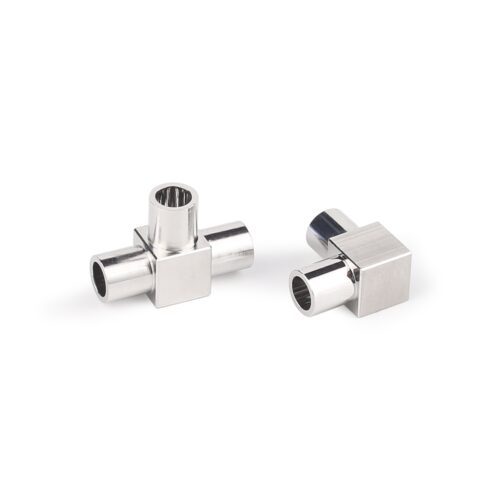
Stainless Steel Mini Elbow Mini Tee Mini Cross Mini Tribow Ultrahigh Purity Mini Butt Weld Fittings
-
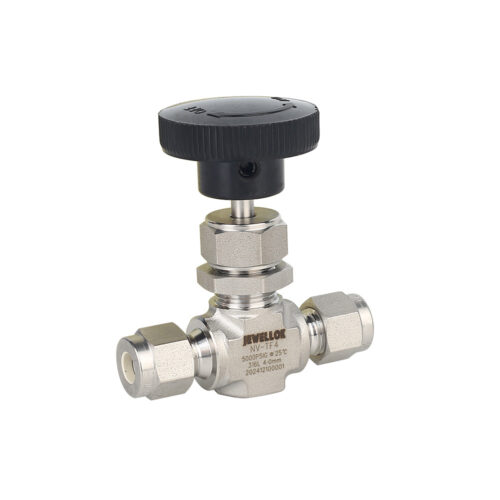
High Purity High Pressure Stainless Steel Needle Valve Natural Gas Flow Control Valve JNV Series
-
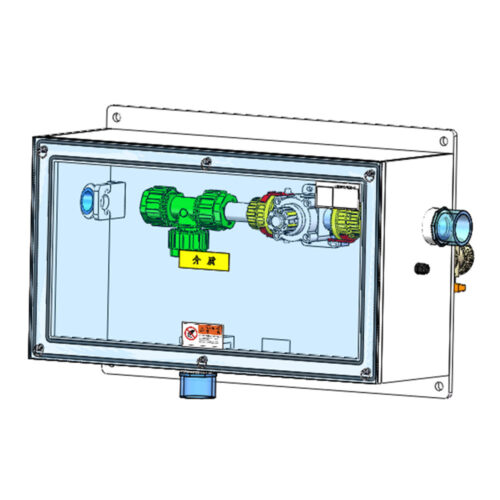
Scrubber Tail Gas Treatment Cabinet Waste Gas Treatment Wet Scrubber Exhaust Gas Treatment Spray Tower