
Valves Manufacturer Tel: +86 13380377051
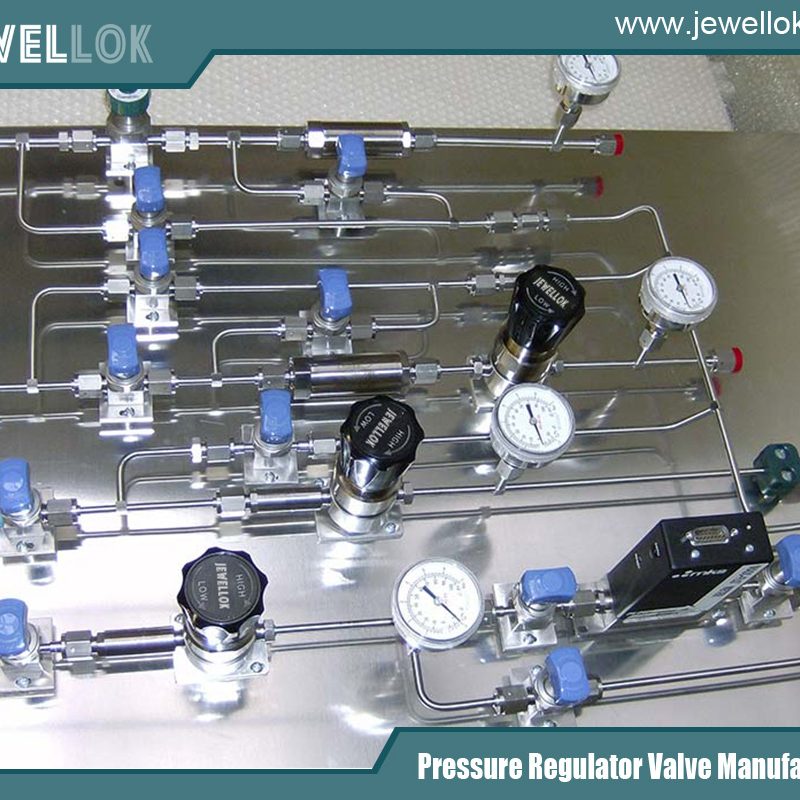
Ultra High Purity Gas Pressure Regulator: Ensuring Precision in Critical Applications
In the realm of industrial gas handling, the ultra high purity (UHP) gas pressure regulator stands as a cornerstone of precision engineering. These devices are designed to control and reduce the pressure of gases while maintaining an exceptionally high level of purity, often exceeding 99.9999% (6N purity). Unlike standard pressure regulators, UHP variants are engineered for environments where even trace contaminants can compromise processes, such as semiconductor fabrication, pharmaceutical production, and advanced materials research.
The demand for UHP gas pressure regulators has surged with the growth of high-tech industries. For instance, in semiconductor manufacturing, gases like nitrogen, argon, and hydrogen must be delivered at precise pressures without introducing impurities that could lead to defects in microchips. This article delves into the technical aspects of these regulators, exploring their design, operation, materials, applications, and maintenance requirements.
Working Principle
At its core, a UHP gas pressure regulator operates on the principle of pressure reduction through mechanical control. It typically consists of an inlet port connected to a high-pressure gas source, a sensing element (often a diaphragm), a control mechanism (such as a poppet or piston), and an outlet port for the regulated gas.
There are two primary types: single-stage and dual-stage regulators. Single-stage regulators reduce pressure in one step, making them suitable for applications where inlet pressure is relatively stable. They feature a simple design with a diaphragm that senses outlet pressure and adjusts a valve to maintain the desired level. For example, a tied-diaphragm configuration seals the gas path, preventing leaks and contamination.
Dual-stage regulators, on the other hand, perform pressure reduction in two sequential stages. The first stage handles the bulk reduction from high inlet pressures (up to 3000 psig or more), while the second stage fine-tunes the output for greater stability. This design minimizes fluctuations caused by varying inlet pressures, which is crucial in ultra-sensitive processes. Inlet gauges often range from 0 to 4000 psig, and outlet assemblies may include needle valves or flow meters for precise control.
Advanced models incorporate features like back-pressure regulation, where the device maintains upstream pressure by venting excess gas. This is particularly useful in analytical instrumentation. The regulators often use spring-loaded mechanisms or pneumatic actuation to achieve setpoint accuracy within ±1% of the desired pressure.
Materials and Construction
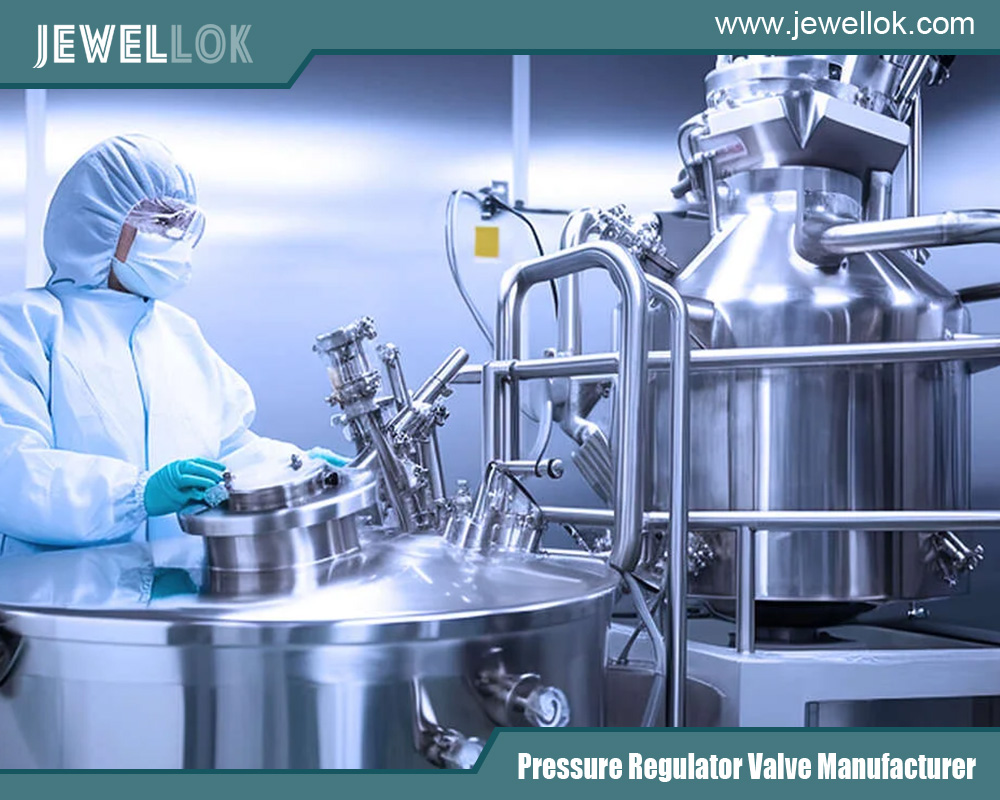
The purity demands of UHP applications necessitate specialized materials that resist corrosion, outgassing, and particle generation. The body of the regulator is commonly constructed from 316L stainless steel, which offers excellent chemical resistance and low extractables. Electropolishing of internal surfaces reduces roughness, minimizing sites for contaminant adhesion.
Seals and diaphragms are critical components. Traditional elastomers are avoided due to their potential for off-gassing volatile organic compounds. Instead, materials like polytetrafluoroethylene (PTFE), perfluoroelastomers (FFKM), or polyimide-based compounds such as Vespel are used. These provide hermetic sealing while withstanding temperatures from -40°C to 150°C and pressures up to 500 psig in the regulated line.
For ultra-high purity, regulators may employ metal-to-metal seals or welded constructions to eliminate potential leak paths. Surface mount designs, like those in modular gas delivery systems, allow for compact integration with minimal dead volume, reducing purge times and contamination risks. Helium leak testing is standard, with rates as low as 10^-9 atm-cc/sec ensuring integrity.
In terms of flow capacity, high-flow models can handle rates up to several liters per minute, while low-flow variants are optimized for trace gas analysis. Purity levels are maintained through cleanroom assembly and packaging, often under ISO Class 100 conditions.
Applications
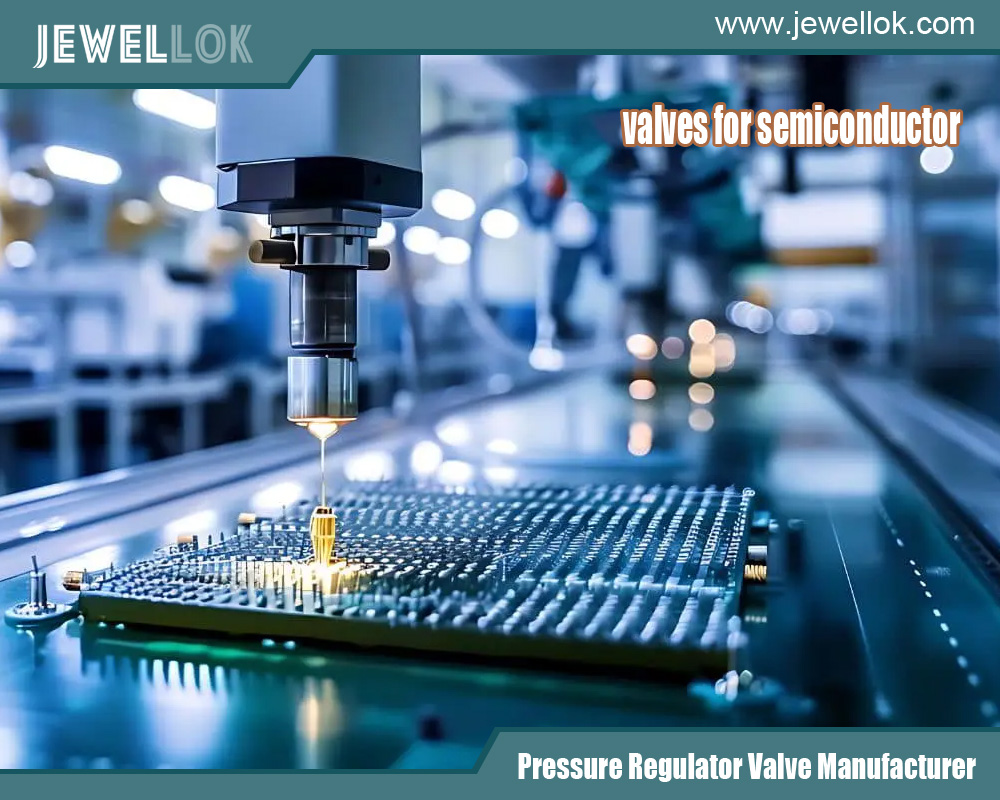
UHP gas pressure regulators find extensive use across industries requiring contaminant-free gas delivery. In semiconductor and photovoltaic manufacturing, they regulate specialty gases for etching, deposition, and doping processes. For example, in chemical vapor deposition (CVD), precise control of silane or ammonia pressure ensures uniform thin-film growth on wafers.
In the pharmaceutical sector, these regulators support gas chromatography and mass spectrometry, where impurities could skew analytical results. Biotechnology applications, such as cell culture incubators, rely on them for CO2 and O2 supply without microbial contamination risks.
Aerospace and defense utilize UHP regulators for propulsion systems and environmental testing, handling gases like helium for leak detection. In fiber optics production, they control argon for plasma processes. Emerging fields like quantum computing benefit from their ability to deliver ultra-pure helium for cryogenic cooling.
Overall, these devices enable compliance with stringent standards, such as SEMI (Semiconductor Equipment and Materials International) guidelines, ensuring process reliability and product quality.
Selection Criteria
Choosing the right UHP gas pressure regulator involves evaluating several factors. First, consider the gas type—corrosive gases like chlorine require enhanced materials, while inert gases like nitrogen allow for standard configurations. Pressure ranges must match the application: inlet pressures up to 3000 psig and outlet from vacuum to 500 psig are common.
Flow requirements dictate the Cv value (flow coefficient), with higher values for bulk gas delivery. Purity specifications, often 5.0 to 7.0 grades, guide material selection. Environmental conditions, including temperature and vibration, influence design choices like vibration-dampening features.
Compatibility with system interfaces, such as CGA (Compressed Gas Association) connections (e.g., CGA 580 for inert gases), is essential. Budget considerations balance initial cost with long-term reliability, as premium models reduce downtime.
Maintenance and Safety
Proper maintenance is vital for sustaining performance. Regular inspections check for leaks using helium mass spectrometry. Diaphragms and seals should be replaced periodically, following manufacturer guidelines—typically every 1-2 years in high-use scenarios.
Cleaning involves purging with inert gas and avoiding solvents that could introduce residues. Safety protocols include pressure relief valves to prevent over-pressurization and burst discs for catastrophic failure protection.
Operators must wear appropriate PPE and follow lockout-tagout procedures during servicing. In hazardous environments, explosion-proof designs comply with ATEX or NEC standards.
Future Trends
As industries push for higher efficiencies, UHP regulators are evolving with smart features like integrated sensors for real-time pressure monitoring and IoT connectivity for predictive maintenance. Materials advancements, such as nanostructured coatings, promise even lower outgassing.
Sustainability drives designs with recyclable components and reduced helium usage in testing. Integration with automated gas panels will streamline operations in smart factories.
In conclusion, the ultra high purity gas pressure regulator exemplifies engineering excellence, safeguarding the integrity of high-stakes processes. Its role in advancing technology underscores the importance of precision in gas management.
For more about ultra high purity gas pressure regulator, you can pay a visit to Jewellok at https://www.specialtygasregulator.com/product-category/ultra-high-purity-gas-regulators/ for more info.
-
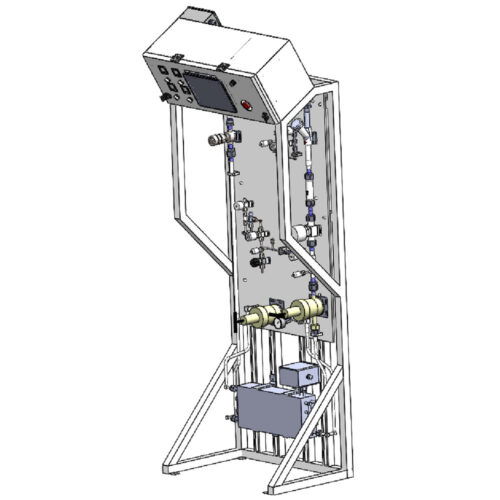
Fully Automated Gas Cabinet Gas Rack Gas Delivery Systems JW-300-GR
-
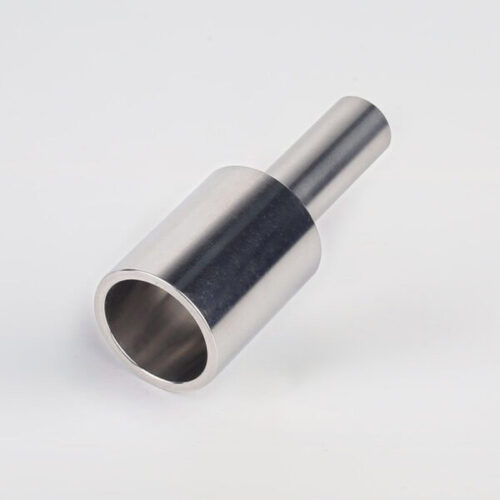
316L Stainless Steel Tube Butt Weld Reducing Fittings Union Reducer RW Series Ultrahigh Purity Process
-

Automated Bulk Liquid Chemical Delivery System (BCDS) with PLC Controls for High-Volume Industrial Fluid Transport
-
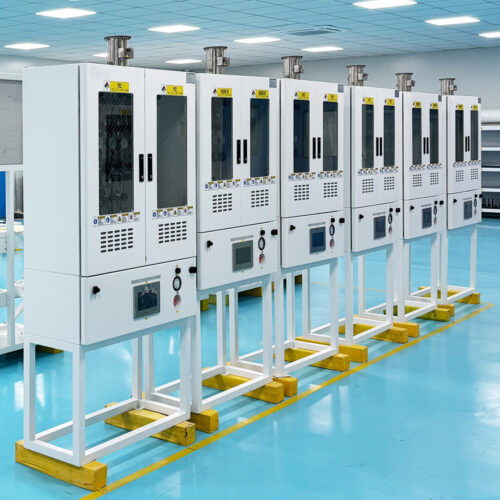
VMB Valve Manifold Panels And Boxes High Purity Configurable Systems JW-200-VMB & JW-100-VMB
-
VMB Valve Manifold Box And Panel Gas Cabinet, BSGS Gas Cabinets, TMA Gas Cabinets, Scrubber Tail Gas Treatment Cabinets
-
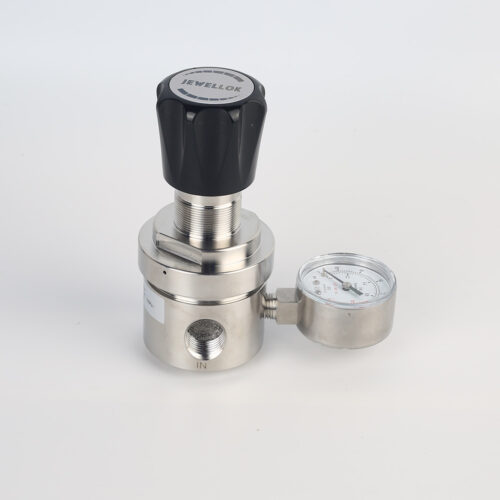
Line And Panel Mounting Adjustable Low Pressure Propane And Nitrogen Pressure Regulator JSR-3L & JSR-3LP Series
-
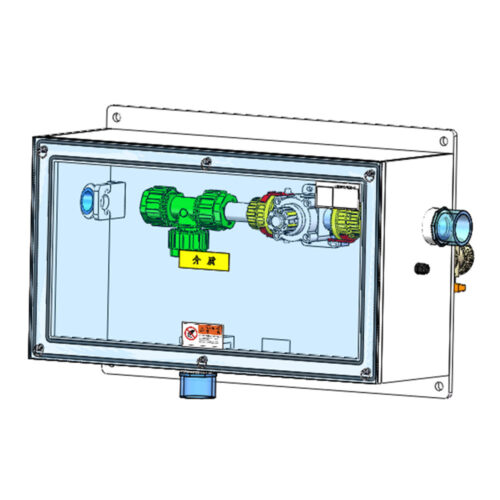
Scrubber Tail Gas Treatment Cabinet Waste Gas Treatment Wet Scrubber Exhaust Gas Treatment Spray Tower
-
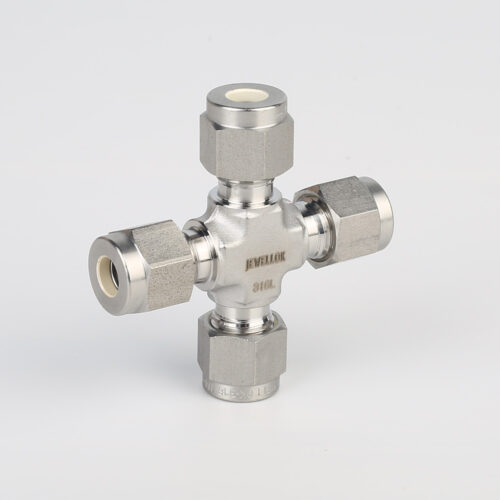
7102L Stainless Steel 316L SS Union Cross Ultra High Purity Long Arm Union Elbow Tee Cross Butt Weld Fittings