
Valves Manufacturer Tel: +86 13380377051
What Impact Does Low Temperature Environment Have on High-Pressure Argon Gas Regulator?
In the realm of cryogenic applications, argon plays a pivotal role due to its inert properties, making it indispensable in industries such as aerospace, medical imaging, welding, and semiconductor manufacturing. Liquid argon, stored at temperatures around -186°C (-303°F), is often vaporized for use in gaseous form, requiring precise pressure regulation to ensure safe and efficient delivery. High-pressure argon gas regulators are critical components in these systems, controlling the flow and pressure from storage tanks or cylinders through vaporizers to end-use points. These regulators must operate reliably in extreme sub-zero environments, where temperatures can plummet to cryogenic levels, posing significant challenges to their internal components.
At the heart of regulator performance are seals and diaphragms, which maintain pressure integrity and respond to fluctuations. Seals prevent leaks between high- and low-pressure zones, while diaphragms act as sensing elements, adjusting the valve orifice to stabilize outlet pressure. However, low temperatures profoundly impact these components, leading to material degradation, loss of flexibility, and potential system failures. This article explores how the low-temperature performance of seals and diaphragms affects regulator functionality in cryogenic argon setups, such as liquid argon vaporization systems. It also delves into essential material and design modifications to mitigate these effects, drawing on engineering principles and industry practices to ensure reliable operation. Understanding these factors is crucial for preventing safety hazards like gas leaks, pressure instability, or equipment downtime, which could have catastrophic consequences in high-stakes environments.
The discussion is grounded in the physics of cryogenic materials and real-world applications, highlighting why standard regulators falter in cold conditions and how specialized adaptations enable robust performance. By addressing these challenges, engineers can optimize systems for efficiency, longevity, and safety.
Background on High-Pressure Argon Gas Regulators in Cryogenic Environments
Liquid argon vaporization systems exemplify cryogenic engineering, where argon is stored as a liquid in insulated tanks or cylinders to minimize space and maximize transport efficiency. Vaporization occurs through heat exchangers or ambient air vaporizers, converting the liquid to gas for distribution. High-pressure regulators are integral here, positioned downstream of vaporizers or directly on cylinders to reduce inlet pressures (often up to 550 psig) to usable outlet levels (e.g., 25-350 psig). These devices maintain consistent pressure despite varying demand, preventing overpressurization that could rupture lines or underpressurization that starves processes.
In cryogenic setups, regulators face dual challenges: handling the cold gas post-vaporization and potential direct exposure to liquid argon during pressure buildup. For instance, in bulk storage systems, a pressure-building coil vaporizes liquid to maintain tank headspace pressure, feeding into regulators. Economizer regulators, like those in the RG or ECL series, automatically switch between liquid and gas withdrawal to optimize usage and minimize venting losses. These systems operate at temperatures as low as -320°F, where standard materials brittle and fail.
Regulator types include direct-operated (using diaphragms for pressure sensing) and dome-loaded (for precise control in fluctuating flows). In argon applications, they must comply with standards like CGA G-4.1 for oxygen-compatible cleaning, even though argon is inert, to avoid contamination risks. The Joule-Thomson effect further complicates matters, as gas expansion through the regulator causes additional cooling, potentially icing components and exacerbating low-temperature issues. Reliable operation demands regulators that not only control pressure but also withstand thermal cycling, vibration, and corrosive impurities that might form at low temperatures.
Role of Seals and Diaphragms in Regulator Functionality
In pressure regulators, seals and diaphragms are fundamental to maintaining system integrity. Seals, often O-rings or gaskets, create barriers between internal chambers, preventing fluid migration from high-pressure inlets to low-pressure outlets or the atmosphere. They ensure leak-tightness under static and dynamic conditions, crucial for containing argon gas and avoiding losses or hazards.
Diaphragms serve as flexible membranes that sense pressure differentials, translating them into mechanical action to modulate the valve poppet or piston. In direct-operated regulators, the diaphragm expands or contracts with outlet pressure changes, adjusting the orifice to stabilize flow. Materials must balance flexibility for responsiveness with durability against pressure cycles. In cryogenic argon regulators, these components encounter extreme conditions, where their performance directly influences overall functionality, from pressure accuracy to safety.
Effects of Low Temperatures on Seals and Diaphragms
Low temperatures induce several detrimental changes in seals and diaphragms, primarily due to material physics. Elastomers, common in standard designs, undergo glass transition (T_g), where they shift from rubbery to glassy states, losing elasticity and becoming brittle. For instance, nitrile rubber hardens below -40°C, cracking under stress and failing to conform to sealing surfaces, leading to micro-leak paths.
Thermal contraction is another key effect: elastomers shrink more than metals (differential coefficients of thermal expansion), reducing compression and seal squeeze. This can drop gland fill below spec, allowing leaks under low pressure. In diaphragms, contraction stiffens the material, impairing responsiveness to pressure changes and causing sluggish actuation.
Brittleness increases fracture risk during installation or operation; for example, neoprene films thicker than 5 mils crack at 76 K (-197°C). Lubrication challenges arise as fluids thicken or solidify, heightening friction and wear in dynamic seals. Outgassing in vacuum-like cryogenic conditions contaminates systems, while explosive decompression from absorbed gases ruptures seals upon warmup.
In argon regulators, the Joule-Thomson cooling exacerbates these, potentially freezing moisture on diaphragms and locking them in place. Cryogenic blistering affects carbon-based materials, where trapped moisture expands and damages structures. Overall, these effects compromise sealing efficiency, leading to progressive degradation.
Impact on Regulator Functionality
Poor low-temperature performance of seals and diaphragms directly undermines regulator functionality. Leaks from brittle or contracted seals allow argon escape, reducing system efficiency and posing asphyxiation risks in enclosed spaces. In vaporization systems, this can lead to pressure instability, with outlet fluctuations causing process disruptions or equipment damage.
Stiff diaphragms fail to accurately sense pressure, resulting in droop (pressure drop under high flow) or slow response, which in high-pressure argon setups could overpressurize downstream lines. Icing from Joule-Thomson effects can seize components, halting regulation entirely and risking overpressure relief valve activation, wasting gas.
Safety implications are severe: leaks of argon, though inert, displace oxygen, while in mixed-gas systems, failures could ignite if oxygen is present. Maintenance increases, with frequent replacements driving costs. In critical applications like medical oxygen or aerospace fueling, such failures could endanger lives or missions.
Material Modifications for Low-Temperature Performance
To counter low-temperature effects, material selections focus on polymers and metals retaining flexibility and strength. Polytetrafluoroethylene (PTFE) is premier, with a temperature rating to -260°C, low friction, and chemical inertness, ideal for seals in argon regulators. Modified PTFE or filled variants enhance wear resistance without compromising cold performance.
Kel-F (PCTFE) and TFM excel in cryogenic valves, offering versatility down to -460°F. Ultra-high molecular weight polyethylene (UHMW PE) provides excellent cryogenic properties, used in spring-energized seals for dynamic applications.
For diaphragms, stainless steel (e.g., 316L) or tied-PTFE liners prevent offgassing and maintain integrity. Elastomers like low-temperature FKM (GLT-type) or fluorosilicone (FVMQ) shift T_g lower, suitable for moderate cryogenics. Metal bellows, often 347 stainless steel, replace elastomers entirely, avoiding brittleness.
Coatings like Teflon or indium on high-nickel steels improve sealing in static applications. Testing via TR-10 and brittle point ensures compatibility.
Design Modifications for Reliable Operation
Design adaptations complement materials. Spring-energized seals use cantilever or helical springs (e.g., Inconel) to maintain force despite contraction. Bellows designs eliminate dynamic O-rings, reducing failure points.
Dome-loaded regulators minimize droop in cold flows, while low-pressure drop features allow modulation at minimal differentials. Orientation adjustments prevent ice buildup, and heated enclosures mitigate Joule-Thomson cooling.
API plans like Plan 53 use barrier fluids (e.g., propylene glycol to -51°C) for double seals. Monolithic faces and dry assembly avoid freezing lubricants.
Conclusion
Low-temperature effects on seals and diaphragms—brittleness, contraction, and stiffness—severely impair high-pressure argon gas regulator functionality, risking leaks and instability. Modifications like PTFE seals, metal bellows, and spring-energized designs ensure reliability in cryogenic environments. By prioritizing these, systems achieve safe, efficient operation.
For more about what impact does low temperature environment have on high-pressure argon gas regulator, you can pay a visit to Jewellok at https://www.jewellok.com/ for more info.
-
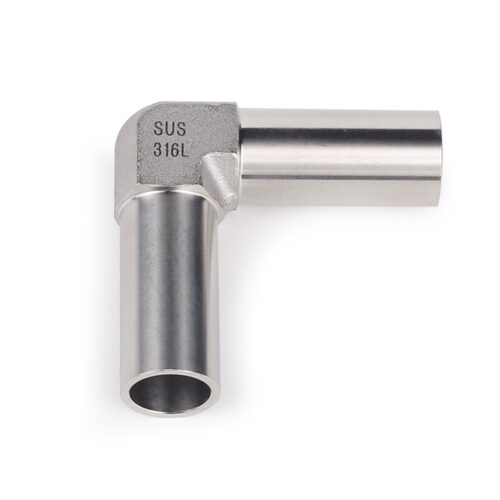
High Purity Stainless Steel Mini Tube Butt Weld Fittings For Semiconductor
-
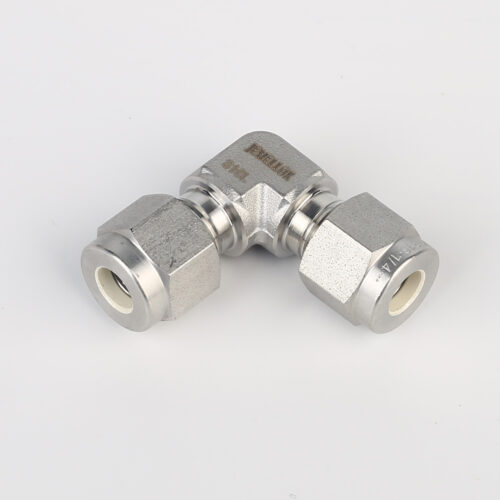
765L Stainless Steel Union Elbow Reducing High Purity Fitting Tubing Extension Tubing Connection
-
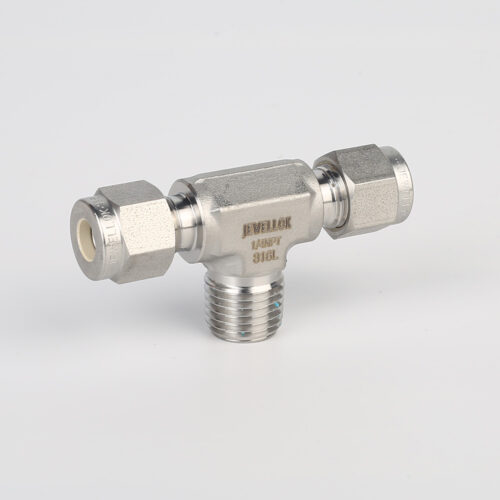
772L Male Branch Tee | Stainless Steel High-Purity Tube Fitting Male Branch Tee
-
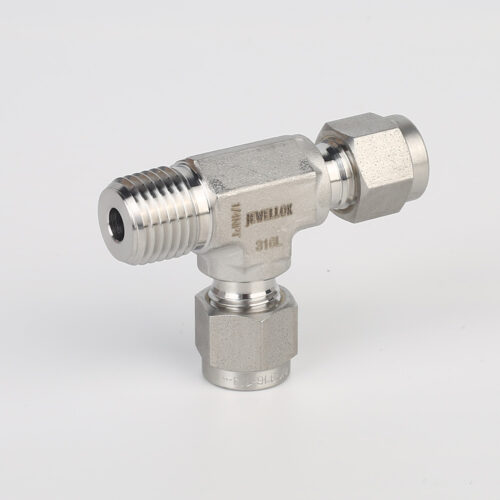
771L Male Run Tee | Stainless Steel High Quality High Purity Male Run Tee Branch Tee Pipe Fittings
-
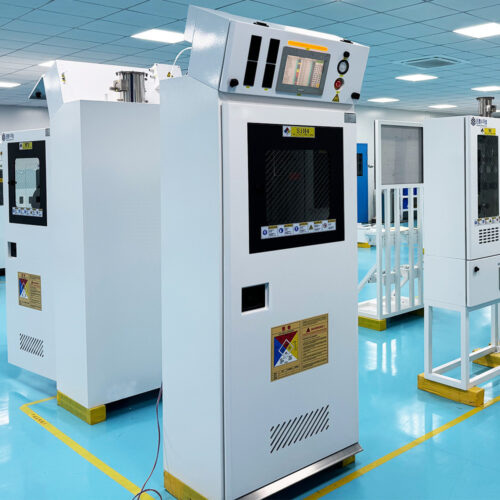
Integrated Gas System (IGS) Modular Integrated Gas Systems (TMS) Integrated Gas Supply System For Semiconductor And Laboratory
-
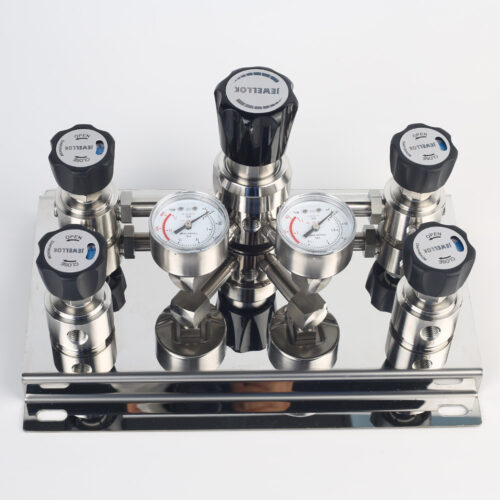
Single Stage Wall And Cabinet Mounting Pressure Control Panels JSP-2E Series For High Purity Gases
-
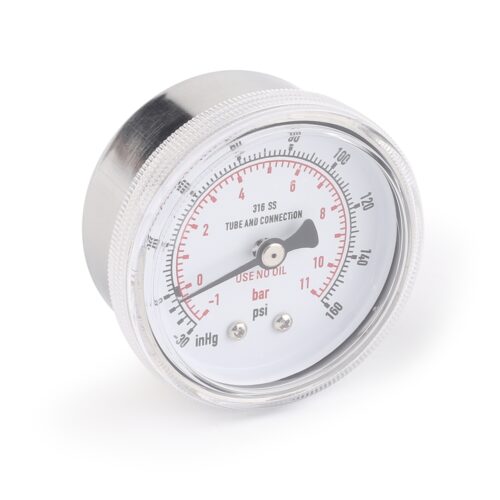
Ultra High Purity Pressure Gauge For Laboratory And Semiconductor JR Series
-
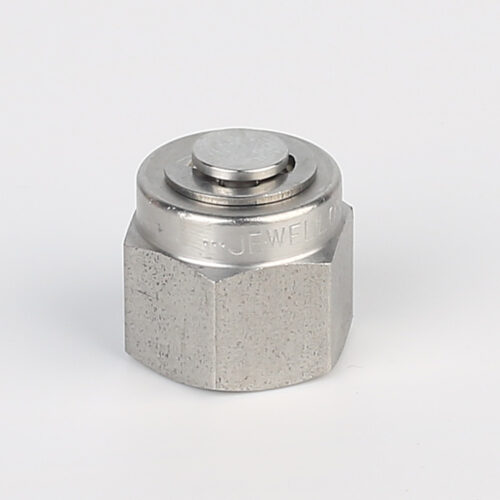
7121L Plug High Purity Plug Fitting And Blanking Plug