
Valves Manufacturer Tel: +86 13380377051
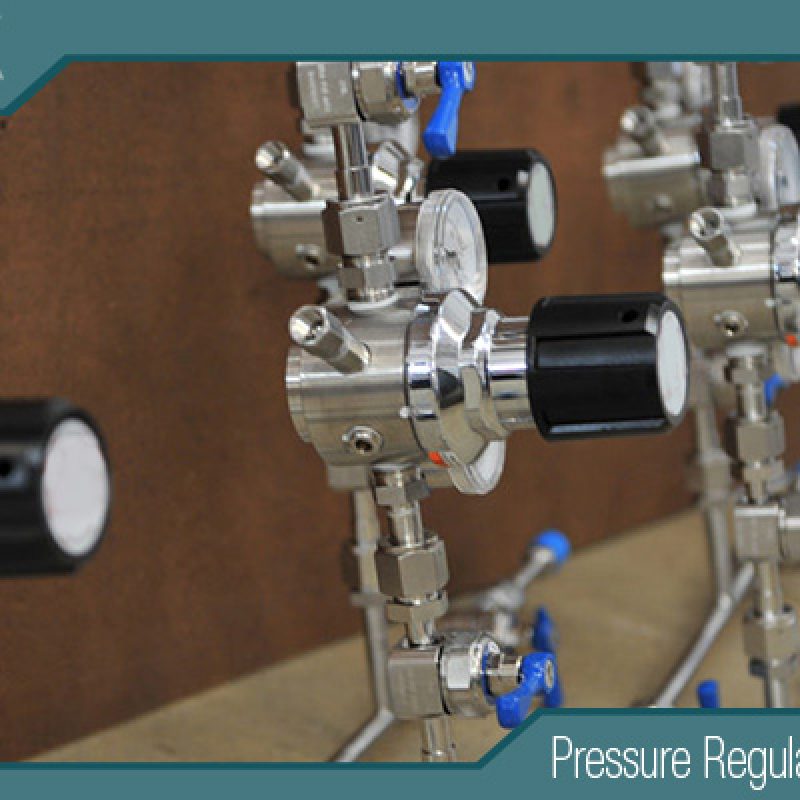
What is a Xenon (Xe) Ultra High Purity Gas Regulator?
In the landscape of industrial and scientific gas handling, few names carry as much weight as Xenon (Xe). This noble gas, existing in trace amounts in the Earth’s atmosphere, is one of the most expensive and valuable industrial gases in production today. Its applications are as critical as they are specialized: from propelling ion thrusters in deep-space satellites to providing the brilliant, controlled illumination in high-end automotive headlights and serving as a vital anesthetic and imaging agent in modern medicine.
However, the value and utility of Xenon are intrinsically linked to its purity. Contamination at the parts-per-million (ppm) or even parts-per-billion (ppb) level can render a batch of Xenon useless for semiconductor manufacturing or compromise a medical procedure. This is where the unsung hero of gas delivery systems comes into play: the Xenon Ultra High Purity (UHP) Gas Regulator.
More than just a simple valve, a Xe UHP regulator is a precision-engineered device designed to safely, accurately, and purely control the flow and pressure of this precious gas from a storage cylinder to a point of use. This article provides a deep technical dive into what defines these specialized components, their design philosophy, critical features, and why they are indispensable in high-stakes environments.
The Unique Challenge of Xenon
To understand the regulator, one must first understand the gas it controls. Xenon presents a unique set of challenges that demand a purpose-built solution:
-
Exorbitant Cost: The price of Xenon can fluctuate wildly, often reaching tens of thousands of dollars per kilogram. Its rarity is the primary driver; it is obtained through the cryogenic fractional distillation of liquid air, a complex and energy-intensive process. Consequently, waste is simply not an option. A regulator must be absolutely leak-tight.
-
Extreme Sensitivity to Contamination: For applications like etching in semiconductor fabs or as a propellant, any impurity—moisture (H₂O), oxygen (O₂), or hydrocarbons—can be catastrophic. Xenon atoms are large and can easily entrap contaminants if not handled properly. The regulator must not introduce any impurities into the gas stream.
-
High Density and Condensability: Xenon is a heavy gas with a high molecular weight (131.3 g/mol). Under pressure, it has a tendency to condense into a liquid if its temperature drops below its boiling point during rapid expansion (the Joule-Thomson effect). This phase change can cause pressure fluctuations and process upsets.
-
Cylinder Pressure Variability: Xenon is typically supplied in high-pressure cylinders. As the cylinder empties, the internal pressure drops. A regulator must compensate for this “decaying inlet pressure” to provide a steady, consistent outlet pressure until the cylinder is virtually empty, maximizing the usable gas from each expensive cylinder.
A standard industrial gas regulator, designed for common gases like nitrogen or oxygen, is ill-equipped to handle these challenges. Its materials might outgas contaminants, its seat design might leak, and its pressure control might be too coarse. This is the void that the Xenon UHP regulator is engineered to fill.
Core Functions: Precision and Purity
At its heart, a Xenon UHP regulator performs two primary mechanical functions, but it does so with extraordinary precision:
-
Pressure Reduction: It takes the high, variable pressure from the Xenon source cylinder (which can be up to 3000 psig / 207 bar) and reduces it to a stable, lower working pressure (e.g., 10-100 psig) suitable for the analytical instrument, manufacturing tool, or process chamber.
-
Flow Control: In conjunction with a downstream needle valve or mass flow controller, it ensures a consistent flow rate. While the regulator itself primarily manages pressure, a stable pressure is the prerequisite for stable flow.
The secondary, and arguably more critical, function is Purity Preservation. This is the “Ultra High Purity” distinction. The regulator acts as a guardian, ensuring that the 99.999% (5N) or 99.9999% (6N) purity of the Xenon leaving the cylinder is maintained as it travels through the regulator.
Anatomy of a Xe UHP Regulator: Design and Material Science
The construction of a Xe UHP regulator is governed by three interconnected principles: inertness, leak-tight integrity, and cleanability. Every component is scrutinized for its potential to compromise the gas.
1. Body Material: The Foundation of Inertness
-
Stainless Steel (316/316L): The industry standard for UHP applications is austenitic stainless steel, specifically grades 316 and 316L (low carbon). Its chromium oxide layer provides excellent corrosion resistance. 316L is preferred for its enhanced resistance to intergranular corrosion, especially after welding.
-
Hastelloy and Other Superalloys: For the most demanding applications involving corrosive byproducts or extreme conditions, regulators may be constructed from exotic alloys like Hastelloy (C-22 or C-276), which offer superior resistance to a wider range of chemical attacks.
-
Why Not Brass or Aluminum? These materials, common in general-purpose regulators, are porous on a microscopic level and can outgas contaminants. They are also more chemically reactive and are therefore strictly avoided in UHP Xenon service.
2. The Regulating Mechanism: Diaphragm vs. Piston
This is the most critical design choice within a regulator.
-
Diaphragm-Seal Regulators (The UHP Gold Standard): In this design, a flexible metal diaphragm (often a multi-layer assembly of stainless steel or a nickel-cobalt alloy like Elgiloy) directly senses the outlet pressure and moves to open or close the valve seat. Critically, the diaphragm isolates the Xenon from the mechanism’s spring and any other potential contamination sources. There is no dynamic seal that can leak or outgas. This design offers:
-
Inherent Leak-Tightness: No path for gas to escape to the atmosphere or for atmospheric gases to enter.
-
Excellent Pressure Control: High sensitivity and accuracy.
-
Purity Preservation: No contaminants from a spring housing can enter the gas stream.
-
-
Piston-Style Regulators: These use a piston and a sliding seal (like an O-ring) to control pressure. While robust for high-flow or high-delivery-pressure applications, the dynamic O-ring is a potential source of particle generation, outgassing, and is a permeation pathway. They are not suitable for Ultra High Purity Xenon applications where absolute purity is paramount.
3. The Seat and Seal: The Point of Contact
-
Seat Material: The part that presses against the orifice to stop the flow must be both resilient and pure. Common materials include:
-
PCTFE (Polychlorotrifluoroethylene): A rigid, dimensionally stable polymer with excellent chemical resistance and low outgassing. It is the preferred material for most high-purity applications.
-
Vespel (Polyimide): An ultra-high-performance polymer capable of withstanding extreme temperatures and pressures, often used in more demanding conditions.
-
-
Static Seals: Where two parts of the regulator body are joined, seals are required. UHP regulators use metal gaskets (typically nickel or silver-plated stainless steel) to create a leak-tight, diffusion-proof seal. Elastomeric O-rings, even those made from Viton® or Kalrez®, can absorb moisture and outgas over time, making them unsuitable for permanent seals in UHP systems, though they may be used in less critical, temporary seals in some designs.
4. Surface Finish: The Microscopic Battlefield
Contaminants love to hide. Microscopic pits and scratches on a metal surface can trap moisture and particles. UHP regulators undergo specialized surface finishing processes:
-
Electropolishing: This electrochemical process removes a thin layer of the metal surface, smoothing out microscopic peaks and valleys. This creates a passive, smooth surface that is far less likely to trap contaminants and is significantly easier to clean. The result is often a shiny, aesthetically pleasing finish that is also highly functional.
-
Mechanical Polishing: Often used as a precursor to electropolishing to achieve an initial smoothness.
Critical Performance Features
Beyond the core components, several performance characteristics define a Xe UHP regulator:
-
Leak Integrity: This is measured by both external and internal leakage.
-
External Leak Rate: Specified in units like atm cc/sec He (atmospheres cubic centimeter per second of Helium). A UHP regulator for Xenon will have an external leak rate of less than 1 x 10⁻⁹ atm cc/sec He. This is thousands of times tighter than a standard regulator.
-
Seat (Internal) Leak Rate: This measures how well the valve shuts off the flow. A UHP regulator will have an equally stringent internal leak rate.
-
-
Flow Curves (Cv Value): The flow coefficient (Cv) is a measure of the regulator’s flow capacity. A predictable and consistent flow curve is essential for engineers designing a gas system. The regulator must be able to deliver the required flow rate without excessive pressure drop (droop).
-
Rupture Assembly: To prevent a catastrophic over-pressurization of the downstream system, Xe UHP regulators are equipped with a rupture disc or a relief valve. If the regulator fails and allows high-pressure gas through, this assembly safely vents the excess pressure, protecting expensive downstream equipment and personnel.
Operational Safety and Handling
The high pressure and value of Xenon demand rigorous safety protocols. Xe UHP regulators are designed to facilitate this.
-
CGA Connections: The inlet of the regulator is fitted with a Compressed Gas Association (CGA) connection specifically designed for Xenon (commonly CGA 580 or 590 in the US, depending on pressure). These are non-interchangeable fittings that prevent accidentally connecting the wrong regulator to a Xenon cylinder.
-
Two-Stage Regulation: Many Xenon applications benefit from a two-stage regulator. This design effectively combines two regulating mechanisms in series. The first stage reduces the cylinder pressure to a fixed intermediate pressure, and the second stage provides the final precise control. This completely eliminates the effects of decaying inlet pressure, offering the ultimate in outlet pressure stability. This is particularly crucial in analytical instrumentation where consistent pressure is vital for accurate results.
-
Purge Ports: High-end installations often include purge ports on the regulator. These allow the connection of a vacuum pump or an inert purge gas (like Argon or Nitrogen) to evacuate or sweep out any air and moisture from the regulator body before it is ever exposed to the Xenon cylinder.
Choosing the Right Xenon Regulator: A Decision Framework
Selecting a regulator for Xenon service is a critical decision based on the application’s stringency. Key questions to ask include:
-
What is the required purity level? For 4.5N (99.995%) purity, a high-quality stainless steel regulator may suffice. For 6N (99.9999%) semiconductor applications, only a metal-diaphragm, electropolished regulator with metal-gasket seals is acceptable.
-
What are the inlet and outlet pressure requirements? Ensure the regulator’s maximum inlet pressure rating exceeds the cylinder pressure. The outlet pressure range must match the process requirements.
-
What is the required flow rate? Consult the manufacturer’s flow curve data (Cv) to ensure the regulator can deliver the necessary flow without excessive droop.
-
What are the connection types? Specify the correct CGA inlet and the desired outlet connection (e.g., 1/4″ VCR®, which is a common metal-gasket face-seal fitting for UHP systems).
Conclusion
The Xenon Ultra High Purity Gas Regulator is a masterpiece of precision engineering, a critical nexus where the physical properties of a rare and valuable gas meet the demanding requirements of cutting-edge technology. It is far more than a simple pressure-control device; it is a system designed to protect an investment, ensure process integrity, and guarantee safety.
From the choice of corrosion-resistant stainless steel and the hermetic sealing of a metal diaphragm to the atomically smooth surface finish achieved through electropolishing, every design element is laser-focused on one goal: to deliver Xenon from its cylinder to the point of use exactly as pure as the moment it was produced. In the high-tech worlds of semiconductor manufacturing, aerospace, and advanced medical imaging, the humble regulator is not just a component; it is an invisible but indispensable guarantor of quality and success.
For more about what is a xenon (xe) ultra high purity gas regulator, you can pay a visit to Jewellok at https://www.jewellok.com/ for more info.
-
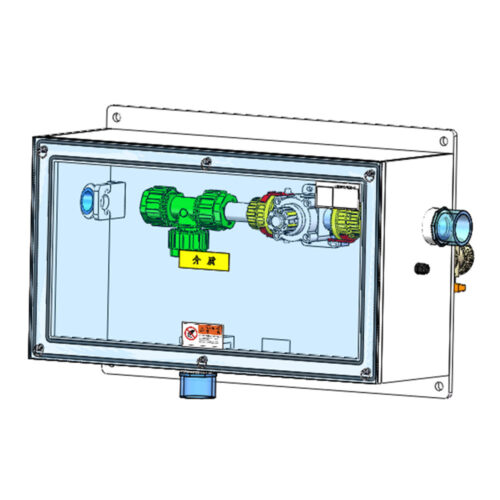
FT-BOX JW-FTB-C Valve Manifold Panels And Boxes With High Purity Configurable Systems
-
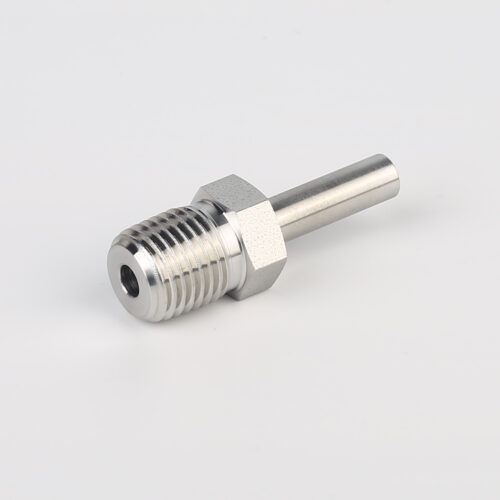
739 High Purity LMR Male Adapter Tube To Pipe Fittings And Adapters
-
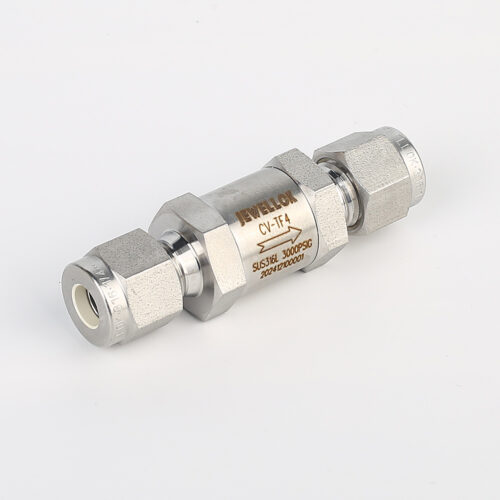
High Pressure High-Purity Welded Check Valves And Low Cracking Pressure Check Valve JCV1 Series
-
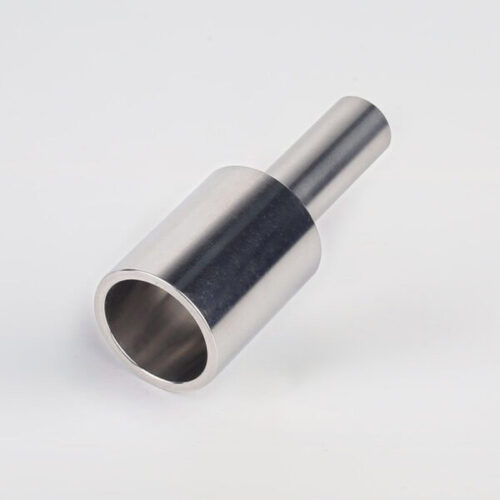
316L Stainless Steel Tube Butt Weld Reducing Fittings Union Reducer RW Series Ultrahigh Purity Process
-
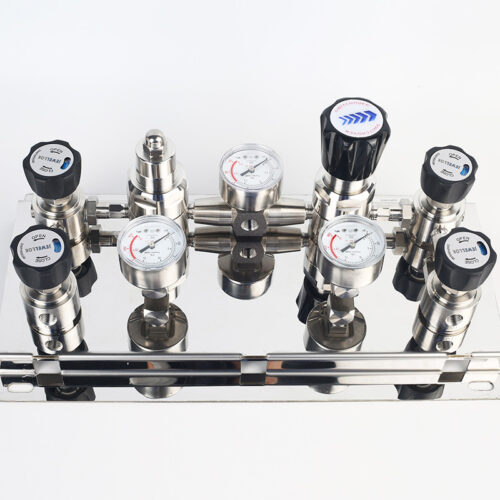
Semi Automatic Gas Changeover Manifold System Manual Changeover Manifold Panel Single Stage Automatic Switchover Board
-
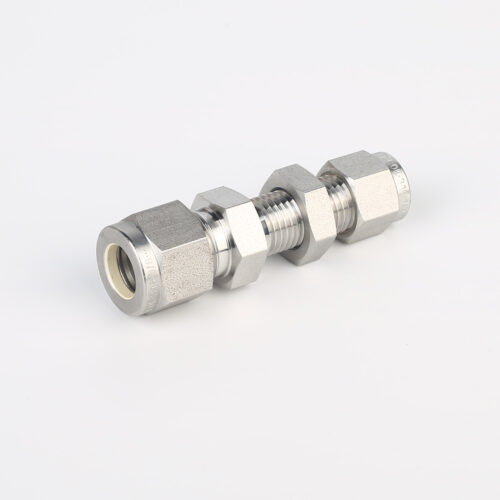
775L Bulkhead Reducing Union | Stainless Steel High Purity Double Ferrule Bulkhead Reducing Unions
-
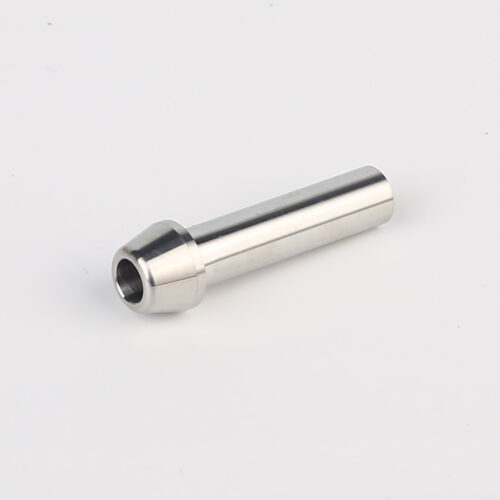
767LP Port Connector Ultra High Purity VCR Metal Gasket Face Seal Tube Fittings
-
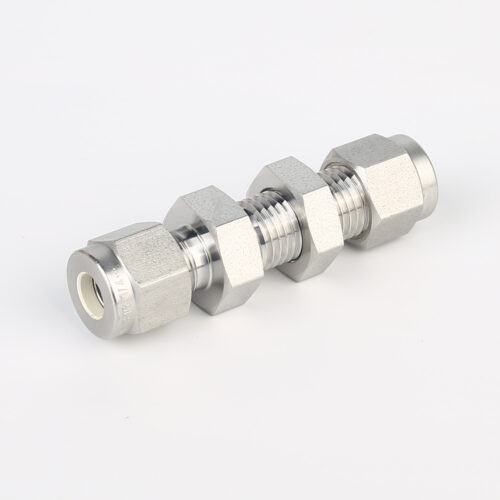
774L Stainless Steel UHP Fittings Butt Weld Bulkhead Union For High Flow Special Gas Fluid