
Valves Manufacturer Tel: +86 13380377051
Why the Material of CO2 Ultra-High Purity Gas Pressure Reducing Valve is So Critical?
In the world of ultra-high purity (UHP) gas delivery, particularly for carbon dioxide (CO2), every component is a potential source of contamination. While much attention is paid to filters, piping, and endpoints, the pressure reducing valve (PRV), or regulator, serves as a critical—and often vulnerable—gatekeeper. Its material composition is not merely a matter of durability; it is the fundamental determinant of system purity, process integrity, and end-product quality. This article delves into the scientific and engineering rationale behind the stringent material requirements for CO2 UHP gas pressure reducing valves, exploring the consequences of improper selection and outlining the standards that define best practices in industries such as semiconductor manufacturing, pharmaceutical production, and advanced analytical chemistry.
1. The Unique Challenge of Ultra-High Purity CO2
Carbon dioxide in UHP applications (typically 99.999% purity or higher, with parts-per-billion or even parts-per-trillion levels of specific impurities) is used in sensitive processes. Examples include:
-
Semiconductor Fabrication: Critical for photoresist development, wafer cooling, and as a supercritical fluid for cleaning and drying.
-
Pharmaceuticals: Used in supercritical fluid extraction (SFE) and chromatography (SFC), where contaminants can ruin batches or skew results.
-
Food & Beverage: For precision carbonation and extraction of delicate flavors.
-
Advanced Analytics: In carrier gases and mobile phases for gas chromatography.
CO2 presents unique handling challenges. It is stored as a liquefied gas under high pressure (e.g., 850 psi in a cylinder at 21°C). When this dense liquid undergoes rapid pressure reduction—the very function of a PRV—it can experience significant temperature drops (Joule-Thomson effect), potentially leading to ice formation (dry ice) and thermal shock. Furthermore, CO2 in the presence of moisture forms carbonic acid (H₂CO₃), a weak but corrosive agent, especially under pressure.
The primary mission of a UHP system is to deliver gas from the source to the point of use (POU) without adding particles, moisture, hydrocarbons, or any other gaseous impurities. The pressure reducing valve is the most dynamic component in this chain. Its internal surfaces are exposed to the full pressure differential, and its moving parts (seals, springs, diaphragms) are in constant interaction with the gas stream. Therefore, its material choices directly control three key contamination mechanisms: corrosion and particle generation, permeation and outgassing, and adsorption/desorption.
2. The Contamination Mechanisms: A Material-Centric View
2.1. Corrosion and Particle Generation
This is the most direct failure mode. If valve body or internal components are made from incompatible materials, CO2 and its trace impurities (especially moisture and oxygen) can trigger corrosion.
-
Standard vs. UHP Grades: A standard industrial regulator might use a brass body or a lower-grade stainless steel (e.g., 304 SS). Brass contains copper and zinc, which can leach ions into the gas stream, a catastrophic event for semiconductor processes where metal ions are “killer contaminants.” Even 304 SS, with its higher carbon content and lesser corrosion resistance, can undergo micro-corrosion, shedding ferrous (iron) particles.
-
The Solution: High-Performance Stainless Steels: UHP CO2 systems universally specify 316L or 316L VIM-VAR (Vacuum Induction Melted – Vacuum Arc Remelted) Stainless Steel.
-
316L: The “L” denotes low carbon (<0.03%), preventing chromium carbide precipitation at grain boundaries during welding (sensitization), which dramatically improves corrosion resistance.
-
VIM-VAR: This dual melting process creates an exceptionally homogenous, low-inclusion metal with ultra-low levels of interstitial impurities (oxygen, nitrogen) and superior grain structure. The result is a dramatically smoother, more corrosion-resistant surface with far fewer potential initiation sites for pitting or scaling. Any corrosion or scaling generates particles, which can clog downstream orifices, coat sensitive surfaces (like optical lenses on wafers), or create defects in nanostructures.
-
2.2. Permeation and Outgassing
Permeation is the diffusion of gas molecules through a solid material. Outgassing is the desorption of molecules (water vapor, hydrocarbons, solvents) that were previously absorbed or adsorbed into the material’s bulk or surface.
-
Elastomer Seals: Traditional regulators often use Buna-N or Viton® elastomer seals. These polymers are permeable to small molecules like helium, hydrogen, and, importantly, atmospheric gases (O₂, N₂, H₂O). In a UHP CO2 stream, they can act as a contamination pump, allowing ambient air to permeate inward. Worse, they outgas significant amounts of hydrocarbons and plasticizers, destroying the gas purity.
-
The Solution: Metal-Sealed or High-Purity Polymer Designs:
-
Metal Diaphragms & Seals: For the highest purity applications, all-welded diaphragm valves with metal diaphragms (often 316L) are used. These eliminate permeation and hydrocarbon outgassing entirely. The seat may be a knife-edge metal-to-metal seal or utilize a soft, high-purity metal like silver.
-
Ultra-Clean Polymers: Where flexibility is needed (e.g., in the main regulator diaphragm), specially purified and cured grades of polymers like ETFE (Tefzel®) or PTFE (Teflon®) are employed. These have vastly lower permeability and are processed to minimize volatile content. Kalrez® or Chemraz® perfluoroelastomers are used for static seals, offering excellent chemical resistance and low outgassing.
-
2.3. Adsorption and Desorption (The “Memory Effect”)
The internal surface area of a regulator is a sponge for impurities. If the surface is rough or made of a reactive material, it can adsorb moisture, hydrocarbons, or other gases during downtime or from previous gas batches. When UHP CO2 flows, changes in pressure and temperature can cause these impurities to desorb back into the gas stream—a phenomenon called the “memory effect” or “regulator sickness.”
-
Surface Finish: Material choice is intrinsically linked to achievable surface finish. 316L VIM-VAR can be polished to an Electropolished (EP) finish with a surface roughness (Ra) of 10 micro-inches or less. Electropolishing not only creates a mirror-smooth surface that minimizes adsorption sites but also passivates the surface, forming a robust, inert chromium oxide layer.
-
Cleanability: The chosen materials must withstand rigorous cleaning procedures like Clean-In-Place (CIP) or Supercritical CO2 cleaning without degradation. A smooth, electropolished 316L surface allows for complete removal of contaminants during cleaning, restoring the valve to its original purity performance.
3. Material Specifications in Practice: Building a UHP CO2 PRV
A best-in-class UHP CO2 gas pressure reducing valve is a symphony of precisely selected materials:
-
Body & Bonnet: 316L VIM-VAR Stainless Steel, electropolished internally. All welds are orbital TIG (Tungsten Inert Gas) welded under argon purge to prevent oxidation and maintain a continuous, smooth flow path.
-
Diaphragm: The heart of the regulator. For the ultimate purity, a stainless steel diaphragm is used. For high-purity applications requiring more sensitivity, a specially cleaned and cured ETFE polymer diaphragm is specified.
-
Internal Springs: Inconel X-750 or 718, alloys known for their stability, resistance to “set” under constant load, and compatibility with high-pressure, potentially corrosive environments.
-
Seats & Seals: Stainless steel knife-edge designs for metal-seated versions, or PTFE/Kalrez® for soft-seated versions. Silver is sometimes used as a seat material for its malleability and purity.
-
Gaskets & Thread Sealants: No elastomer gaskets in the gas path. Connections use metal gasket face seal fittings (e.g., VCR®) or all-welded designs. Thread sealants are prohibited; all connections are sealed via metal deformation.
4. The Cost of Compromise: Consequences of Improper Material Selection
Using an industrial-grade regulator on a UHP CO2 line is a high-risk compromise:
-
Yield Loss: In semiconductor fabs, a single particle or ppb-level metal contamination can cause a die or an entire wafer to fail, resulting in yield losses worth hundreds of thousands of dollars.
-
Product Contamination: In pharmaceutical SFE, hydrocarbon outgassing from a seal can contaminate an active ingredient, requiring an expensive and time-consuming batch rejection and cleanup.
-
Instrument Downtime & Data Corruption: In analytical labs, impurities from a regulator cause baseline drift, ghost peaks, and detector noise in chromatographs, leading to unreliable data, repeated analyses, and instrument downtime for maintenance.
-
Unplanned Maintenance: Particle generation from corrosion leads to frequent filter changes and valve replacements, increasing total cost of ownership far beyond the initial savings on the regulator.
5. Industry Standards and Validation
Material selection is guided by rigorous standards. For example, the SEMI Standard F19 (for CO2 used in electronic gases) specifies strict limits on moisture, oxygen, total hydrocarbons, and particles. Meeting these limits at the POU is impossible with a substandard PRV. Valves are validated through:
-
Helium Mass Spectrometer Leak Testing: To ensure integrity.
-
Bubble-Testing for Particles: Per SEMI F19.
-
Moisture and Oxygen Analyzer Testing: To verify the valve does not add or trap these key contaminants.
-
Outgassing Tests: Heating the valve under vacuum and measuring desorbed species.
Conclusion
In the meticulously controlled environment of ultra-high purity CO2 delivery, the pressure reducing valve is not just a pressure-control device; it is a purity-preserving interface. Its material composition—from the bulk alloy of its body to the precise polymer of its diaphragm—is the primary defense against a cascade of contamination mechanisms: corrosive particle generation, permeating atmospheric gases, hydrocarbon outgassing, and the memory effect.
The industry’s shift towards 316L VIM-VAR stainless steel, electropolished surfaces, and metal or ultra-clean polymer diaphragms is not an arbitrary preference for premium materials. It is a direct, scientifically-grounded response to the intolerable cost of impurity in advanced manufacturing and research. Investing in a PRV with correctly specified materials is, therefore, an investment in process reliability, product quality, and ultimately, the bottom line. As purity requirements continue to tighten toward parts-per-trillion levels, the material science behind these critical components will only grow in importance, pushing the boundaries of metallurgy, polymer science, and surface engineering.
For more about Why the material of CO2 ultra-high purity gas pressure reducing valve is so critical, you can pay a visit to Jewellok at https://www.jewellok.com/ for more info.
-
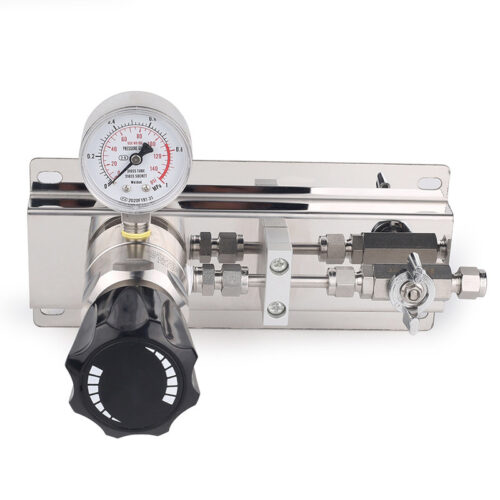
Medical Oxygen Single Stage Manual Gas Changeover Manifold Panel High-Purity Two-Stage Manual Gas Manifold Gas Pressure Control Panels
-
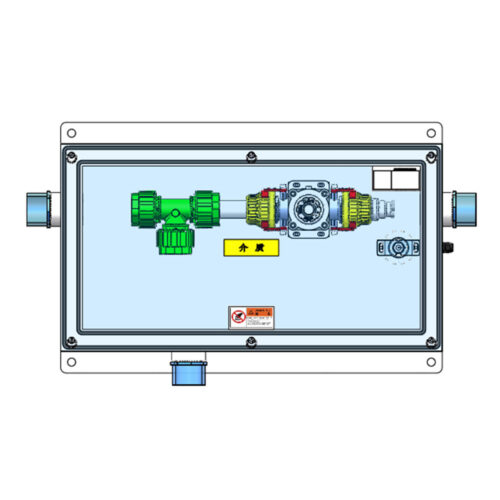
T-BOX JW-TB-C Special Gas Delivery System Gas Valve Manifold Boxes
-
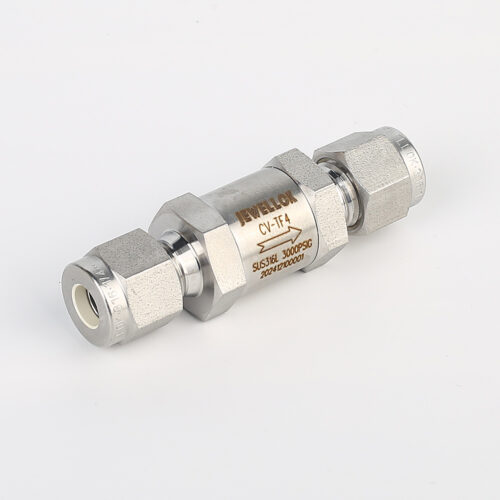
High Pressure High-Purity Welded Check Valves And Low Cracking Pressure Check Valve JCV1 Series
-
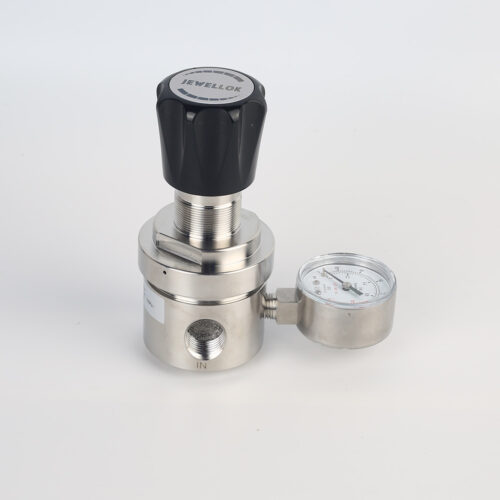
Line And Panel Mounting Adjustable Low Pressure Propane And Nitrogen Pressure Regulator JSR-3L & JSR-3LP Series
-
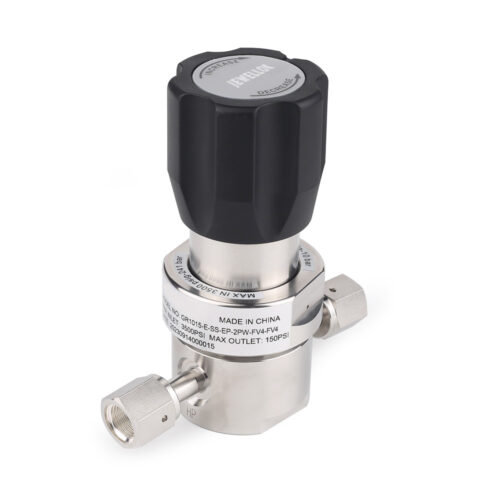
JR1000 Series UHP Ultra High Purity Single Stage Pressure Reducing Regulator And Low To Intermediate Flow
-
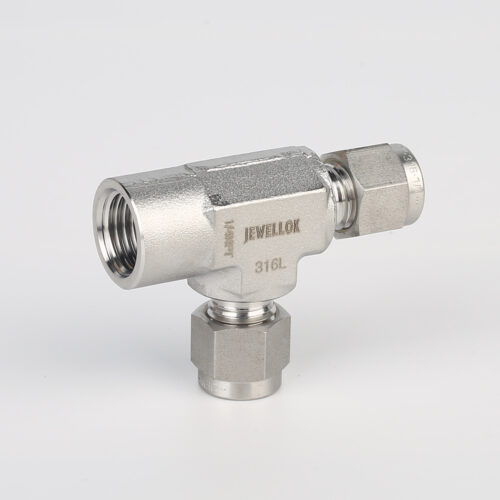
771LF Female Run Tee | Stainless Steel Tube Fitting Compression Fittings 1/4 In 3-Way Tee Female Run Tee
-
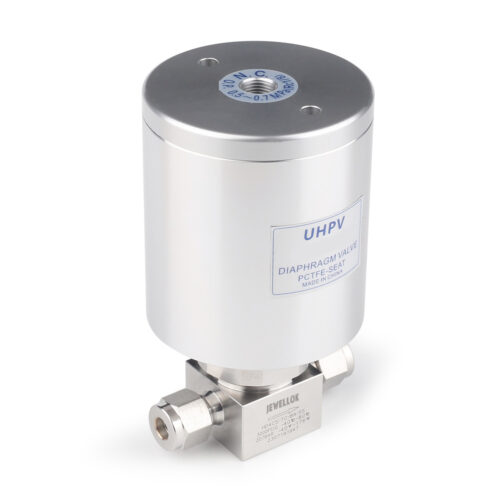
High Pressure High Temperature Pneumatic Ultrahigh Purity Stainless Steel Diaphragm Valves
-
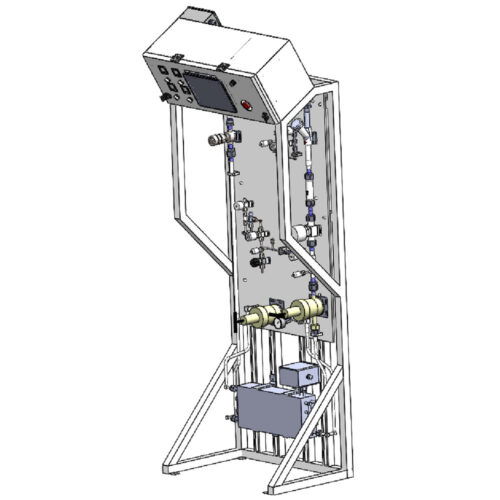
Semiconductor High Purity High Pressure Specialty Gas Bottle Gas Cylinder Storage Cabinet And Gas Pressure Regulating Cabinet