




















Valves Manufacturer Tel: +86 13380377051
Gas Scrubber Design and Optimization for Industrial Applications
Introduction
As environmental regulations become increasingly stringent and industrial production processes continue to evolve, effective air pollution control has become a top priority for manufacturers worldwide. Industries such as semiconductor manufacturing, chemical processing, pharmaceuticals, electronics, metallurgy, energy production, and wastewater treatment generate exhaust streams containing hazardous gases, volatile organic compounds (VOCs), acid gases, toxic chemicals, and fine particulate matter. Without proper treatment, these emissions can threaten worker safety, damage equipment, and cause significant environmental pollution.
Gas scrubbers have become one of the most reliable and efficient technologies for industrial exhaust gas treatment. Designed to remove contaminants from process exhaust streams, modern gas scrubber systems not only help companies comply with environmental regulations but also improve production reliability and reduce operational risks.
However, selecting the right scrubber technology is only the beginning. The effectiveness of a gas scrubber largely depends on proper system design, accurate process calculations, material selection, fluid dynamics, automation, and long-term optimization.
This article explores the design principles, optimization strategies, and latest technologies of industrial gas scrubbers, providing engineers and facility managers with a comprehensive guide for maximizing environmental performance and operational efficiency.
What Is an Industrial Gas Scrubber?
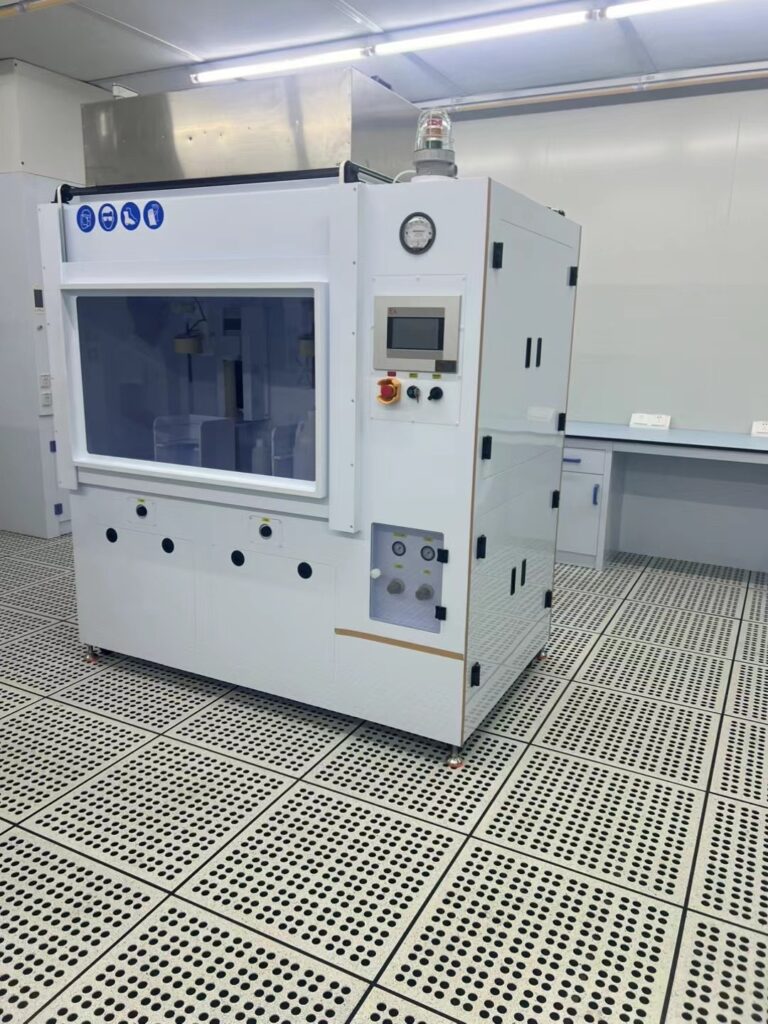
Industrial gas scrubber is an air pollution control device that removes unwanted gases, aerosols, or particles from industrial exhaust streams before they are released into the atmosphere.
Unlike simple filtration systems, scrubbers rely on physical absorption, chemical neutralization, or mass transfer between gas and liquid phases to eliminate pollutants.
Industrial gas scrubbers are widely used to remove:
- Hydrogen chloride (HCl)
- Hydrogen fluoride (HF)
- Sulfur dioxide (SO₂)
- Nitrogen oxides (NOx)
- Ammonia (NH₃)
- Chlorine (Cl₂)
- Hydrogen sulfide (H₂S)
- VOCs
- Acid mist
- Fine dust particles
- Toxic process gases
Modern facilities often integrate scrubbers with complete exhaust gas treatment systems that include fans, ductwork, chemical dosing, monitoring instruments, and PLC control systems.
Major Types of Industrial Gas Scrubbers
Different industrial applications require different scrubbing technologies.
Wet Scrubbers
Wet scrubbers are the most commonly used systems in industrial environments.
They spray chemical solutions or water into contaminated gas streams, allowing pollutants to dissolve or react with the scrubbing liquid.
Advantages include:
- High acid gas removal efficiency
- Dust removal capability
- Temperature reduction
- Explosion risk reduction
- Suitable for high gas volumes
Applications:
- Semiconductor fabs
- Chemical plants
- Steel mills
- Fertilizer production
- Pharmaceutical manufacturing
Packed Bed Scrubbers
Packed bed scrubbers contain specially designed packing materials that greatly increase the contact area between gas and liquid.
The packing provides:
- Large surface area
- Improved mass transfer
- Low pressure drop
- High removal efficiency
These systems are especially suitable for continuous acid gas treatment.
Typical removal efficiency:
- Above 99% for HCl
- Above 98% for HF
- Above 99% for NH₃
Venturi Scrubbers
Venturi scrubbers accelerate gas velocity through a narrow throat while injecting liquid droplets.
This creates:
- Extremely fine droplets
- Strong turbulence
- High particle collection efficiency
Venturi scrubbers are ideal for:
- Dust removal
- Fine particulate capture
- Metal processing
- Cement plants
- Incinerators
Multi-Stage Scrubber Systems
Modern industrial facilities often require treatment of multiple pollutants.
A multi-stage system may include:
Stage 1:
Water pre-scrubbing
Stage 2:
Acid neutralization
Stage 3:
Alkaline absorption
Stage 4:
Mist elimination
Stage 5:
Activated carbon polishing
This configuration significantly improves overall removal efficiency.
Key Design Considerations
Designing an efficient gas scrubber requires balancing environmental performance, process stability, and operating costs.
Exhaust Gas Characteristics
Engineers first analyze:
- Gas composition
- Pollutant concentration
- Gas temperature
- Humidity
- Pressure
- Flow rate
- Toxicity
- Corrosiveness
Accurate process data forms the foundation of successful scrubber design.
Gas Flow Rate
Gas flow determines the overall equipment size.
Undersized scrubbers lead to:
- Insufficient contact time
- Poor pollutant removal
- High outlet emissions
Oversized systems increase:
- Initial investment
- Pump energy consumption
- Operating costs
Proper airflow calculations optimize both efficiency and economics.
Liquid-to-Gas Ratio (L/G Ratio)
The liquid-to-gas ratio is one of the most important design parameters.
A higher L/G ratio generally improves pollutant removal but increases:
- Pump power
- Water consumption
- Chemical consumption
- Wastewater generation
Optimization seeks the minimum liquid usage while maintaining target removal efficiency.
Chemical Reaction Kinetics
Many industrial gases require chemical neutralization.
Examples include:
HCl + NaOH → NaCl + H₂O
HF + KOH → KF + H₂O
SO₂ + NaOH → Sodium Sulfite
Reaction speed directly affects scrubber size and performance.
Engineers select appropriate neutralizing chemicals based on process requirements.
Contact Time
Longer gas-liquid contact generally improves absorption efficiency.
Design factors include:
- Packing height
- Tower diameter
- Liquid distribution
- Gas velocity
Proper residence time ensures complete chemical reactions.
Material Selection
Industrial scrubbers operate in highly corrosive environments.
Material selection directly influences service life.
Common materials include:
FRP (Fiberglass Reinforced Plastic)
Advantages:
- Excellent corrosion resistance
- Lightweight
- Low maintenance
- Cost-effective
Widely used for:
- Acid gas scrubbers
- Chemical plants
PVC and CPVC
Suitable for:
- Low-temperature systems
- Chemical resistance
- Small scrubbers
Polypropylene (PP)
Offers:
- Strong chemical resistance
- Low cost
- Good mechanical strength
Often used in:
- Semiconductor exhaust systems
Stainless Steel
Grades such as 304 and 316L are selected when:
- High temperatures exist
- Mechanical strength is required
- Corrosion conditions are moderate
Exotic Alloys
Highly aggressive environments may require:
- Hastelloy
- Titanium
- Duplex stainless steel
Although more expensive, these materials greatly extend equipment lifespan.
Packing Material Optimization
Packing material significantly influences scrubber performance.
Popular packing types include:
- Pall Rings
- Raschig Rings
- Tellerettes
- Structured Packing
- Saddle Packing
Selection depends on:
- Pressure drop
- Surface area
- Fouling tendency
- Mechanical strength
High-performance structured packing often provides better mass transfer with lower energy consumption.
Pump and Spray System Design
Uniform liquid distribution is essential.
Poor spray patterns create:
- Dry zones
- Channeling
- Reduced efficiency
Engineers optimize:
- Nozzle arrangement
- Spray angle
- Droplet size
- Pump pressure
- Flow distribution
Computational Fluid Dynamics (CFD) simulations are increasingly used to improve spray performance.
Mist Eliminator Design
After scrubbing, gas may contain entrained liquid droplets.
Mist eliminators remove these droplets before discharge.
Common types include:
- Mesh pads
- Chevron vane separators
- Fiber bed mist eliminators
Benefits include:
- Reduced chemical loss
- Lower stack emissions
- Cleaner downstream equipment
Automation and Intelligent Control
Modern industrial scrubbers increasingly utilize intelligent automation.
Typical PLC control functions include:
- pH monitoring
- ORP measurement
- Conductivity monitoring
- Flow monitoring
- Pressure monitoring
- Pump control
- Chemical dosing
- Alarm management
SCADA systems provide:
- Remote monitoring
- Historical trend analysis
- Predictive maintenance
- Energy optimization
Integration with Industrial Internet of Things (IIoT) platforms enables real-time diagnostics and cloud-based analytics, reducing downtime and improving process transparency.
Energy Optimization Strategies
Operating costs are a major concern for industrial facilities.
Several design improvements can reduce energy consumption.
Variable Frequency Drives (VFDs)
VFDs automatically adjust:
- Fan speed
- Pump speed
Benefits include:
- Lower electricity usage
- Reduced mechanical wear
- Stable system pressure
Water Recycling
Scrubbing liquid can often be recycled after treatment.
Advantages include:
- Lower water consumption
- Reduced wastewater discharge
- Lower operating costs
Optimized Chemical Dosing
Automatic dosing minimizes excess chemical usage.
Benefits include:
- Stable pH control
- Lower reagent costs
- Reduced sludge generation
Pressure Drop Reduction
High pressure drops increase fan energy consumption.
Optimization includes:
- Low-resistance packing
- Proper tower sizing
- Uniform airflow
- Clean packing surfaces
Maintenance and Reliability
Routine maintenance ensures consistent scrubber performance.
Key maintenance tasks include:
- Inspect spray nozzles for clogging
- Clean packing material
- Check pump seals
- Calibrate pH sensors
- Replace worn mist eliminators
- Inspect ductwork for corrosion
- Monitor fan vibration
- Verify chemical dosing systems
Predictive maintenance using sensor data helps identify issues before failures occur, minimizing unplanned shutdowns.
Industrial Applications
Semiconductor Manufacturing
Semiconductor fabs generate hazardous gases from etching, deposition, cleaning, and ion implantation processes.
Scrubbers remove:
- HF
- HCl
- NH₃
- Cl₂
- SiH₄ byproducts
- Process acid vapors
High-purity systems with corrosion-resistant materials are essential for maintaining cleanroom safety and protecting sensitive manufacturing equipment.
Chemical Processing
Chemical plants often handle aggressive acid gases, chlorine compounds, and solvent vapors.
Scrubbers protect:
- Workers
- Equipment
- Local communities
They also help facilities comply with stringent environmental emission standards.
Pharmaceutical Industry
Pharmaceutical production emits solvent vapors and chemical fumes.
Multi-stage scrubbers ensure:
- Worker safety
- Product quality
- Regulatory compliance
Metal Processing
Steel mills, pickling lines, electroplating facilities, and non-ferrous metal processing plants produce acid mist and particulate emissions.
Scrubber systems effectively capture these contaminants, reducing corrosion and improving workplace air quality.
Waste Incineration
Municipal and hazardous waste incinerators generate complex flue gases containing acid gases, heavy metals, and particulate matter.
Integrated wet scrubber systems combined with bag filters and activated carbon injection provide comprehensive emission control.
Future Trends in Gas Scrubber Technology
The next generation of industrial gas scrubbers is moving toward smarter, more sustainable operation.
Emerging trends include:
- Digital twin simulation for process optimization
- AI-driven predictive maintenance
- Machine learning for chemical dosing optimization
- Advanced CFD-assisted equipment design
- Low-water and zero-liquid-discharge (ZLD) scrubber systems
- Hybrid wet-dry scrubbing technologies
- Modular skid-mounted designs for rapid installation
- Real-time emissions monitoring integrated with environmental reporting platforms
These innovations help industries reduce environmental impact while improving reliability and lowering lifecycle costs.

Conclusion
Industrial gas scrubbers play a critical role in modern air pollution control by safely remoing hazardous gases, acid vapors, VOCs, and particulate matter from industrial exhaust streams. Their effectiveness depends not only on selecting the appropriate scrubbing technology but also on careful engineering design, optimized mass transfer, corrosion-resistant materials, intelligent automation, and proactive maintenance.
By optimizing parameters such as gas flow rate, liquid-to-gas ratio, chemical dosing, packing configuration, and energy consumption, manufacturers can achieve high pollutant removal efficiency while minimizing operating costs and extending equipment service life. As industries continue to pursue cleaner production, stricter environmental compliance, and smarter manufacturing, advanced gas scrubber systems will remain an essential component of sustainable industrial operations, delivering safer workplaces, improved environmental performance, and long-term operational excellence.
For more about gas scrubber design and optimization for industrial applications, you can pay a visit to Jewellok at https://www.jewellok.com/product-category/chemical-delivery-system/ for more info.
-
Specialty Gas Valves Ultra High Purity Gas Valves Ultra High Purity Gas Cylinder Valves UHP Cylinder Valve Ultra High Purity Gas Regulator
-
High Pressure High-Purity Welded Check Valves And Low Cracking Pressure Check Valve JCV1 Series
-
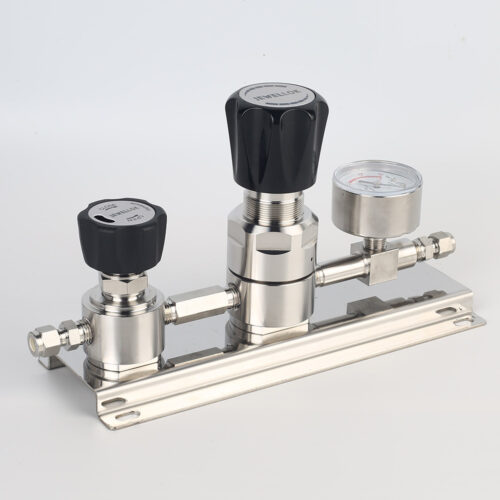
High Purity High Flow Pressure Control Regulators & Valves Gas Stick Assemblies JSR-2TG Series
-
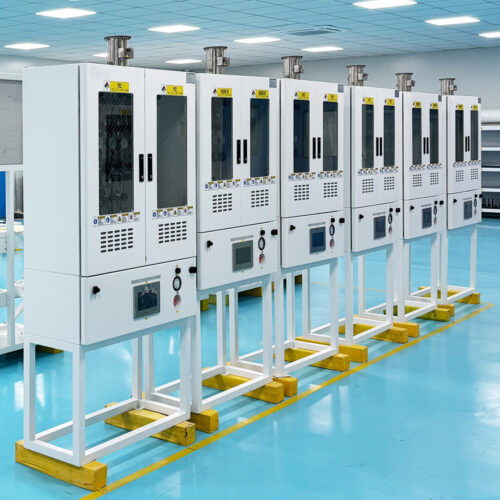
Ultra High Purity Gas Delivery Systems And Liquid Chemical Delivery Systems JW-300-LDS
-
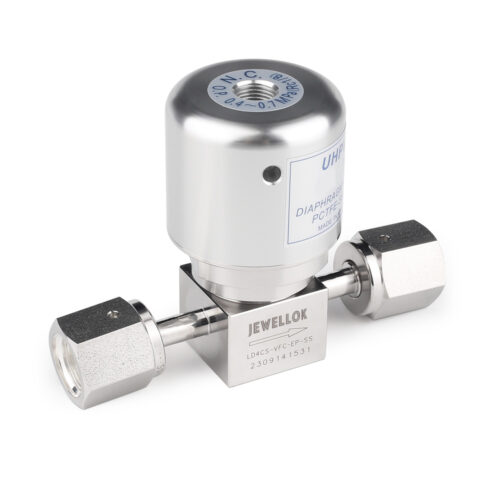
Stainless Steel Low Pressure Seal Pneumatic Diaphragm Control Valve For For HP & UHP Gases
-
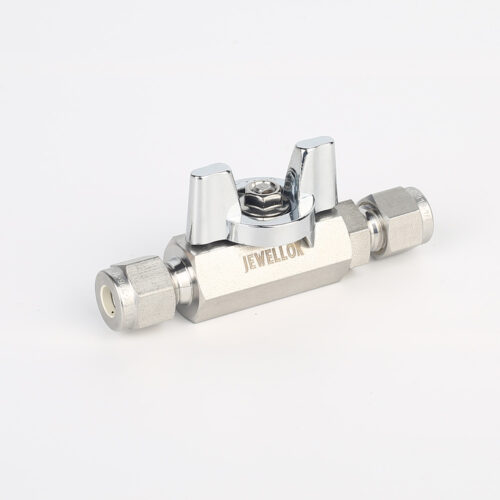
Stainless Steel High-Purity High Temperature Metal Seated Ball Valves JBV3 Series
-
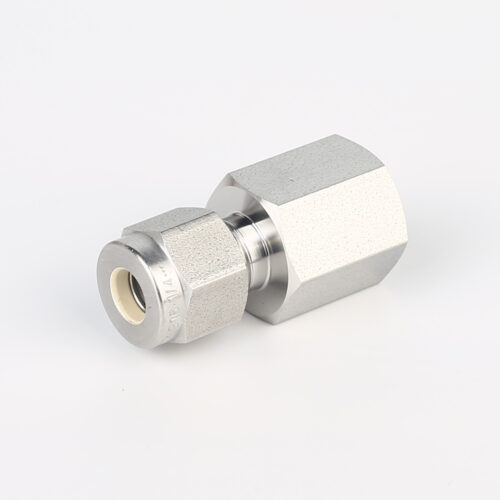
766L High Purity Female Connector UHP Fitting Female Connector
-
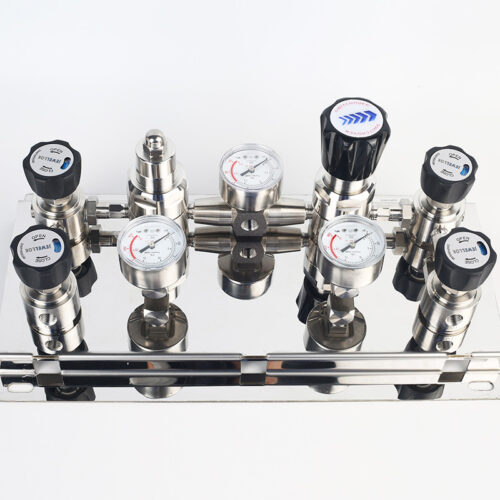
Semi Automatic Gas Changeover Manifold System Manual Changeover Manifold Panel Single Stage Automatic Switchover Board