
Valves Manufacturer Tel: +86 13380377051
How Does A Nitrogen Gas Changeover Manifold Work?
In industries where precision, safety, and uninterrupted operations are paramount, nitrogen gas plays a pivotal role as an inert, non-reactive medium. From medical facilities ensuring life-sustaining equipment runs smoothly to manufacturing plants preserving product integrity through inert atmospheres, nitrogen’s applications are vast and critical. At the heart of reliable nitrogen distribution lies the changeover manifold—a sophisticated system designed to switch seamlessly between gas sources, preventing downtime that could lead to costly interruptions or safety risks. Picture a hospital’s operating room or a semiconductor fabrication line: a momentary lapse in nitrogen supply could compromise sterility, damage sensitive components, or even endanger lives. The nitrogen gas changeover manifold mitigates this by automatically transitioning from a depleted cylinder bank to a reserve one, maintaining consistent pressure and flow.
Nitrogen, comprising about 78% of Earth’s atmosphere, is extracted, compressed, and stored in high-pressure cylinders or liquid dewars for industrial use. Unlike combustible gases like propane, nitrogen’s inert nature makes it ideal for purging, blanketing, and pressurizing applications. Changeover manifolds have evolved from basic manual setups to advanced automatic systems incorporating sensors, regulators, and fail-safes, adhering to standards such as NFPA 99 for medical gases or ISO guidelines for industrial purity. These systems handle pressures from 3,000 psi in cylinders down to working levels as low as 5-50 psi, depending on the application.
This article explores the intricacies of nitrogen gas changeover manifolds, covering their definition, components, operational principles, installation, maintenance, safety features, and diverse applications. By demystifying this technology, users—from lab technicians to facility managers—can optimize their setups for efficiency and reliability. In an era of increasing automation and stringent regulations, understanding these manifolds is essential for leveraging nitrogen’s benefits without compromise.
What is a Nitrogen Gas Changeover Manifold?
A nitrogen gas changeover manifold is an integrated assembly of valves, regulators, and piping that connects multiple nitrogen cylinders or tanks to a single distribution line, enabling automatic or semi-automatic switching to ensure continuous gas supply. It acts as a guardian of flow continuity, monitoring source pressures and redirecting supply when the primary bank nears depletion. In essence, it’s a pressure-regulated switchboard tailored for nitrogen’s high-purity demands, preventing contamination or pressure fluctuations that could affect downstream processes.
Types vary by automation level: manual manifolds require operator intervention to switch valves, suitable for low-demand setups but prone to human error; semi-automatic versions switch on pressure drop but need manual reset after cylinder replacement; fully automatic systems handle everything electronically, ideal for critical applications like medical or semiconductor industries. For nitrogen, manifolds often incorporate CGA-580 fittings to prevent cross-connections with other gases, ensuring safety and compliance.
In medical contexts, these are part of bulk gas systems supplying operating rooms or ICUs, while industrial manifolds might support welding shields or food packaging lines. Capacities range from two-cylinder residential/lab setups to multi-bank configurations for high-volume users. Benefits include minimized downtime, reduced labor for monitoring, and enhanced safety through built-in alarms. For instance, in specialty gas applications, fully automatic manifolds manage pure nitrogen deliveries with precision, switching at thresholds like 100-200 psi. Selecting the right type depends on factors like gas purity (e.g., 99.999% for labs), flow rates (up to 500 SCFH), and environmental conditions, making nitrogen manifolds indispensable for reliable inert gas management.
Components of a Nitrogen Gas Changeover Manifold
The efficacy of a nitrogen changeover manifold stems from its meticulously engineered components, each contributing to pressure control, switching, and safety. The core is the manifold control unit, a housing containing dual pressure regulators—one for the service bank and one for the reserve—set at slightly different pressures (e.g., service at 150 psi, reserve at 125 psi) to facilitate automatic changeover.
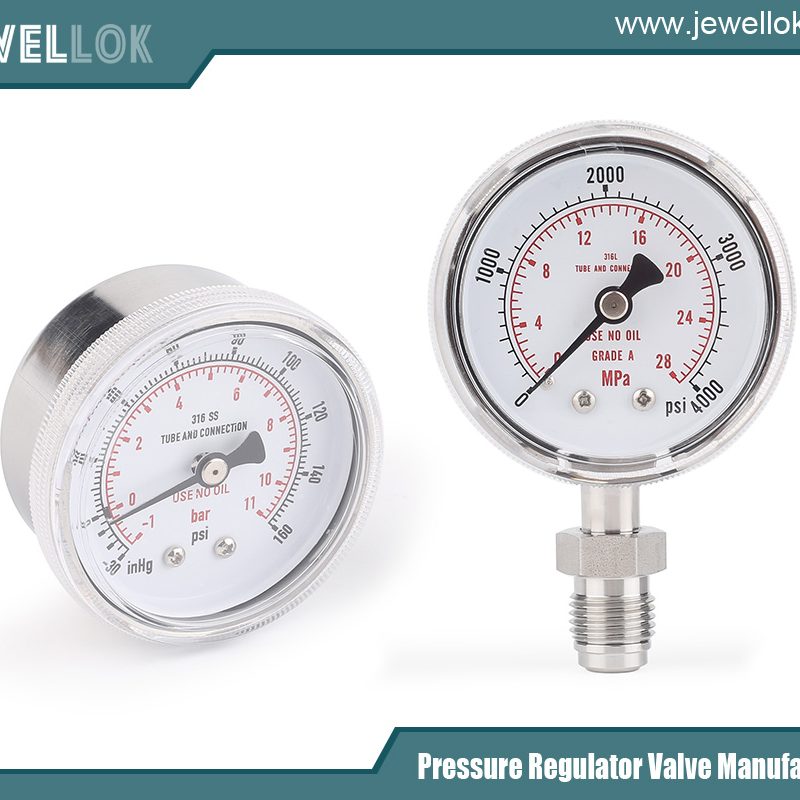
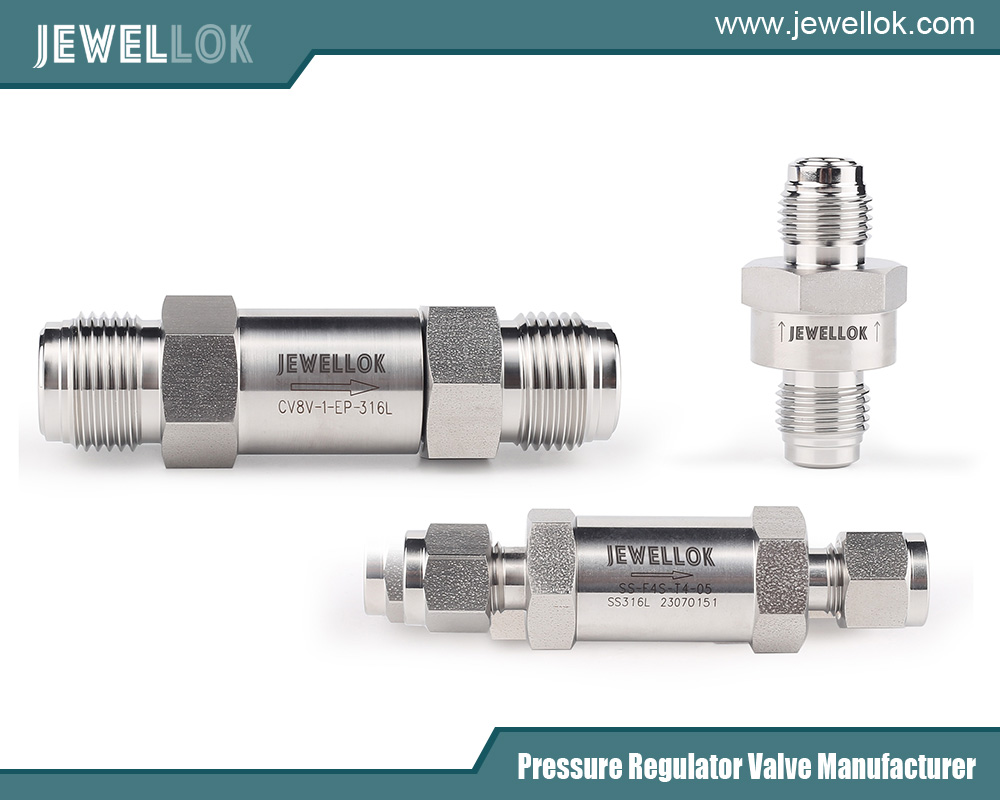
Supply bank headers connect cylinders in parallel, often with pigtails (flexible hoses) featuring check valves to prevent backflow and contamination. These headers can accommodate 2-12 cylinders per side, with isolation valves for individual cylinder maintenance. Pressure gauges monitor inlet and outlet pressures, while transducers in automatic models provide digital readouts and alarms.
Indicators are crucial: visual flags, LED lights (green for service, red for reserve active), or audible alarms signal depletion. Safety features include relief valves to vent excess pressure, filters to trap impurities, and solenoid valves for electronic switching in fully automatic systems.
For nitrogen-specific adaptations, materials like brass or stainless steel resist corrosion, and purge ports allow inert gas flushing to maintain purity. In medical manifolds, dome-loaded regulators ensure stable delivery, and remote monitoring interfaces integrate with building management systems. Mounting hardware secures the unit, often wall- or floor-mounted, with vibration dampers for stability. Overall, these components form a robust, modular system rated for pressures up to 3,000 psi, with lifespans exceeding 10 years under proper care.
How It Works: The Operational Mechanism
The operational genius of a nitrogen gas changeover manifold lies in its pressure-differential switching, ensuring seamless transitions without flow interruption. Let’s dissect the process.
Initially, cylinders are connected to both service and reserve headers, with all valves open. The control unit prioritizes the service bank, where the regulator is set higher (e.g., 150 psi) than the reserve (125 psi). Nitrogen flows from the service cylinders through the regulator, reducing pressure to the required outlet level (e.g., 50 psi for lab use), and into the distribution line.
As consumption depletes the service bank, its pressure drops. When it falls below the reserve’s setpoint, the manifold automatically opens the reserve path, allowing it to take over without pressure drop to appliances. This mechanical or electronic switch—via diaphragms in semi-auto models or sensors in full-auto—activates indicators, like a red light or alarm, alerting operators to replace the empty bank.
Post-switch, the operator isolates the depleted bank, replaces cylinders, purges lines if needed, and resets the system by switching the selector or via controls. In fully automatic versions, electronic controls handle resets and can integrate with SCADA for remote oversight.
Pressure dynamics are key: Nitrogen cylinders start at ~2,200-3,000 psi, vaporizing as needed. The manifold’s two-stage regulation prevents freezing and ensures purity. For liquid nitrogen setups, vaporizers convert to gas before manifold entry. Troubleshooting involves checking for equalized pressures (indicating leaks) or failed switches (due to clogged filters). This mechanism’s reliability makes it vital for 24/7 operations.
Installation Guide
Proper installation of a nitrogen gas changeover manifold is critical for safety and performance, requiring certified technicians familiar with gas codes. Begin by selecting a ventilated, accessible location away from ignition sources, with adequate space for cylinder access.
Mount the control unit securely using brackets, ensuring level alignment. Connect headers to cylinders with CGA-580 pigtails, applying thread sealant sparingly. Install vent lines for relief valves, routing outdoors with check valves to prevent backflow.
Wire electrical components for automatic models, integrating alarms. Pressurize slowly, checking for leaks with soap solution or detectors. Adjust setpoints via screws or interfaces, verifying switchover by simulating depletion. Document setup for compliance, including pressure tests. Common errors include improper venting or mismatched fittings, which can lead to hazards.
Maintenance and Troubleshooting
Maintenance preserves manifold integrity, involving regular inspections and tests. Conduct monthly function tests by adjusting pressures and verifying switches, alongside leak checks at joints. Purge with nitrogen during startups/shutdowns to expel contaminants.
Inspect for corrosion, especially in humid environments, replacing pigtails every 5-10 years. Clean filters and vents annually. Troubleshooting: No switch? Check power or pressure differentials. Alarms triggering falsely? Calibrate sensors. Professional servicing every 1-2 years ensures longevity.
Safety Considerations
Safety in nitrogen manifolds focuses on asphyxiation risks, pressure hazards, and purity. Install in well-ventilated areas with oxygen monitors. Use CGA fittings to avoid mix-ups. Incorporate shut-off valves and emergency protocols. Regular training and compliance with OSHA/ISO standards mitigate risks.
Applications
Nitrogen manifolds serve diverse sectors: medical for surgical tools and cryogenics; industrial for welding inerting, food packaging to extend shelf life; labs for chromatography; manufacturing for die stamping with consistent force. They enable precision in automotive, pharma, and HVAC industries.
Conclusion
The nitrogen gas changeover manifold exemplifies engineering excellence, providing uninterrupted inert gas supply through intelligent pressure management. Mastering its components, operation, and care empowers users to enhance operational efficiency and safety. As industries advance, these systems will remain cornerstone technologies for nitrogen utilization.
For more about how does a nitrogen gas changeover manifold work, you can pay a visit to Jewellok at https://www.jewellok.com/ for more info.
-
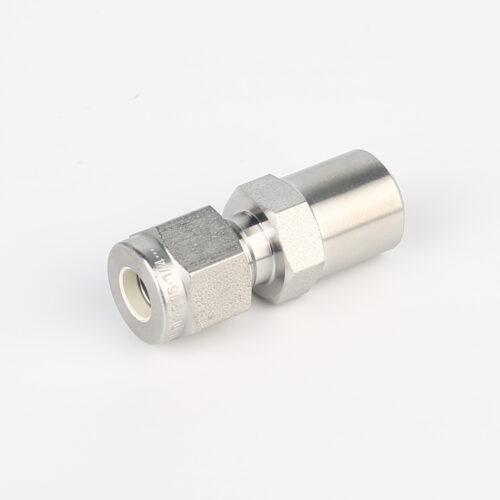
768LN Stainless Steel Male Pipe Tube Butt Weld Connector And Tube Fittings Supplier
-
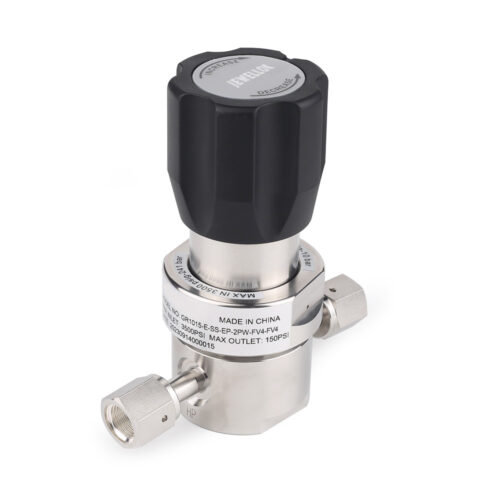
JR1000 Series UHP Ultra High Purity Single Stage Pressure Reducing Regulator And Low To Intermediate Flow
-
316L Vim Var Stainless Steel Ultra High Purity Gas Pressure Reducing Valve For Corrosive Specialty Gas Distribution
-
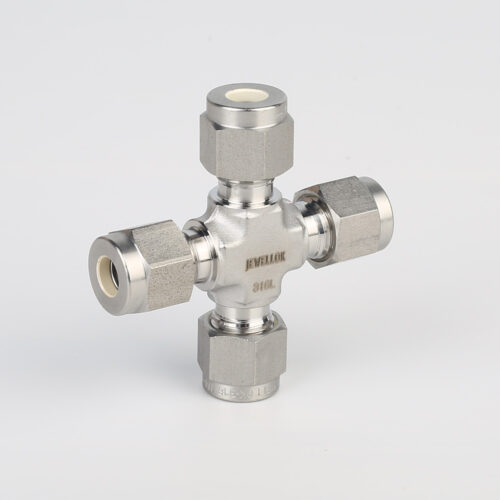
7102L Stainless Steel 316L SS Union Cross Ultra High Purity Long Arm Union Elbow Tee Cross Butt Weld Fittings
-
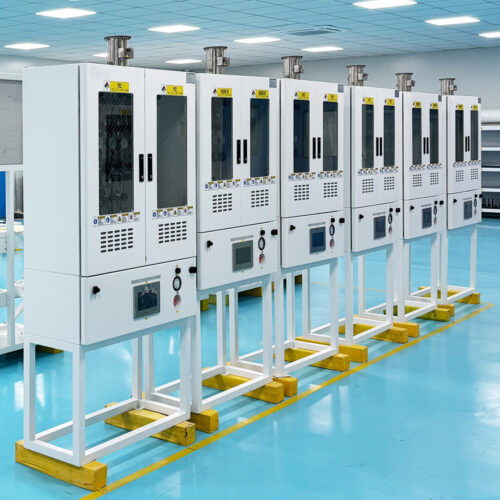
Ultra-High Purity Chemical Delivery Module (CDM) and Valve Manifold Box Integration Improving Semiconductor Yield
-
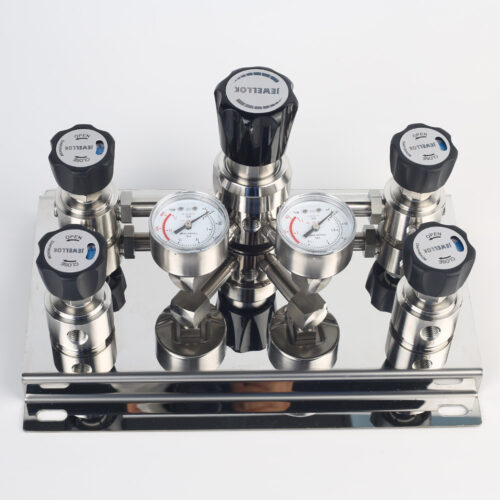
Single Stage Wall And Cabinet Mounting Pressure Control Panels JSP-2E Series For High Purity Gases
-

Organic Chemical Automatic Liquid Supply System Chemical Delivery And Waste Collection Systems CDS And CDM
-
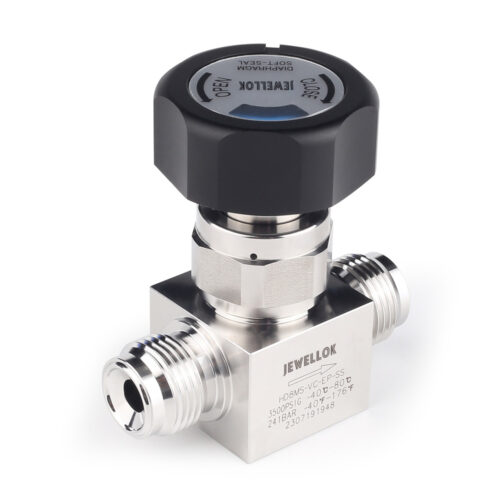
Stainless Steel Ultra High Purity (UHP) High Pressure Manual Diaphragm Valve