
Valves Manufacturer Tel: +86 13380377051
Semiconductor Industry Exclusive: Ultra-High Purity Stainless Steel Liquid Chemical Cabinets
The Critical Intersection of Purity and Safety
In the intricate and demanding world of semiconductor manufacturing, the concept of “purity” is not merely a quality metric; it is the very foundation of viability. As the industry relentlessly pursues the next technological nodes—moving from 5nm to 3nm and beyond—the geometries on silicon wafers have become so minute that even sub-micron particles or molecular contaminants can render an entire batch of microchips useless. This extreme sensitivity to contamination extends beyond the cleanroom environment and the processing tools themselves. It begins at the very point of entry for the liquid chemicals that etch, clean, and deposit layers onto the wafers.
This is where the unsung hero of the fab utility system comes into play: the liquid chemical cabinet. Specifically, for the most critical processes, the industry has moved beyond standard polyethylene or polypropylene cabinets to a gold standard of containment and delivery: Ultra-High Purity (UHP) Stainless Steel Liquid Chemical Cabinets. This article delves into the engineering, material science, and design philosophies behind these specialized cabinets, exploring why they are indispensable for maintaining the chemical integrity required for modern semiconductor fabrication.
The Necessity of Metallic Containment
For decades, plastic cabinets constructed from materials like High-Density Polyethylene (HDPE) or Polyvinyl Chloride (PVC) have served the industry well. They offer excellent chemical resistance to many acids and bases at a reasonable cost. However, as chip architectures have shrunk, the limitations of polymers have become apparent.
Polymers are, by their nature, permeable to some degree. They can outgas trapped solvents or absorb moisture, leading to gradual chemical degradation. More critically, they can be a source of leachable organics and metallic ions. In processes such as wafer cleaning (RCA cleaning) or etching, these trace contaminants can cause doping inconsistencies or physical defects.
Furthermore, the aggressive nature of new chemical formulations, such as high-temperature sulfuric acid or concentrated hydrofluoric acid mixtures, can degrade polymer surfaces over time, creating particles. Stainless steel, specifically low-carbon austenitic alloys like 316L, provides an inert, impermeable, and robust barrier. When processed correctly, it offers a surface that is inherently cleaner and more stable than any polymer, ensuring that the chemical entering the process tool is as pure as the day it was manufactured.
Material Science: The 316L Electropolished Standard
The term “stainless steel” covers a vast family of alloys. For UHP applications in the semiconductor industry, the material of choice is almost exclusively 316L stainless steel.
-
316: This denotes a grade that includes molybdenum, which adds significant resistance to chlorides and acids compared to the basic 304 stainless steel.
-
L: The “L” stands for low carbon (maximum 0.03%). This minimizes the precipitation of chromium carbides at the grain boundaries during welding. If chromium carbides form, the area adjacent to the weld becomes depleted of chromium (sensitized), losing its corrosion resistance and becoming a potential source of metallic contamination and eventual failure.
However, the alloy chemistry is only half the story. The defining characteristic of a UHP stainless steel cabinet is the surface finish, achieved through a two-step process: mechanical polishing followed by electropolishing.
-
Mechanical Polishing: This initial step smooths the surface, removing mill scale, scratches, and imperfections. It creates a uniform, “satin” finish.
-
Electropolishing: This is the critical electrochemical process that transforms the surface. The metal is immersed in an electrolytic bath and subjected to a direct current. This preferentially dissolves the “peaks” of the microscopic surface topography, resulting in a highly uniform, mirror-like finish.
The benefits of electropolishing for chemical cabinets are profound:
-
Reduced Surface Area: A smoother surface has less microscopic area for particles to adhere to.
-
Passivation: It enriches the surface layer with chromium oxide (Cr₂O₃), the natural “passive” layer that provides corrosion resistance. This layer is thicker, more uniform, and more stable than one formed naturally.
-
Contaminant Removal: The process removes embedded iron particles and other surface impurities introduced during manufacturing.
-
Cleanability: The non-porous, smooth surface is dramatically easier to clean and purge, ensuring that any residual moisture or contaminants are quickly removed during installation.
Design Architecture: Beyond the Box
An ultra-high purity chemical cabinet is far more than a stainless steel box. It is a sophisticated fluid handling and safety system, engineered to maintain the cleanliness of the chemical from the moment the container (bottle, drum, or IBC tote) is placed inside, to the moment the chemical is dispensed to the fab’s main distribution system.
1. Interior Environment and Containment
The interior of the cabinet is a welded 316L electropolished containment basin. This basin is designed to capture any spills or leaks, protecting personnel and the facility. The welds themselves are critical; they are typically orbital or autogenous TIG (Tungsten Inert Gas) welds performed in an inert atmosphere (back-purged with argon) to prevent oxidation (sugaring). The resulting weld bead is smooth, crevice-free, and possesses the same corrosion resistance as the parent metal.
2. The Fluid Path: The Heart of Purity
While the cabinet walls provide a clean environment, the tubing, valves, and fittings that actually transport the chemical are the most critical components for purity.
-
Materials: The wetted path is exclusively made of high-purity materials. For most acids and solvents, this means Perfluoroalkoxy (PFA) , a fluoropolymer known for its extreme inertness. PFA components are manufactured in cleanrooms to ensure they are particle-free.
-
Joining Methods: Mechanical connections are made with flare fittings, which create a leaktight, dead-leg-free seal. Alternatively, for the ultimate in purity, PFA tubing can be thermally fused (welded), eliminating any potential leak points.
-
Design Philosophy: The fluid path is designed for “drainability.” There are no low points where liquid can pool and stagnate, which could lead to particle generation or bacterial growth (in the case of deionized water or dilute chemistries).
3. Inert Gas Blanketing (IBS)
Many high-purity chemicals, such as photoresists, solvents, and some acids, are hygroscopic (absorb moisture) or sensitive to oxygen. Exposure to ambient air can degrade the chemical or cause particle formation. UHP stainless steel cabinets are equipped with sophisticated Inert Gas Blanketing systems. Before the chemical is dispensed, the headspace in the container is pressurized with ultra-high purity nitrogen (or another inert gas). This not only prevents contamination but also provides the pressure required to push the chemical out of the container and into the distribution system, eliminating the need for pump suction that could introduce bubbles.
4. Advanced Filtration and Purging
The cabinets themselves are kept clean through continuous purging with filtered air or nitrogen. The vent lines from chemical containers are often equipped with specialized hydrophobic filters that prevent airborne molecular contamination from entering the container as it drains. The cabinet’s internal atmosphere is maintained at a negative pressure relative to the fab environment, ensuring that any fugitive vapors are captured by an exhaust scrubbing system.
Safety Integration for Hazardous Processes
The use of 316L stainless steel for the cabinet structure also provides superior fire resistance and structural integrity compared to plastics. This allows for the integration of advanced safety features required for handling pyrophoric or highly corrosive materials:
-
Fire Suppression: Cabinets can be fitted with dedicated fire detection and suppression systems (e.g., water deluge or chemical extinguishing systems) that activate in the event of a fire.
-
Leak Detection: Redundant leak sensors (conductivity, optical, or liquid detection cable) are placed in the containment basin to provide immediate alerts at the first sign of a leak.
-
Double Containment: All fluid carrying lines are often double-contained (tube-in-tube), with the outer tube connected to a leak detection system. This ensures that even a pinhole leak in the primary PFA tube cannot release chemical into the cabinet environment.
-
Exhaust Management: The cabinet’s exhaust port is designed to interface with the fab’s scrubber system, safely removing hazardous fumes.
Industry Standards and Certification
Adherence to industry standards is non-negotiable. UHP stainless steel cabinets are typically manufactured and tested in accordance with:
-
SEMI Standards: Semiconductor Equipment and Materials International (SEMI) provides guidelines for everything from material specifications (SEMI F57 for polymer components) to safety guidelines (SEMI S2) and environmental health and safety (SEMI S14).
-
ASME BPE: For bioprocessing equipment, which shares many similarities with semiconductor chemical delivery, ASME Bioprocessing Equipment standards provide guidance on material selection, welding, and surface finishes.
-
FM/UL Approvals: For fire safety, components like valves and the cabinet’s structural integrity are often tested and approved by Factory Mutual (FM) or Underwriters Laboratories (UL).
Conclusion
As the semiconductor industry continues its march toward atomic-scale manufacturing, the margin for error approaches zero. The liquid chemical cabinet, once a peripheral piece of support equipment, has evolved into a precision instrument critical to the yield and performance of advanced logic and memory chips.
The ultra-high purity stainless steel liquid chemical cabinet represents the pinnacle of this evolution. By combining the superior material properties of electropolished 316L stainless steel with advanced fluid handling design, rigorous safety protocols, and a maniacal focus on eliminating contamination, these systems provide the unshakeable foundation required for the chemical delivery loops of a modern fab. They are not just containers; they are guardians of purity, ensuring that the aggressive and sensitive liquids that define the semiconductor process arrive at the wafer exactly as intended, every single time.
For more about the semiconductor industry exclusive: ultra-high purity stainless steel liquid chemical cabinets, you can pay a visit to Jewellok at https://www.jewellok.com/ for more info.
-
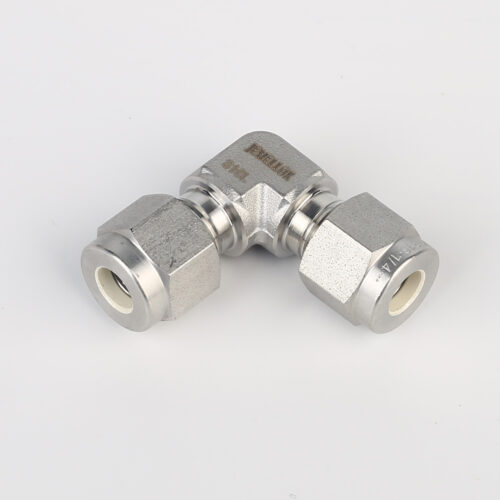
765L Stainless Steel Union Elbow Reducing High Purity Fitting Tubing Extension Tubing Connection
-
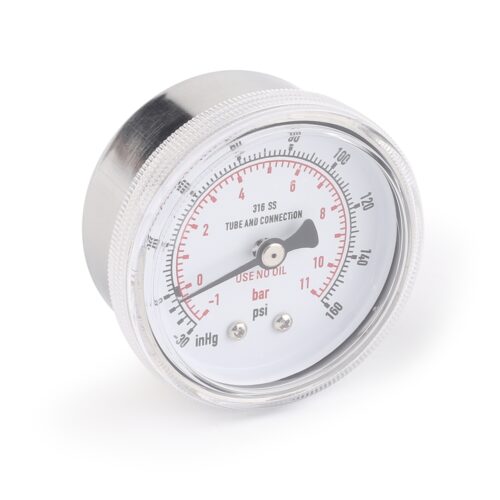
Ultra High Purity Pressure Gauge For Laboratory And Semiconductor JR Series
-
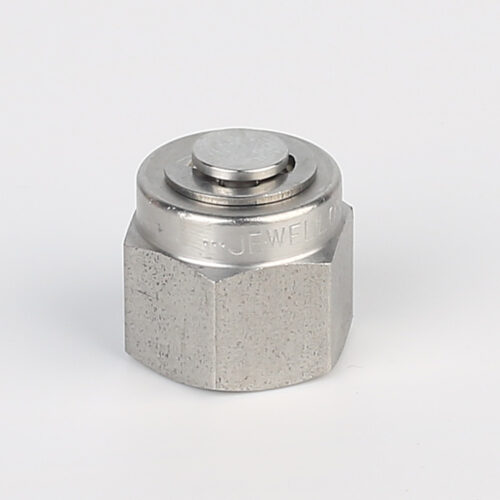
7121L Plug High Purity Plug Fitting And Blanking Plug
-
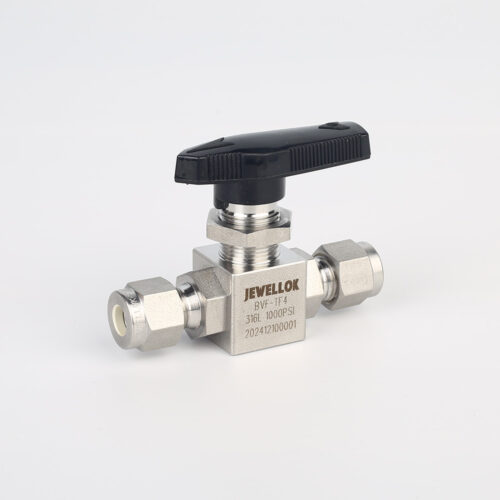
Stainless Steel High Purity High Temperature Pneumatic Actuated Ball Valves JBV2 Series
-
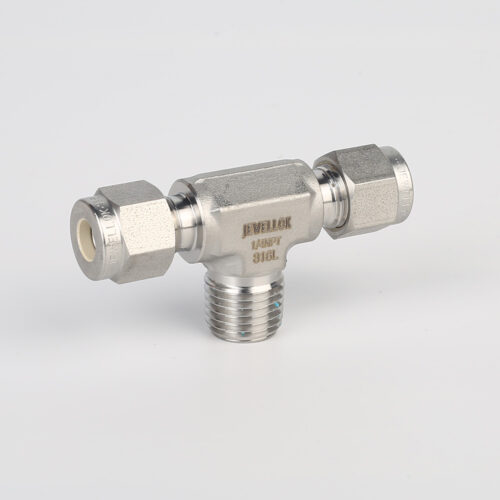
772L Male Branch Tee | Stainless Steel High-Purity Tube Fitting Male Branch Tee
-
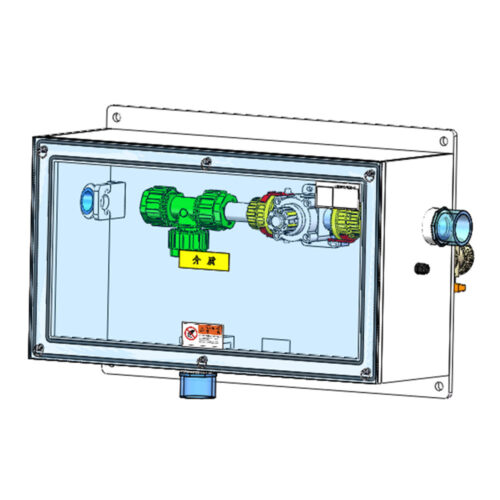
FT-BOX JW-FTB-C Valve Manifold Panels And Boxes With High Purity Configurable Systems
-
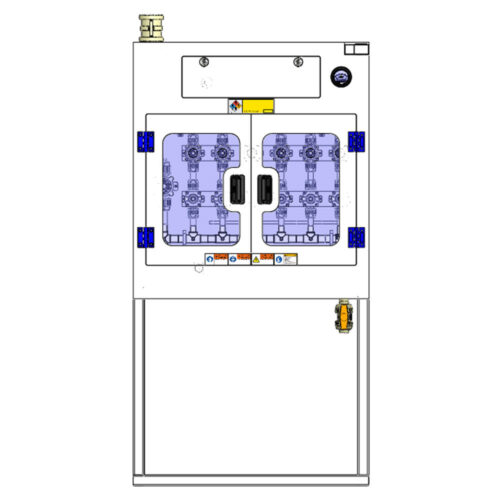
High Purity Configurable Systems VMB Valve Manifold Box JW-200-VMB-C & JW-100-VMB-C
-
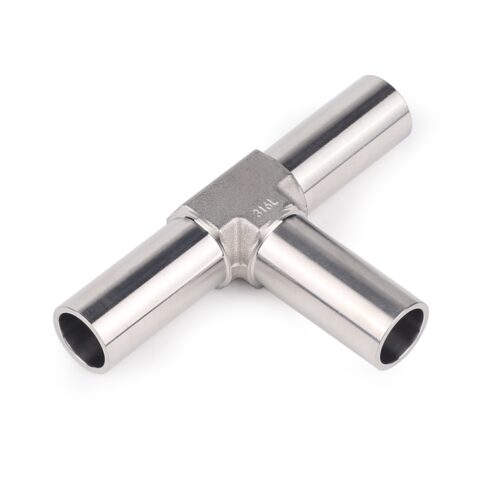
Stainless Steel Ultra Clean Welding Joint Fittings TW Series TRW Series & CW Series