
Valves Manufacturer Tel: +86 13380377051
How Does An Oxygen Gas Changeover Manifold Work?
In environments where a continuous supply of oxygen is not just a requirement but a matter of life and death, engineering failsafes become paramount. From the controlled chaos of a hospital’s intensive care unit to the precise operations of a deep-sea diving bell or a bustling metal fabrication shop, the interruption of oxygen flow is simply not an option. The oxygen gas changeover manifold is the critical piece of infrastructure that stands guard against such a catastrophe. It is an automated sentinel, designed to ensure a seamless, uninterrupted transition from a primary oxygen source to a full secondary reserve, all without a single hiccup in pressure. But given oxygen’s unique and hazardous properties, how does this system achieve such reliable performance while maintaining absolute safety?
At its core, an oxygen changeover manifold is a pressurized pneumatic system governed by the principles of pressure differentials and spring mechanics. Its primary mission is to monitor the pressure in the primary supply and, at a pre-determined point of depletion, automatically switch the gas source to a full reserve bank. However, unlike manifolds for inert gases, an oxygen manifold operates under an additional, non-negotiable constraint: the uncompromising elimination of any risk of contamination or fire. Its operation is therefore a masterclass in both reliability and safety engineering.
The Stakes: Why Uninterrupted Oxygen is Critical
To appreciate the manifold’s design, one must first understand the consequences of failure in its key applications:
- Healthcare and Life Support: In hospitals, medical-grade oxygen is piped directly to patient bedside outlets (wall units) in ICU, operating theatres, and wards. A loss of pressure could disrupt ventilators, anesthesia machines, and oxygen therapy, with immediate and dire consequences for patient safety.
- Aerospace and Diving: In hyperbaric chambers, submarines, and diving systems, a continuous oxygen supply is essential for maintaining life-supporting atmospheres. An interruption could lead to rapid decompression sickness (the bends) or suffocation.
- Industrial Processes: In metal fabrication, oxygen is crucial for oxy-fuel cutting and welding. While a momentary loss may not be immediately life-threatening to a patient, it can ruin a critical weld on a pressure vessel or bridge, creating a long-term safety hazard. It also causes significant production downtime.
In all these scenarios, the changeover manifold acts as the first and most critical line of defense, providing the window of time needed for personnel to replace the empty cylinders without panic or process disruption.
Deconstructing the System: Core Components and the Imperative of Oxygen Cleanliness
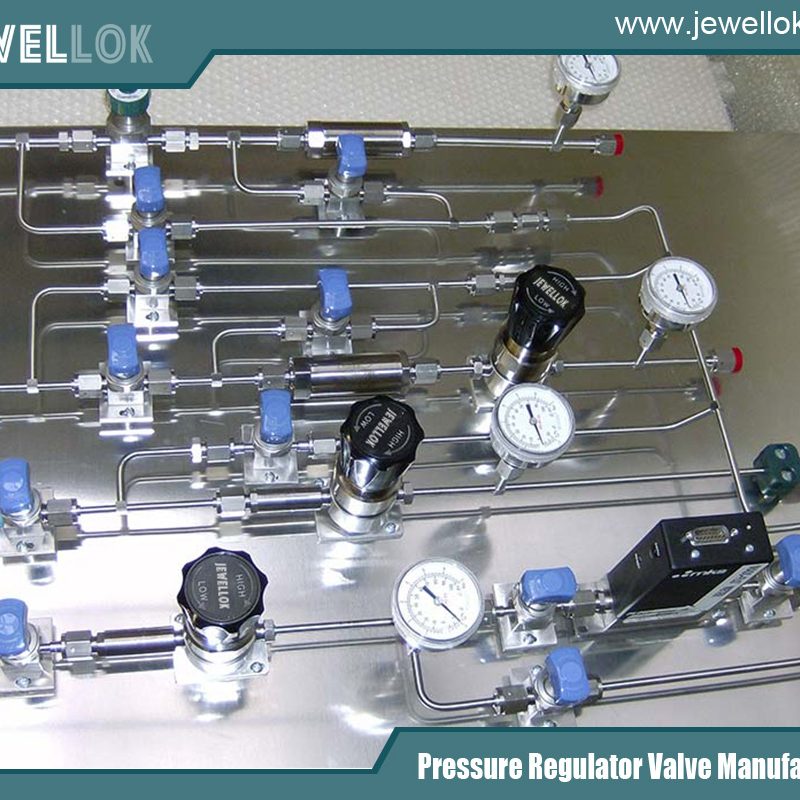
A standard two-bank oxygen gas changeover manifold is an assembly of specialized components. Each part is not only chosen for its function but also for its compatibility with high-pressure oxygen, a domain where standard industrial components can be catastrophic.
- Oxygen-Clean Inlet Valves: These are manual shut-off valves made from materials like brass or stainless steel that are compatible with oxygen. Crucially, every component in an oxygen system must be “oxygen clean” – scrupulously free of oil, grease, and particulate contaminants. These contaminants can act as fuels, leading to a fire in the presence of high-pressure oxygen, a phenomenon known as adiabatic compression.
- Oxygen-Specific Pressure Regulators: Perhaps the most safety-critical components. These first-stage regulators reduce the high cylinder pressure (which can be up to 2,200 psi / 150 bar for gaseous oxygen) to a stable, lower “line pressure,” typically between 100-150 psi (7-10 bar). Oxygen regulators are manufactured to strict standards, using materials like non-flammable Monel or specialized plastics for seals, to prevent ignition from friction or heat generation during pressure reduction.
- The Changeover Valve (The Automated Brain): This is the system’s intelligent core. It is a specialized valve with two inlets (Primary and Reserve) and one outlet. Its internal mechanism, typically a diaphragm or piston, is constantly exposed to the pressure from the primary supply. A calibrated spring opposes this pressure. The entire valve assembly is designed for clean, reliable operation without generating sparks or excessive heat.
- Non-Return Valves (Check Valves): These one-way valves are integrated within or installed downstream of the changeover valve. They are vital for preventing backflow from the active supply into the inactive one. This is critical for maintaining the purity of medical oxygen and for safety if one bank of cylinders needs to be isolated for maintenance.
- Pressure Gauges: The manifold features two types:
- Cylinder Content Gauges: One for each bank, showing the high pressure inside the cylinders, allowing for a rough estimate of remaining gas.
- Delivery Pressure Gauge: Shows the stable, regulated line pressure being supplied to the downstream pipeline or equipment.
- Outlet Valve: A manual valve controlling the final flow from the manifold to the facility’s pipeline.
- Alert Mechanism: This is the system’s communication tool. It is almost always a bright, visual flag (universally red) that pops up when a changeover occurs. In critical settings like hospitals, this mechanical action also triggers a pneumatic or electric alarm—sounding a horn and illuminating a warning light on a central monitoring panel—to ensure immediate staff notification.
The Operational Sequence: A Step-by-Step Breakdown of a Changeover
The manifold’s operation is an elegant, sequential process that prioritizes continuity above all else.
Phase 1: Normal Operation – Primary Supply in Use
The system starts with both the primary and reserve cylinder banks full and their inlet valves open. High-pressure oxygen from the primary bank flows through its dedicated oxygen-compatible regulator, which steps the pressure down to a steady 100 psi.
This regulated 100 psi gas enters the “Primary” inlet of the changeover valve. Inside the valve, this pressure acts upon the diaphragm, compressing the internal calibration spring. This force holds the valve’s internal mechanism in the “Primary” position. In this state, the flow path from the primary inlet is open, and the pathway from the reserve inlet is mechanically blocked. The integrated check valve on the primary side is open due to the forward flow, while the check valve on the reserve side remains sealed. Oxygen flows unimpeded from the primary bank, through the changeover valve, and out to the facility. The system is stable, and the alert flag remains down.
Phase 2: Depletion and the Automatic Switchover
As the primary bank is consumed, its internal pressure drops. The first-stage regulator heroically maintains the 100 psi output until the cylinder pressure falls very close to this delivery pressure. Once this point is reached, the regulator can no longer hold the line.
The pressure in the line feeding the changeover valve from the primary side begins to decay. When this pressure dips below the manifold’s pre-set changeover threshold (a common setting is 50 psi), the force on the diaphragm is no longer sufficient to overcome the strong calibration spring.
The spring now acts, instantaneously moving the internal mechanism of the changeover valve. This swift action has two simultaneous effects:
- It shuts off the flow path from the now-depleted primary inlet.
- It opens the flow path from the full reserve inlet.
The regulated 100 psi oxygen from the reserve bank immediately rushes into the changeover valve. The check valve on the primary side snaps shut the moment the primary pressure drops, preventing any of the new reserve gas from back-flowing into the empty primary line. The gas flow is now seamlessly sourced from the reserve bank. The entire transition is completed in milliseconds—far faster than any ventilator can cycle or a welder can notice a pressure drop.
Phase 3: Alarm, Response, and Resetting the System
The physical movement of the changeover valve’s internal mechanism is mechanically linked to the alert system. As the valve shifts from “Primary” to “Reserve,” it triggers the bright red flag to pop up. In a hospital or industrial setting, this same action activates the audible and visual alarms.
This is the system’s unambiguous signal: “The primary bank is empty. I have switched to reserve to maintain supply, but the empty cylinders must be replaced immediately.” This allows for a proactive, rather than reactive, response. A maintenance technician can now safely close the inlet valves on the empty primary bank, carefully vent the residual pressure from that side of the manifold, replace the cylinders, and reopen the valves. Once the primary side is repressurized, the technician manually resets the changeover valve (via a button or lever). This action shifts the valve back to the primary position, closes the reserve inlet, lowers the alert flag, silences the alarm, and re-arms the system for the next cycle.
Advanced Configurations and Safety Protocols
For larger facilities, manifolds are more complex than a simple two-bank system. They often incorporate “Duty-Assist” or “Lead-Lag” configurations. In these systems, two identical manifolds work in tandem, sharing the load and automatically designating one as the primary and the other as the reserve. This provides both redundancy and extends the time between cylinder changes.
The paramount protocol with any oxygen manifold is oxygen compatibility. This extends beyond the initial manufacturing to maintenance. No lubricants other than those specifically designed for oxygen service can ever be used. Wrenches must be clean and non-sparking. The system must be periodically inspected for leaks and contamination. This relentless focus on cleanliness is what separates a standard pneumatic system from a safe, high-pressure oxygen system.
Conclusion
The oxygen gas changeover manifold is a masterpiece of practical, safety-focused engineering. It is a system that performs its most critical function precisely when it is needed most—at the moment of primary supply failure. By automating the switch to a reserve source, it eliminates human error and delay, creating a buffer of time that, in a medical context, can be the difference between life and death, and in an industrial context, between quality and catastrophic failure.
More than just a collection of valves and gauges, it is a reliable, mechanical guardian. It operates silently in a basement utility room or on a factory wall, demanding little attention until the moment its red flag rises. In that simple action, it communicates a vital message: continuity has been preserved, and the vital flow of oxygen remains uninterrupted.
For more about how does an oxygen gas changeover manifold work, you can pay a visit to Jewellok at https://www.jewellok.com/ for more info.
-
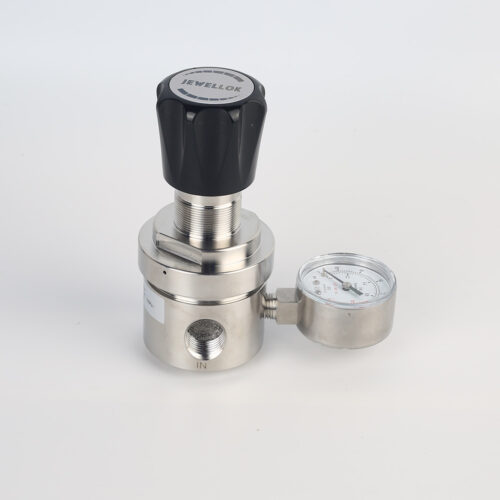
Line And Panel Mounting Adjustable Low Pressure Propane And Nitrogen Pressure Regulator JSR-3L & JSR-3LP Series
-

Engineering Ultra-High Purity Fluid Control Liquid Chemical Delivery Module (CDM) And Chemical Delivery System (CDS) for Pharmaceutical Grade Applications
-
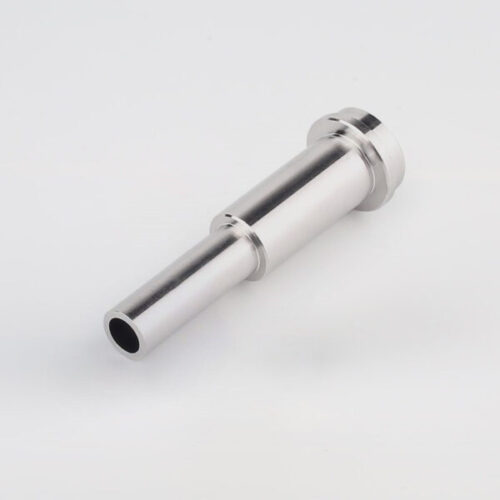
Long Gland LG Series For Ultra High Purity Gas And Chemical Delivery Systems
-
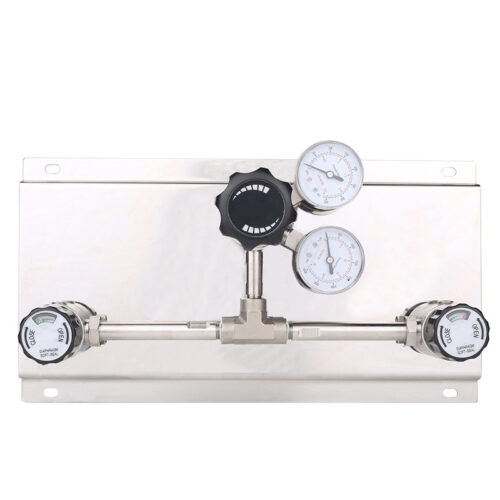
High Pressure High Flow Specialty Gas Control Panel With Diaphragm Valve , 3000Psig Oxygen Control Medical Changeover Manifold Panel
-
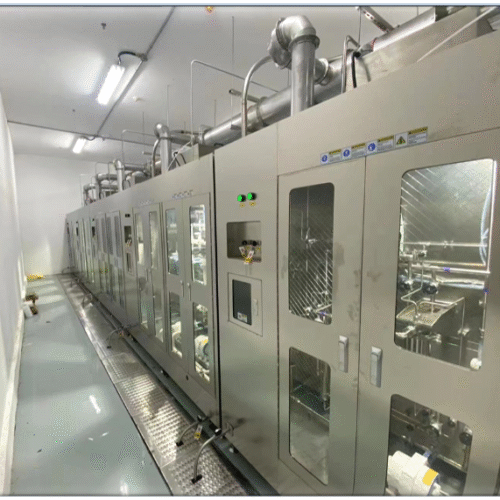
Ultra-High Purity Bulk Liquid Chemical Delivery System (BCDS) for Maintaining Parts-Per-Trillion Purity in Manufacturing
-
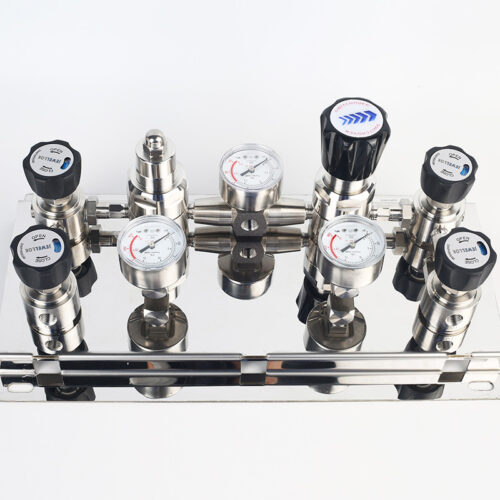
Semi Automatic Gas Changeover Manifold System Manual Changeover Manifold Panel Single Stage Automatic Switchover Board
-
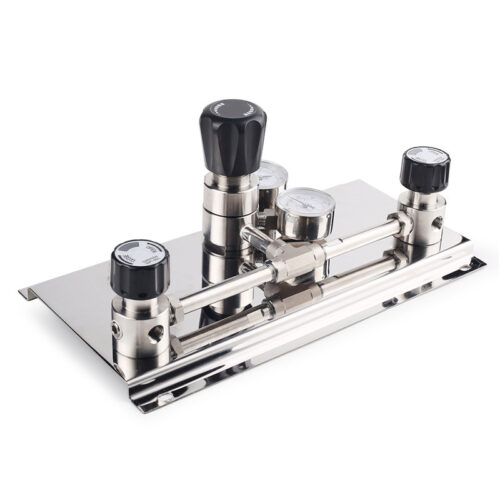
High Purity Semi-Auto Stainless Steel Changeover Manifold System, Nitrogen High Pressure Control Panel With Semiconductor Valve Manifold Box Diaphragm Valves
-
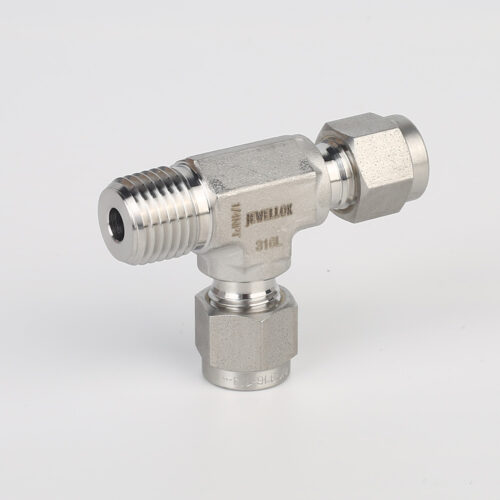
771L Male Run Tee | Stainless Steel High Quality High Purity Male Run Tee Branch Tee Pipe Fittings