
Valves Manufacturer Tel: +86 13380377051
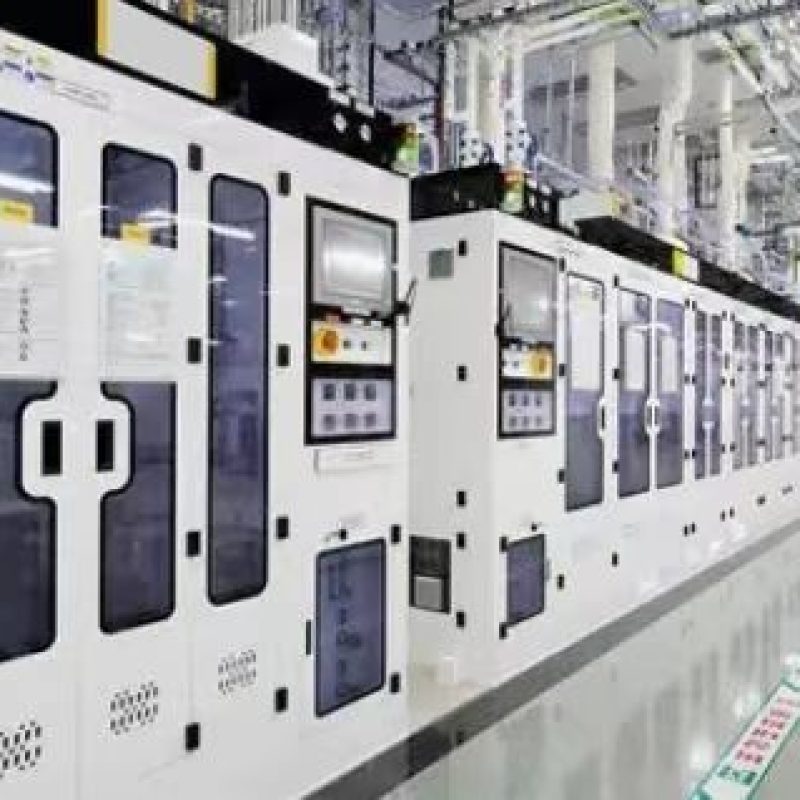
Exhaust Gas Treatment Systems Provide Monitoring and Safety Management of Gas Delivery Systems and Chemical Storage Facilities
In the modern industrial landscape, the safe handling of specialty gases and volatile chemicals is the cornerstone of operational integrity. Sectors ranging from semiconductor fabrication and photovoltaic manufacturing to pharmaceutical research and chemical synthesis rely heavily on a complex ecosystem of gas delivery systems and chemical storage facilities. While the primary focus is often on the purity and precision of the gas or chemical being delivered, the byproduct of these processes—exhaust gas—presents a significant hazard. Untreated effluent can be toxic, flammable, pyrophoric, or detrimental to the environment. Consequently, exhaust gas treatment systems (EGTS) have evolved from simple abatement units into sophisticated, integrated platforms designed specifically to provide comprehensive monitoring and safety management for the facilities they serve.
These systems act as the final, critical layer of defense in the hierarchy of process safety. They are not merely end-of-pipe solutions; they are intelligent safety assets that ensure gas delivery systems and chemical storage areas operate within defined risk parameters. This article explores the architecture, functional safety principles, monitoring methodologies, and integration strategies that define modern exhaust gas treatment systems as holistic safety management tools.
The Critical Interface: Abatement and Process Safety
To understand the role of EGTS in safety management, one must first appreciate the nature of the hazards they mitigate. Gas delivery systems (GDS) and chemical storage facilities house materials under high pressure, cryogenic temperatures, or in concentrated liquid forms. During normal operations—such as cylinder changes, tool purging, or tank filling—residual chemicals must be safely removed. In abnormal situations, such as a leak, diaphragm failure in a valve, or a rupture disc bursting, a sudden surge of hazardous material enters the exhaust stream.
Without an adequately designed and monitored treatment system, this exhaust stream presents three primary hazards:
-
Atmospheric Release: Direct venting of toxics (e.g., arsine, chlorine) or global warming gases (e.g., perfluorocarbons like NF₃ or CF₄).
-
Fire and Explosion: Accumulation of pyrophoric gases (e.g., silane, dichlorosilane) or flammable vapors in ductwork, which can lead to rapid combustion propagating back to the source.
-
Structural Damage: Corrosive gases (e.g., HCl, HF, Cl₂) condensing in ductwork, leading to facility degradation and potential loss of containment.
An EGTS addresses these hazards by converting hazardous effluents into inert, safe compounds—typically oxides, salts, and water—that can be safely released into the atmosphere or sent to industrial wastewater treatment. However, the effectiveness of this conversion is contingent upon the system’s ability to monitor its own health and the integrity of the upstream processes.
Architecture of a Safety-Centric Treatment System
Modern exhaust gas treatment systems are no longer simple burn boxes or wet scrubbers. They are modular, multi-stage systems designed for redundancy and fail-safe operation. A comprehensive system typically comprises three core subsystems: the abatement engine, the monitoring and control backbone, and the interface isolation.
1. The Abatement Engine
The choice of abatement technology (combustion, wet scrubbing, dry adsorption, or plasma) depends on the chemical species being handled. However, from a safety management perspective, the engine must include:
-
Reaction Chamber Monitoring: Sensors to verify that the destruction removal efficiency (DRE) remains above regulatory or operational thresholds (often >99.999% for pyrophorics).
-
Temperature Control: For combustion units, redundant thermocouples ensure the chamber maintains a temperature high enough to ignite pyrophorics (e.g., >750°C) but low enough to prevent thermal stress on the facility ductwork.
-
Exhaust Management: Integrated fans or eductors that maintain negative pressure (draft) in the facility’s exhaust ducts. Loss of negative pressure is a critical safety event, as it can cause hazardous gases to backflow into the cleanroom or chemical storage area.
2. The Monitoring Backbone
This is where the transition from “treatment” to “comprehensive monitoring” occurs. A modern EGTS utilizes a distributed network of sensors to create a digital representation of the exhaust path. Key monitoring points include:
-
Inlet Gas Monitoring: Utilizing Fourier-transform infrared spectroscopy (FTIR) or electrochemical sensors at the system inlet to identify the specific chemical composition and concentration entering the abatement device. This allows the system to anticipate required treatment intensity.
-
Leak Detection: Perimeter monitoring around the EGTS unit itself, using point gas detectors to ensure that if the unit’s housing fails, personnel are alerted.
-
Effluent Verification: Continuous monitoring of the treated exhaust to confirm compliance with environmental permits and to detect breakthrough (the point where the abatement media is saturated or the combustion process is failing).
-
Duct Integrity: Differential pressure switches across the treatment system to detect blockages caused by particulate accumulation (a common byproduct of silane combustion) which could lead to system over-pressurization.
3. Interface Isolation
To manage safety effectively, the EGTS must be physically and electronically isolated from the upstream process. This is typically achieved via isolation dampers and programmable logic controllers (PLCs) that communicate directly with the facility’s central monitoring system (e.g., the Gas Cabinet Controller or Building Management System). In a safety event, the EGTS can signal the gas delivery system to stop the flow of gas before the abatement unit reaches a failure point.
Comprehensive Monitoring: Data as a Safety Asset
The phrase “comprehensive monitoring” implies more than simply displaying pressure and temperature readings. It involves the integration of predictive analytics, real-time alarming, and historical data trending.
Predictive Maintenance
In traditional setups, an exhaust treatment system would alarm only when it failed, often coinciding with a gas delivery shutdown. Modern systems utilize the data from their monitoring backbone to predict failure.
-
Pressure Trending: A gradual increase in differential pressure across a particulate filter indicates that the filter is loading. Instead of a sudden blockage causing a shutdown, the system alerts facility engineers to schedule a filter change during planned maintenance windows.
-
Temperature Decay Rates: In thermal abatement units, if the time required to recover setpoint temperature after a gas surge begins to increase, it indicates refractory degradation or heating element wear. This allows for proactive refurbishment.
-
Scrubber Efficiency: Conductivity sensors in wet scrubber recirculation tanks monitor the buildup of dissolved salts. When conductivity reaches a threshold, it signals that the scrubbing liquid is nearing saturation and must be replaced to maintain DRE.
Real-Time Safety Alarming
The EGTS acts as a safety interlock for the gas delivery system. The logic is hardwired to ensure fail-safe operation. For example:
-
Condition: Exhaust flow drops below the minimum required velocity.
-
Action: The EGTS sends a “fault” signal to the gas cabinet. The gas cabinet receives this as a safety interlock and automatically closes pneumatic valves, stopping the flow of hazardous gas upstream.
-
Result: The potential for gas accumulation in the ductwork is eliminated.
This hierarchical safety structure ensures that the treatment system is not a passive bystander but an active participant in the safety instrumented function (SIF) of the facility.
Safety Management: Handling Upset Conditions
The true test of an exhaust gas treatment system is not its performance during normal steady-state operations, but its behavior during upset conditions. Safety management protocols are built into the EGTS to handle scenarios such as:
1. High Concentration Surges
In chemical storage facilities, a “bubble” of high-concentration gas may be purged from a line during maintenance. If this slug hits a standard abatement unit, it can overwhelm the reaction chamber, leading to “slip” (untreated gas passing through). Advanced EGTS units utilize inlet throttling or buffer tanks. When monitoring detects a concentration spike exceeding the unit’s instantaneous capacity, the system modulates inlet valves to meter the gas into the treatment chamber at a safe rate, preventing breakthrough.
2. Fire Detection and Suppression
Given that many gases in storage are pyrophoric or flammable, the exhaust ductwork is a high-risk area. Modern EGTS incorporate:
-
Ultraviolet/Infrared (UV/IR) Flame Detectors within the duct and the treatment unit.
-
Automatic Suppression Systems: Upon flame detection, the system shuts inlet dampers to starve the fire of oxygen (or chemical supply) and activates water mist or CO₂ suppression systems specifically designed for the chemical properties of the stored materials.
3. Chemical Compatibility and Corrosion Management
Safety management also involves asset integrity. Wet scrubbers used for acid gas storage facilities must manage corrosion. Comprehensive monitoring includes:
-
pH Monitoring: Continuous pH measurement of scrubber water. If the pH drops (becomes acidic), it indicates that the neutralization chemical (caustic) feed is depleted. The system automatically triggers a supplementary caustic feed and alerts operators. If the pH goes out of a safe range, it interlock-shuts the gas delivery to prevent acidic corrosion of the downstream exhaust fan and ductwork.
-
Level Monitoring: Redundant level sensors in sumps and tanks prevent overflow of hazardous spent scrubber water onto the facility floor.
Integration with Facility-Wide Safety Systems
An exhaust gas treatment system cannot operate in a silo. Comprehensive safety management requires seamless integration with the facility’s broader infrastructure.
Interface with Gas Delivery Systems (GDS)
As mentioned, the hardwired interlock is mandatory. However, advanced integration now includes data sharing. The EGTS sends its operational status—”Available,” “At Capacity,” or “Bypass Mode”—to the GDS. The GDS can then dynamically route gases to available treatment units, ensuring that no single unit is overloaded. In chemical storage facilities with multiple tanks, this “load balancing” is critical to maintaining safety during simultaneous tank purging operations.
Interface with Fire Alarm and HVAC
In the event of a fire within the exhaust system, the EGTS must override standard HVAC logic. Typically, HVAC systems are designed to contain fires by shutting down. However, for exhaust systems handling pyrophorics, shutting down the fan would be catastrophic as it would allow gas accumulation. Therefore, the EGTS is integrated with the Fire Alarm System (FAS) to initiate a specialized response:
-
Confirm the EGTS fan remains operational to maintain negative pressure.
-
Isolate the fire area via dampers without compromising the structural integrity of the facility by pressurizing the cleanroom.
-
Activate dedicated deluge systems within the exhaust ductwork.
Emergency Response
For chemical storage facilities, a leak in a storage tank (e.g., a bulk ammonia or TMA (trimethylaluminum) tank) requires a coordinated emergency response. The EGTS serves as the “safe harbor” for the facility’s emergency response plan. Many facilities are now designing “emergency dump” lines that allow operators, via remote control, to divert the entire contents of a leaking tank or gas cylinder bundle directly to the EGTS—provided the system has the capacity to treat such a massive surge without failing. This capability transforms the EGTS from a process tool into an emergency safety system.
The Future: Industry 4.0 and AI-Driven Safety
As gas delivery systems and chemical storage facilities become increasingly automated, the role of exhaust gas treatment systems is expanding into the realm of Artificial Intelligence (AI) and Machine Learning (ML).
Future systems are moving toward self-optimizing safety loops. By leveraging historical data from thousands of hours of operation, ML algorithms can predict the optimal setpoints for combustion temperature, scrubbing liquid flow rates, and inlet dampers based on real-time inlet gas analysis. This dynamic adjustment ensures that the system operates at peak efficiency with the lowest possible utility consumption, but more importantly, it ensures that safety margins are automatically widened when volatile conditions are detected.
Furthermore, digital twins of the exhaust system allow facility safety managers to run “what-if” scenarios. For a chemical storage facility planning to introduce a new, highly toxic gas, the digital twin can simulate the impact on the existing EGTS—predicting thermal loads, chemical reaction byproducts, and required maintenance intervals—before the chemical is ever introduced to the facility.
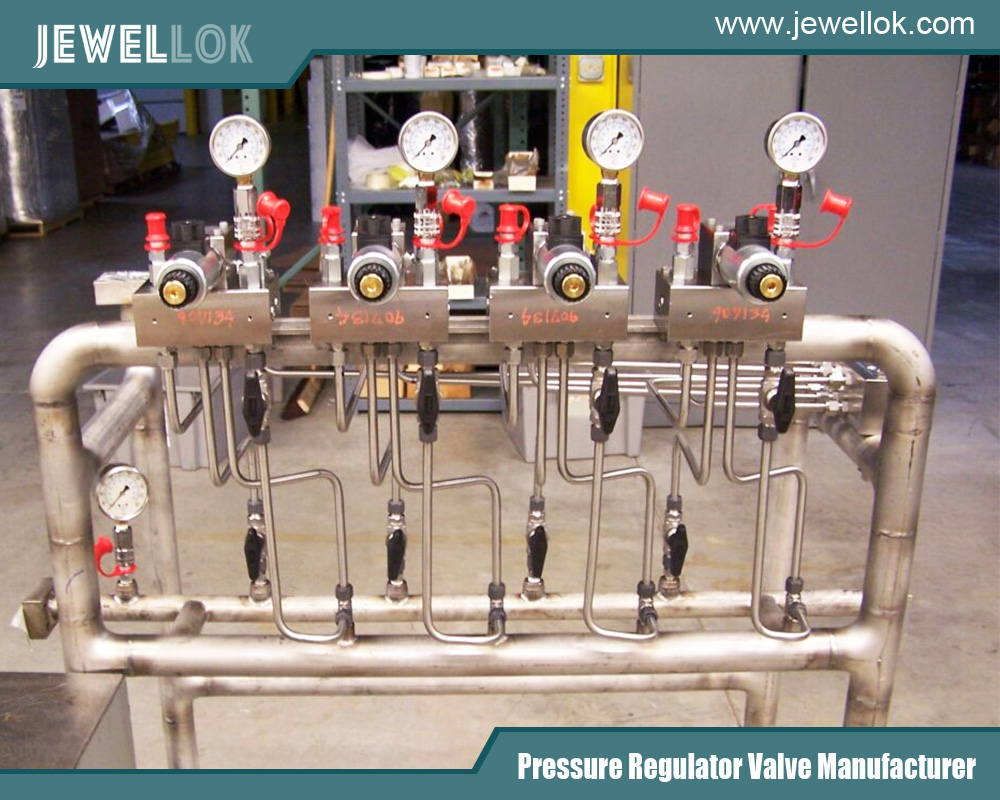
Conclusion
Exhaust gas treatment systems have transcended their historical role as simple pollution control devices. In today’s high-risk environments—characterized by sophisticated gas delivery systems and high-volume chemical storage—these systems are engineered to be the central nervous system for safety management and environmental compliance.
By integrating comprehensive monitoring—ranging from inlet gas spectroscopy to predictive pressure trending—and by acting as the primary safety interlock for upstream processes, the EGTS ensures that hazardous materials are contained, neutralized, and rendered safe before they can pose a risk to personnel, property, or the planet.
The design philosophy has shifted from reactive abatement to proactive safety management. A well-designed exhaust gas treatment system does not simply wait for a failure to occur; it monitors, predicts, and acts to prevent failures from propagating. For facility managers, safety engineers, and process designers, recognizing the EGTS as a critical safety asset—rather than an operational utility—is essential to achieving the ultimate goal of zero harm in the management of hazardous gases and chemicals. As industrial processes continue to evolve with more potent and dangerous chemistries, the sophistication and integration of these treatment systems will remain paramount to operational integrity.
For more about exhaust gas treatment systems provide monitoring and safety management of gas delivery systems and chemical storage facilities, you can pay a visit to Jewellok at https://www.jewellok.com/product-category/chemical-delivery-system/ for more info.
-
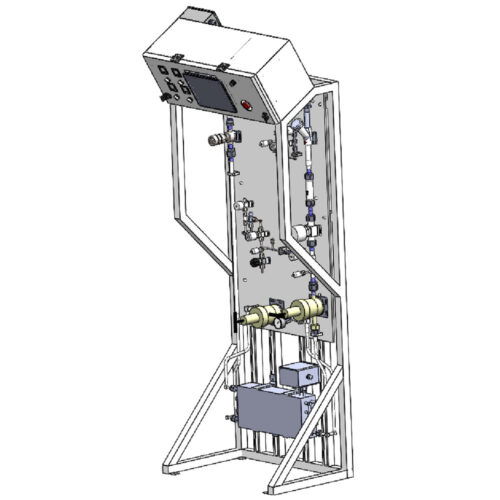
Fully Automated Gas Cabinet Gas Rack Gas Delivery Systems JW-300-GR
-
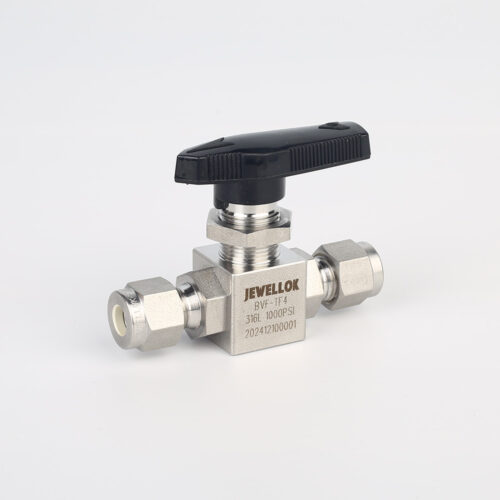
Stainless Steel High Purity High Temperature Pneumatic Actuated Ball Valves JBV2 Series
-
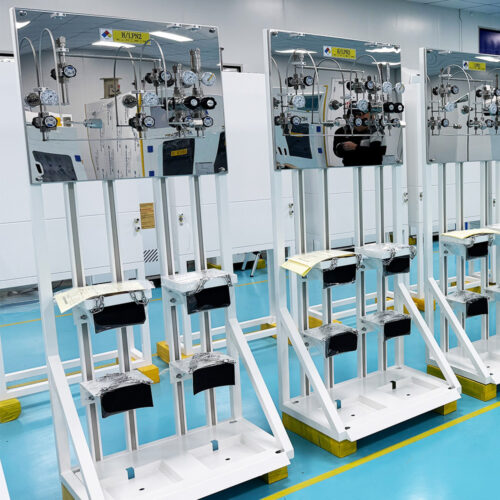
Manual Gas Rack High Purity Gas Delivery Systems JW-100-GR
-
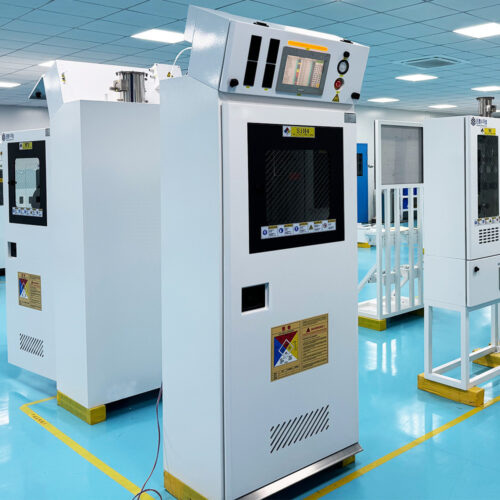
BSGS Large Flow Specialty Gas Supply Cabinet 3 Cylinder Gas Storage Cabinet Fully Automated PLC Control Bulk Specialty Gas Systems (BSGS) Gas Cabinets
-
Semi-Automatic VMB Gas Cabinet With Semiconductor Valve Manifold Box Diaphragm Valves And Gas Pressure Regulators
-
7121L Plug High Purity Plug Fitting And Blanking Plug
-
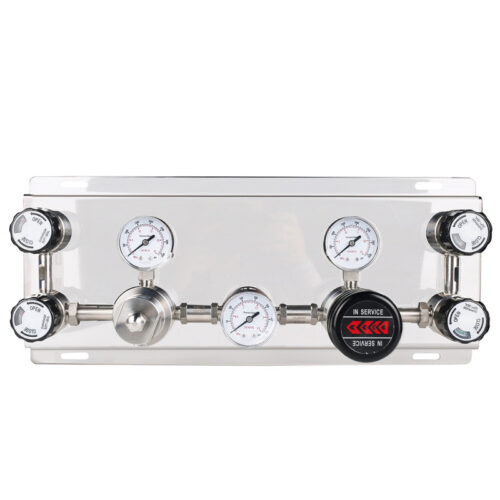
Semi Automatic And Automatic Switching Speicialty Gas Changeover Manifold Panel With Semiconductor Valve Manifold Box Gas Pressure Regulators
-
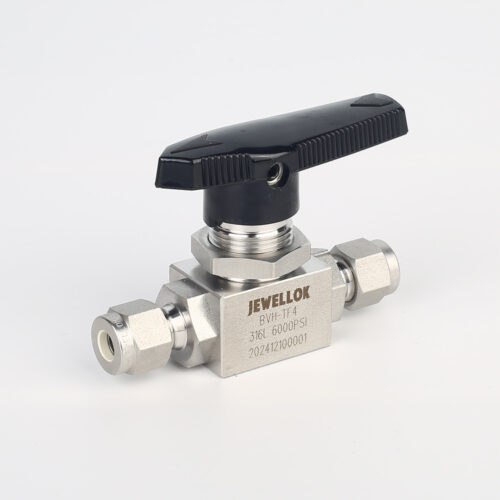
High Purity High Pressure 316 Stainless Steel Ball Valves JBV1 Series From High Pressure Ball Valve Manufacturer And Supplier In China