
Valves Manufacturer Tel: +86 13380377051
Scrubber Technologies and Trends for Chemical Exhaust Gas Treatment in Semiconductor Manufacturing
The semiconductor industry is the bedrock of the modern digital economy, powering everything from smartphones and computers to advanced automotive systems and artificial intelligence. The manufacturing of these intricate microchips, however, is a chemically intensive process. From etching and deposition to cleaning and doping, semiconductor fabrication relies on a vast array of toxic, corrosive, and environmentally hazardous gases. These include perfluorocarbons (PFCs), which are potent greenhouse gases; silane (SiH₄), which is pyrophoric; and various acid gases and volatile organic compounds.
As global demand for semiconductors surges and environmental regulations become increasingly stringent, the effective management of exhaust gases from manufacturing tools is no longer just a safety requirement but a critical component of sustainable and compliant operations. At the heart of this effort lies the chemical exhaust gas treatment system, predominantly utilizing scrubber technology. This article delves into the technical principles, prevailing technologies, and emerging trends shaping the future of scrubbers in the semiconductor industry.
The Challenge: A Complex Chemical Cocktail
Before examining the solutions, it is essential to understand the challenge. The exhaust stream from a semiconductor fab is incredibly complex. It can be broadly categorized into several types:
-
Toxic and Pyrophoric Gases: Gases like arsine (AsH₃), phosphine (PH₃), and silane (SiH₄) are highly toxic or can spontaneously ignite in air.
-
Corrosive Gases: Hydrogen chloride (HCl), chlorine (Cl₂), and ammonia (NH₃) can severely damage equipment and pose immediate health risks.
-
Global Warming Gases (PFCs): Compounds like CF₄, C₂F₆, and NF₃ are used extensively for plasma etching and chamber cleaning. They are extremely stable and have a global warming potential (GWP) thousands of times higher than CO₂.
-
Volatile Organic Compounds (VOCs): Isopropyl alcohol (IPA) and other solvents are used in cleaning and lithography processes.
-
Particulates: Byproducts of chemical vapor deposition (CVD) processes can form fine powders (e.g., SiO₂) that clog pipes and treatment systems.
An effective scrubber must handle this diverse mixture, ensuring that the air exhausted to the environment meets or exceeds all local, national, and international safety and emissions standards.
Core Scrubber Technologies: A Multi-Layered Defense
Semiconductor fabs employ a combination of chemical exhaust gas treatment technologies, often integrated into a single scrubber unit, to tackle the full spectrum of pollutants. The main types include wet scrubbers, dry scrubbers, and thermal/combustion systems, which are frequently used in hybrid configurations.
1. Wet Scrubbers
Wet scrubbing is the most common and mature technology for treating water-soluble and reactive gases. The principle is simple: the contaminated gas stream is brought into intimate contact with a scrubbing liquid, typically water or a chemical solution, which absorbs or reacts with the pollutants.
-
Mechanism: The core of a wet scrubber is a packed bed, a series of spray nozzles, or a venturi section. In a packed bed scrubber, the gas flows upward through a bed of plastic or ceramic media while the scrubbing liquid flows downward. This maximizes the surface area for contact. The pollutants are transferred from the gas phase to the liquid phase. For acid gases like HCl and HF, water or a caustic solution (e.g., NaOH) is used for neutralization. For alkaline gases like NH₃, an acidic solution (e.g., H₂SO₄) is employed.
-
Advantages: Highly effective for soluble and reactive gases, relatively low operating cost, and can handle large gas volumes and particulate matter (to some extent).
-
Limitations: Ineffective for insoluble gases like PFCs and many VOCs. Produces a liquid effluent (wastewater) that requires further treatment before disposal. Can have issues with plume visibility (steam) in cold weather.
2. Dry Scrubbers (Adsorption-Based)
Dry scrubbers utilize solid media to remove contaminants from the gas stream through adsorption or chemical reaction. They are typically used as “polishers” for low-concentration, high-toxicity gases or for applications where wet scrubbing is impractical.
-
Mechanism: The exhaust gas is passed through a vessel or canister filled with a specialized adsorbent media. Common media include activated carbon (for VOCs and some hydrides), chemically-impregnated carbons (for enhanced removal of specific gases like NH₃ or HCl), and metal oxide blends (for hydride gases like arsine and phosphine). The media physically traps or chemically converts the toxic gas into a non-volatile solid salt, which remains trapped within the media.
-
Advantages: No liquid effluent, very high removal efficiencies for target gases (often >99.9999%), low capital cost for point-of-use applications, and simple operation.
-
Limitations: Media has a finite capacity and must be replaced regularly, leading to ongoing consumable costs and hazardous waste disposal. Not suitable for high-concentration gas streams or large volumes due to rapid media exhaustion. Ineffective for PFCs.
3. Thermal and Plasma Scrubbers
For the most challenging pollutants—the potent greenhouse gases (PFCs) and pyrophoric gases—thermal energy is required to break the strong chemical bonds. These systems are often referred to as burn-wet scrubbers or plasma scrubbers.
-
Combustion / Burn-Wet Scrubbers: In this system, the exhaust gas is mixed with a fuel source (like natural gas) and air/oxygen and combusted in a controlled chamber at temperatures exceeding 800-1000°C. The high heat breaks down the PFCs into simpler compounds like HF, CO₂, and H₂O. The hot exhaust is then rapidly quenched (cooled) and passed through a downstream wet scrubber to remove the acidic byproducts (primarily HF).
-
Advantages: Effectively destroys PFCs and pyrophoric gases. The wet scrubber section handles the newly formed soluble compounds.
-
Limitations: High energy consumption, high capital cost, potential for NOx formation (thermal NOx), and requires careful safety management of the combustion process.
-
-
Plasma Scrubbers: An alternative to thermal combustion uses plasma technology. A high-voltage electrical discharge is used to create a plasma field, generating highly reactive species (ions, radicals) that break down PFCs at lower temperatures than combustion. This can be more energy-efficient for certain applications. The byproducts are again scrubbed in a wet section.
Trends Shaping the Future of Exhaust Treatment
The semiconductor industry is in a constant state of evolution, driven by Moore’s Law and the demand for more powerful, energy-efficient chips. This evolution directly impacts exhaust treatment technologies, leading to several key trends.
Trend 1: The Drive for Sustainability and “Net Zero”
Sustainability is arguably the most powerful force shaping the industry. The focus is shifting from mere regulatory compliance to holistic environmental stewardship. This manifests in several ways:
-
PFC Abatement and electrification: With the industry’s commitment to reduce greenhouse gas emissions, the efficiency of PFC destruction is paramount. This is driving the adoption of higher-efficiency combustion and plasma systems. Furthermore, there is a push towards electrified abatement (e.g., advanced plasma, electric heaters) to reduce the carbon footprint associated with burning natural gas.
-
Water Conservation: Traditional wet scrubbers are significant consumers of water. To address water scarcity, manufacturers are developing closed-loop water recirculation systems for scrubbers. These systems treat and recycle the scrubbing water on-site, drastically reducing freshwater intake and wastewater discharge.
-
Byproduct Valorization: Instead of simply treating waste, there is growing interest in recovering valuable materials from the exhaust stream. For example, research is being conducted on recovering fluorine from HF scrubber effluent or capturing unreacted specialty gases for reuse. While still in its infancy, this circular economy approach represents the ultimate goal of waste treatment.
Trend 2: Point-of-Use vs. Centralized Abatement
The debate between point-of-use (POU) and centralized abatement continues to evolve.
-
Point-of-Use (POU): A dedicated scrubber is connected directly to a single process tool. This offers the highest level of safety and control, as the hazardous gas is treated immediately at its source, preventing it from traveling through long fab ducts. It also allows for process-specific treatment optimization. The trend towards smaller, more efficient, and modular POU scrubbers is strong.
-
Centralized Abatement: A large, central scrubber handles the combined exhaust from multiple tools. This can be more cost-effective in terms of capital expenditure and maintenance footprint. However, it requires a robust and leak-tight ductwork system, and the mixing of incompatible chemistries (e.g., silane and chlorine) in the same duct poses a significant safety risk.
The current trend is a hybrid approach. Highly toxic or pyrophoric gases are almost always treated at the POU level. Less hazardous, soluble gases may be sent to a central wet scrubber, while the general fab exhaust is treated by a large, central thermal oxidizer.
Trend 3: Smart Scrubbers and Industry 4.0
The modern fab is a “smart factory,” and scrubbers are becoming integral to this connected ecosystem.
-
Real-Time Monitoring and Control: Advanced sensors (e.g., FTIR, mass spectrometers) are being integrated to monitor the inlet and outlet gas composition in real-time. This data allows the scrubber control system to dynamically adjust parameters like chemical feed rates, water flow, or combustion temperature to optimize performance and minimize resource consumption.
-
Predictive Maintenance: By analyzing data on pressure drops, vibration, temperature, and component cycle times, machine learning algorithms can predict when a component (like a pump, valve, or media bed) is likely to fail. This enables proactive maintenance, reducing unplanned downtime and extending equipment life.
-
Digital Twins: A digital twin—a virtual replica of the physical scrubber—can be used to simulate performance under different conditions, optimize designs, and train operators in a risk-free environment.
Trend 4: Materials Innovation and Advanced Media
As process chemistries become more aggressive and exotic, the materials used to construct scrubbers must evolve. High-temperature alloys, advanced ceramics, and corrosion-resistant polymers (like PVDF and PTFE) are becoming more common, especially for components exposed to plasma or high-temperature effluents. In dry scrubbers, there is a continuous effort to develop new media with higher capacity, better selectivity, and the ability to treat emerging new chemistries used in advanced nodes.
Conclusion
The chemical exhaust gas scrubber has evolved from a simple safety device into a sophisticated, intelligent, and mission-critical system within the semiconductor manufacturing facility. It stands as a silent sentinel, protecting both the workforce and the environment from a complex and hazardous chemical stream. The trends driving its evolution—sustainability, smart manufacturing, and the relentless pace of chip innovation—are clear. The future of scrubber technology lies in systems that are not only more efficient at destruction but are also resource-conscious, electrically powered, data-driven, and capable of operating seamlessly within the highly automated fab of tomorrow. As semiconductor technology continues to push the boundaries of physics, the technologies designed to clean up after it will be pushed to evolve in parallel, ensuring that progress does not come at an unacceptable environmental cost.
For more about scrubber technologies and trends for chemical exhaust gas treatment in semiconductor manufacturing, you can pay a visit to Jewellok at https://www.jewellok.com/ for more info.
-
Ultra-High Purity Bulk Liquid Chemical Delivery System (BCDS) for Maintaining Parts-Per-Trillion Purity in Manufacturing
-

Ultra High Purity Liquid Chemical Delivery System And Bulk Chemical Delivery Handling System For Semiconductor Cleanrooms
-
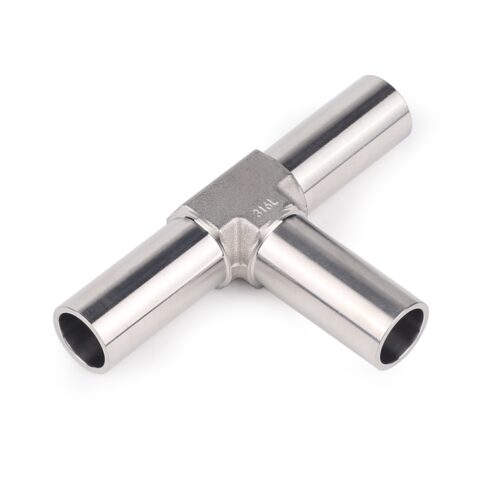
Stainless Steel Ultra Clean Welding Joint Fittings TW Series TRW Series & CW Series
-

Managing Hazardous Chemicals with a Custom Bulk Liquid Chemical Delivery System (BCDS) in Pharmaceutical Facilities
-
UHP Liquid Chemical Delivery System (CDS) Implementation for High-Volume Photovoltaic and Renewable Energy Component Production Lines
-
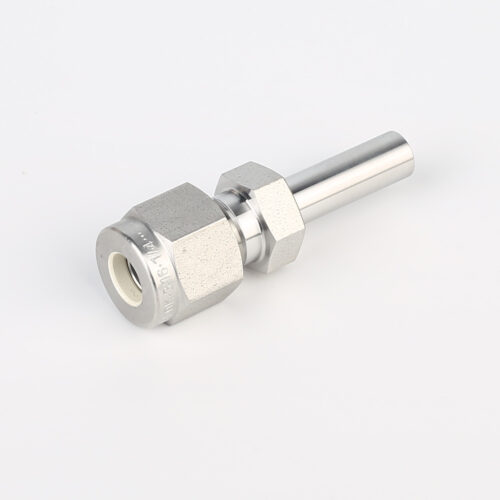
767LT Reducer Pressure Reducing Valve Adjustment High purity Pressure Reducing Union Fittings And Tubing
-
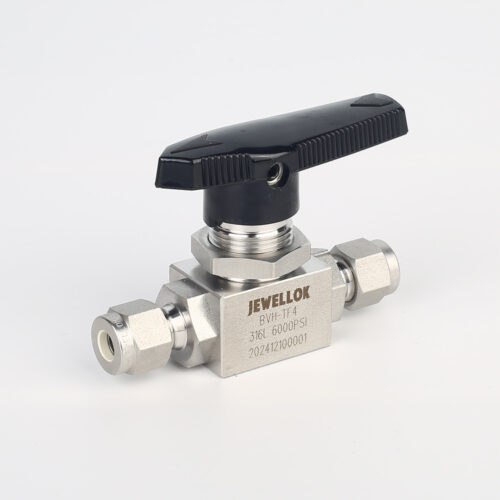
High Purity High Pressure 316 Stainless Steel Ball Valves JBV1 Series From High Pressure Ball Valve Manufacturer And Supplier In China
-

Liquid Chemical Valve Manifold Box Chemical Dispensing Units, Semi & Fully Automatic Chemical Filling Equipment