
Valves Manufacturer Tel: +86 13380377051
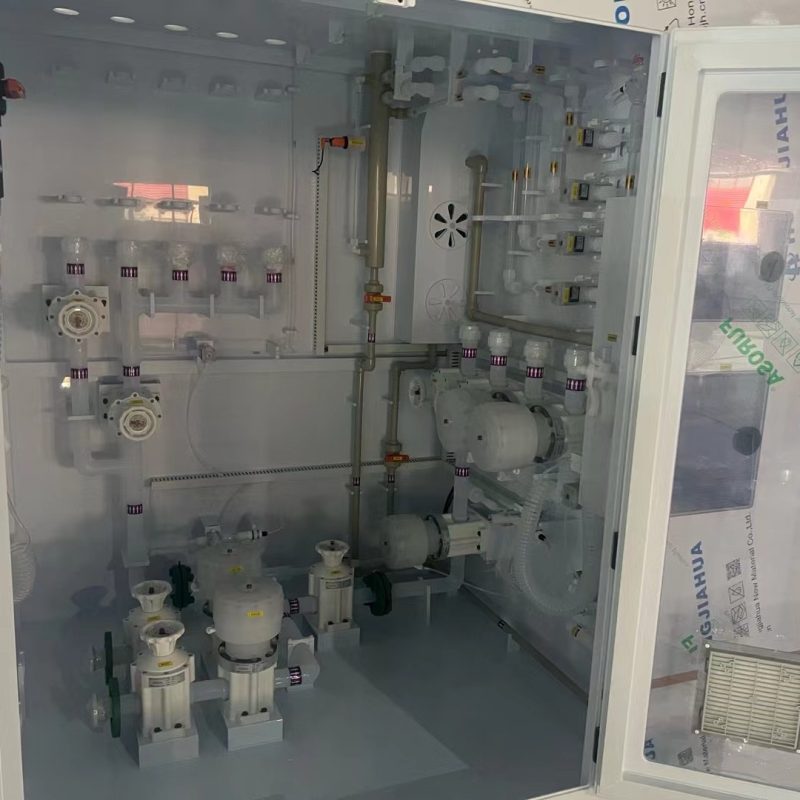
Chemical Delivery Module (CDM) for Bulk Chemical Distribution Systems
Introduction
As semiconductor manufacturing, photovoltaic production, pharmaceutical processing, lithium battery fabrication, and advanced chemical industries continue to expand globally, the demand for highly reliable and contamination-free chemical supply systems has increased dramatically. Modern manufacturing facilities rely heavily on precise chemical handling technologies to ensure production efficiency, process stability, worker safety, and environmental compliance. Among these technologies, the Chemical Delivery Module (CDM) plays a central role in bulk chemical distribution systems.
A Chemical Delivery Module is an integrated fluid handling unit designed to safely store, transfer, filter, monitor, and distribute process chemicals from bulk storage tanks to point-of-use equipment. These systems are widely used for acids, solvents, bases, ultra-pure chemicals, and specialty fluids that require strict purity control and accurate flow management.
In high-tech industries, even minor contamination or unstable chemical flow can lead to severe production losses, wafer defects, equipment corrosion, or safety incidents. Therefore, modern CDM systems are engineered with advanced automation, leak detection, pressure regulation, and ultra-high purity components to maintain precise chemical delivery under demanding operating conditions.
This article explores the structure, working principles, major components, applications, design considerations, and future trends of Chemical Delivery Modules used in bulk chemical distribution systems.
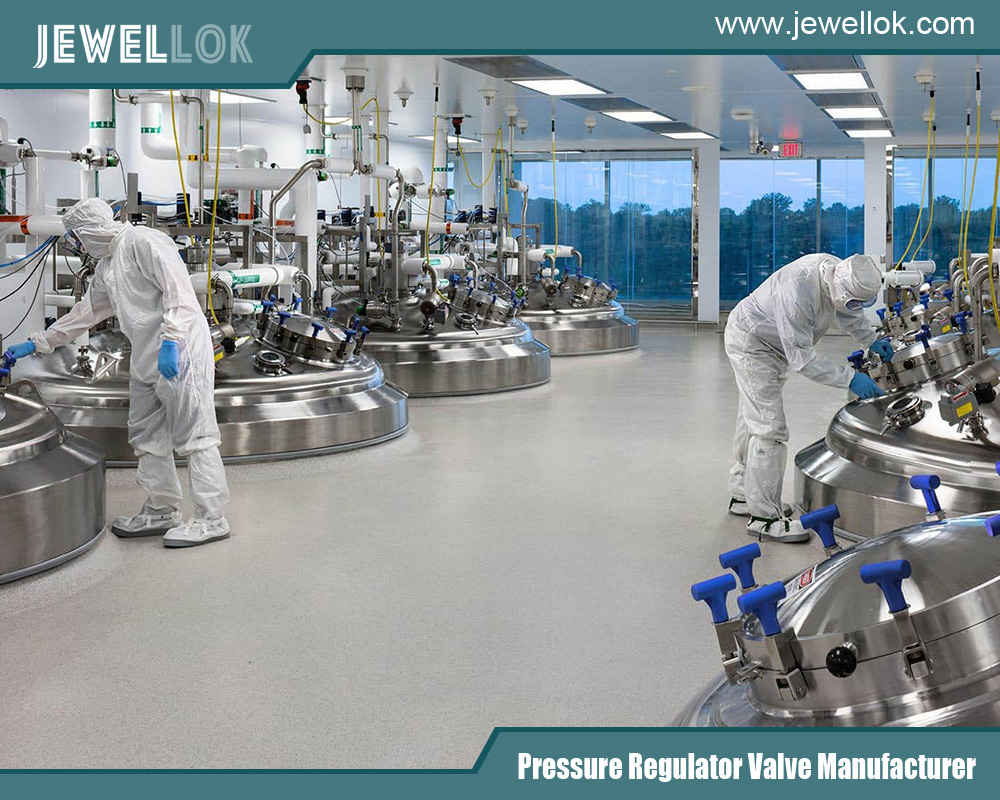
What is a Chemical Delivery Module (CDM)?
A Chemical Delivery Module (CDM) is a centralized chemical management system responsible for transferring chemicals from bulk containers or storage tanks to manufacturing tools or process equipment. It acts as the interface between chemical storage infrastructure and production lines.
The primary functions of a CDM include:
- Chemical transfer and distribution
- Flow and pressure control
- Filtration and purification
- Leak prevention and containment
- Chemical monitoring and automation
- Safety interlocking and emergency shutdown
- Process stability and contamination control
CDMs are commonly integrated into larger chemical distribution systems that serve semiconductor fabs, solar panel factories, pharmaceutical plants, and industrial manufacturing facilities.
Depending on the application, CDMs may handle:
- Sulfuric acid (H₂SO₄)
- Hydrofluoric acid (HF)
- Nitric acid (HNO₃)
- Ammonium hydroxide (NH₄OH)
- Hydrogen peroxide (H₂O₂)
- Isopropyl alcohol (IPA)
- Photoresists
- Slurries
- Solvents and specialty chemicals
Importance of CDMs in Bulk Chemical Distribution Systems
Bulk chemical distribution systems are designed to transport large volumes of chemicals safely and efficiently throughout a manufacturing facility. Without a properly engineered CDM, maintaining chemical purity and stable process conditions becomes extremely difficult.
1. Process Stability
Modern production equipment requires highly consistent chemical flow, pressure, and concentration. CDMs ensure stable chemical delivery to prevent process variation and improve product yield.
2. Safety Enhancement
Many industrial chemicals are toxic, corrosive, flammable, or reactive. CDMs incorporate safety mechanisms such as leak detection sensors, emergency shutoff valves, pressure relief devices, and secondary containment systems to minimize operational risks.
3. Contamination Control
Ultra-high purity applications, especially in semiconductor manufacturing, require extremely low particle and metallic contamination levels. CDMs use clean materials, precision filtration, and optimized flow paths to maintain chemical purity.
4. Automation and Efficiency
Advanced CDMs integrate programmable logic controllers (PLC), human-machine interfaces (HMI), and remote monitoring systems to enable automated operation, alarm management, and real-time process diagnostics.
5. Environmental Compliance
Chemical spills and vapor emissions can create environmental hazards. CDMs help facilities comply with international environmental and workplace safety regulations through enclosed transfer systems and exhaust integration.
Main Components of a Chemical Delivery Module
A modern Chemical Delivery Module consists of multiple integrated subsystems designed for safe and accurate fluid management.
1. Chemical Pumps
Chemical pumps are responsible for transferring fluids through the distribution network. Common pump types include:
- Diaphragm pumps
- Magnetically coupled centrifugal pumps
- Bellows pumps
- Air-operated double diaphragm pumps
Pump selection depends on chemical compatibility, required flow rate, operating pressure, and purity requirements.
2. Filtration System
Filtration is critical for removing particles and preventing contamination. CDMs typically use:
- PTFE membrane filters
- High-purity cartridge filters
- Multi-stage filtration systems
Advanced filtration helps maintain process integrity in semiconductor and pharmaceutical applications.
3. Valves and Flow Control Devices
CDMs use precision valves to regulate fluid movement and isolate process sections. Common valve types include:
- Diaphragm valves
- Ball valves
- Check valves
- Pneumatic control valves
High-purity diaphragm valves are especially popular in semiconductor applications because of their low dead volume and excellent chemical resistance.
4. Sensors and Instrumentation
Monitoring devices provide real-time operational data, including:
- Pressure sensors
- Flow meters
- Temperature sensors
- Liquid level sensors
- Leak detection sensors
- Conductivity meters
These instruments help operators maintain stable operating conditions and quickly identify abnormalities.
5. PLC Control System
The PLC system automates CDM operation and enables communication with factory management systems. Functions include:
- Automated pump control
- Alarm handling
- Flow adjustment
- Data logging
- Remote monitoring
- Emergency shutdown
Modern systems often support Industry 4.0 integration and predictive maintenance functions.
6. Piping and Tubing
Material compatibility is critical in chemical delivery systems. Common piping materials include:
- PFA
- PTFE
- PVDF
- Stainless steel 316L
- High-purity polypropylene
The material selection depends on chemical properties, temperature, pressure, and purity requirements.
7. Secondary Containment
Secondary containment structures help prevent environmental contamination during leaks or spills. These may include:
- Double-wall piping
- Spill trays
- Leak containment cabinets
- Drainage systems
Working Principle of a CDM
The operation of a Chemical Delivery Module follows a controlled and automated fluid handling process.
Step 1: Chemical Storage
Chemicals are stored in bulk tanks, drums, or intermediate bulk containers (IBCs). Storage systems are designed with ventilation, level monitoring, and safety controls.
Step 2: Chemical Transfer
Pumps move chemicals from storage tanks into the CDM. Flow rates are controlled according to process requirements.
Step 3: Filtration and Conditioning
Before delivery, chemicals pass through filtration systems to remove particles and impurities. Some systems also include temperature control or degassing functions.
Step 4: Pressure and Flow Regulation
Control valves and sensors maintain stable pressure and flow conditions throughout the delivery process.
Step 5: Point-of-Use Distribution
The conditioned chemicals are distributed to process equipment such as wet benches, coating systems, etching tools, or mixing systems.
Step 6: Monitoring and Safety Protection
Continuous monitoring ensures safe operation. If abnormal conditions occur, the PLC system activates alarms or automatically shuts down the system.
Applications of Chemical Delivery Modules
Semiconductor Manufacturing
Semiconductor fabs require ultra-high purity chemical delivery for wafer cleaning, etching, deposition, and chemical mechanical polishing (CMP). CDMs are essential for maintaining yield and preventing contamination.
Solar Cell Production
Photovoltaic manufacturing processes use acids, alkalis, and specialty chemicals for texturing, cleaning, and etching silicon wafers.
Pharmaceutical Industry
Pharmaceutical facilities rely on CDMs for accurate chemical dosing, sterile fluid transfer, and contamination-sensitive production processes.
Lithium Battery Manufacturing
Battery production involves electrolyte handling, solvent distribution, and chemical mixing systems that require precise fluid management.
Chemical Processing Plants
Industrial chemical facilities use CDMs for safe transfer and metering of corrosive or hazardous chemicals.
Key Design Considerations
Chemical Compatibility
All wetted materials must resist corrosion and chemical degradation. Material incompatibility can cause leaks, contamination, or equipment failure.
Purity Requirements
Ultra-pure applications require minimized particle generation, smooth internal surfaces, and low dead space designs.
Safety Standards
CDMs must comply with international safety standards such as:
- SEMI standards
- NFPA regulations
- OSHA requirements
- CE certification
- ATEX standards for hazardous environments
Redundancy and Reliability
Critical facilities often use redundant pumps, backup power supplies, and dual filtration systems to ensure continuous operation.
Ease of Maintenance
Modular system architecture simplifies maintenance, reduces downtime, and improves operational efficiency.
Automation Capability
Modern CDMs should support advanced communication protocols, data analytics, and smart factory integration.
Challenges in Chemical Delivery Systems
Despite technological advances, CDMs still face several operational challenges.
1. Corrosion
Aggressive chemicals can damage components over time. Selecting proper materials is essential for long-term reliability.
2. Particle Contamination
Microscopic contamination can severely impact semiconductor yields and pharmaceutical quality.
3. Leak Prevention
Even small leaks can create safety hazards and environmental risks. High-quality sealing technology is critical.
4. System Downtime
Unexpected equipment failure can interrupt production and cause major financial losses.
5. Increasing Purity Demands
Advanced semiconductor nodes require even stricter purity control, pushing CDM technology toward higher performance standards.
Future Trends in CDM Technology
Smart Chemical Delivery Systems
Artificial intelligence and predictive analytics are being integrated into CDMs for real-time diagnostics and preventive maintenance.
Industry 4.0 Integration
Future CDMs will increasingly connect with factory automation systems, cloud platforms, and digital twins for optimized process management.
Enhanced Safety Features
Next-generation systems will include more advanced leak detection, automated isolation, and remote emergency response capabilities.
Miniaturization and Modularization
Compact modular CDMs reduce installation space and improve scalability for expanding production lines.
Sustainable Chemical Management
Manufacturers are focusing on reducing chemical waste, energy consumption, and environmental emissions through optimized delivery technologies.
Conclusion
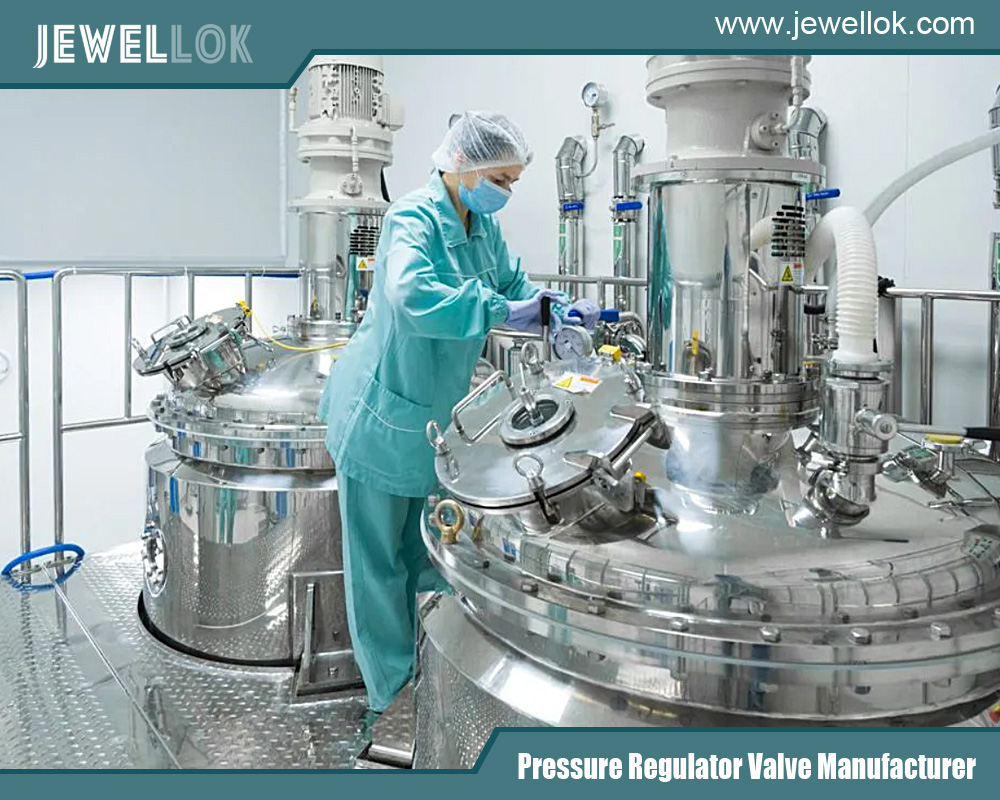
The Chemical Delivery Module (CDM) is a critical component in modern bulk chemical distribution systems. By combining precise fluid control, contamination prevention, advanced automation, and integrated safety protection, CDMs enable reliable and efficient chemical management across numerous high-tech industries.
As semiconductor manufacturing, pharmaceutical production, energy storage, and advanced materials industries continue to evolve, the demand for smarter, safer, and more efficient chemical delivery systems will continue to grow. Future CDM technologies will emphasize automation, ultra-high purity performance, environmental sustainability, and Industry 4.0 compatibility.
For manufacturers seeking stable production, improved safety, and higher operational efficiency, investing in a well-designed Chemical Delivery Module is no longer optional—it is an essential part of modern industrial infrastructure.
For more about chemical delivery module (CDM) for bulk chemical distribution systems, you can pay a visit to Jewellok at https://www.jewellok.com/product-category/chemical-delivery-system/ for more info.
-
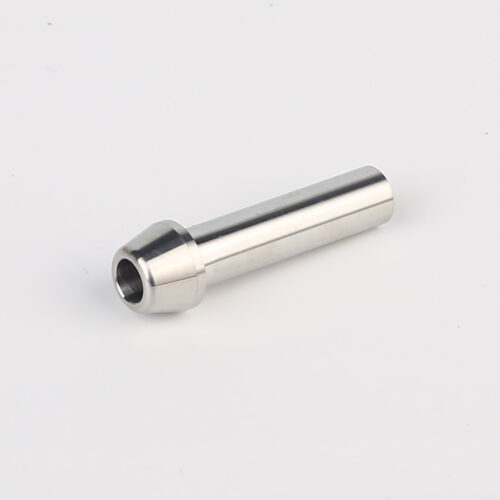
767LP Port Connector Ultra High Purity VCJ Metal Gasket Face Seal Tube Fittings
-
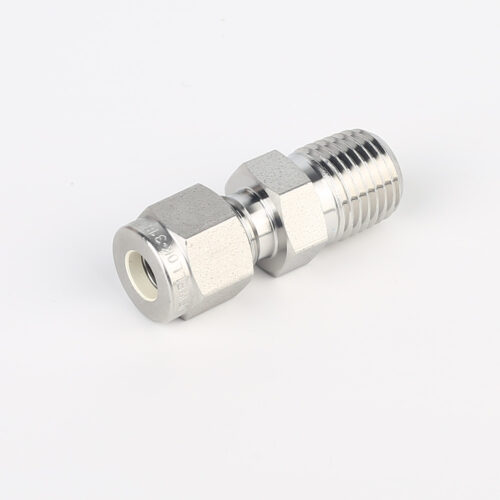
768L Stainless Steel Male Tube Butt Weld Connector | Clean Weld Fittings And Ultra-High Purity Fittings
-
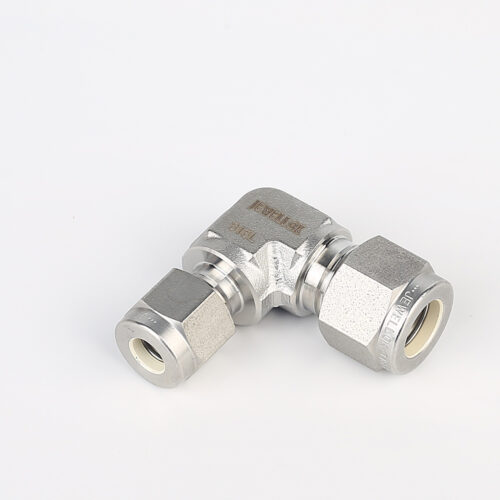
765LR Reducing Tee | Stainless Steel 316 High Purity Butt Weld Fittings Metal Face Seal For Welding Pipe Fitting Reducing Tee
-
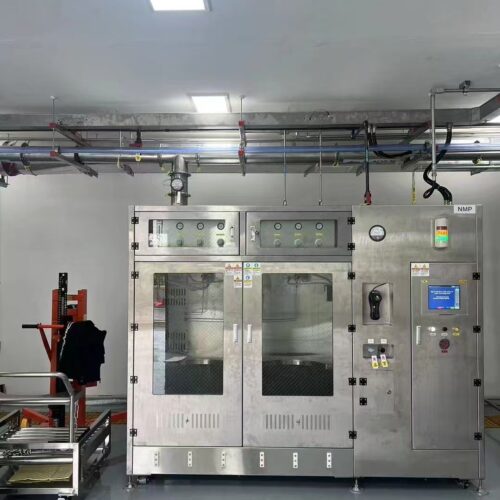
316L Electropolished Chemical Delivery System (CDS) for Contamination-Free Liquid Handling in EV Battery Manufacturing Plants
-
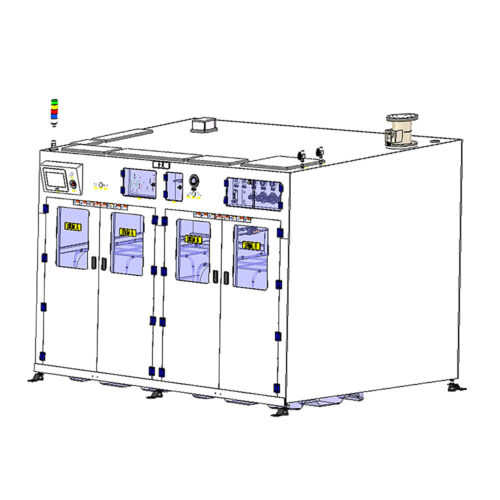
Scrubber Gas Cabinet Scrubber Tail Gas Treatment Cabinet Vent Gas Scrubber System Heat-Filter Burn Box Gas Scrubber/Abatement System
-
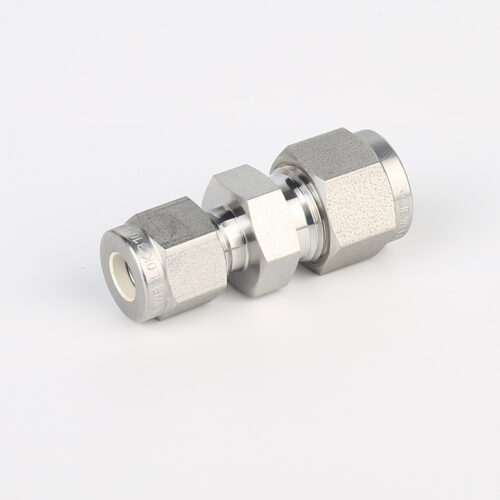
763L Stainless Steel High Purity Pressure Reducing Union Fittings And Tubing Pressure Reducing Valve Adjustment
-

Ultra High Purity Liquid Chemical Delivery System And Bulk Chemical Delivery Handling System For Semiconductor Cleanrooms
-
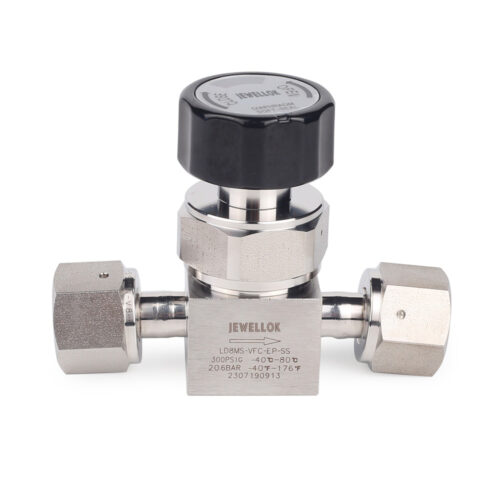
Flow Control Stainless Steel Low Pressure Manual Diaphragm Valve For High Purity And Ultra High Purity Gases