
Valves Manufacturer Tel: +86 13380377051

Specialty Gas Delivery Systems for Semiconductor and High-Tech Industries
Introduction
The rapid evolution of semiconductor manufacturing and advanced high-tech industries has created an increasing demand for ultra-clean, highly reliable, and precisely controlled gas handling technologies. Specialty gas delivery systems play a critical role in supporting processes such as semiconductor wafer fabrication, flat panel display manufacturing, photovoltaic cell production, LED processing, pharmaceutical applications, biotechnology, aerospace engineering, and advanced material research.
In modern manufacturing environments, gases are not simply utilities; they are process-critical materials directly affecting product quality, production yield, operational safety, and equipment reliability. Even trace levels of contamination, pressure instability, or flow inconsistency can result in defective products, costly downtime, and reduced process efficiency. Therefore, specialty gas delivery systems are engineered with strict requirements for purity, leak integrity, corrosion resistance, and automation capability.
This article explores the design principles, core components, applications, safety considerations, and future trends of specialty gas delivery systems used in semiconductor and high-tech industries.
What Are Specialty Gas Delivery Systems?
A specialty gas delivery system is an integrated gas handling solution designed to safely store, regulate, monitor, and distribute high-purity or hazardous gases to manufacturing tools and process equipment. These systems are engineered to maintain precise gas flow, stable pressure, and contamination-free gas transmission throughout the entire process.
Specialty gases commonly include:
- High-purity inert gases such as nitrogen (N₂), argon (Ar), and helium (He)
- Reactive gases such as hydrogen (H₂), oxygen (O₂), and ammonia (NH₃)
- Corrosive gases including hydrogen chloride (HCl) and chlorine (Cl₂)
- Toxic gases such as arsine (AsH₃), phosphine (PH₃), and silane (SiH₄)
- Semiconductor precursor gases for ALD, CVD, and etching processes
Because many of these gases are hazardous, pyrophoric, toxic, or extremely sensitive to contamination, specialty gas delivery systems must comply with rigorous safety and purity standards.
Importance in Semiconductor Manufacturing
Semiconductor fabrication is one of the most demanding industrial environments for gas control technology. Modern chip manufacturing processes involve hundreds of highly controlled chemical reactions requiring precise gas flow and ultra-high purity conditions.
Key semiconductor processes relying on specialty gas delivery systems include:
Chemical Vapor Deposition (CVD)
CVD processes use precursor gases to deposit thin films onto wafer surfaces. Stable gas flow and precise concentration control are essential for uniform film thickness and material consistency.
Atomic Layer Deposition (ALD)
ALD requires extremely accurate pulsed gas delivery at low flow rates. Specialty gas systems ensure repeatable precursor dosing and eliminate contamination risks.
Etching Processes
Dry etching systems utilize reactive gases such as fluorine-based chemistries to selectively remove materials from wafers. Accurate gas control directly impacts etching precision and feature resolution.
Ion Implantation
Specialty gases are used to introduce dopant atoms into semiconductor wafers. Gas purity and delivery stability are critical for maintaining electrical characteristics.
Lithography Support Systems
High-purity nitrogen and other gases are used to maintain clean environments for advanced lithography equipment.
As semiconductor nodes continue shrinking below 5nm and 3nm technologies, the tolerance for contamination becomes increasingly strict. This has significantly increased the demand for ultra-high purity (UHP) gas delivery technologies.
Key Components of Specialty Gas Delivery Systems
A specialty gas delivery system typically consists of several integrated components designed to ensure safety, purity, and process stability.
Gas Cabinets
Gas cabinets are enclosed safety units used to house hazardous gas cylinders. They are designed with automatic leak detection, ventilation systems, emergency shutoff functions, and fire suppression integration.
Features commonly include:
- Automatic shutdown valves
- Toxic gas monitoring
- Ventilation exhaust systems
- Pressure sensors
- Purge control systems
- PLC-based automation
Gas cabinets are essential when handling toxic, corrosive, or flammable gases in semiconductor fabs.
Valve Manifold Boxes (VMBs)
Valve manifold boxes distribute gases from bulk supply systems to multiple process tools while maintaining pressure control and isolation capability.
VMBs help:
- Simplify gas routing
- Improve maintenance accessibility
- Reduce contamination risks
- Enable centralized gas control
These systems are commonly manufactured using electropolished stainless steel tubing to achieve ultra-clean internal surfaces.
Pressure Regulators
Pressure regulators reduce cylinder pressure to usable process pressure levels while maintaining stable output despite inlet pressure fluctuations.
High-performance regulators for semiconductor applications require:
- Ultra-low internal leakage
- High sensitivity
- Corrosion resistance
- Metal-to-metal sealing
- Minimal particle generation
Single-stage and dual-stage regulators are selected based on process requirements and pressure stability needs.
Mass Flow Controllers (MFCs)
Mass flow controllers are among the most critical components in specialty gas systems. They precisely regulate gas flow rates to process equipment.
Advanced MFC technologies provide:
- High flow accuracy
- Fast response time
- Digital communication
- Multi-gas calibration
- Remote monitoring capability
In semiconductor production, even minor flow deviations can affect wafer yield and process repeatability.
Tubing and Fittings
Ultra-high purity tubing systems are essential for contamination-free gas transmission.
Materials commonly used include:
- 316L stainless steel
- Electro-polished stainless steel
- Hastelloy alloys
- Nickel-based corrosion-resistant materials
Orbital welding technology is often used to minimize dead volume and eliminate leak paths.
High-purity diaphragm valves and VCR fittings are widely adopted in semiconductor gas systems to maintain leak-tight connections.
Gas Panels
Gas panels integrate regulators, valves, filters, gauges, and purge systems into a compact control assembly. They provide localized gas management for specific process tools.
Modern gas panels often include:
- Automatic switchover systems
- Integrated purge functions
- Digital pressure monitoring
- Remote control interfaces
Ultra-High Purity Requirements
Purity control is one of the most important aspects of specialty gas delivery system design.
In semiconductor manufacturing, contaminants such as moisture, oxygen, hydrocarbons, and particles can cause:
- Defective wafers
- Reduced yield
- Surface defects
- Process instability
- Device reliability issues
To achieve ultra-high purity performance, manufacturers implement:
Electropolished Internal Surfaces
Electropolishing reduces surface roughness inside tubing and components, minimizing particle generation and gas adsorption.
Orbital Welding
Automated orbital welding creates highly consistent, contamination-free weld joints.
Helium Leak Testing
Systems are tested using helium mass spectrometry to ensure leak rates meet semiconductor industry standards.
Purging Systems
Nitrogen purging removes residual contaminants before introducing process gases.
Cleanroom Assembly
Gas systems are assembled and tested in cleanroom environments to prevent particle contamination.
Safety Considerations
Many specialty gases used in semiconductor and high-tech industries are hazardous. Therefore, safety engineering is a major priority.
Toxic Gas Monitoring
Continuous gas detection systems monitor for leaks and automatically trigger alarms or shutdown procedures.
Ventilation Systems
Proper exhaust ventilation prevents hazardous gas accumulation within gas cabinets and process areas.
Automatic Shutoff Systems
Emergency shutoff valves isolate gas supplies during abnormal conditions.
Fire and Explosion Protection
Pyrophoric gases such as silane require specialized fire prevention and suppression systems.
Compliance Standards
Specialty gas systems must comply with international standards such as:
- SEMI standards
- CE certification
- ISO standards
- NFPA regulations
- ATEX requirements
Applications Beyond Semiconductor Manufacturing
Although semiconductor fabrication is the primary market, specialty gas delivery systems are also widely used in other advanced industries.
LED Manufacturing
LED production requires high-purity process gases for epitaxial growth and wafer processing.
Photovoltaic Industry
Solar cell manufacturing uses specialty gases in deposition and etching applications.
Pharmaceutical and Biotechnology
Controlled gas environments support sterile processing and chemical synthesis.
Aerospace Industry
Specialty gases are used for precision welding, testing, and material processing.
Research Laboratories
Universities and R&D centers rely on specialty gas systems for advanced scientific experiments.
Automation and Smart Control Technologies
Industry 4.0 has accelerated the development of intelligent gas delivery systems featuring automation, remote monitoring, and predictive maintenance capabilities.
Modern systems often integrate:
- PLC control systems
- Human-machine interfaces (HMIs)
- SCADA monitoring
- Ethernet/IP communication
- Real-time diagnostics
- IoT connectivity
Smart gas delivery systems can automatically monitor pressure, flow, temperature, and gas concentration while generating predictive maintenance alerts to reduce downtime.
Data-driven monitoring also helps fabs improve operational efficiency and reduce gas consumption.
Material Compatibility Challenges
Selecting suitable materials is critical because specialty gases can be highly corrosive or reactive.
For example:
- Chlorine-based gases may corrode standard stainless steel
- Ammonia can stress certain alloys
- Hydrogen service requires anti-embrittlement considerations
Engineers must carefully evaluate:
- Corrosion resistance
- Temperature compatibility
- Pressure ratings
- Surface finish quality
- Chemical reactivity
Material selection directly impacts system lifespan and process reliability.
Future Trends in Specialty Gas Delivery Systems
The future of specialty gas delivery technology is being shaped by several major trends.
Miniaturization of Semiconductor Nodes
As chip structures become smaller, gas purity and flow precision requirements continue increasing.
Increased Automation
Fully automated gas management systems reduce human intervention and improve operational consistency.
Sustainable Manufacturing
Manufacturers are focusing on reducing gas waste, improving energy efficiency, and minimizing environmental impact.
Advanced Monitoring Technologies
AI-driven diagnostics and predictive analytics are becoming increasingly important for preventing failures and optimizing system performance.
Expansion of Semiconductor Manufacturing Worldwide
Global semiconductor investment is driving demand for reliable specialty gas infrastructure in emerging manufacturing regions.
Conclusion
Specialty gas delivery systems are fundamental to semiconductor manufacturing and numerous high-tech industries. These systems ensure the safe, stable, and contamination-free delivery of critical process gases used in advanced manufacturing applications.
From gas cabinets and valve manifold boxes to ultra-high purity regulators and intelligent automation platforms, every component within a specialty gas delivery system contributes to process reliability, product quality, and operational safety.
As semiconductor technologies continue evolving toward smaller nodes and higher complexity, the demand for ultra-clean, highly automated, and precision-engineered gas delivery solutions will continue growing. Manufacturers that invest in advanced specialty gas handling technologies will be better positioned to achieve higher yields, improved efficiency, and long-term competitiveness in the global high-tech market.
In the coming years, innovations in smart monitoring, material science, automation, and sustainable engineering will further transform specialty gas delivery systems into even more intelligent, efficient, and reliable infrastructures supporting the next generation of semiconductor and advanced industrial manufacturing.
For more about specialty gas delivery systems for semiconductor and high-tech iIndustries, you can pay a visit to Jewellok at https://www.jewellok.com/product-category/chemical-delivery-system/ for more info.
-
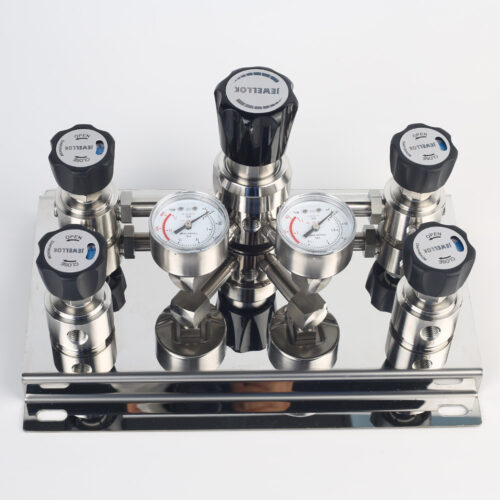
Single Stage Wall And Cabinet Mounting Pressure Control Panels JSP-2E Series For High Purity Gases
-
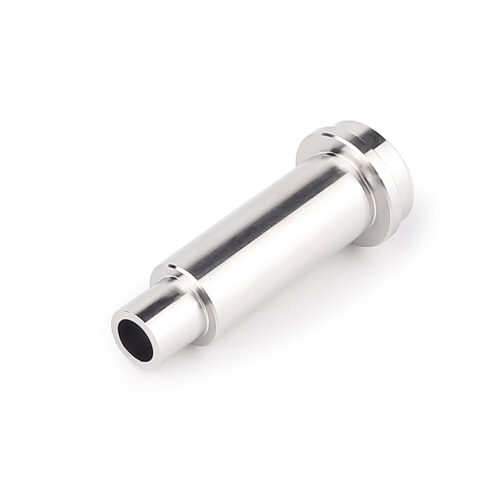
UHP Metal Gasket Face Seal Fittings Vacuum Coupling Metal Face Seal Join Long Gland And Short Gland
-
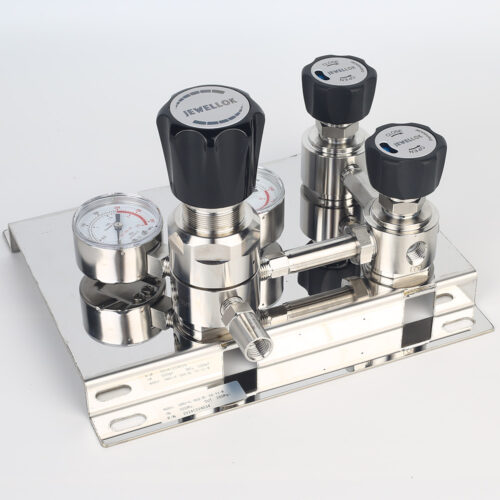
Stainless Steel 316L Single Stage Regulator Pressure Control Panels JSP-1E Series For Semiconductor Fluid Control
-
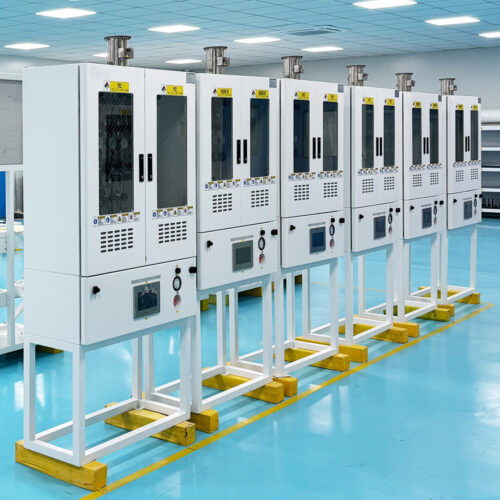
Ultra High Purity Gas Delivery Systems And Liquid Chemical Delivery Systems JW-300-LDS
-

Engineering Ultra-High Purity Fluid Control Liquid Chemical Delivery Module (CDM) And Chemical Delivery System (CDS) for Pharmaceutical Grade Applications
-
Automated Bulk Liquid Chemical Delivery System (BCDS) with PLC Controls for High-Volume Industrial Fluid Transport
-
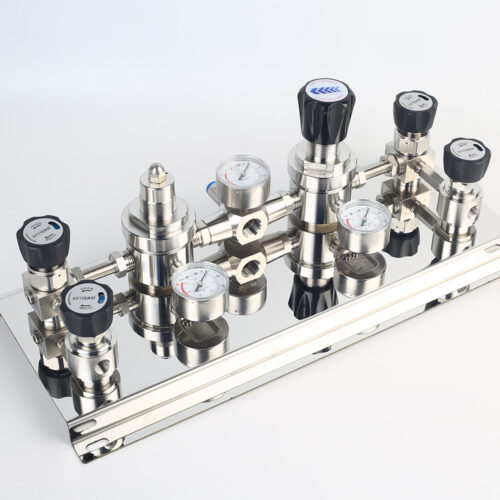
Stainless Steel Single Stage Semiconductor Grade Pressure Control Module Pressure Control Panels JSP-6A Series
-

Semi Automatic Oxygen Nitrogen Helium Argon Gas Changeover Manifold Manual Gas Changeover Manifold Panel For Gas Cylinders