
Valves Manufacturer Tel: +86 13380377051
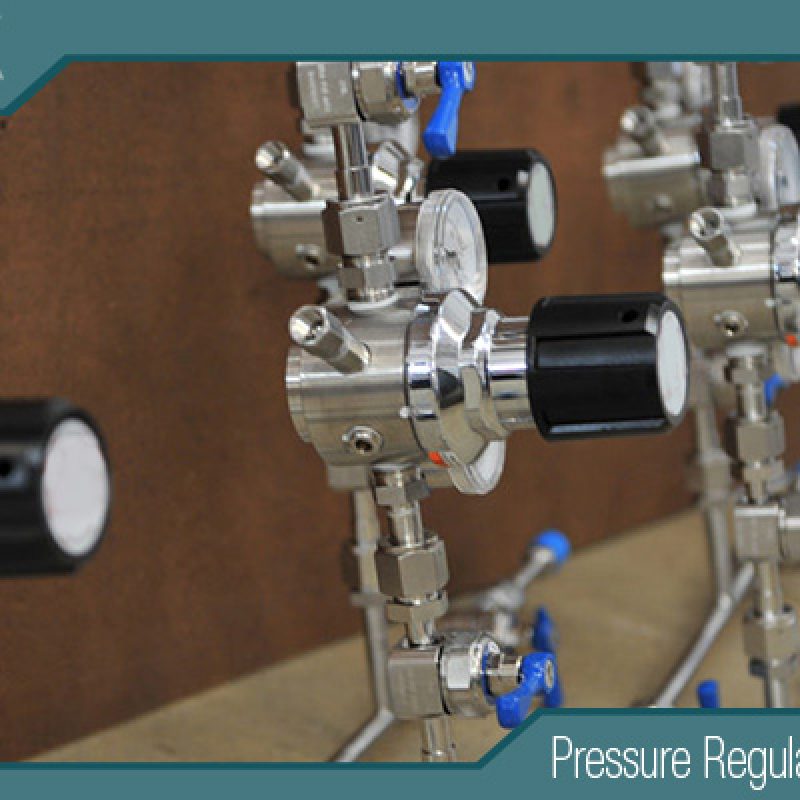
High Purity Corrosive Gas Valves for Semiconductor and Pharmaceutical Industries
Introduction
In modern industrial manufacturing, precise fluid control has become a fundamental requirement for safety, process stability, and product quality. Among various fluid handling components, high purity corrosive gas valves play a critical role in systems involving aggressive chemical gases, ultra-clean environments, and highly sensitive production processes.
Industries such as semiconductor manufacturing and pharmaceutical production rely heavily on corrosive gases including chlorine (Cl₂), hydrogen chloride (HCl), hydrogen fluoride (HF), ammonia (NH₃), sulfur hexafluoride (SF₆), nitrogen trifluoride (NF₃), and specialty process gases. These gases demand exceptionally reliable valve systems capable of maintaining purity, corrosion resistance, leak integrity, and operational safety.
As semiconductor nodes continue shrinking and pharmaceutical manufacturing standards become more stringent, the technical requirements for gas control valves are increasing rapidly. Selecting the appropriate high-purity corrosive gas valve has become a strategic engineering decision rather than a simple procurement task.
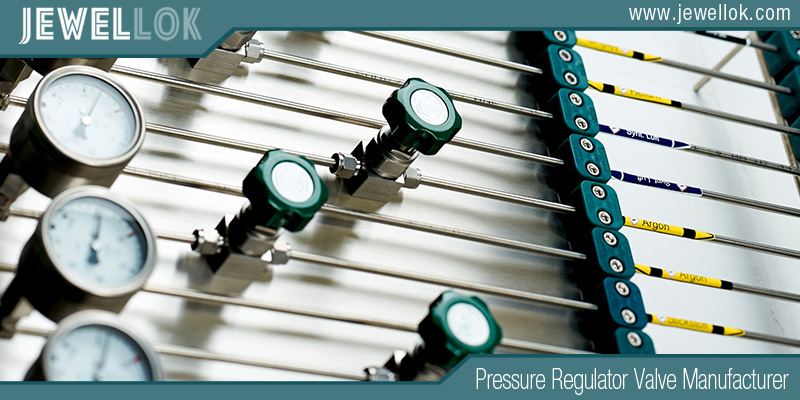
The Growing Demand for High Purity Corrosive Gas Control
Semiconductor fabrication and pharmaceutical manufacturing share a common challenge: contamination control.
Even microscopic levels of particles, moisture, metallic ions, or residual contaminants can lead to severe consequences.
In semiconductor fabs, trace contamination may result in:
- Wafer defects
- Yield reduction
- Process instability
- Equipment downtime
- Reduced chip reliability
In pharmaceutical facilities, gas impurities or valve failures can compromise:
- Drug purity
- Sterile production conditions
- Regulatory compliance
- Batch consistency
- Patient safety
Because of these risks, gas delivery systems must maintain both chemical compatibility and ultra-high purity performance throughout the entire process chain.
High purity corrosive gas valves serve as essential components in:
- Bulk gas delivery systems
- Gas cabinets
- Valve manifold boxes (VMBs)
- Gas panels
- Distribution networks
- Reactor gas supply lines
- Cleanroom process equipment
- Pharmaceutical sterilization systems
These applications require valves capable of operating under demanding chemical, thermal, and pressure conditions without introducing contaminants into the system.
Common Corrosive Gases Used in Semiconductor and Pharmaceutical Industries
Different industries utilize different categories of corrosive gases depending on process requirements.
Semiconductor Industry Process Gases
Semiconductor manufacturing employs numerous specialty gases during deposition, etching, cleaning, and chamber conditioning processes.
Common corrosive gases include:
- Hydrogen Chloride (HCl)
- Hydrogen Fluoride (HF)
- Chlorine (Cl₂)
- Boron Trichloride (BCl₃)
- Tungsten Hexafluoride (WF₆)
- Nitrogen Trifluoride (NF₃)
- Sulfur Hexafluoride (SF₆)
- Silane mixtures
- Ammonia (NH₃)
These gases are widely used in:
- Plasma etching
- Chemical vapor deposition (CVD)
- Atomic layer deposition (ALD)
- Chamber cleaning
- Surface treatment
- Thin-film processing
Many of these gases are highly reactive, toxic, moisture-sensitive, and corrosive.
Pharmaceutical Industry Process Gases
Pharmaceutical production environments utilize gases for sterilization, inerting, synthesis, and chemical processing.
Typical corrosive or reactive gases include:
- Hydrogen peroxide vapor
- Chlorine compounds
- Ammonia
- Hydrogen chloride
- Ethylene oxide sterilization gases
- Acidic vapor streams
- Specialty synthesis gases
Applications include:
- Sterile manufacturing
- API production
- Biopharmaceutical processing
- Reactor pressure control
- Fermentation systems
- Cleanroom sterilization operations
Because pharmaceutical production often operates under GMP-controlled environments, valve materials and surface finishes become extremely important.
Key Technical Requirements for High Purity Corrosive Gas Valves
Choosing a valve for corrosive gas service requires careful consideration of multiple engineering factors.
1. Corrosion Resistance
Corrosion resistance is the most critical performance parameter.
Aggressive gases can rapidly degrade unsuitable valve materials, leading to:
- Internal corrosion
- Seal failure
- Surface degradation
- Gas leakage
- Particle generation
Material selection directly affects valve lifespan and process safety.
Common corrosion-resistant materials include:
- 316L stainless steel
- Hastelloy alloys
- Monel alloys
- Nickel-based alloys
- PTFE-lined materials
- PFA-coated internal surfaces
For semiconductor ultra-high purity systems, electropolished 316L stainless steel remains a widely adopted standard.
For extreme chemical environments involving HF or halogen compounds, advanced nickel alloys may provide superior compatibility.
2. Ultra-High Purity Surface Requirements
High purity gas systems demand exceptionally clean internal surfaces.
Surface roughness directly impacts:
- Particle generation
- Gas adsorption
- Moisture retention
- Chemical residue accumulation
- Purge efficiency
High-performance valves often incorporate:
- Electropolished flow paths
- Low Ra surface finishes
- Dead-space minimization
- Crevice-free internal geometry
Typical specifications include:
- Ra ≤ 10 μin
- BA finish
- EP finish
Electropolishing helps remove microscopic surface irregularities, reducing contamination risks and improving corrosion resistance.
This requirement is especially critical in semiconductor gas delivery systems.
3. Leak Tightness and Sealing Performance
Corrosive gas leakage represents a serious safety hazard.
High purity valves must maintain exceptional leak integrity under both static and dynamic operating conditions.
Critical sealing requirements include:
- Helium leak integrity
- Bubble-tight shutoff
- Vacuum compatibility
- Pressure cycle durability
Common sealing technologies include:
- Metal-to-metal diaphragm sealing
- Bellows sealing
- PTFE seat sealing
- PCTFE sealing systems
Many semiconductor-grade valves use diaphragm valve architecture because it minimizes dead volume and offers superior purity control.
Low internal volume designs also improve purge performance during gas changeovers.
4. Temperature and Pressure Resistance
Corrosive gas systems may experience demanding thermal and pressure conditions.
Valves must withstand:
- Elevated process temperatures
- Thermal cycling
- Pressure fluctuations
- Vacuum operation
- High-pressure gas delivery
Failure to account for operating conditions can result in:
- Seal degradation
- Body distortion
- Flow instability
- Premature valve failure
Engineering evaluation should include:
- Maximum allowable pressure
- Temperature rating
- Cv flow coefficient
- Cycle life testing
- Mechanical fatigue performance
Types of High Purity Corrosive Gas Valves
Several valve designs are commonly used in semiconductor and pharmaceutical gas handling systems.
Diaphragm Valves
Diaphragm valves are among the most widely used high-purity valve technologies.
Advantages include:
- Excellent leak integrity
- Minimal dead volume
- Superior contamination control
- High cycle reliability
- Strong chemical compatibility
They are commonly installed in:
- Gas panels
- VMB systems
- Process gas manifolds
- Analytical gas systems
Bellows Sealed Valves
Bellows sealed valves use a metallic bellows structure to isolate process gases from the external environment.
Key benefits include:
- Zero stem leakage
- Enhanced safety
- Long service life
- Excellent vacuum performance
These valves are particularly suitable for toxic or hazardous gas handling.
Ball Valves for Corrosive Gas Systems
High-performance ball valves are sometimes used where higher flow capacity is required.
Applications include:
- Bulk gas distribution
- Utility gas systems
- Chemical process lines
However, dead volume considerations may limit their use in ultra-high purity semiconductor applications.
Automatic Pneumatic Valves
Automation is increasingly important in advanced manufacturing environments.
Pneumatically actuated valves provide:
- Remote operation
- Process automation
- Fast response time
- Integration with PLC systems
- Improved operational safety
These systems are commonly deployed in automated semiconductor fabs and pharmaceutical processing plants.
Material Selection for Corrosive Gas Valve Applications
Selecting compatible materials is essential for long-term reliability.
Several factors must be evaluated:
Gas Chemistry Compatibility
Different gases interact differently with metals and polymers.
For example:
HF may aggressively attack glass-containing materials.
Chlorine service often requires enhanced corrosion-resistant alloys.
Ammonia compatibility considerations may differ from acidic gas applications.
Material compatibility charts should always be reviewed during system design.
Surface Finish Requirements
High purity systems require specialized finishing processes including:
- Mechanical polishing
- Electropolishing
- Passivation
- Ultrasonic cleaning
- Cleanroom packaging
These processes help maintain contamination control throughout installation and operation.
Seal Material Selection
Seal performance strongly affects system safety.
Common sealing materials include:
- PTFE
- PFA
- Kalrez®
- PCTFE
- FFKM elastomers
Selection depends on:
- Temperature exposure
- Gas chemistry
- Pressure range
- Purity requirements
Safety Considerations in Corrosive Gas Valve Systems
Safety remains a primary concern in corrosive gas handling.
Valve failures involving toxic or reactive gases can produce significant operational and environmental consequences.
Recommended safety practices include:
- Regular leak testing
- Preventive maintenance programs
- Material compatibility verification
- Pressure monitoring
- Emergency shutdown integration
- Automated gas detection systems
Semiconductor fabs and pharmaceutical facilities often implement multiple containment strategies to minimize risk.
Redundant safety layers may include:
- Gas cabinets
- Scrubber systems
- Secondary containment
- Automatic shutoff valves
- Ventilation control systems
Proper valve selection forms an important part of overall risk reduction.
Future Trends in High Purity Gas Valve Technology
The demand for advanced gas control technology continues to evolve.
Several trends are shaping the future of high purity corrosive gas valves.
Smart Valve Monitoring
Digital monitoring technologies are becoming increasingly common.
Smart valves may incorporate:
- Pressure sensing
- Position feedback
- Predictive diagnostics
- Cycle counting
- Remote status monitoring
These capabilities support predictive maintenance and reduced downtime.
Enhanced Material Engineering
Manufacturers are investing in advanced alloys and coating technologies to improve:
- Corrosion resistance
- Chemical stability
- Service life
- Process compatibility
Emerging surface engineering methods are expected to further enhance valve performance.
Increased Automation Integration
Industry 4.0 manufacturing environments demand fully integrated fluid control systems.
Future valves will likely feature:
- Network connectivity
- Automated diagnostics
- Data logging
- Real-time process monitoring
Automation will continue driving improvements in manufacturing efficiency and operational safety.
Conclusion
High purity corrosive gas valves are indispensable components in semiconductor and pharmaceutical industries.
These valves must satisfy extremely demanding requirements involving corrosion resistance, leak integrity, cleanliness, pressure durability, and chemical compatibility.
As manufacturing technologies become increasingly sophisticated, the importance of selecting the correct valve solution continues to grow.
Engineers, system designers, and procurement professionals must carefully evaluate factors including material selection, sealing technology, purity standards, and process requirements when choosing valves for corrosive gas applications.
A properly engineered high purity valve system not only improves operational safety and process stability but also supports higher product quality, reduced contamination risk, and long-term manufacturing reliability.
In highly regulated and technologically advanced industries such as semiconductor fabrication and pharmaceutical production, high-performance corrosive gas valves are no longer optional components—they are essential foundations of modern process control infrastructure.
For more about high purity corrosive gas valves for semiconductor and pharmaceutical industries, you can pay a visit to Jewellok at https://www.jewellok.com/product-category/chemical-delivery-system/ for more info.
-
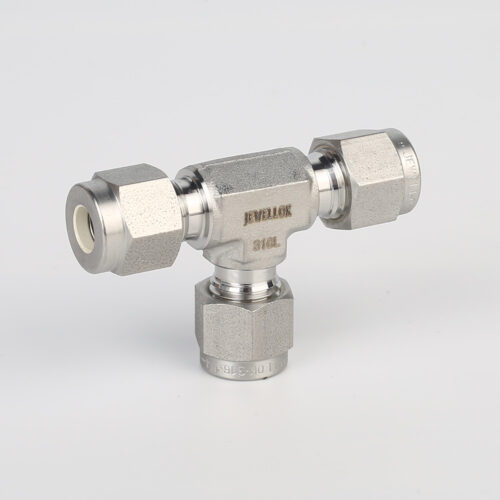
764L Stainless Steel Union Tee High Purity Fitting Union Tee Reducing Tubing Connection
-
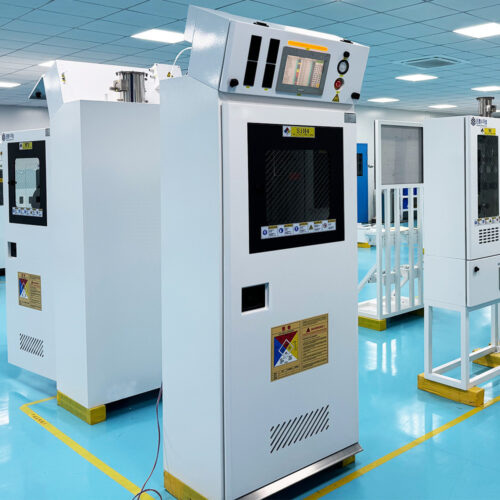
BSGS Large Flow Specialty Gas Supply Cabinet 3 Cylinder Gas Storage Cabinet Fully Automated PLC Control Bulk Specialty Gas Systems (BSGS) Gas Cabinets
-
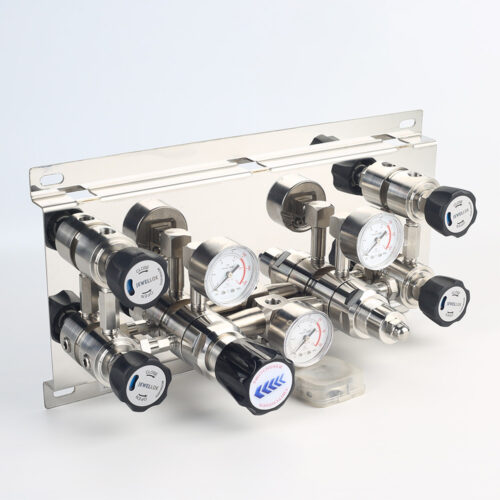
Pressure Control Panels For High Purity Gas Control System JSP-3AE Series From Pressure Control Panels Suppliers And Manufacturer
-
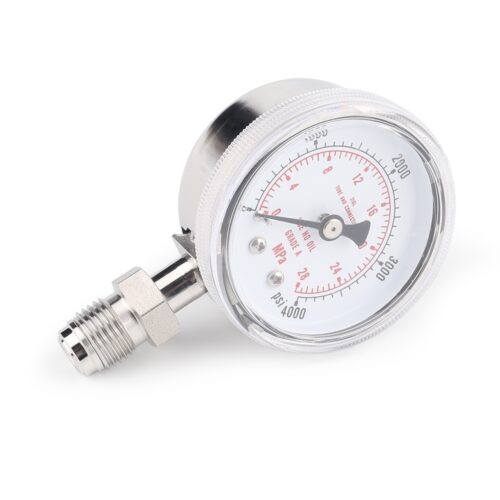
Ultra High Purity Oxygen Pressure Gauge For Semiconductor Gases JG Series Pressure Instruments For Semiconductor Manufacturing
-
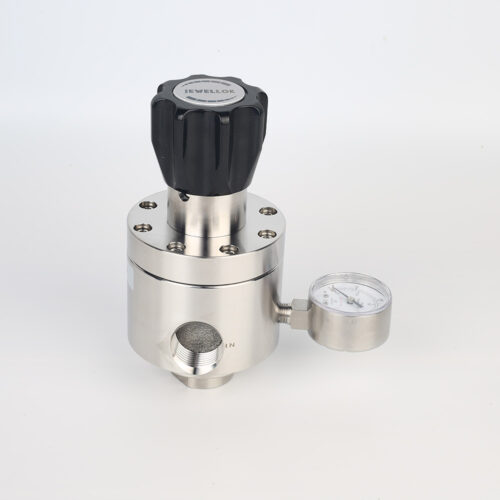
Low Pressure High Flow Line Pressure Regulators And Control Valves JSR-4L Series For Laboratory Pressure Control
-
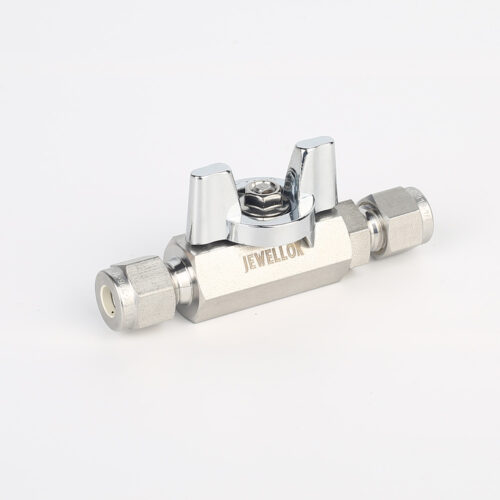
Stainless Steel High-Purity High Temperature Metal Seated Ball Valves JBV3 Series
-
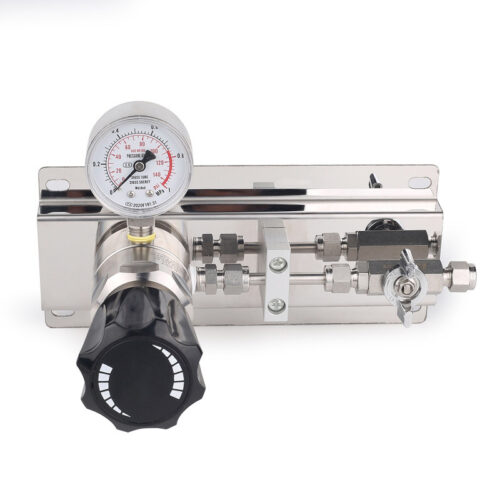
High Purity Gas Cylinder Semi Automatic Changeover Manifold Regulator Panel 3000psig Stainless Steel Gas Control Panel 1/8 Npt With Gauge
-
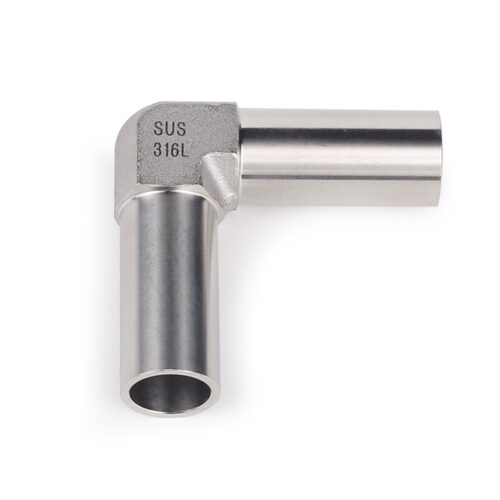
High Purity Stainless Steel Mini Tube Butt Weld Fittings For Semiconductor