
Valves Manufacturer Tel: +86 13380377051
Automated Chemical Dispense Units for Acid and Solvent Supply in the Semiconductor Industry
The semiconductor industry is one of the most technologically advanced manufacturing sectors in the world. As semiconductor devices become smaller, faster, and more powerful, the manufacturing process requires increasingly precise chemical handling systems. Among the most critical components in semiconductor fabrication facilities are automated Chemical Dispense Units (CDUs), which are designed to safely store, distribute, monitor, and control acids, solvents, and specialty chemicals used throughout wafer processing operations.
From wet etching and wafer cleaning to chemical mechanical polishing (CMP) and photolithography, semiconductor manufacturing relies heavily on high-purity chemical delivery systems. Even the slightest contamination, flow inconsistency, or chemical concentration deviation can lead to wafer defects, yield loss, and expensive production downtime. Therefore, automated Chemical Dispense Units have become an essential infrastructure solution for modern semiconductor fabs.
This article explores the design principles, operational advantages, technical features, and future development trends of automated Chemical Dispense Units for acid and solvent supply in semiconductor manufacturing environments.
The Role of Chemical Dispense Units in Semiconductor Manufacturing
Semiconductor fabrication involves hundreds of process steps, many of which require ultra-high purity chemicals. Commonly used chemicals include:
- Sulfuric acid (H₂SO₄)
- Hydrofluoric acid (HF)
- Nitric acid (HNO₃)
- Hydrochloric acid (HCl)
- Phosphoric acid (H₃PO₄)
- Isopropyl alcohol (IPA)
- Acetone
- Photoresist solvents
- Developer chemicals
These chemicals are used in processes such as:
- Wet cleaning
- Surface treatment
- Oxide removal
- Etching
- Photoresist stripping
- Lithography
- CMP slurry preparation
Manual chemical handling in such environments presents significant risks, including contamination, chemical exposure, inaccurate dosing, and process instability. Automated Chemical Dispense Units eliminate many of these risks by providing closed-loop, precisely controlled chemical management systems.
A CDU functions as the central chemical distribution platform between bulk chemical storage systems and semiconductor process tools. It ensures accurate chemical delivery at stable flow rates, pressures, and concentrations while maintaining ultra-clean operating conditions.
Key Components of an Automated Chemical Dispense Unit
An advanced semiconductor CDU typically consists of several integrated subsystems designed for precision, safety, and reliability.
1. Chemical Storage Tanks
Chemical storage tanks are designed using highly corrosion-resistant materials such as:
- PFA (Perfluoroalkoxy)
- PTFE (Polytetrafluoroethylene)
- PVDF (Polyvinylidene fluoride)
- High-purity stainless steel (316L EP)
The tank design depends on the chemical compatibility and purity requirements. Acid supply systems often utilize fluoropolymer materials, while solvent systems may use stainless steel electropolished tubing.
2. Precision Pumping System
The pumping system delivers chemicals to process equipment with highly stable pressure and flow control. Common pump types include:
- Diaphragm pumps
- Bellows pumps
- Magnetic drive pumps
- Metering pumps
Advanced systems use variable frequency drive (VFD) control and automated feedback loops to maintain accurate flow performance under dynamic process conditions.
3. Filtration System
Particle contamination is a major concern in semiconductor production. CDU systems typically include multi-stage filtration with filtration accuracy reaching sub-micron levels.
Typical filtration configurations include:
- 0.2 μm membrane filters
- 0.05 μm ultra-clean filters
- High-purity inline filters
Continuous filtration helps ensure chemical purity during storage and transportation.
4. Automated Valve Manifold
High-purity diaphragm valves and pneumatic control valves are widely used in semiconductor CDUs. These valves enable:
- Automated chemical routing
- Batch dispensing
- Flow isolation
- Emergency shutdown
- Multi-point distribution
Valve manifolds are often integrated with programmable logic controllers (PLCs) for intelligent operation.
5. Sensors and Monitoring Devices
Modern CDU systems rely heavily on real-time monitoring technologies, including:
- Flow meters
- Pressure sensors
- Level transmitters
- Conductivity analyzers
- Temperature sensors
- Leak detection sensors
These sensors continuously monitor system performance and provide feedback to the control platform.
6. PLC and HMI Control System
Automation is the core of modern Chemical Dispense Units. PLC-based control systems coordinate all CDU operations, while Human Machine Interface (HMI) panels provide operators with real-time system visibility.
Functions include:
- Automated dispensing sequences
- Alarm management
- Recipe control
- Data logging
- Remote monitoring
- Predictive maintenance alerts
Integration with factory MES (Manufacturing Execution System) platforms further enhances process traceability and operational efficiency.
Advantages of Automated Chemical Dispense Units
Enhanced Safety
Semiconductor chemicals can be highly corrosive, toxic, or flammable. Automated CDU systems significantly reduce human exposure by eliminating manual chemical transfer operations.
Key safety features include:
- Leak detection systems
- Secondary containment structures
- Automatic emergency shutdown
- Exhaust ventilation integration
- Chemical compatibility protection
These safety mechanisms help semiconductor fabs comply with increasingly strict environmental and occupational safety regulations.
Improved Chemical Purity
Semiconductor manufacturing requires extremely low contamination levels. Automated CDU systems minimize contamination risks through:
- Closed-loop delivery architecture
- High-purity wetted materials
- Continuous filtration
- Nitrogen purge systems
- Minimal dead-leg piping design
Maintaining chemical purity directly improves wafer yield and process consistency.
Precise Chemical Delivery
Automated dispensing technology enables accurate chemical dosing and repeatable process control. Stable chemical concentration and flow delivery help optimize critical semiconductor processes such as etching and cleaning.
Benefits include:
- Reduced process variability
- Better wafer uniformity
- Lower chemical waste
- Higher production yield
Reduced Operational Costs
Although automated CDU systems require significant initial investment, they provide substantial long-term cost savings by:
- Reducing chemical consumption
- Minimizing operator labor
- Lowering maintenance requirements
- Preventing production downtime
- Improving equipment utilization
Intelligent monitoring also enables predictive maintenance, reducing unexpected failures.
Environmental Compliance
Environmental regulations for semiconductor facilities continue to become more stringent worldwide. Automated CDUs help fabs comply with environmental standards by reducing chemical spills, emissions, and waste generation.
Integrated chemical recovery and waste management systems can further improve sustainability performance.
Design Considerations for Semiconductor CDU Systems
Designing a CDU for semiconductor applications requires careful evaluation of multiple technical factors.
Chemical Compatibility
Different chemicals require specific material compatibility considerations. Hydrofluoric acid, for example, is highly corrosive and incompatible with many metals.
Material selection must consider:
- Corrosion resistance
- Extractable contamination levels
- Temperature stability
- Pressure compatibility
Ultra-High Purity Requirements
Semiconductor-grade chemicals demand extremely clean fluid paths. CDU systems must minimize:
- Particle generation
- Metal ion contamination
- Organic contamination
- Dead zones within piping systems
Electropolished tubing and orbital welding are commonly used to maintain ultra-clean conditions.
Flow Stability and Pressure Control
Advanced semiconductor process tools require highly stable chemical supply conditions. Pressure fluctuations can negatively impact process uniformity.
CDU systems therefore incorporate:
- Pressure regulation loops
- Pulsation dampeners
- Buffer tanks
- Intelligent pump control algorithms
Redundancy and Reliability
Semiconductor fabs operate continuously with minimal downtime tolerance. CDU systems often include redundant components such as:
- Dual pumps
- Backup filters
- Redundant sensors
- Dual power supplies
This redundancy ensures uninterrupted chemical delivery during maintenance or component failure.
Modular Design
Modern fabs increasingly prefer modular CDU systems because they offer:
- Easier installation
- Faster maintenance
- Scalability
- Flexible process expansion
Skid-mounted CDU modules are commonly used for rapid deployment.
Applications of Chemical Dispense Units in Semiconductor Processes
Wet Bench Chemical Supply
Wet benches require stable acid and solvent delivery for wafer cleaning and etching operations. Automated CDUs ensure accurate chemical mixing and controlled delivery.
Photolithography Chemical Distribution
Photoresists and developers require precise handling under contamination-free conditions. CDU systems help maintain consistent coating and developing performance.
CMP Slurry Delivery
CMP processes depend on stable slurry composition and flow rates. CDU systems prevent particle agglomeration and maintain process consistency.
Chemical Blending Systems
Some semiconductor processes require precise chemical dilution or blending. Automated CDU systems can integrate ratio control and inline mixing technologies for accurate chemical preparation.
Emerging Technologies in CDU Systems
The semiconductor industry is rapidly evolving, and CDU technologies are advancing accordingly.
Smart Manufacturing Integration
Industry 4.0 technologies are transforming CDU systems into intelligent chemical management platforms.
Modern systems now support:
- IoT connectivity
- Cloud monitoring
- AI-based diagnostics
- Predictive analytics
- Remote maintenance
These technologies improve operational efficiency and reduce maintenance costs.
Advanced Data Analytics
Real-time data analysis allows fabs to optimize chemical usage and identify performance abnormalities before failures occur.
Machine learning algorithms can analyze:
- Flow trends
- Pressure stability
- Filter lifespan
- Pump performance
- Chemical consumption patterns
Sustainable Chemical Management
Environmental sustainability is becoming increasingly important in semiconductor manufacturing.
Future CDU systems are focusing on:
- Chemical recycling
- Waste reduction
- Energy-efficient pumping
- Reduced exhaust emissions
- Water conservation
Green manufacturing initiatives are expected to drive further innovation in chemical delivery technology.
High-Purity Single-Use Flow Paths
For advanced semiconductor nodes, some fabs are adopting single-use fluid path technologies to minimize contamination risks and maintenance requirements.
Disposable high-purity assemblies can improve operational flexibility while reducing cleaning procedures.
Challenges Facing CDU Systems
Despite their advantages, semiconductor CDU systems still face several technical challenges.
Increasing Process Complexity
As semiconductor nodes continue shrinking below 5 nm, chemical delivery precision requirements become even stricter.
CDUs must achieve:
- Lower particle levels
- Tighter flow tolerances
- Faster response times
- Higher purity standards
Chemical Diversity
Modern semiconductor fabs use hundreds of specialty chemicals, each with different compatibility and handling requirements.
Managing such chemical diversity increases system complexity.
Cost Management
High-purity semiconductor CDU systems involve expensive materials and advanced automation technologies.
Manufacturers must balance:
- System performance
- Reliability
- Scalability
- Cost efficiency
Conclusion
Automated Chemical Dispense Units have become indispensable in modern semiconductor manufacturing. By providing safe, stable, contamination-free, and highly accurate chemical delivery, CDU systems play a critical role in maintaining wafer quality, improving production yield, and supporting advanced semiconductor process technologies.
As semiconductor fabs continue moving toward smaller process nodes, higher automation levels, and greener manufacturing practices, the demand for intelligent and ultra-high purity chemical dispense systems will continue to grow. Future CDU technologies will increasingly integrate smart monitoring, predictive analytics, sustainable chemical management, and Industry 4.0 connectivity to meet the evolving needs of the semiconductor industry.
For semiconductor manufacturers seeking higher efficiency, improved safety, and better process consistency, investing in advanced automated Chemical Dispense Unit technology is no longer optional—it is a strategic necessity for next-generation semiconductor production.
For more about automated chemical dispense units for acid and solvent supply in the semiconductor industry, you can pay a visit to Jewellok at https://www.jewellok.com/product-category/chemical-delivery-system/ for more info.
-
765L Stainless Steel Union Elbow Reducing High Purity Fitting Tubing Extension Tubing Connection
-
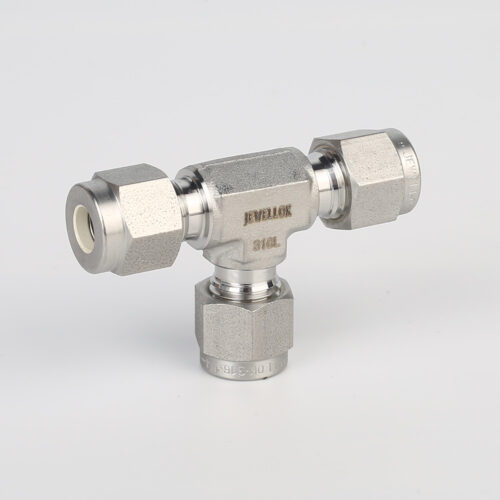
764L Stainless Steel Union Tee High Purity Fitting Union Tee Reducing Tubing Connection
-
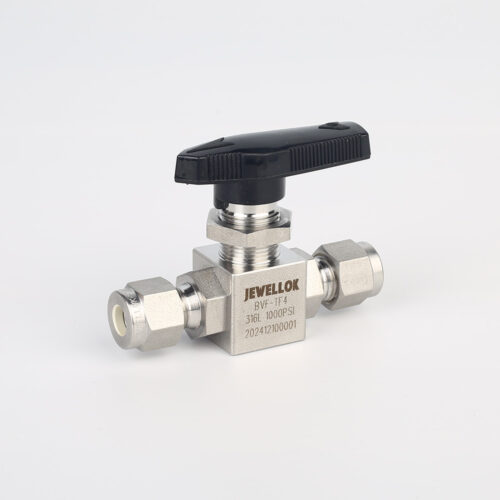
Stainless Steel High Purity High Temperature Pneumatic Actuated Ball Valves JBV2 Series
-
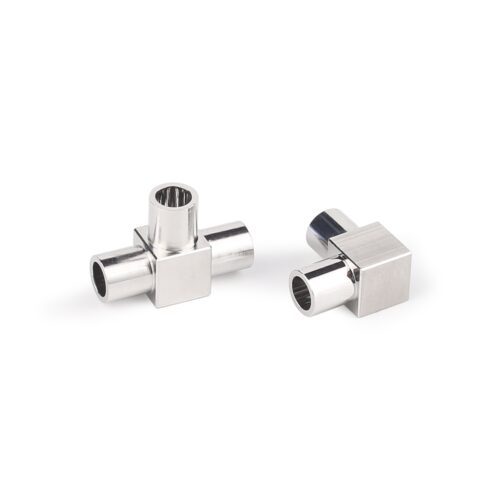
Stainless Steel Mini Elbow Mini Tee Mini Cross Mini Tribow Ultrahigh Purity Mini Butt Weld Fittings
-

UHP Liquid Chemical Delivery System (CDS) Implementation for High-Volume Photovoltaic and Renewable Energy Component Production Lines
-
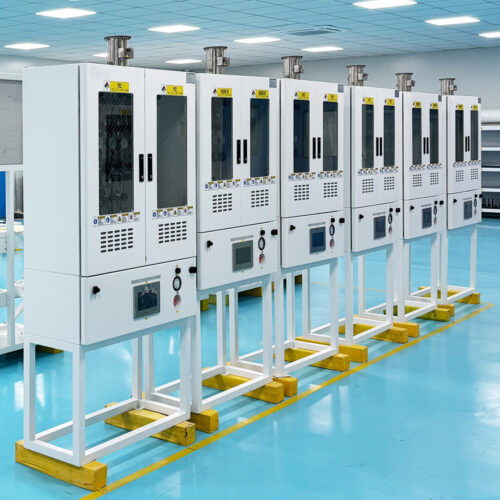
VMB Valve Manifold Panels And Boxes High Purity Configurable Systems JW-200-VMB & JW-100-VMB
-
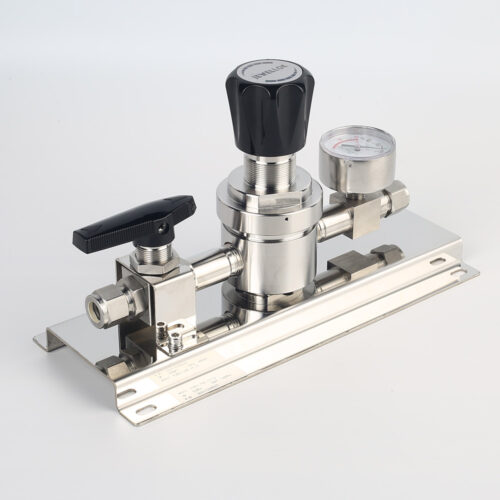
High Purity And Industria Gas Stick Assemblies Precise Pressure Control Gas Systems JSR-1ETG-BV Series
-

Semi Automatic Oxygen Nitrogen Helium Argon Gas Changeover Manifold Manual Gas Changeover Manifold Panel For Gas Cylinders