
Valves Manufacturer Tel: +86 13380377051
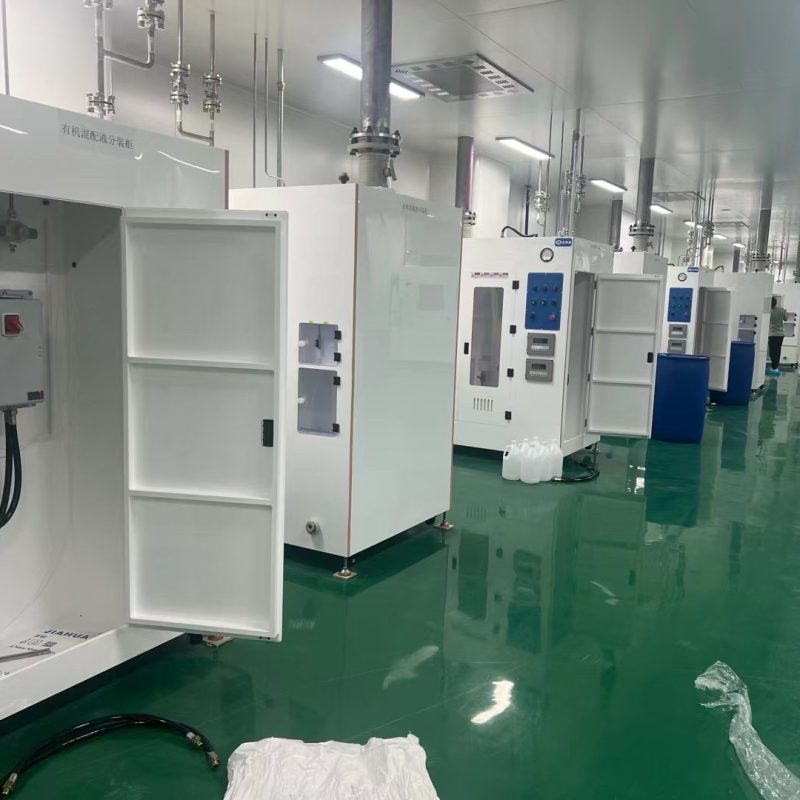
Automatic Chemical Dispense Unit for High Precision Industrial Liquid Handling Systems
In modern high-tech industries such as semiconductors, pharmaceuticals, biotechnology, and advanced materials manufacturing, the precise handling and delivery of chemicals are critical to ensuring product quality, process consistency, and operational safety. Manual chemical handling not only introduces variability but also increases the risk of contamination, human error, and hazardous exposure. To address these challenges, the Automatic Chemical Dispense Unit (CDU) has emerged as an essential component in automated production environments.
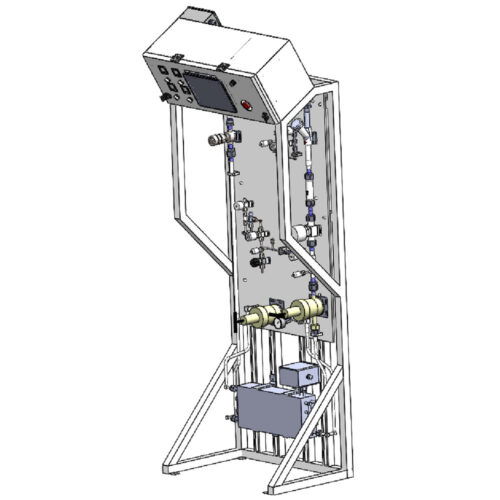
A CDU is a highly integrated system designed to store, measure, and deliver liquid chemicals—such as acids, solvents, and specialty reagents—with exceptional accuracy and repeatability. By combining advanced sensors, automated control systems, and robust fluid handling technologies, CDUs significantly enhance manufacturing efficiency while maintaining strict compliance with safety and environmental standards.
This article explores the structure, working principles, key components, advantages, applications, and future trends of Automatic Chemical Dispense Units.

System Overview
An Automatic Chemical Dispense Unit is a centralized or point-of-use system that manages the controlled distribution of chemicals from bulk storage to process tools or intermediate containers. The system is typically designed to operate continuously with minimal human intervention.
At its core, a CDU performs three primary functions:
- Chemical Storage and Management – Safely stores chemicals in compatible containers or tanks.
- Accurate Dispensing – Delivers precise volumes based on process requirements.
- Monitoring and Control – Continuously tracks system parameters such as flow rate, pressure, and chemical levels.
Modern CDUs are often integrated into factory automation systems, allowing real-time communication with manufacturing execution systems (MES) and enabling remote monitoring and diagnostics.
Key Components of a CDU
1. Chemical Storage Tanks
Chemical storage tanks serve as the primary reservoir for liquids. These tanks are typically made from chemically resistant materials such as:
- High-density polyethylene (HDPE)
- Polytetrafluoroethylene (PTFE)
- Polyvinylidene fluoride (PVDF)
- Stainless steel (for compatible chemicals)
Each tank is equipped with level sensors, venting systems, and safety features to prevent overfilling and contamination.
2. Pumping System
The pumping system is responsible for transferring chemicals from storage to the dispensing point. Common types of pumps used in CDUs include:
- Diaphragm pumps
- Peristaltic pumps
- Magnetically driven centrifugal pumps
The choice of pump depends on the chemical properties, required flow rate, and system pressure. Precision pumps ensure consistent delivery without introducing pulsation or contamination.
3. Flow Measurement Devices
Accurate dispensing requires precise flow measurement. CDUs commonly use:
- Coriolis flow meters (high accuracy, mass-based measurement)
- Ultrasonic flow meters (non-invasive, suitable for clean applications)
- Electromagnetic flow meters (ideal for conductive liquids)
These sensors provide real-time data to the control system, enabling closed-loop feedback for precise chemical dosing.
4. Valves and Manifolds
Valves regulate the flow of chemicals within the system. High-purity applications often use:
- Pneumatically actuated valves
- Diaphragm valves
- Needle valves for fine control
Manifolds distribute chemicals to multiple dispensing lines, allowing a single CDU to serve multiple process tools.
5. Control System
The control system is the “brain” of the CDU. It typically consists of:
- Programmable Logic Controllers (PLC)
- Human-Machine Interface (HMI)
- Sensors and feedback loops
Operators can program dispensing volumes, flow rates, and sequences through the HMI. Advanced systems support remote access and integration with factory automation platforms.
6. Filtration and Purification Units
To maintain chemical purity, CDUs often include inline filtration systems. These filters remove particles, bubbles, and contaminants that could affect downstream processes. In semiconductor manufacturing, ultra-high purity (UHP) standards require filtration down to sub-micron levels.
7. Safety and Containment Systems
Safety is a critical aspect of CDU design. Key safety features include:
- Leak detection sensors
- Secondary containment trays
- Emergency shut-off valves
- Gas detection systems (for volatile chemicals)
These features ensure compliance with environmental and occupational safety regulations.
Working Principle
The operation of an Automatic Chemical Dispense Unit follows a systematic and automated sequence:
- Initialization
The system performs diagnostics to ensure all components are functioning properly. Tank levels, valve positions, and sensor statuses are verified. - Chemical Selection
Based on the process requirement, the control system selects the appropriate chemical line and prepares the system for dispensing. - Priming and Line Preparation
The system primes the خطوط to remove air bubbles and ensure consistent flow. - Dispensing Operation
The pump activates, and the chemical is delivered through the flow meter. Real-time feedback ensures that the exact volume is dispensed. - Shut-off and Verification
Once the target volume is reached, valves close automatically. The system verifies the dispensed quantity and logs the data. - Cleaning and Purging (Optional)
For systems handling multiple chemicals, automated cleaning cycles may be performed to prevent cross-contamination.
Advantages of Automatic CDU Systems
1. High Precision and Repeatability
CDUs can achieve extremely high dispensing accuracy, often within ±0.5% or better. This level of precision is critical in industries like semiconductor fabrication, where even minor deviations can affect yield.
2. Improved Safety
By minimizing manual handling, CDUs reduce operator exposure to hazardous chemicals. Automated containment and monitoring systems further enhance workplace safety.
3. Increased Efficiency
Automation reduces downtime and labor requirements. Continuous operation and quick changeovers allow for higher throughput and productivity.
4. Reduced Contamination Risk
Closed-loop systems and high-purity materials prevent contamination, ensuring consistent product quality.
5. Data Traceability and Process Control
Modern CDUs provide detailed logs of dispensing operations, enabling traceability and process optimization. Integration with MES systems supports Industry 4.0 initiatives.
Applications
1. Semiconductor Manufacturing
In semiconductor fabs, CDUs are used to dispense acids, solvents, and photoresists with ultra-high precision. Applications include wafer cleaning, etching, and chemical mechanical polishing (CMP).
2. Pharmaceutical and Biotechnology
CDUs are used for precise dosing of reagents, buffers, and active pharmaceutical ingredients (APIs). Automation ensures compliance with strict regulatory standards such as GMP.
3. Chemical Processing
In chemical plants, CDUs manage the distribution of raw materials and additives, improving consistency and reducing waste.
4. Laboratory Automation
Research laboratories use compact CDUs for automated experiments, enabling high-throughput screening and reproducibility.
5. Battery and Energy Storage Manufacturing
In lithium-ion battery production, CDUs handle electrolytes and solvents, ensuring precise formulation and safe handling.
Design Considerations
When designing or selecting a CDU, several factors must be considered:
- Chemical Compatibility: Materials must resist corrosion and degradation.
- Flow Rate Requirements: The system must meet the process demand.
- Accuracy and Resolution: High-precision applications require advanced flow meters.
- Scalability: The system should accommodate future expansion.
- Maintenance Requirements: Easy access and modular design reduce downtime.
- Regulatory Compliance: Must meet industry standards such as SEMI, ISO, and GMP.
Challenges and Limitations
Despite their advantages, CDUs also face certain challenges:
- High Initial Cost: Advanced systems require significant investment.
- Complex Integration: Integrating with existing systems can be challenging.
- Maintenance Needs: Regular calibration and maintenance are essential for accuracy.
- Chemical Cross-Contamination Risks: Requires careful system design and cleaning protocols.
Future Trends
The evolution of Automatic Chemical Dispense Units is closely aligned with advancements in automation, digitalization, and smart manufacturing.
1. Integration with Industry 4.0
Future CDUs will feature enhanced connectivity, enabling real-time data exchange, predictive maintenance, and remote diagnostics.
2. AI and Machine Learning
Artificial intelligence can optimize dispensing parameters, detect anomalies, and improve system efficiency over time.
3. Miniaturization and Modular Design
Compact, modular CDUs will allow flexible deployment in smaller facilities and laboratories.
4. Enhanced Safety Features
Advanced sensors and AI-driven monitoring will further reduce risks associated with hazardous chemicals.
5. Sustainability and Green Manufacturing
CDUs will play a key role in reducing chemical waste, improving resource efficiency, and supporting environmentally friendly manufacturing practices.
Conclusion
The Automatic Chemical Dispense Unit (CDU) is a cornerstone technology in modern industrial processes that require precise, safe, and efficient chemical handling. By integrating advanced fluid control technologies with intelligent automation systems, CDUs significantly improve process reliability, reduce operational risks, and enhance overall productivity.
As industries continue to move toward higher precision, stricter safety standards, and smarter manufacturing ecosystems, the role of CDUs will become even more critical. With ongoing innovations in digitalization, artificial intelligence, and system integration, CDUs are poised to evolve into even more intelligent and indispensable components of future production environments.
For more about the automatic chemical dispense unit for high precision industrial liquid handling systems, you can pay a visit to Jewellok at https://www.jewellok.com/ for more info.
-
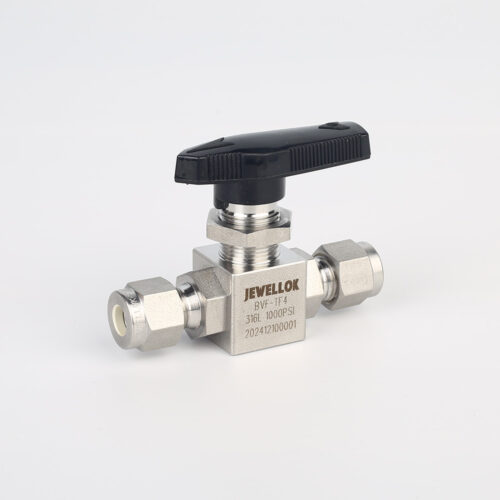
Stainless Steel High Purity High Temperature Pneumatic Actuated Ball Valves JBV2 Series
-
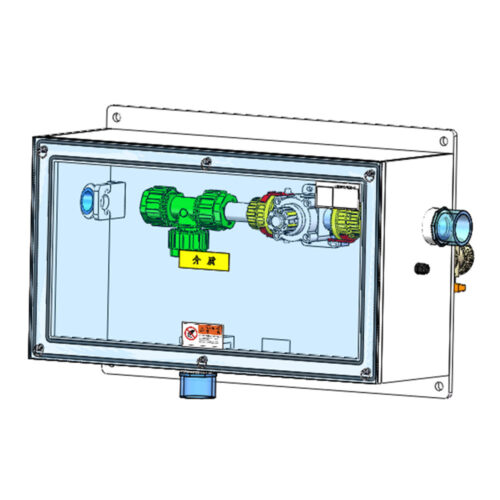
Scrubber Tail Gas Treatment Cabinet Waste Gas Treatment Wet Scrubber Exhaust Gas Treatment Spray Tower
-

Ultra-High Purity CDS and CDM Chemical Delivery and Dilution for Semiconductor Manufacturing
-
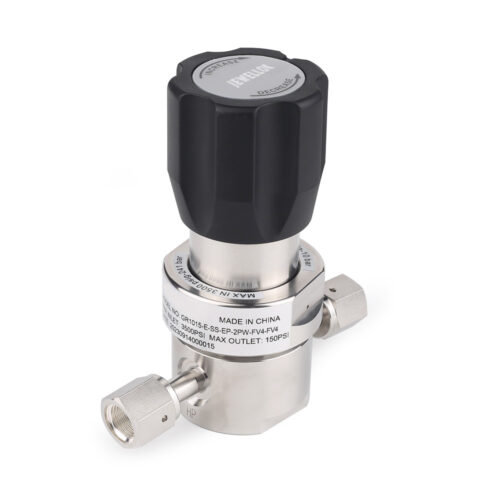
Specialty Gas Valves Ultra High Purity Gas Valves Ultra High Purity Gas Cylinder Valves UHP Cylinder Valve Ultra High Purity Gas Regulator
-
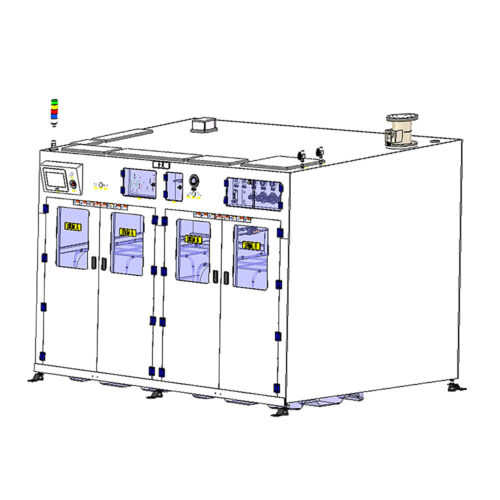
High Purity Chemical Dispense System & Packing System For Semiconductors JW-200L-CDM & JW-1000L-CDM
-
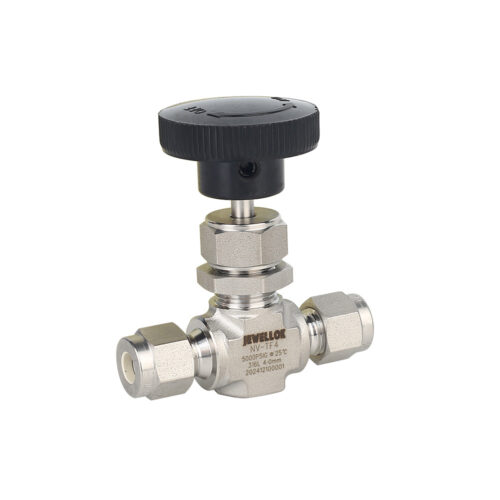
High Purity High Pressure Stainless Steel Needle Valve Natural Gas Flow Control Valve JNV Series
-
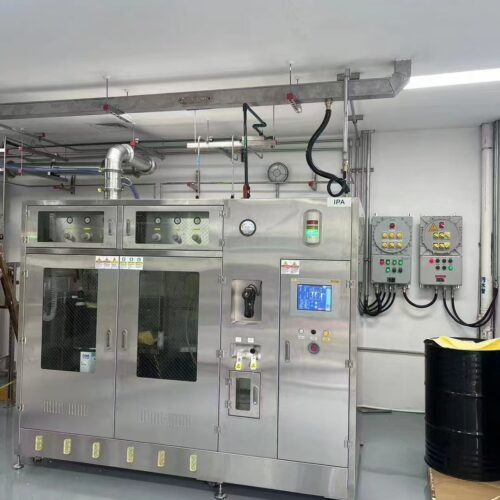
Precision Liquid Chemical Delivery Module (CDM) with PLC Control for Parts-Per-Trillion Purity in Solar Cell Production
-
Semiconductor High Purity High Pressure Specialty Gas Bottle Gas Cylinder Storage Cabinet And Gas Pressure Regulating Cabinet