
Valves Manufacturer Tel: +86 13380377051

Chemical Delivery Unit(CDU) System Optimization for Semiconductor Production
Chemical Delivery Unit (CDU) systems play a critical role in semiconductor manufacturing by ensuring precise, stable, and contamination-free delivery of process chemicals. As device geometries continue to shrink and process complexity increases, CDU system optimization has become essential for improving yield, reducing defects, and enhancing operational efficiency. This article explores the design principles, challenges, and optimization strategies of CDU systems, including flow control, material compatibility, contamination control, automation, and predictive maintenance.
1. Introduction
Semiconductor manufacturing relies on highly controlled chemical processes such as chemical vapor deposition (CVD), atomic layer deposition (ALD), etching, and cleaning. These processes demand ultra-high purity chemicals delivered with extreme precision. The Chemical Delivery Unit (CDU) serves as the backbone of this supply chain, managing the storage, filtration, metering, and transport of chemicals from bulk sources to process tools.
With the advancement of nodes below 10 nm, even minor variations in chemical concentration, flow rate, or contamination levels can lead to significant yield loss. Therefore, optimizing CDU systems is no longer optional—it is a strategic necessity for fabs aiming to maintain competitiveness.
2. CDU System Overview
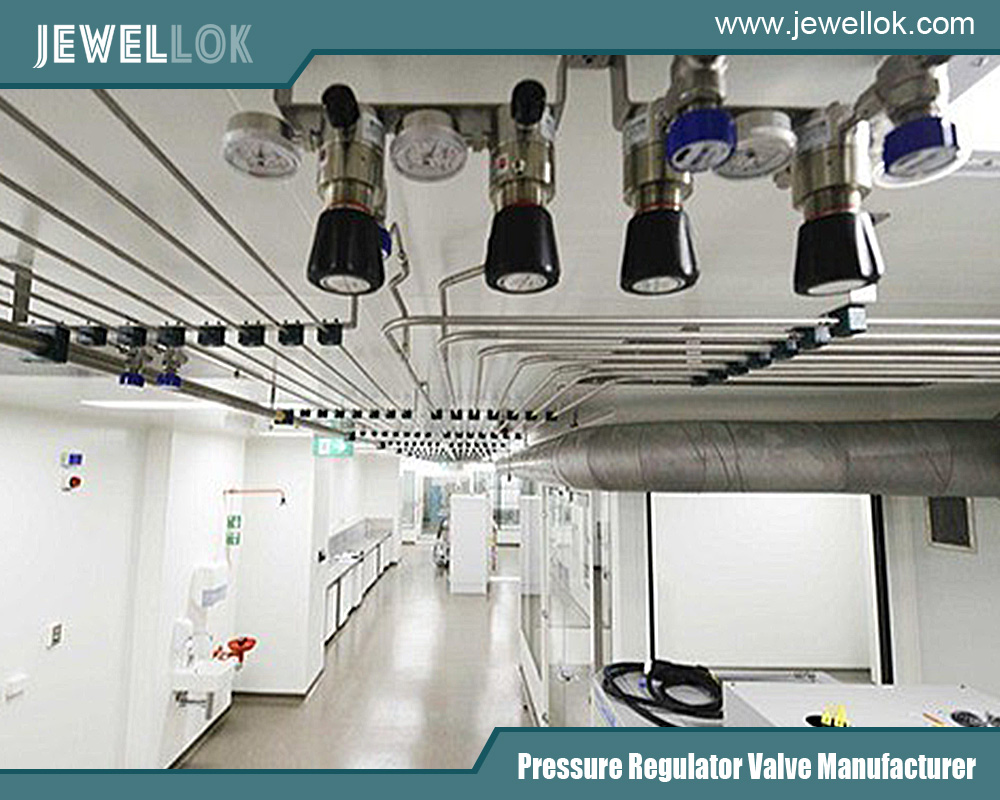
A typical CDU system consists of several key components:
- Chemical storage tanks or cylinders
- Pumps and pressure regulators
- Filtration systems (point-of-use filters, bulk filters)
- Mass flow controllers (MFCs)
- Valves and distribution manifolds
- Sensors (pressure, temperature, flow, leak detection)
- Control systems (PLC or SCADA-based)
The CDU is responsible for delivering chemicals with high repeatability and purity, while ensuring safety and minimizing downtime.
3. Key Challenges in CDU Systems
3.1 Contamination Control
Contamination is one of the most critical issues in CDU systems. Sources include:
- Particulate generation from valves and fittings
- Chemical impurities from incompatible materials
- Moisture ingress
- Residual chemicals from previous processes
Even sub-ppb levels of contamination can affect wafer quality.
3.2 Flow Stability and Accuracy
Process uniformity depends on maintaining stable flow rates and pressures. Variations can arise from:
- Pump pulsation
- Pressure fluctuations
- Temperature-induced viscosity changes
- MFC drift over time
3.3 Material Compatibility
Different chemicals (e.g., acids, solvents, precursors) require compatible materials such as PFA, PTFE, stainless steel, or Hastelloy. Incompatible materials can cause:
- Corrosion
- Leaching of contaminants
- Reduced component lifespan
3.4 System Downtime
Unplanned downtime due to component failure or maintenance can significantly impact production throughput.
4. Optimization Strategies
4.1 Advanced Filtration Design
Optimizing filtration is essential for contamination control. Key strategies include:
- Multi-stage filtration: Using bulk filters followed by point-of-use (POU) filters
- Ultra-high purity (UHP) filters: Capable of removing particles down to nanometer levels
- Low extractables materials: Prevent chemical contamination
Regular filter monitoring and timely replacement are also critical.
4.2 Precision Flow Control
Modern CDU systems use advanced flow control technologies:
- High-accuracy MFCs: With closed-loop feedback systems
- Pulse dampeners: To reduce pump-induced fluctuations
- Digital pressure regulators: For precise pressure control
Calibration and periodic validation of MFCs ensure long-term accuracy.
4.3 Material Optimization
Selecting the right materials for CDU components is crucial:
- Fluoropolymers (PFA, PTFE): Ideal for corrosive chemicals
- Electropolished stainless steel: Suitable for high-purity gas delivery
- Surface passivation: Reduces particle generation and adsorption
Material certification and traceability further enhance reliability.
4.4 System Layout and Dead Volume Reduction
Dead volume can lead to:
- Chemical stagnation
- Increased contamination risk
- Slow response times
Optimization methods include:
- Minimizing tubing length
- Using compact manifold designs
- Eliminating unnecessary bends and fittings
Computational fluid dynamics (CFD) simulations can help optimize flow paths.
4.5 Automation and Control Systems
Automation enhances CDU performance and reliability:
- Real-time monitoring: Pressure, flow, temperature, and chemical levels
- Alarm systems: For leak detection and abnormal conditions
- Recipe-based control: Ensures consistent chemical delivery
Integration with Manufacturing Execution Systems (MES) allows for better process traceability.
4.6 Predictive Maintenance
Traditional maintenance approaches are reactive or scheduled. Predictive maintenance uses data analytics to anticipate failures:
- Sensor data analysis: Identifies early signs of component degradation
- Machine learning models: Predict failure patterns
- Condition-based maintenance: Reduces unnecessary downtime
This approach improves system uptime and reduces maintenance costs.
5. Emerging Technologies in CDU Optimization
5.1 Smart CDU Systems
Smart CDUs integrate IoT technologies and advanced analytics:
- Remote monitoring and diagnostics
- Cloud-based data storage
- AI-driven optimization
These systems enable real-time decision-making and continuous improvement.
5.2 Chemical Usage Optimization
Reducing chemical consumption is both cost-effective and environmentally beneficial:
- Dynamic flow adjustment: Based on process requirements
- Recycling and reclaim systems: For certain chemicals
- Minimized purge cycles: Through optimized system design
5.3 Modular CDU Design
Modular systems offer:
- Easier scalability
- Faster installation and maintenance
- Reduced downtime during upgrades
Plug-and-play modules can be replaced without shutting down the entire system.
6. Case Study: CDU Optimization in Advanced Node Manufacturing
In a 7 nm semiconductor fab, a CDU optimization project focused on improving yield and reducing defects. Key actions included:
- Replacing legacy MFCs with high-precision models
- Implementing multi-stage filtration with UHP filters
- Redesigning the distribution manifold to reduce dead volume
- Integrating real-time monitoring with predictive analytics
Results:
- 15% reduction in particle-related defects
- 10% improvement in chemical usage efficiency
- 20% reduction in unplanned downtime
This case highlights the tangible benefits of CDU optimization.
7. Best Practices for CDU Optimization
To achieve optimal performance, semiconductor manufacturers should adopt the following best practices:
- Design for purity: Prioritize contamination control in every component
- Ensure compatibility: Match materials with chemical properties
- Implement redundancy: Use backup systems for critical components
- Monitor continuously: Leverage real-time data for decision-making
- Adopt predictive maintenance: Move beyond reactive approaches
- Standardize processes: Ensure consistency across production lines
8. Future Outlook
As semiconductor technology continues to evolve, CDU systems will face increasing demands for precision, reliability, and sustainability. Future trends include:
- Greater integration with AI and digital twins
- Increased use of advanced materials
- Enhanced focus on sustainability and waste reduction
- Fully autonomous CDU systems
The convergence of these trends will redefine how chemical delivery is managed in semiconductor fabs.
9. Conclusion
CDU systems are a vital component of semiconductor manufacturing, directly impacting process stability, yield, and cost efficiency. Optimization of these systems requires a holistic approach that addresses contamination control, flow precision, material compatibility, and system reliability.
By leveraging advanced technologies such as smart sensors, automation, and predictive analytics, manufacturers can significantly enhance CDU performance. As the industry moves toward smaller nodes and higher complexity, CDU optimization will remain a key enabler of innovation and competitiveness.
For more about the chemical delivery unit(CDU)system optimization for semiconductor production, you can pay a visit to Jewellok at https://www.jewellok.com/ for more info.
-

Liquid Chemical Delivery Module (CDM) Maintenance: Optimizing UHP Diaphragm Valves for Maximum System Process Uptime
-
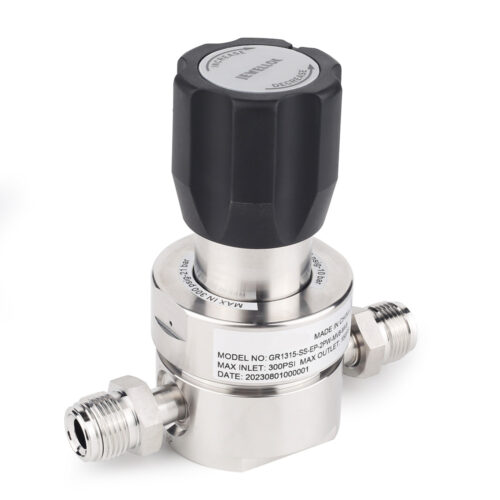
JR1300 Series Ultra High Purity Single Stage Regulator High Flow Line Regulator For Ultra High Purity Intermediate Flow
-
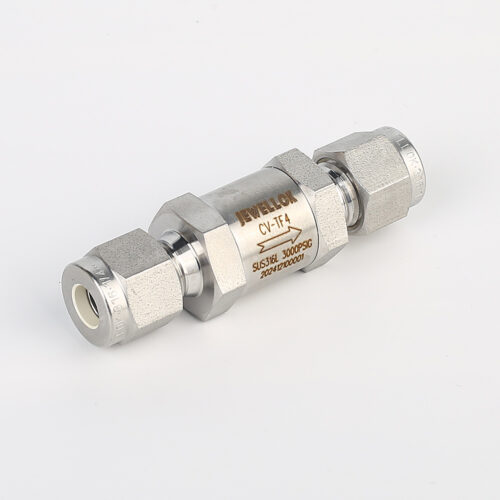
High Pressure High-Purity Welded Check Valves And Low Cracking Pressure Check Valve JCV1 Series
-
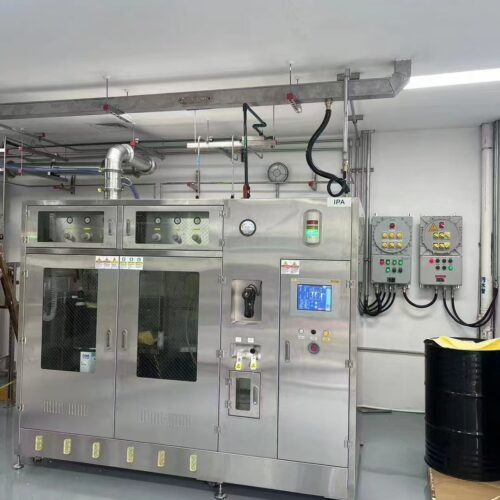
Precision Liquid Chemical Delivery Module (CDM) with PLC Control for Parts-Per-Trillion Purity in Solar Cell Production
-
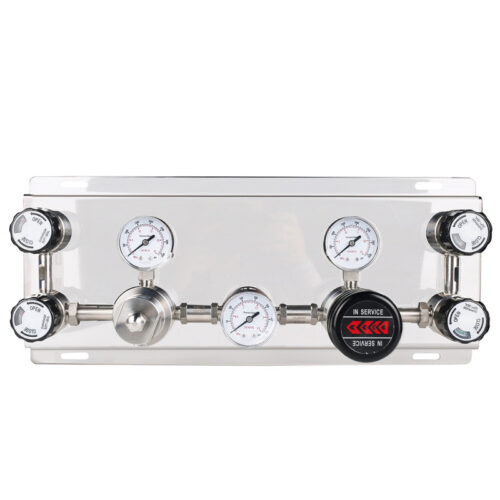
Semi Automatic And Automatic Switching Speicialty Gas Changeover Manifold Panel With Semiconductor Valve Manifold Box Gas Pressure Regulators
-

Custom Chemical Delivery System (CDS) Engineering for Hazardous Etchants and Volatile Organic Solvent Distribution Systems
-
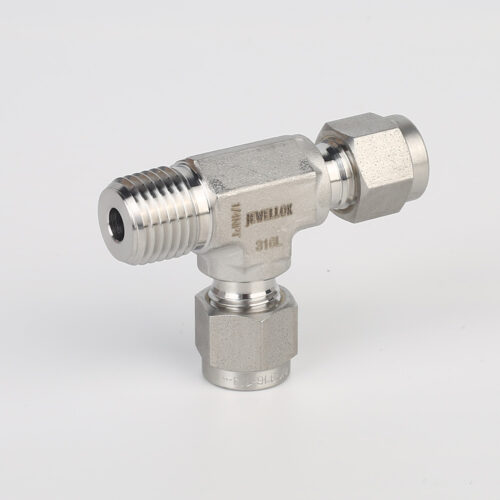
771L Male Run Tee | Stainless Steel High Quality High Purity Male Run Tee Branch Tee Pipe Fittings
-
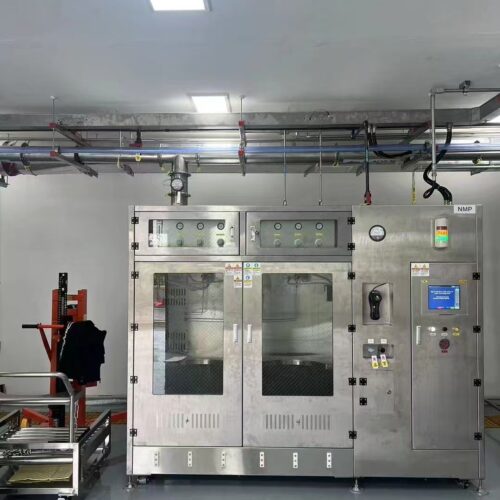
316L Electropolished Chemical Delivery System (CDS) for Contamination-Free Liquid Handling in EV Battery Manufacturing Plants