
Valves Manufacturer Tel: +86 13380377051

Corrosive Chemical Storage Cabinets for Industrial Safety Applications
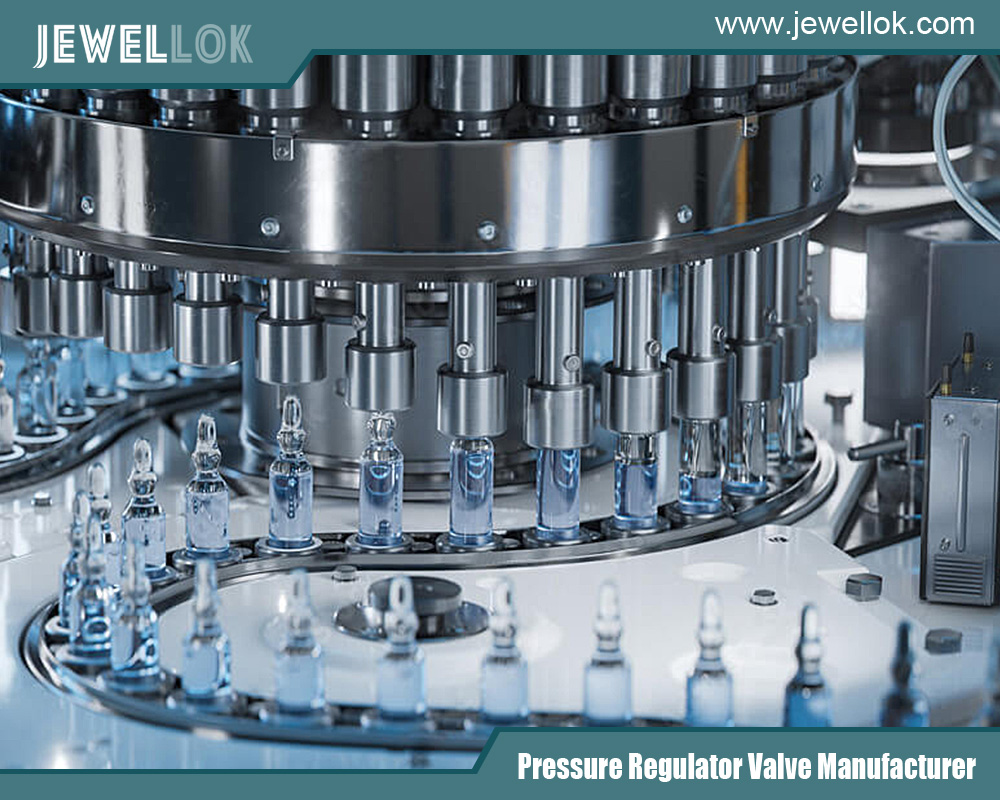
In modern industrial environments, the safe storage of hazardous materials is not only a regulatory requirement but also a critical component of operational integrity. Among the various categories of hazardous substances, corrosive chemicals present unique challenges due to their ability to degrade materials, cause severe injury, and trigger dangerous reactions if improperly handled. Corrosive chemical storage cabinets are specifically engineered solutions designed to mitigate these risks, ensuring safety, compliance, and efficiency across industries such as chemical manufacturing, pharmaceuticals, laboratories, and semiconductor production.
Understanding Corrosive Chemicals and Their Risks
Corrosive chemicals are substances that can damage or destroy living tissues and materials upon contact. Common examples include strong acids such as hydrochloric acid, sulfuric acid, and nitric acid, as well as bases like sodium hydroxide and potassium hydroxide. These substances can cause severe burns, emit hazardous fumes, and react violently with incompatible materials.
Improper storage of corrosive chemicals can lead to several hazards, including:
- Chemical leaks and spills
- Toxic vapor release
- Container degradation
- Cross-contamination and chemical reactions
- Fire or explosion in extreme cases
Because of these risks, industries must adopt specialized storage systems that provide both physical containment and chemical resistance.
Design Principles of Corrosive Chemical Storage Cabinets
Corrosive chemical storage cabinets are engineered with specific design features to address the aggressive nature of these substances. Unlike standard storage units, these cabinets prioritize material compatibility, structural integrity, and environmental protection.
1. Material Selection
The choice of construction material is fundamental. Cabinets are typically made from:
- High-density polyethylene (HDPE)
- Polypropylene (PP)
- Corrosion-resistant coated steel
Plastic-based cabinets such as PP and HDPE offer excellent resistance to acids and bases, making them ideal for long-term storage. In contrast, steel cabinets may be coated with epoxy or powder finishes to improve corrosion resistance, though they are generally less suitable for highly aggressive chemicals.
2. Chemical Resistance
Each cabinet must be compatible with the specific chemicals it stores. Manufacturers often provide chemical compatibility charts to guide users. For example, nitric acid requires higher resistance levels compared to weaker acids, influencing the selection of cabinet material and internal linings.
3. Ventilation Systems
Corrosive chemicals often release fumes that can accumulate and pose health risks. Storage cabinets may include:
- Passive ventilation ports
- Active exhaust systems connected to facility ventilation
- Air filtration units
Proper ventilation prevents pressure buildup and minimizes exposure to harmful vapors.
4. Spill Containment
Integrated spill containment features are essential. Cabinets typically include:
- Leak-proof sumps at the base
- Raised shelves to contain minor spills
- Seamless interior construction to prevent leakage
These features ensure that accidental spills are contained within the cabinet, reducing environmental contamination and cleanup complexity.
5. Structural Reinforcement
To handle the weight of chemical containers and resist deformation, cabinets are reinforced with:
- Double-wall construction
- Load-bearing shelves
- Anti-corrosion hinges and fasteners
This enhances durability and ensures long-term reliability.
Compliance with Safety Standards and Regulations
Industrial facilities must adhere to strict safety standards governing hazardous material storage. Corrosive chemical storage cabinets are designed to comply with various international and regional regulations, including:
- Occupational safety and health standards
- Chemical storage and handling guidelines
- Fire safety codes
- Environmental protection regulations
Compliance ensures not only worker safety but also legal protection and operational continuity. Cabinets are often labeled clearly to indicate the type of chemicals stored, hazard classifications, and emergency instructions.
Applications Across Industries
Corrosive chemical storage cabinets are widely used across multiple sectors, each with specific requirements and operational conditions.
1. Chemical Manufacturing
In chemical plants, large volumes of acids and bases are used daily. Cabinets provide safe storage for raw materials, intermediates, and waste chemicals, reducing the risk of accidental exposure.
2. Pharmaceutical Industry
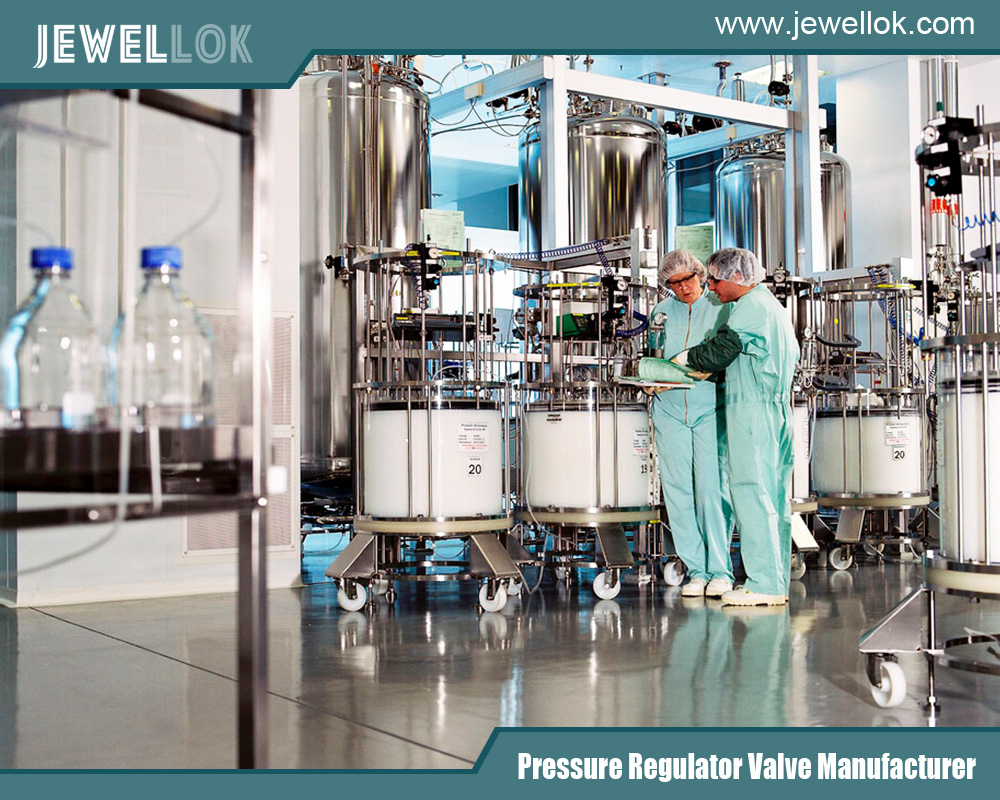
Pharmaceutical production involves precise chemical handling under controlled conditions. Storage cabinets help maintain chemical stability and prevent contamination, ensuring product quality and regulatory compliance.
3. Laboratories and Research Facilities
Laboratories require organized and secure storage for a variety of corrosive reagents. Cabinets allow for segregation of incompatible chemicals and easy access while maintaining safety.
4. Semiconductor and Electronics Manufacturing
Highly corrosive chemicals are used in processes such as etching and cleaning. Storage cabinets designed for ultra-clean environments help prevent contamination and ensure safe handling of high-purity chemicals.
5. Educational Institutions
Universities and schools use smaller-scale storage cabinets in teaching laboratories, promoting safe handling practices among students and staff.
Best Practices for Safe Usage
While the cabinet itself is a critical safety component, proper usage and maintenance are equally important.
1. Chemical Segregation
Store incompatible chemicals separately. For example, acids and bases should not be stored together, and oxidizing acids should be isolated from organic materials.
2. Labeling and Documentation
All containers must be clearly labeled with chemical names, hazard symbols, and expiration dates. Safety data sheets (SDS) should be readily accessible.
3. Routine Inspection
Regular inspections help identify:
- Signs of corrosion or damage
- Leaks or spills
- Ventilation blockages
Timely maintenance prevents minor issues from escalating into major hazards.
4. Training and Awareness
Personnel must be trained in:
- Proper storage procedures
- Emergency response actions
- Use of personal protective equipment (PPE)
Awareness reduces human error, which is a leading cause of chemical accidents.
5. Capacity Management
Avoid overloading cabinets. Exceeding weight or volume limits can compromise structural integrity and increase risk.
Innovations and Technological Advancements
The design and functionality of corrosive chemical storage cabinets continue to evolve with advancements in materials science and industrial safety technology.
1. Smart Monitoring Systems
Modern cabinets may include sensors that monitor:
- Temperature
- Humidity
- Chemical vapor concentration
These systems can trigger alarms or integrate with facility management systems for real-time monitoring.
2. Improved Materials
New composite materials offer enhanced resistance to a broader range of chemicals while maintaining structural strength and lightweight properties.
3. Modular Designs
Modular cabinets allow facilities to expand storage capacity easily and customize configurations based on specific needs.
4. Enhanced Ergonomics
User-friendly features such as adjustable shelves, easy-open doors, and clear visibility panels improve accessibility and reduce handling risks.
Environmental Considerations
Proper storage of corrosive chemicals also plays a role in environmental protection. Cabinets are designed to prevent leaks that could contaminate soil or water sources. Additionally, many modern cabinets are manufactured using recyclable materials and environmentally friendly processes.
Facilities are encouraged to integrate storage solutions with broader environmental management systems, including waste disposal protocols and spill response plans.
Selecting the Right Storage Cabinet
Choosing the appropriate corrosive chemical storage cabinet requires careful evaluation of several factors:
- Type and concentration of chemicals
- Storage volume and container sizes
- Available space and layout
- Ventilation requirements
- Regulatory compliance needs
Consulting with manufacturers or safety experts can help ensure that the selected cabinet meets all operational and safety requirements.
Conclusion
Corrosive chemical storage cabinets are indispensable components of industrial safety infrastructure. By providing secure, durable, and compliant storage solutions, they protect workers, equipment, and the environment from the inherent dangers of corrosive substances. As industries continue to evolve and handle increasingly complex chemical processes, the importance of advanced storage systems will only grow.
Investing in high-quality storage cabinets, combined with proper training and safety protocols, is a proactive step toward minimizing risk and ensuring sustainable operations. In a world where safety and efficiency are paramount, corrosive chemical storage cabinets stand as a critical line of defense in industrial environments.
For more about the corrosive chemical storage cabinets for industrial safety applications, you can pay a visit to Jewellok at https://www.jewellok.com/product-category/chemical-delivery-system/ for more info.
-
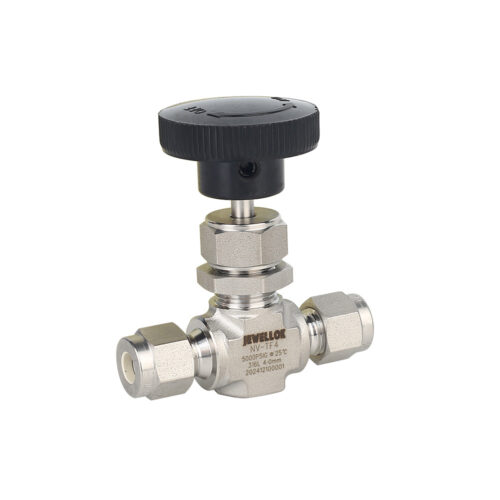
High Purity High Pressure Stainless Steel Needle Valve Natural Gas Flow Control Valve JNV Series
-
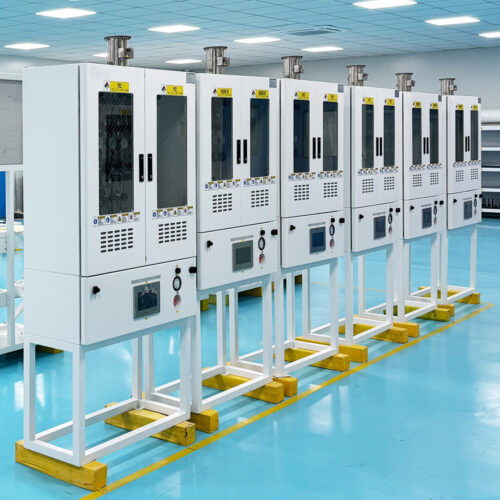
VMB Valve Manifold Box And Panel Gas Cabinet, BSGS Gas Cabinets, TMA Gas Cabinets, Scrubber Tail Gas Treatment Cabinets
-
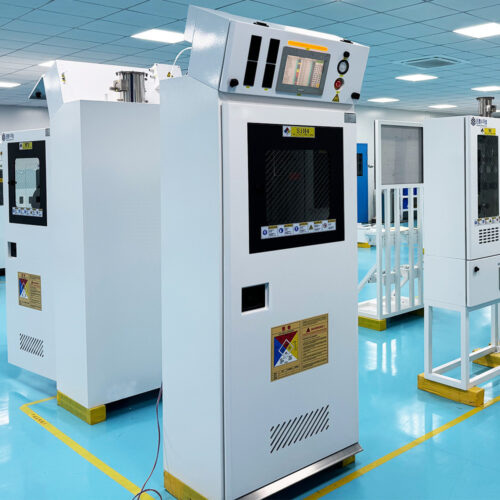
Integrated Gas System (IGS) Modular Integrated Gas Systems (TMS) Integrated Gas Supply System For Semiconductor And Laboratory
-
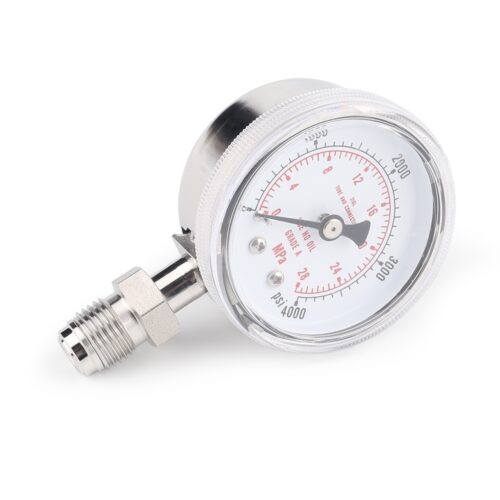
Ultra High Purity Oxygen Pressure Gauge For Semiconductor Gases JG Series Pressure Instruments For Semiconductor Manufacturing
-
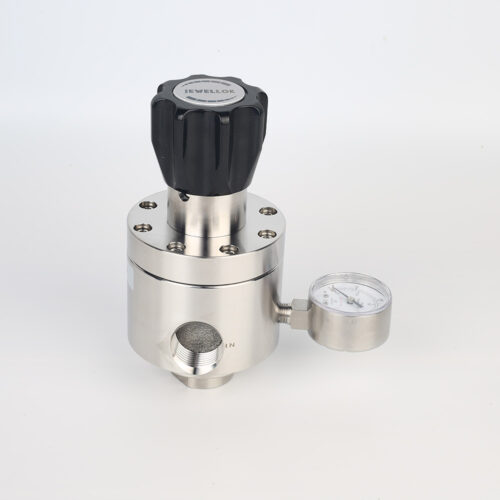
Low Pressure High Flow Line Pressure Regulators And Control Valves JSR-4L Series For Laboratory Pressure Control
-
Fully Automated Gas Cabinet For Precise UHP Gas Delivery And High Purity Gas Delivery Systems JW-300-GC
-
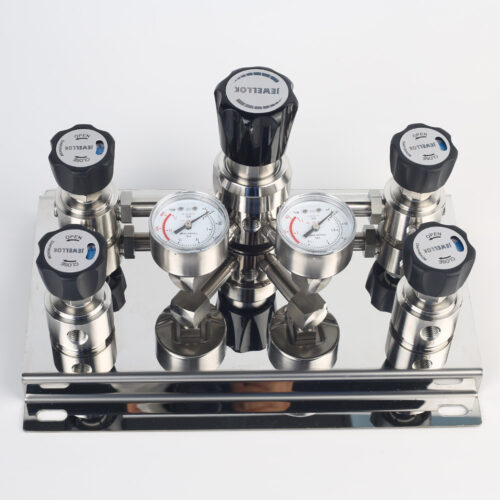
Single Stage Wall And Cabinet Mounting Pressure Control Panels JSP-2E Series For High Purity Gases
-
767LP Port Connector Ultra High Purity VCJ Metal Gasket Face Seal Tube Fittings