
Valves Manufacturer Tel: +86 13380377051
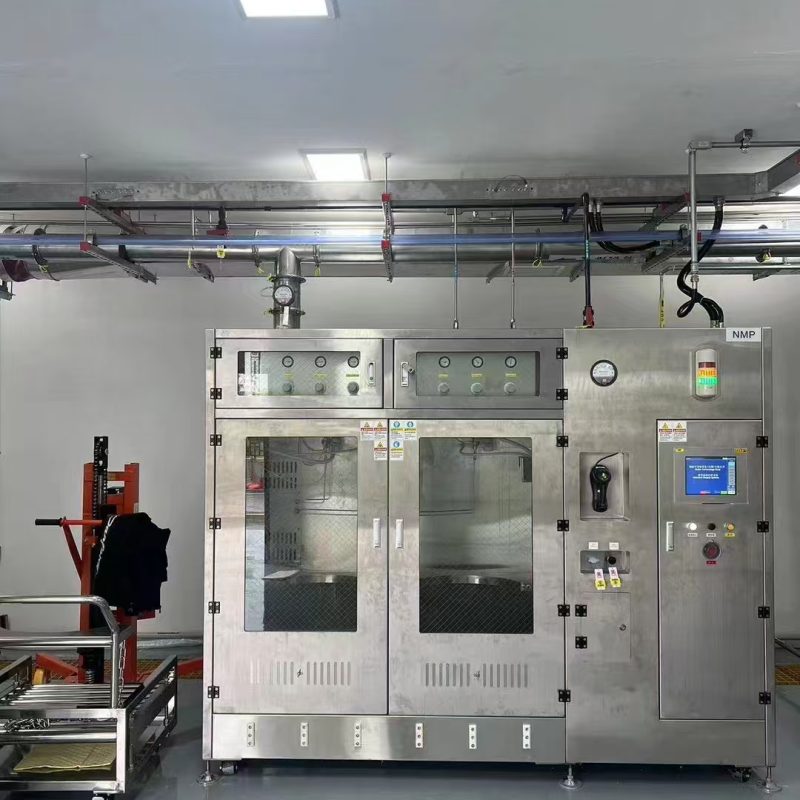
Leak-Free Corrosive Gas Valves for Critical Industrial Applications
In modern industrial environments, the safe and precise handling of corrosive gases is essential for maintaining operational efficiency, product quality, and personnel safety. Industries such as semiconductor manufacturing, petrochemicals, pharmaceuticals, and specialty gas distribution rely heavily on advanced fluid control systems. Among the most critical components in these systems are leak-free corrosive gas valves.
These valves are engineered to operate reliably under harsh chemical conditions while ensuring zero leakage, minimal contamination, and long service life. As process requirements become more stringent—especially in ultra-high purity (UHP) applications—the demand for high-performance valve solutions continues to grow.
This article explores the design principles, material considerations, performance requirements, and application scenarios of leak-free corrosive gas valves in critical industrial systems.
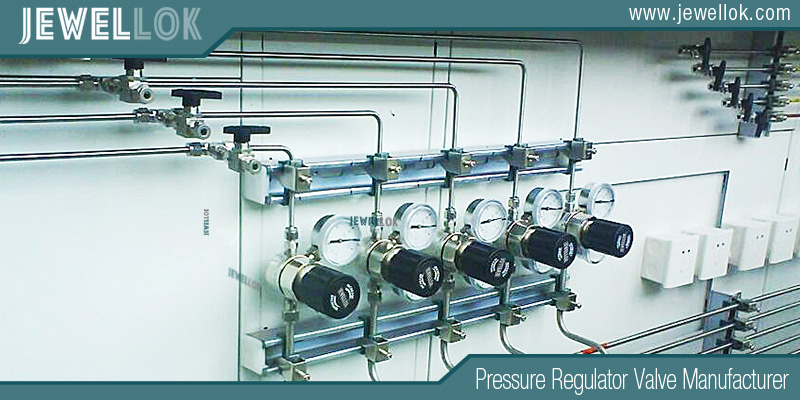
Understanding Corrosive Gas Environments
Corrosive gases such as chlorine (Cl₂), hydrogen chloride (HCl), ammonia (NH₃), sulfur dioxide (SO₂), and various fluorinated compounds present significant challenges to fluid handling systems. These gases can:
- React chemically with valve materials
- Cause surface degradation and pitting
- Lead to seal failure and leakage
- Introduce contamination into sensitive processes
In industries like semiconductor fabrication, even trace contamination can result in wafer defects and yield loss. Therefore, valve integrity is not just a safety concern but also a critical factor in production quality.
Key Requirements for Leak-Free Valve Design
To ensure reliable performance in corrosive gas applications, valves must meet several stringent requirements:
1. Zero Leakage Performance
Leakage in corrosive gas systems can lead to hazardous exposure, environmental damage, and process inefficiencies. High-performance valves are designed to achieve:
- Helium leak rates as low as 1 × 10⁻⁹ mbar·L/s
- Bubble-tight shutoff under operating pressure
- Metal-to-metal or high-integrity diaphragm sealing
2. Corrosion Resistance
Materials used in valve construction must withstand aggressive chemical environments. Common requirements include:
- Resistance to halogens and acidic gases
- Stability at elevated temperatures
- Minimal material degradation over time
3. Ultra-High Purity Compatibility
For semiconductor and pharmaceutical applications, valves must prevent particle generation and outgassing. This requires:
- Electropolished internal surfaces (Ra ≤ 0.25 µm)
- Minimal dead volume
- Cleanroom assembly and packaging
4. Mechanical Durability
Valves must maintain performance over thousands or even millions of cycles without failure. This includes:
- Fatigue-resistant diaphragms
- Robust actuator mechanisms
- Consistent torque and sealing force
Valve Types for Corrosive Gas Applications
Several valve designs are commonly used depending on system requirements:
Diaphragm Valves
Diaphragm valves are widely used in corrosive gas systems due to their leak-tight sealing and contamination control.
Advantages:
- Hermetic sealing with no stem leakage
- Low particle generation
- Suitable for UHP applications
Applications:
- Semiconductor gas delivery systems
- Chemical dispensing units
Bellows-Sealed Valves
These valves use a metal bellows to isolate the process gas from the external environment.
Advantages:
- Excellent leak integrity
- Long cycle life
- Suitable for toxic and hazardous gases
Applications:
- Specialty gas cabinets
- Analytical instrumentation
Ball and Needle Valves (Specialized Designs)
Although less common for highly corrosive gases, specially coated or lined versions can be used in certain industrial processes.
Material Selection for Corrosion Resistance
Material compatibility is one of the most critical factors in valve design. Common materials include:
Stainless Steel (316L, VIM/VAR)
- Often electropolished for UHP use
Nickel-Based Alloys (Hastelloy, Monel)
- Superior resistance to aggressive chemicals
- Suitable for chlorine and fluorine service
- Higher cost but longer lifespan
Fluoropolymers (PTFE, PFA)
- Exceptional chemical resistance
- Used for seats, seals, and linings
Coatings and Surface Treatments
- Passivation enhances corrosion resistance
- Electropolishing reduces surface roughness
- Specialized coatings improve durability
Sealing Technologies
Leak-free performance depends heavily on sealing technology. The most common sealing methods include:
Metal Diaphragm Sealing
- Provides hermetic sealing
- Ideal for UHP and toxic gas applications
- High cycle life with proper design
Metal-to-Metal Sealing
- Used in high-pressure applications
- Requires precision machining
- Minimal permeation
Soft Seals (Elastomers)
- Provide excellent sealing at lower pressures
- Limited compatibility with certain corrosive gases
- Potential for outgassing and contamination
Design Considerations for Safety and Reliability
Minimizing Dead Volume
Dead zones within valves can trap gases, leading to contamination or delayed purging. Advanced designs feature:
- Streamlined flow paths
- Compact internal geometries
Thermal Stability
Temperature fluctuations can affect material properties and sealing performance. Valves must be designed to:
- Maintain integrity across operating temperatures
- Resist thermal cycling fatigue
Pressure Ratings
Valves must withstand system pressures without deformation or leakage. This includes:
- High-pressure gas cylinders
- Vacuum and low-pressure systems
Automation Compatibility
Modern industrial systems often require automated control. Valves must support:
- Pneumatic or electric actuators
- Integration with control systems
- Remote monitoring and diagnostics
Applications Across Industries
Semiconductor Manufacturing
In semiconductor fabs, corrosive gases are used for etching, deposition, and cleaning processes. Leak-free gas valves are critical for:
- Maintaining ultra-high purity environments
- Preventing contamination of wafers
- Ensuring operator safety
Chemical Processing
Chemical plants handle a wide range of aggressive gases. Valves must:
- Resist corrosion from reactive chemicals
- Provide reliable shutoff in continuous processes
- Support high-temperature operations
Pharmaceutical Production
In pharmaceutical manufacturing, gas purity and system integrity are essential. Valves are used in:
- Sterile processing environments
- Controlled reactions
- Clean-in-place (CIP) systems
Specialty Gas Distribution
Gas cabinets and delivery systems require valves that ensure:
- Safe handling of toxic gases
- Leak detection and containment
- Compliance with safety standards
Testing and Quality Assurance
To ensure performance and reliability, valves undergo rigorous testing, including:
- Helium leak testing
- Pressure and burst testing
- Cycle life testing
- Material certification and traceability
Manufacturers often comply with international standards such as:
- SEMI standards (for semiconductor industry)
- ISO and ASTM specifications
- CGA (Compressed Gas Association) guidelines
Future Trends and Innovations
As industries evolve, valve technology continues to advance. Key trends include:
Smart Valves
Integration of sensors and IoT technology allows for:
- Real-time monitoring
- Predictive maintenance
- Enhanced safety
Advanced Materials
Development of new alloys and coatings improves:
- Corrosion resistance
- Mechanical strength
- Longevity
Miniaturization
Compact valve designs support:
- Space-constrained systems
Sustainability
Efforts to reduce environmental impact include:
- Leak reduction technologies
- Energy-efficient manufacturing
- Recyclable materials
Conclusion
Leak-free corrosive gas valves are indispensable components in critical industrial applications. Their design requires a careful balance of material science, mechanical engineering, and process understanding. By ensuring zero leakage, high corrosion resistance, and compatibility with ultra-high purity environments, these valves play a vital role in maintaining safety, efficiency, and product quality.
As industrial processes become more complex and demanding, the importance of reliable valve technology will only continue to grow. Investing in high-quality, well-engineered valve solutions is not just a technical decision—it is a strategic one that directly impacts operational success and long-term sustainability.
For more about the leak-free corrosive gas valves for critical industrial applications, you can pay a visit to Jewellok at https://www.jewellok.com/product-category/chemical-delivery-system/ for more info.
-
Scrubber Gas Cabinet Scrubber Tail Gas Treatment Cabinet Vent Gas Scrubber System Heat-Filter Burn Box Gas Scrubber/Abatement System
-
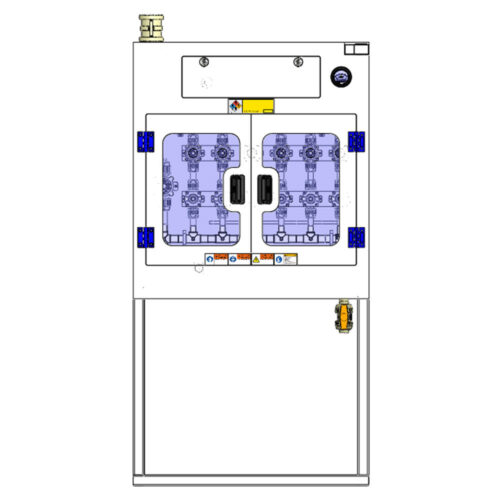
High Purity Configurable Systems VMB Valve Manifold Box JW-200-VMB-C & JW-100-VMB-C
-

Ultra High Purity Liquid Chemical Delivery System And Bulk Chemical Delivery Handling System For Semiconductor Cleanrooms
-
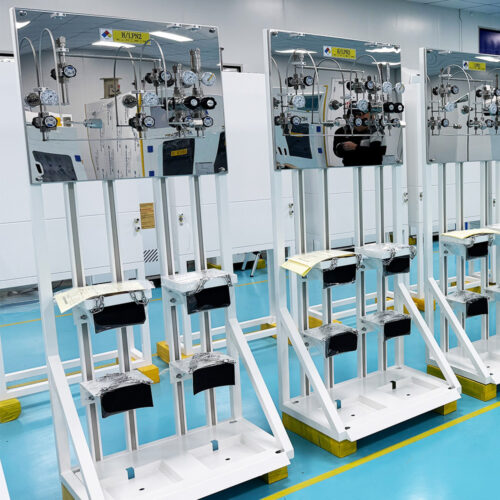
Manual Gas Rack High Purity Gas Delivery Systems JW-100-GR
-
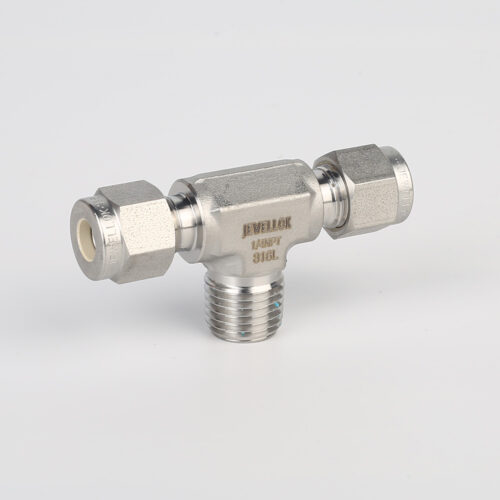
772L Male Branch Tee | Stainless Steel High-Purity Tube Fitting Male Branch Tee
-
UHP Liquid Chemical Delivery System (CDS) Implementation for High-Volume Photovoltaic and Renewable Energy Component Production Lines
-
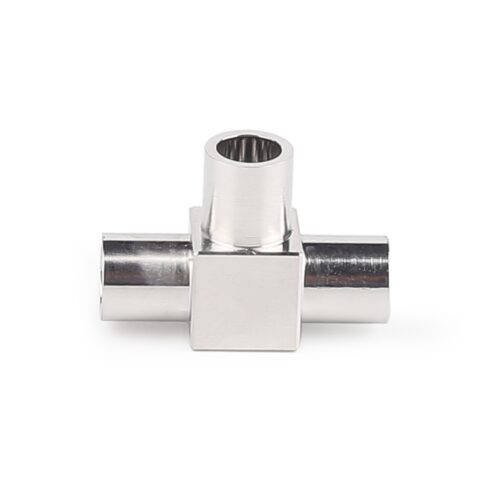
Stainless Steel Ultra High Purity Mini Butt Weld Mini Tee Reducer MTRW Series Fittings
-
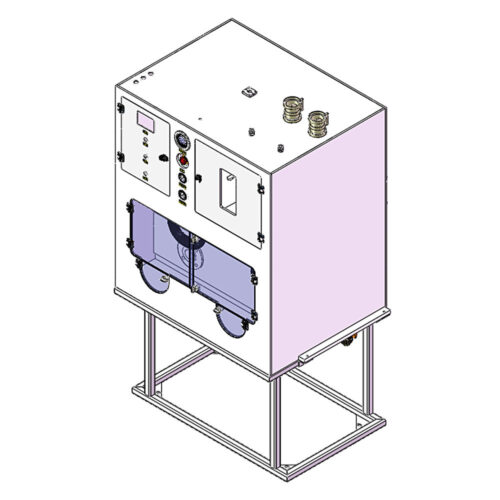
Clean Connection Cabinet JW-300-CCB Valve Manifold Box And Control Valve Box