
Valves Manufacturer Tel: +86 13380377051
Device for Simultaneous and Efficient Abatement of SOx, NOx, VOCs, and Heavy Metals in Complex Industrial Exhaust Gas Treatment
Industrial exhauts gases from sectors such as steel sintering and glass manufacturing represent one of the most challenging frontiers for air pollution control. Characterized by high dust loads, significant temperature fluctuations, and the presence of complex chemical mixtures—including sulfur oxides (SOx), nitrogen oxides (NOx), volatile organic compounds (VOCs), and heavy metals (Hg, As)—these emissions defy the capabilities of traditional single-pollutant treatment trains. Conventional methods often suffer from process interdependencies, such as catalyst poisoning by arsenic or the competitive adsorption of mercury. This article explores the engineering principles behind a novel integrated device designed for synergistic removal. We propose a multi-stage, multifunctional reactor architecture that leverages spatial temperature zoning, advanced catalytic filtration, and optimized sorbent injection to achieve high-efficiency co-abatement while mitigating interference mechanisms.
1. The Challenge of Non-Ideal Exhauts Gases
The paradigm of air pollution control has shifted from end-of-pipe single-pollutant solutions to integrated, synergistic approaches. This shift is most critical in industries like iron ore sintering (a primary step in steelmaking) and glass melting furnaces. These processes produce exhauts gases that are fundamentally difficult to treat due to three primary characteristics:
-
High Chemical Complexity: The gas stream contains SOx (typically 300–2000 mg/Nm³), NOx (200–800 mg/Nm³), VOCs (including dioxins and furans), and heavy metals (Hg⁰, Hg²⁺, and As₂O₃ vapors) simultaneously.
-
Process Interference: Traditional selective catalytic reduction (SCR) for NOx is poisoned by arsenic (As) and deactivated by high SO₂ concentrations. Conversely, wet exhauts gas desulfurization produces hazardous gypsum contaminated with leachable heavy metals and fails to capture volatile Hg⁰ effectively.
-
Thermal and Particulate Variability: Sintering gases fluctuate between 80°C and 180°C, while glass furnace gases can exceed 350°C, complicating the selection of a single catalyst bed.
To address these issues, a new class of devices—often termed “integrated multi-pollutant control” systems—is required. These devices do not merely sequence existing technologies; they actively exploit the chemical interactions between pollutants to enhance removal efficiency while neutralizing antagonistic effects.
2. Design Philosophy: Spatial Zoning and Reaction Engineering
The proposed device architecture is a vertical or horizontal multi-stage fixed-bed reactor, integrating heat recovery, dry sorbent injection, and catalytic filtration into a single housing. The design philosophy rests on three pillars:
-
Thermal Stage Management: Positioning unit operations to align with the optimal temperature windows for specific reactions (e.g., mercury oxidation, SCR, VOCs oxidation).
-
Material Resilience: Utilizing catalytic materials resistant to sulfur and arsenic poisoning, such as vanadium-tungsten-titanium (V₂O₅-WO₃/TiO₂) formulations doped with anti-poisoning promoters (e.g., SiO₂ or rare earth metals).
-
Synergistic Adsorption: Using a circulating fluidized bed or fixed-bed of high-surface-area adsorbents (activated carbon, lime-based sorbents) that capture heavy metals and act as a sacrificial layer to protect downstream catalysts.
2.1 Stage 1: Pre-Conditioning and Heavy Metal Capture (Temperature Zone: 150–200°C)
The first stage targets the removal of particulate matter, arsenic (As), and the oxidation of elemental mercury (Hg⁰). Arsenic, present as As₂O₃ vapor in the gas phase, is a potent neurotoxin and a severe poison for noble metal and vanadium-based catalysts. If allowed to reach the SCR catalyst, it causes irreversible deactivation by blocking active acid sites.
Mechanism: A Circulating Fluidized Bed Absorber (CFBA) or a Downer Reactor is employed upstream of the primary catalytic unit. In this zone, a fine powder of hydrated lime (Ca(OH)₂) or activated carbon is injected. The high surface area of the sorbent captures As₂O₃ via chemisorption. Simultaneously, halogenated compounds (e.g., NH₄Cl or CaBr₂) are co-injected to facilitate the oxidation of elemental mercury (Hg⁰) to mercuric chloride (HgCl₂). Oxidized mercury is more readily adsorbed onto the particulate matter or the sorbent surface.
Interference Resolution: By removing arsenic and a significant fraction of HCl/HF in this stage, the system prevents the poisoning of the downstream DeNOx/VOCs catalyst. This “sacrificial sorbent layer” is crucial for maintaining the long-term activity of the more expensive catalytic components.
2.2 Stage 2: Integrated Catalytic Filtration (Temperature Zone: 220–350°C)
The core of the device is a Catalytic Ceramic Filter (or Catalytic Bag Filter). This unit combines particulate removal (filtration) with catalytic conversion (DeNOx and VOCs oxidation) in a single process.
Device Structure: The filter consists of ceramic candle filters or woven fabric bags coated/impregnated with a catalyst. The catalyst formulation is critical. For exhauts gases containing both SO₂ and NOx, a Vanadium-based (V₂O₅-WO₃/TiO₂) catalyst is the industry standard, but with modifications.
-
SO₂ to SO₃ Conversion: A major interference in traditional SCR is the unwanted oxidation of SO₂ to SO₃. SO₃ reacts with NH₃ (the reductant for NOx) to form ammonium bisulfate (ABS), a sticky, corrosive deposit that blinds the catalyst and downstream equipment.
-
Solution: To mitigate this, the catalyst is engineered with a low vanadium density and a high tungsten loading. WO₃ suppresses the oxidation of SO₂ while maintaining high activity for NOx reduction. Additionally, the catalyst layer is designed to have a dual function:
-
DeNOx: NOx is reduced to N₂ using NH₃ (4NO + 4NH₃ + O₂ → 4N₂ + 6H₂O).
-
VOCs Oxidation: Simultaneously, VOCs, including dioxins, are oxidized to CO₂ and H₂O. The high operating temperature (220–350°C) facilitates this deep oxidation.
-
Interference Resolution: The filter cake (dust layer) that accumulates on the surface of the catalytic filters acts as a secondary adsorbent. This dust layer absorbs heavy metal vapors that escaped Stage 1, preventing them from reaching the catalytic active sites. Periodic pulse-jet cleaning removes this dust, preventing the accumulation of heavy metals that could lead to long-term catalyst poisoning.
2.3 Stage 3: Advanced Oxidation and Final Polishing
For industrial exhauts gas with high initial VOC loads or refractory mercury species, a tertiary stage is introduced. This stage utilizes non-thermal plasma (NTP) or a low-temperature oxidation catalyst.
-
Non-Thermal Plasma: NTP generates highly reactive radicals (O, OH, O₃) at ambient temperatures. These radicals oxidize residual VOCs and convert remaining Hg⁰ into HgO or HgCl₂.
-
Interference Resolution: The presence of SO₂ typically inhibits plasma systems by consuming radicals. To counter this, the system is designed to place NTP after the desulfurization and primary catalytic stages, ensuring the gas entering the plasma zone is low in SO₂.
3. Solving Key Interference Mechanisms
The primary obstacle in multi-pollutant control is not the removal of individual components but the negative interactions between the removal processes. The proposed integrated device addresses three critical interference mechanisms:
3.1 Catalyst Poisoning by Arsenic and Heavy Metals
As mentioned, arsenic (As) and lead (Pb) are fatal to V₂O₅-WO₃/TiO₂ catalysts.
-
Design Intervention: The system utilizes a multi-layered catalyst architecture. The top layer (gas-facing) is a non-catalytic, high-porosity substrate that acts as a sacrificial trap for heavy metals. If arsenic vapors penetrate this, they react with the calcium-rich dust cake. The active catalytic layer beneath is protected by a washcoat that limits pore size, physically excluding arsenic particles that did not condense upstream.
3.2 Competition Between DeNOx and VOCs Oxidation
In a single catalyst bed, high concentrations of VOCs can compete with NH₃ for the active sites on the catalyst, reducing DeNOx efficiency.
-
Design Intervention: The catalytic filter is divided into dual zones:
-
Zone A (Oxidation Zone): The top section of the filter uses a catalyst with a higher oxidation potential (e.g., Mn-Ce/TiO₂) to preferentially combust heavy VOCs. This exothermic reaction raises the gas temperature slightly, enhancing downstream DeNOx kinetics.
-
Zone B (SCR Zone): The lower section uses a standard V₂O₅-WO₃/TiO₂ catalyst optimized for selective reduction, with a lower oxidation potential to minimize NH₃ oxidation (a side reaction that wastes reagent).
-
3.3 Ammonium Bisulfate (ABS) Formation
The reaction of NH₃ with SO₃ forms ABS, which condenses between 150°C and 230°C, blinding filters and catalysts.
-
Design Intervention: The device controls temperature precisely. The reactor is operated strictly above the dew point of ABS (typically > 260°C) or a bypass is used during low-load operations to maintain temperature. Furthermore, the low-V₂O₅ catalyst formulation minimizes SO₃ generation, reducing the precursor required for ABS formation.
4. Case Study: Steel Sintering Plant Integration
To illustrate the efficacy, consider a 400 m² sintering machine producing 1.2 million Nm³/h of exhauts gas.
-
Baseline: The gas enters at 120°C with 600 mg/Nm³ SO₂, 400 mg/Nm³ NOx, high levels of dioxins (VOCs), and 50 µg/Nm³ Hg.
-
Conventional Setup: Would require an electrostatic precipitator (ESP), a wet scrubber for SO₂, and a separate SCR unit requiring reheating (costly), plus a carbon injection system for mercury. This setup suffers from high water consumption, hazardous waste (contaminated gypsum), and high energy costs.
-
Proposed Integrated Device:
-
Stage 1 (CFBA): Lime sorbent with brominated activated carbon is injected. Removal of 95% of SO₂, 90% of As, and 80% of Hg⁰ via oxidation/adsorption. Gas temperature drops to 100°C but is reheated via heat exchange to 240°C.
-
Stage 2 (Catalytic Filter): Dust loading is reduced to <5 mg/Nm³. NH₃ is injected. The catalytic filter operates at 240–260°C. DeNOx efficiency reaches 90%. Dioxins are destroyed with >95% efficiency. Residual mercury is captured on the filter cake, achieving total Hg removal >95%.
-
Outcome: The single device replaces four separate unit operations, reduces the footprint by 60%, eliminates wastewater treatment, and consolidates hazardous waste (fly ash with captured metals) into a single, manageable solid residue.
-
5. Conclusion
The design of a device for multi-pollutant synergistic removal in complex industrial exhauts gases requires a paradigm shift from sequential treatment to integrated process intensification. The most viable architecture is a spatially zoned reactor that combines dry sorbent injection for bulk SOx and heavy metals, followed by a dual-functional catalytic filter for simultaneous NOx reduction and VOC oxidation.
The key to success lies in the engineering of materials and thermal management to mitigate interference:
-
Arsenic and heavy metal poisoning is controlled through sacrificial sorbent layers and protective catalyst washcoats.
-
Catalyst competition between VOCs and NOx is resolved through physical zoning (oxidation layer followed by SCR layer).
-
Ammonium bisulfate fouling is prevented by optimizing the catalyst chemistry (low V₂O₅, high WO₃) and maintaining strict temperature control above the ABS dew point.
As emission standards globally tighten to near-zero limits, the adoption of such integrated devices is not merely an option for industries like steel sintering and glass manufacturing; it is an economic and environmental necessity. Future developments will focus on enhancing the low-temperature activity of catalysts (150–200°C) to eliminate reheating costs and the integration of digital twins for real-time poison management, further optimizing the synergistic dance of multi-pollutant abatement.
For more about device for simultaneous and efficient abatement of SOx, NOx, VOCs and heavy metals in complex industrial exhauts gas treatment, you can pay a visit to Jewellok at https://www.jewellok.com/product-category/chemical-delivery-system/ for more info.
-
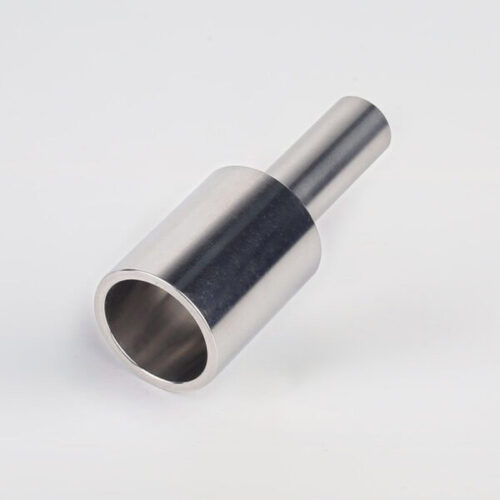
316L Stainless Steel Tube Butt Weld Reducing Fittings Union Reducer RW Series Ultrahigh Purity Process
-
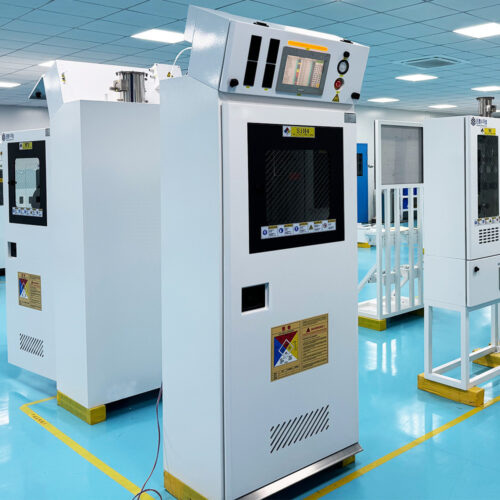
Integrated Gas System (IGS) Modular Integrated Gas Systems (TMS) Integrated Gas Supply System For Semiconductor And Laboratory
-
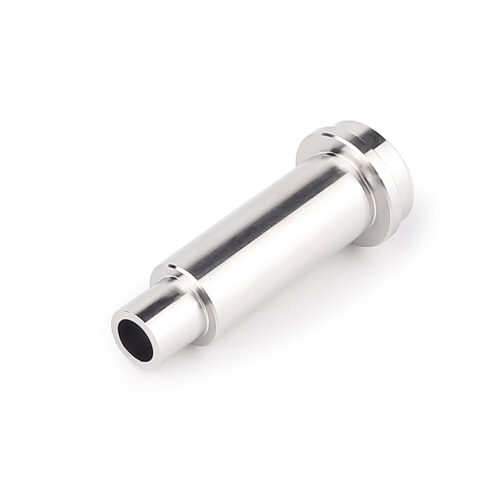
UHP Metal Gasket Face Seal Fittings Vacuum Coupling Metal Face Seal Join Long Gland And Short Gland
-
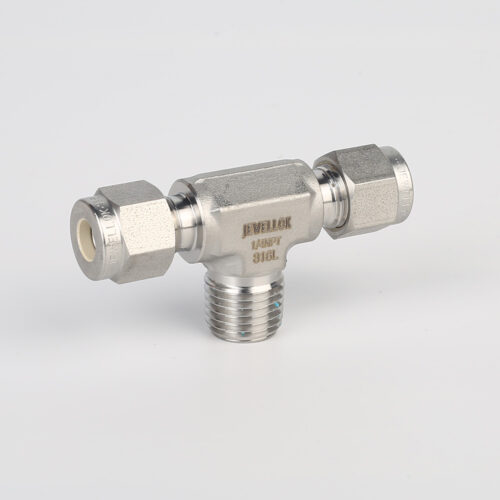
772L Male Branch Tee | Stainless Steel High-Purity Tube Fitting Male Branch Tee
-
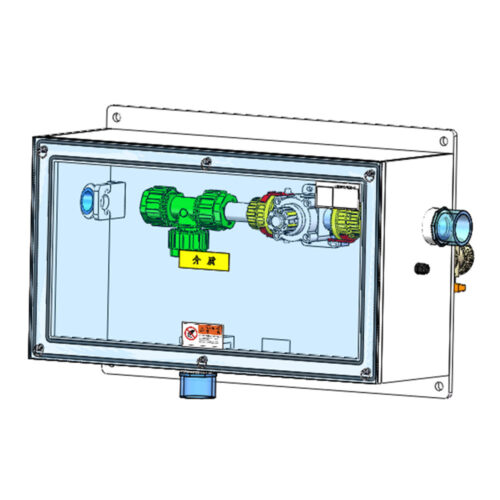
FT-BOX JW-FTB-C Valve Manifold Panels And Boxes With High Purity Configurable Systems
-

Managing Hazardous Chemicals with a Custom Bulk Liquid Chemical Delivery System (BCDS) in Pharmaceutical Facilities
-
762L Stainless Steel High Purity Union High-Purity Gas System Fittings
-
767LP Port Connector Ultra High Purity VCJ Metal Gasket Face Seal Tube Fittings