
Valves Manufacturer Tel: +86 13380377051

How Can Exhaust Gas Scrubbers Effectively Handle Highly Corrosive and Volatile Organic Compounds?
The chemical manufacturing industry is the backbone of the modern economy, producing everything from polymers and solvents to pharmaceuticals and fertilizers. However, this productivity comes with a significant environmental and operational challenge: the management of complex off-gases.
Unlike standard industrial emissions, chemical plant exhaust streams often present a “dual threat”: they contain highly corrosive inorganic compounds (such as HCl, SO₂, NH₃) alongside Volatile Organic Compounds (VOCs) (such as benzene, toluene, and methanol). This combination creates a perfect storm for pollution control systems.
For decades, the Wet Scrubber has been the workhorse of industrial gas treatment. But when faced with the aggressive conditions of the chemical sector, standard exhaust gas scrubber designs fail. They corrode, clog, or simply fail to capture insoluble VOCs, leading to regulatory non-compliance and costly downtime.
This article provides a technical deep dive into the specific pain points of treating chemical exhaust and outlines the engineering strategies—from metallurgy to packing design and oxidation coupling—that make modern scrubbers effective against both corrosives and VOCs.
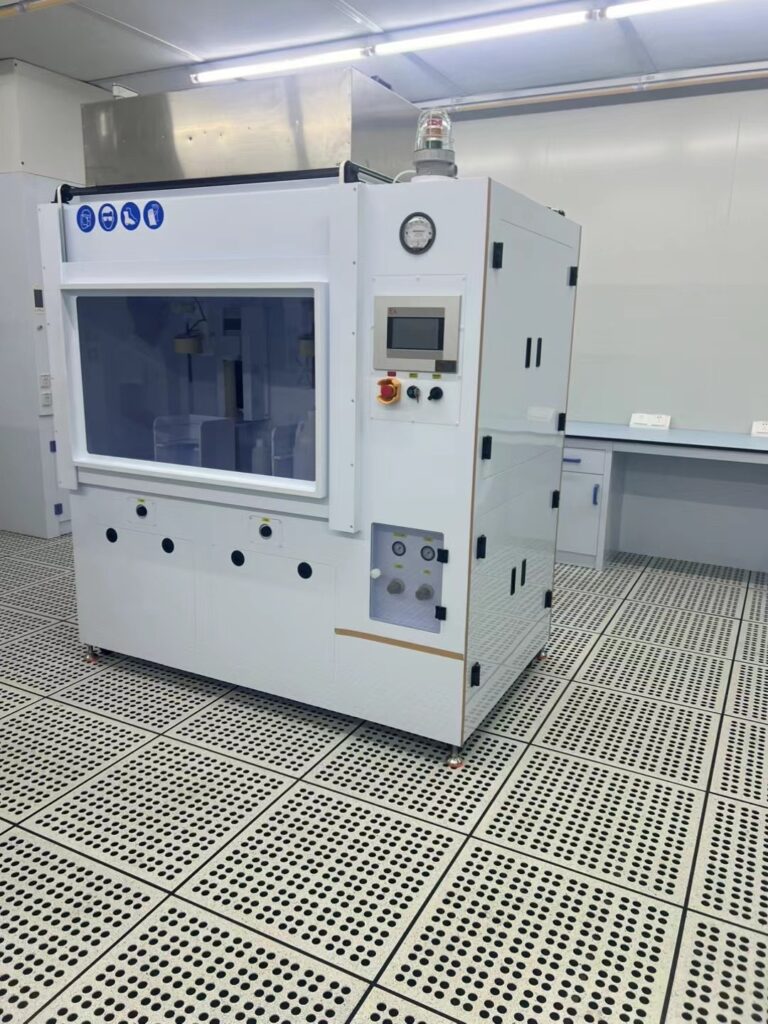
Part 1: The Dual Challenge – Understanding the Enemy
To design an effective abatement system, one must first characterize the waste stream. In the chemical industry, the “enemy” is rarely singular.
The Corrosive Component: The Attack on Infrastructure
Corrosive gases are typically acidic (Halogens like Chlorine, acid mists) or caustic (Ammonia).
-
The Pain Point: When these gases dissolve in the water phase of a scrubber, they form strong acids (e.g., Hydrochloric acid) or bases. If the scrubber materials are not carefully selected, this leads to rapid corrosion.
-
The Consequence: Pinhole leaks in ductwork, degradation of fan impellers, and failure of pump seals. This results in fugitive emissions and catastrophic downtime.
The VOC Component: The Limits of Physics
Volatile Organic Compounds are carbon-based chemicals that vaporize at room temperature.
-
The Pain Point: Many VOCs are hydrophobic (they do not mix with water). A standard water exhaust gas scrubber relies on dissolving the pollutant into the liquid. If the pollutant is insoluble, the scrubber acts as little more than an expensive air heater.
-
The Consequence: The facility may remove the acid gas successfully but fail to meet VOC MACT (Maximum Achievable Control Technology) standards, resulting in EPA violations.
Part 2: Engineering for Corrosion – Material Selection and Design
When dealing with high corrosivity, the “metal vs. plastic” debate is the first technical hurdle.
1. The Shift from Metal to Thermoplastics and FRP
In the presence of halogens (Chlorine, Fluorine), stainless steel (even 316L) is susceptible to Stress Corrosion Cracking (SCC) and pitting.
-
Fiber-Reinforced Plastic (FRP): FRP is the industry standard for highly corrosive fume handling. However, not all FRP is equal. A chemical-grade resin (such as vinyl ester or bisphenol-A fumarate polyester) must be used rather than standard orthophthalic polyester. The resin-rich liner (usually 90-100 mils thick) acts as the primary barrier against acid permeation.
-
Thermoplastic Welded Linings: For extreme temperatures or severe thermal cycling, systems often use polypropylene (PP) or PVDF (Polyvinylidene fluoride) linings inside a structural outer shell. PVDF, in particular, offers exceptional resistance to halogens and solvents at high temperatures.
2. Nozzle and Packing Selection
Corrosion isn’t limited to the tower walls.
-
Nozzles: Silicon Carbide or Alloy-C nozzles are preferred over standard stainless steel to prevent erosion/corrosion at the spray points.
-
Packing Media: Random packing (saddles, rings) must be ceramic or polypropylene. Metal packing would deteriorate rapidly in acid environments, collapsing and increasing pressure drop.
3. The “Dry-Wet” Interface
The most vulnerable part of any scrubber is the interface where hot, dry gas meets the cooler, saturated gas (usually at the inlet). Here, acids can condense at their dew point, creating extremely high localized concentrations. Inlet ductwork is often lined with acid-resistant brick or high-nickel alloy (Hastelloy) to prevent “juice line” corrosion.
Part 3: Engineering for VOCs – Beyond Simple Water Scrubbing
While corrosion eats away at the hardware, VOCs eat away at compliance. To handle VOCs, the scrubbing mechanism must move from absorption to a combination of chemical reaction or oxidation.
1. The “Like Dissolves Like” Principle: Chemical Enhancement
Since water is ineffective for non-polar VOCs, the scrubbing liquid must be chemically modified.
-
Oxidizing Scrubbers: For soluble VOCs like alcohols or ketones, water is often sufficient. For insoluble VOCs, chemical oxidants (Sodium Hypochlorite or Hydrogen Peroxide) are added to the sump. The VOC is not just absorbed; it is chemically destroyed in the liquid phase, converting it into water, carbon dioxide, and a salt. This maintains a high “driving force” for absorption because the VOC concentration in the liquid remains effectively zero.
-
pH Control: Maintaining a specific pH ensures the chemical reaction proceeds efficiently.
2. Thermal Oxidation Coupling (The Polisher)
For very high VOC loads or halogenated VOCs (which form acid when burned), a single-stage scrubber is insufficient. The most effective configuration is often a hybrid system:
-
Step 1: A Quench Scrubber cools the hot gas and removes bulk particulates and soluble acids.
-
Step 2: A Thermal Oxidizer (or Catalytic Oxidizer) destroys the concentrated VOCs at high temperature (1400°F–1800°F).
-
Step 3: A Secondary Scrubber treats the oxidizer exhaust. When VOCs contain chlorine, burning them creates HCl gas. The second scrubber captures this acid gas before it reaches the stack.
3. Packed Bed Depth and Surface Area
Physical absorption of VOCs is mass-transfer limited. To handle VOCs, scrubbers often require taller packed beds (increased residence time) and packing with a high specific surface area (m²/m³). This ensures that the gas bubbles or flows past the scrubbing liquid long enough for diffusion to occur.
Part 4: Operational Pain Points and Mitigation
Even a well-designed scrubber can fail if operational realities are ignored.
1. Plugging and Fouling
Many VOCs polymerize (form long-chain solids) when heated or oxidized. Others react with ammonia or acids to form solid salts.
-
The Solution: Continuous bleed and feed systems (to control dissolved solids) and strategically placed wash nozzles to prevent salt buildup on packing. A “flushable” design with large access doors is critical.
2. Mist Carryover
If a scrubber captures the gas but allows the liquid droplets (containing dissolved acids or VOCs) to escape, the stack becomes a source of “blue haze” or visible emissions.
-
The Solution: High-efficiency Mist Eliminators. For chemical applications, Chevron-style mist eliminators are often used for dirty streams (as they are self-draining), while mesh pads are used for fine, clean mists.
3. Temperature Excursions
Chemical processes can “run away.” A sudden surge in inlet temperature can melt a polypropylene scrubber or delaminate FRP.
-
The Solution: Redundant temperature sensors and emergency quench systems. If the temp exceeds the material limits, the quench sprays turn on immediately to protect the asset.
Part 5: Case Study Example – Pharmaceutical Intermediate Manufacturing
The Scenario: A plant producing pharmaceutical intermediates had an exhaust stream containing HCl gas (highly corrosive) and Toluene (a volatile, insoluble VOC).
The Pain:
-
HCl was destroying the carbon steel ductwork.
-
A standard water scrubber was removing the HCl (visible as a white plume) but was completely ineffective against the Toluene odor. The facility was receiving odor complaints.
The Solution:
-
Material Upgrade: The existing scrubber was replaced with a high-temperature FRP (vinyl ester) tower.
-
Dual-Chemistry Sump: The scrubber sump was designed with a redundant pump system. While water was used for initial HCl quench, a metering pump introduced Sodium Hypochlorite into the recirculation line.
-
Reaction Mechanism: The HCl was absorbed by the water. Simultaneously, the NaOCl oxidized the Toluene in the liquid phase into Benzyl Alcohol and eventually into CO₂ and water.
The Result: The stack emissions showed a 99.5% reduction in HCl and a 92% reduction in Total VOCs, bringing the facility back into compliance and eliminating odor complaints.
Part 6: Future-Proofing the Scrubber System
As environmental regulations tighten (shifting towards lower ppm limits and “forever chemical” regulations), scrubber technology must adapt.
1. IoT and Smart Control
Corrosion is a process of material loss. Future scrubbers will utilize thickness sensors (ultrasonic) and real-time pH/cORP (oxidation-reduction potential) monitoring. These systems will predict when a wall is thinning or when a chemical feed pump is failing, moving from reactive maintenance to predictive maintenance.
2. Addressing PFAS and VOCs
With increasing scrutiny on Per- and Polyfluoroalkyl Substances (PFAS), scrubbers are being challenged. These “forever chemicals” are extremely difficult to destroy. The future lies in highly specialized scrubbers utilizing:
-
Foam Fractionation: To concentrate PFAS from the air stream into a small liquid volume.
-
Advanced Oxidation: Coupling scrubbers with UV/ozone to break down complex organics.
Conclusion
Effectively treating exhaust in the chemical industry requires moving beyond the “one-size-fits-all” mentality. A scrubber handling high corrosivity and VOCs must be viewed not as a simple washer, but as a chemical reactor.
-
To beat corrosion, the battle is won in the design phase—selecting the correct resins (FRP), thermoplastics (PVDF), and alloys to create an inert barrier.
-
To beat VOCs, the battle is won in the chemistry—enhancing the scrubbing liquid with oxidants or coupling the scrubber with thermal destruction to ensure complete mineralization of pollutants.
By integrating robust material science with advanced chemical dosing and monitoring controls, modern gas scrubbers can provide reliable, long-term solutions that protect both the environment and the asset itself. For the chemical engineer, the goal is clear: ensure that the only thing exiting the stack is clean air, not profit or compliance.
For more about how can exhaust gas scrubbers effectively handle highly corrosive and volatile organic compounds, you can pay a visit to Jewellok at https://www.jewellok.com/ for more info.
-
739 High Purity LMR Male Adapter Tube To Pipe Fittings And Adapters
-
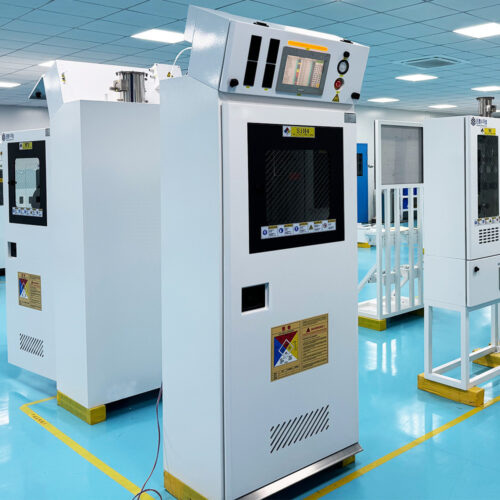
High Purity Bulk Specialty Gas Pressure Control And Filtration Bulk Gas Skid Systems JW-300-BSGS
-
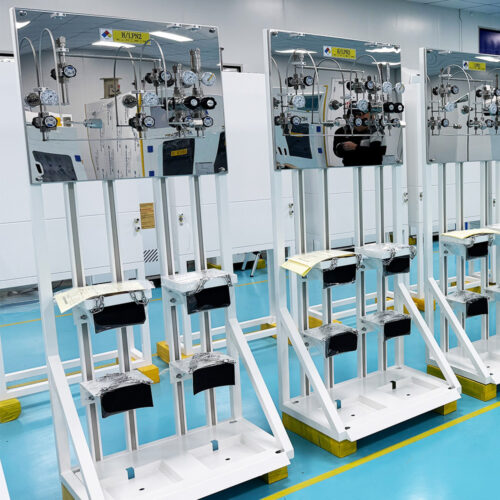
Manual Gas Rack High Purity Gas Delivery Systems JW-100-GR
-
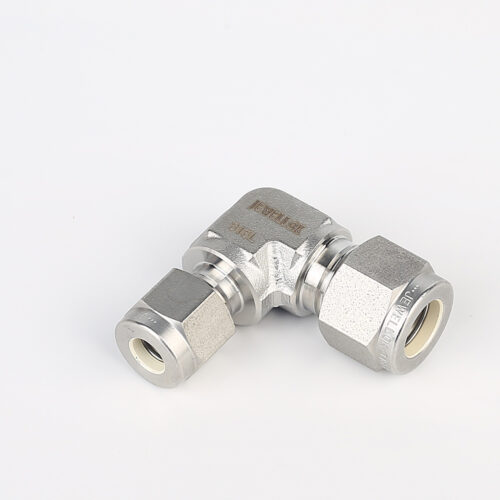
765LR Reducing Tee | Stainless Steel 316 High Purity Butt Weld Fittings Metal Face Seal For Welding Pipe Fitting Reducing Tee
-
Bulk Specialty Gas Systems (BSGS) Gas Cabinets And Scrubber Tail Gas Treatment Cabinets For High Purity Bulk Specialty Gas Delivery
-
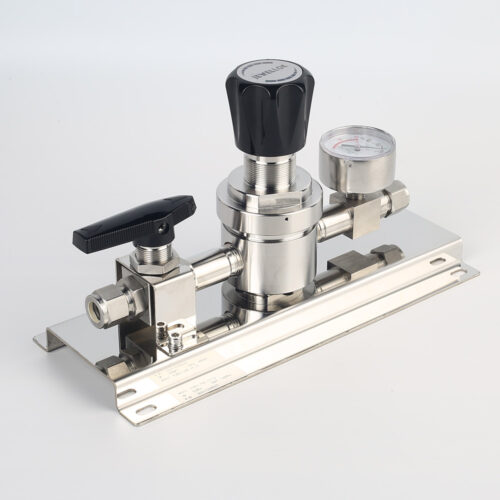
High Purity And Industria Gas Stick Assemblies Precise Pressure Control Gas Systems JSR-1ETG-BV Series
-
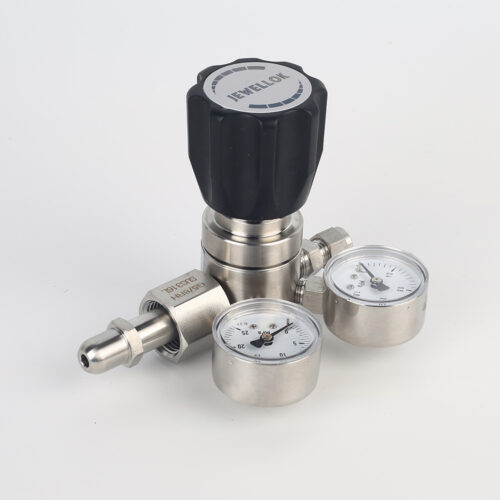
High Purity High Pressure Gas Cylinder Pressure Regulators Pressure Reducing Valve JSR-1E Series
-
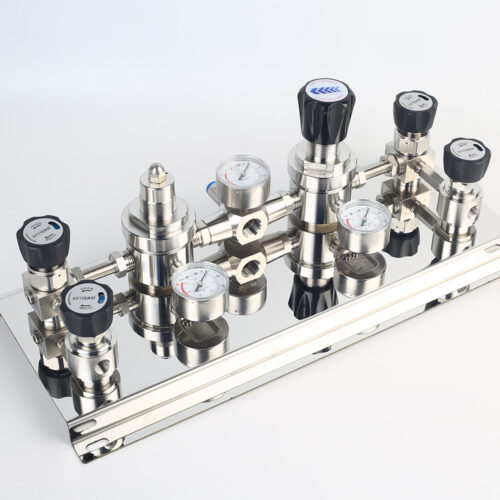
Stainless Steel Single Stage Semiconductor Grade Pressure Control Module Pressure Control Panels JSP-6A Series