
Valves Manufacturer Tel: +86 13380377051
How Does A Carbon Dioxide Gas Changeover Manifold Work?
In the bustling environments of a modern brewery, the controlled atmosphere of a food packaging plant, or the precise conditions of a greenhouse, the reliable supply of carbon dioxide (CO₂) is a critical linchpin for both quality and productivity. A loss of CO₂ pressure can halt a multi-thousand-gallon beer batch, spoil tons of perishable food, or stunt a carefully cultivated crop. Unlike inert gases like argon, CO₂ presents unique handling challenges due to its phase-change properties and specific applications. The carbon dioxide gas changeover manifold is the specialized piece of engineering that stands as a guardian against these costly disruptions, ensuring a seamless transition from a primary supply to a reserve. But how is this system adapted to handle the peculiarities of CO₂, and how does it guarantee an uninterrupted flow?
At its core, a CO₂ changeover manifold is an automated pressure-sensing and switching system. Its fundamental purpose is identical to that of other gas manifolds: to monitor the primary source and automatically switch to a secondary reserve when depletion occurs, all while alerting an operator. However, the journey of CO₂ from its storage state to the point of use adds layers of complexity that shape the manifold’s design and operation. The system must contend with the fact that CO₂ is often stored as a liquid under its own vapor pressure, and its transition back to a gas is a critical part of the process.
The Critical Role of CO₂: Why Continuity is Key
Before delving into the mechanics, it’s essential to understand why an uninterrupted CO₂ supply is so vital across various industries:
- Beverage Carbonation and Dispensing: In breweries and soft drink facilities, CO₂ is the lifeblood. It carbonates the product, pushes it through pipelines to taps, and blankets tanks to prevent oxidation. A loss of pressure during carbonation can result in a “flat” batch, while a loss during transfer can lead to oxygen contamination, ruining the flavor and stability of the beverage.
- Food Processing and Packaging: Modified Atmosphere Packaging (MAP) replaces the air in food packaging with a mixture of gases, often high in CO₂, to inhibit bacterial growth and extend shelf life. An interruption in the CO₂ supply can stop packaging lines, risking spoilage of highly perishable goods like meat, cheese, and prepared foods.
- Greenhouse Cultivation: CO₂ is often enriched in greenhouse atmospheres to significantly accelerate plant growth. A consistent, controlled release is necessary for optimal photosynthesis. A failure disrupts this carefully managed environment, impacting crop yield and quality.
- Welding and Laser Cutting: While using different gases, CO₂ is a key component in shielding gas mixtures for MIG welding and is the active medium in many industrial laser cutters. A fluctuation in supply can lead to weld defects or a loss of cutting power.
In all these scenarios, the changeover manifold is not merely a convenience; it is an essential component of operational integrity and financial risk management.
The Unique Nature of CO₂: Liquid to Gas
The most critical factor distinguishing a CO₂ manifold from one designed for, say, argon or helium, is the state of the stored gas. CO₂ cylinders and bulk tanks are typically filled with liquid carbon dioxide. The space above the liquid is occupied by gaseous CO₂, and the pressure in the container—the vapor pressure—is determined by the temperature of the liquid (around 830 psi at 70°F / 21°C).
When gas is drawn from the cylinder, the liquid CO₂ boils to replace it, maintaining the pressure. This phase change absorbs heat, a phenomenon known as the latent heat of vaporization. If gas is drawn off too quickly, the rapid cooling can freeze the remaining liquid and the regulator, a problem known as “regulator freeze-up,” which severely restricts flow. Therefore, CO₂ systems, including manifolds, are designed to manage this vaporization process effectively, often incorporating vaporizers in high-demand applications to ensure a consistent gas supply.
Deconstructing the System: Core Components of a CO₂ Manifold
A standard two-cylinder CO₂ changeover manifold is an assembly of components tailored to handle high vapor pressures and prevent freeze-up.
- Heated Manifold or Vaporizer (Optional but Common): In many industrial and beverage applications, the manifold itself is heated or is paired with a separate vaporizer. This applies gentle heat to the system, preventing the CO₂ from cooling too much during the phase change and ensuring a stable gas supply and pressure, even under high demand.
- Inlet Valves (Primary and Reserve): These are heavy-duty manual shut-off valves for each liquid CO₂ cylinder. They are designed to handle the high pressures involved and provide a safe point for isolation during cylinder change-outs.
- Dual-Stage Pressure Regulators: These are crucial for CO₂ service. The first stage takes the high, variable vapor pressure from the cylinder (which can range from 400 to over 800 psi depending on temperature) and reduces it to a stable, intermediate pressure. A second stage then further reduces this pressure to a precise, usable “working pressure” for the application (e.g., 10-50 psi for dispensing or packaging). Using two stages provides much greater stability and control, minimizing the risk of pressure fluctuations that can occur as the cylinder empties and cools.
- The Changeover Valve (The Automated Brain): This is the heart of the system. It is a high-pressure valve with two inlets and one outlet. Its internal mechanism, a diaphragm or piston, is constantly exposed to the intermediate pressure from the primary regulator. A calibrated spring opposes this pressure. The valve is pre-set to actuate at a specific “changeover pressure,” typically when the primary cylinder is nearly empty.
- Non-Return Valves (Check Valves): Integrated within the system, these one-way valves are vital. They prevent liquid or gas from the active (reserve) supply from flowing back into the inactive (primary) line. This is critical for maintaining system pressure and preventing cross-contamination between supplies.
- Pressure Gauges: The manifold will feature:
- Cylinder Vapor Pressure Gauges: One for each inlet, showing the high pressure inside the individual CO₂ cylinders, which correlates to how much liquid remains.
- Delivery Pressure Gauge: Shows the final, stable working pressure being supplied to the application.
- Alert Mechanism: This is the system’s communication tool. As with other manifolds, a visual flag (bright red) pops up when a changeover occurs. In automated facilities, this action can also trigger an electrical or pneumatic alarm to alert maintenance staff.
The Operational Sequence: A Step-by-Step Breakdown
The operation of a CO₂ manifold is a precise, automated sequence designed to manage the phase-changing fuel.
Phase 1: Normal Operation – Primary Supply Active
The system begins with both primary and reserve cylinders connected, their valves open, and the manifold (if heated) at operating temperature. Liquid CO₂ in the primary cylinder maintains a high vapor pressure. This high-pressure gas flows through the first-stage regulator, which steps it down to a stable intermediate pressure (e.g., 150 psi).
This regulated gas then enters the “primary” inlet of the changeover valve. Inside, the pressure acts upon the diaphragm, compressing the internal spring. This force holds the valve’s internal mechanism in the “primary” position, allowing gas to flow only from the primary inlet, through the valve, and onward to the second-stage regulator. The second-stage regulator then reduces the pressure to the precise working pressure needed for the brewery or packaging line. The check valve on the primary side is open, while the reserve-side check valve remains sealed.
Phase 2: Depletion and the Automatic Switchover
As the primary cylinder is emptied, the liquid CO₂ is depleted. Once the liquid is gone, only gaseous CO₂ remains, and the pressure in the cylinder begins to drop rapidly. The first-stage regulator, which had been maintaining a steady intermediate pressure, can no longer do so as its inlet pressure plummets.
The pressure in the line between the primary first-stage regulator and the changeover valve begins to decay. When this pressure falls below the manifold’s pre-set changeover threshold (for example, 100 psi), the force on the diaphragm is overcome by the calibration spring.
The spring instantly actuates, moving the internal mechanism of the changeover valve. This action is simultaneous:
- It shuts off the flow path from the depleted primary inlet.
- It opens the flow path from the full reserve inlet.
The regulated intermediate-pressure gas from the reserve cylinder immediately fills the changeover valve. The check valve on the primary side snaps shut, preventing any backflow. The gas flow is now seamlessly sourced from the reserve cylinder, and the second-stage regulator continues to deliver a perfectly stable working pressure to the application. The entire transition is instantaneous.
Phase 3: Alarm and Cylinder Replacement
The physical shift of the changeover valve triggers the alert mechanism. The red flag becomes visible, and any connected alarms are activated.
This is the system’s clear signal: “The primary cylinder is empty. I have switched to reserve to maintain your process, but the empty cylinder must be replaced immediately.” This allows for a planned, non-emergency response. A technician can safely close the inlet valve on the empty primary cylinder, carefully vent any residual pressure, replace the cylinder, and reopen the valve. Once the primary side is repressurized, the technician manually resets the changeover valve. This action shifts the valve back to the primary position, lowers the alert flag, and re-arms the system.
Special Considerations for CO₂
The “liquid to gas” nature of CO₂ storage means that simply reading a pressure gauge does not accurately indicate how much liquid remains; the vapor pressure stays relatively constant until the liquid is gone. This makes the automatic function of the changeover manifold even more critical, as it detects the actual moment of liquid depletion, not just a pressure drop.
Furthermore, in high-volume applications, manifolds are often part of a larger system involving bulk storage tanks, electric vaporizers, and multi-cylinder “banks” that are switched in sequence to ensure a continuous and adequate supply of gaseous CO₂.
Conclusion
The carbon dioxide changeover manifold is a robust and intelligent system, expertly adapted to handle the unique challenges of a phase-changing gas. It is more than just a collection of valves and regulators; it is an integrated solution that ensures pressure stability, prevents freeze-up, and, most importantly, guarantees operational continuity. By providing an automated, failsafe switch from an empty supply to a full one, it protects product quality, safeguards financial investment, and allows industries that rely on the versatile molecule of CO₂ to operate with confidence. It is the unsung hero working behind the scenes to ensure that your beer is bubbly, your food is fresh, and your processes run without interruption.
For more about how does a carbon dioxide gas changeover manifold work, you can pay a visit to Jewellok at https://www.jewellok.com/ for more info.
-
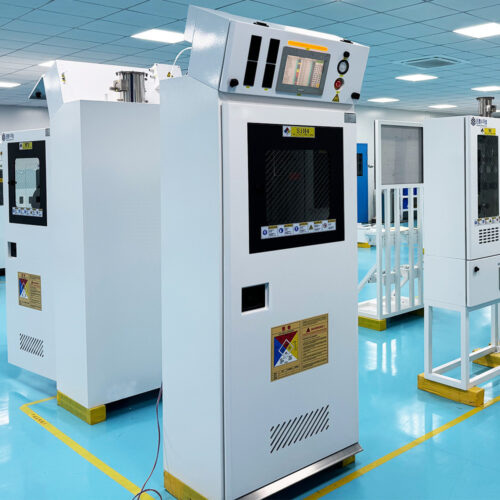
Ultra High Purity Trimethylaluminum TMA Gas Cabinet Liquid Delivering Cabinet Used For Specialty Gas Delivery System In Semiconductor
-
767LP Port Connector Ultra High Purity VCR Metal Gasket Face Seal Tube Fittings
-
Semi Automatic Gas Changeover Manifold System Manual Changeover Manifold Panel Single Stage Automatic Switchover Board
-
High Purity High Pressure Stainless Steel Needle Valve Natural Gas Flow Control Valve JNV Series
-
High Pressure High Temperature Pneumatic Ultrahigh Purity Stainless Steel Diaphragm Valves
-
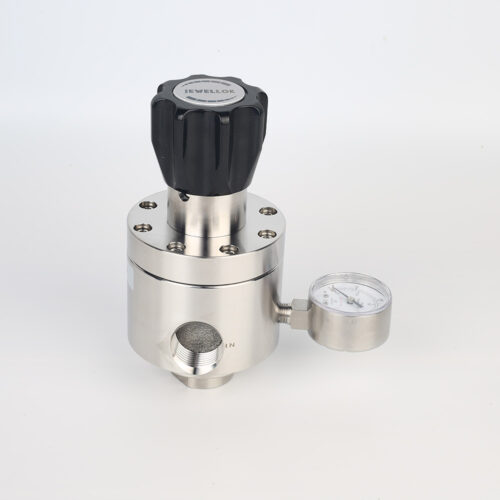
Low Pressure High Flow Line Pressure Regulators And Control Valves JSR-4L Series For Laboratory Pressure Control
-
739 High Purity LMR Male Adapter Tube To Pipe Fittings And Adapters
-
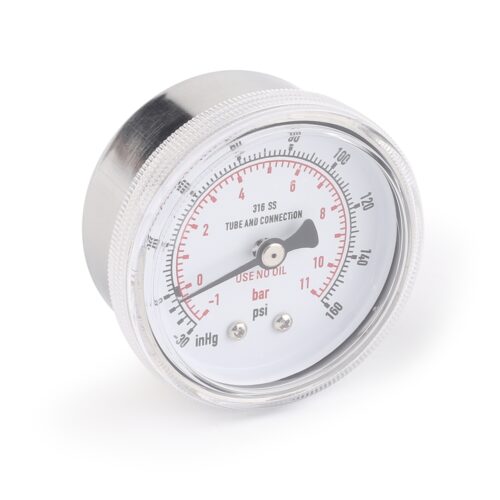
Ultra High Purity Pressure Gauge For Laboratory And Semiconductor JR Series