
Valves Manufacturer Tel: +86 13380377051
How Does An Argon Gas Changeover Manifold Work?
In the precise worlds of welding, metal fabrication, laboratory research, and electronics manufacturing, the uninterrupted supply of high-purity inert gas is not a luxury—it is an absolute necessity. A sudden loss of shielding gas during a TIG weld can ruin a critical component, just as a loss of atmosphere in a glove box can compromise a sensitive experiment. This is where the argon gas changeover manifold, a masterpiece of practical engineering, comes into play. It is the silent guardian of process continuity, ensuring a seamless transition from a primary gas source to a secondary reserve without a single flicker of interruption. But how does this crucial piece of equipment actually work?
At its core, a changeover manifold is an automated pressure-sensing and switching system. Its primary function is to monitor the pressure in the primary gas supply and, when that supply is nearly depleted, automatically switch the gas flow to a full secondary reserve cylinder while simultaneously alerting an operator. This entire process hinges on a simple but effective principle: the use of differential pressure to actuate valves and ensure a one-way flow of gas.
The Core Components: Deconstructing the Argon Gas Changeover Manifold
To understand the operation, we must first become familiar with the key components that make up a standard two-cylinder changeover manifold:
- Inlet Valves: These are manual shut-off valves, one for each gas cylinder (Primary and Reserve). They allow the operator to isolate the cylinders from the system for safe change-out.
- Pressure Regulators: Each cylinder inlet typically has its own first-stage regulator. These regulators take the high, variable pressure from the cylinder (which can be over 2000 psi / 138 bar when full) and step it down to a consistent, lower “intermediate” pressure, often in the range of 100-150 psi (7-10 bar). This not only protects the downstream components but also creates a stable pressure for the switching mechanism to monitor.
- The Changeover Valve (The Brain): This is the heart of the system. It is a specialized valve with a single outlet but two inlets (from the primary and reserve regulators). Inside, a sensitive diaphragm or piston is exposed to the pressure from the primary supply line. This valve is spring-loaded, typically set to switch at a pre-determined “changeover pressure.”
- Non-Return Valves (Check Valves): Integrated within the changeover valve or installed immediately downstream, these are critical one-way gates. They prevent gas from the active supply from flowing back into the inactive supply line, ensuring that the primary and reserve gases never mix.
- Pressure Gauges:
- Cylinder Pressure Gauges: One for each inlet, showing the high pressure inside the individual cylinders.
- Delivery Pressure Gauge: Shows the intermediate pressure being delivered to the changeover valve and downstream system.
- Outlet Valve: A manual valve that controls the final gas flow from the manifold to the application (e.g., the welding machine or laboratory bench).
- Alert Mechanism: This is usually a visual flag or a pneumatic switch that can trigger an audible/electrical alarm. As the system switches to the reserve cylinder, a bright red flag pops up or a micro-switch is activated, signaling to personnel that the primary cylinder is empty and needs replacement.
The Step-by-Step Operational Sequence
The true elegance of the changeover manifold lies in its sequential, automated operation. Let’s walk through a complete cycle.
Phase 1: Normal Operation – Primary Supply in Use
Imagine a manifold with two full argon cylinders connected. The operator opens both cylinder inlet valves and the main outlet valve. The high-pressure gas from the primary cylinder flows through its inlet valve and into its first-stage regulator, where the pressure is reduced to a steady 100 psi. This regulated gas now enters the “primary” inlet of the changeover valve.
Inside the changeover valve, the 100 psi pressure acts upon a diaphragm, compressing a spring. This force holds the valve’s internal mechanism in a position that allows gas to flow only from the primary inlet, through the valve, and out to the outlet. At the same time, the gas pressure also holds shut the pathway from the reserve inlet. The integrated check valve on the primary side is open due to the forward flow, while the check valve on the reserve side remains firmly closed. The system is running smoothly, and the alert flag remains hidden.
Phase 2: Depletion and The Critical Changeover Point
As the primary cylinder is consumed, the pressure inside it gradually drops. Remember, the first-stage regulator maintains a constant 100 psi output until the cylinder pressure falls below the regulator’s “drop-off” point. Once the cylinder pressure drops to near the delivery pressure setting, the regulator can no longer maintain 100 psi.
The pressure in the line between the primary regulator and the changeover valve begins to fall. When this pressure dips below the manifold’s pre-set changeover threshold (for example, 50 psi), the force it exerts on the diaphragm inside the changeover valve is no longer sufficient to overcome the strength of the internal spring.
The spring now actuates, swiftly moving the internal mechanism of the valve. This action does two things simultaneously:
- It shuts off the flow path from the now-depleted primary inlet.
- It opens the flow path from the reserve inlet.
The regulated 100 psi gas from the full reserve cylinder immediately rushes into the changeover valve. The check valve on the primary side snaps shut, preventing this new gas from back-flowing into the empty primary line. The gas now flows seamlessly from the reserve cylinder, through the changeover valve, and out to the application. The transition happens in milliseconds—far too quickly for any downstream process to be affected.
Phase 3: Alert and Cylinder Replacement
The physical movement of the changeover valve’s internal mechanism is mechanically linked to the alert system. As the valve shifts from “Primary” to “Reserve,” it triggers a bright red flag to pop up into a window, clearly indicating “RESERVE IN USE.” On more advanced models, this movement can also activate a pneumatic or electric switch to sound a horn, flash a light, or send a signal to a central monitoring system.
This alert is the system’s way of telling the operator, “The primary cylinder is empty. I have switched to the reserve to keep you running, but you need to replace the empty cylinder now.” The operator can then safely close the inlet valve on the empty primary cylinder, depressurize its side of the manifold, replace the cylinder, and open the new primary valve. Once the primary side is repressurized, the operator can manually reset the changeover valve (usually by pushing a button or lever), which lowers the alert flag and re-arms the system for the next cycle.
Why is this System So Crucial? Applications and Benefits
The value of a changeover manifold extends far beyond mere convenience.
- Process Integrity: In TIG and MIG welding, argon shields the molten weld pool from atmospheric contamination (oxygen and nitrogen). A loss of gas, even for a second, can cause porosity, oxidation, and embrittlement, leading to a weak and defective weld that may require costly rework or cause catastrophic failure. The manifold eliminates this risk.
- Uninterrupted Operations: In laboratories, processes like Gas Chromatography (GC) or experiments within controlled atmosphere chambers can take hours or days. A manifold ensures that these processes are not ruined by a gas failure overnight or during a weekend, protecting valuable research and samples.
- Safety and Purity: For applications using hazardous or ultra-high-purity gases, the non-return valves are vital. They prevent cross-contamination between cylinders, which is critical for maintaining gas purity specifications and for safety when different gases are used in separate systems.
- Efficiency and Labor Savings: Without a manifold, an operator must constantly monitor cylinder pressure gauges. The automated alert system allows for proactive cylinder management, reducing downtime and enabling a single operator to manage multiple gas lines efficiently. It also allows for cylinder changes to be scheduled during natural breaks rather than as emergency interruptions.
Advanced Configurations and Considerations
While the two-cylinder system is the most common, manifolds can be scaled for greater demands. “Multi-Cylinder Manifolds” can link several primary and several reserve cylinders together in “banks,” controlled by a master changeover panel. This is common in large hospitals (for medical gases) or industrial plants with high gas consumption.
Another critical consideration is gas compatibility. The materials within the manifold—seals, diaphragms, regulators—must be compatible with the gas being used. While standard manifolds are built for inert gases like argon, specialized manifolds with specific seals (e.g., Viton for corrosives) are required for gases like chlorine or ammonia.
Conclusion
The argon gas changeover manifold is a paradigm of elegant, fail-safe engineering. It transforms a potential point of failure—the finite gas supply in a cylinder—into a managed, automated process. By harnessing the fundamental principles of pressure differentials and spring mechanics, it performs a critical task with flawless reliability. It is more than just a collection of valves and gauges; it is an indispensable insurance policy for quality, continuity, and efficiency in any application where the uninterrupted flow of gas is paramount. From the welder crafting a critical aerospace component to the scientist analyzing a new pharmaceutical, users of this system can work with the confidence that their guardian of gas supply is silently and effectively on duty.
For more about how does an argon gas changeover manifold work, you can pay a visit to Jewellok at https://www.jewellok.com/ for more info.
-
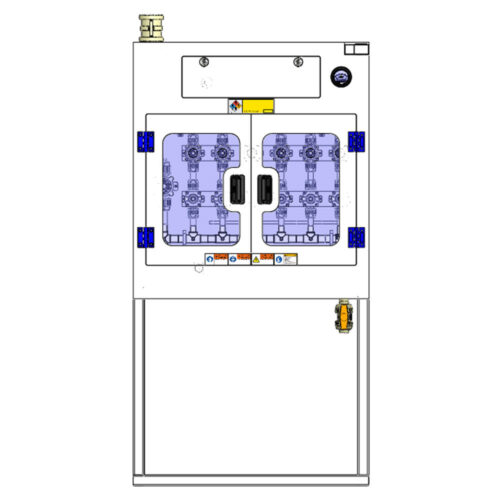
High Purity Configurable Systems VMB Valve Manifold Box JW-200-VMB-C & JW-100-VMB-C
-
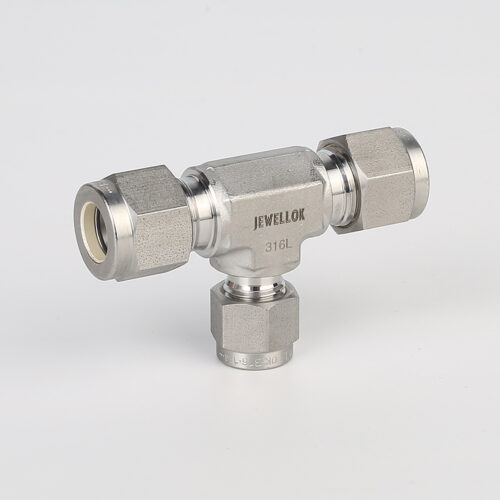
764LR Stainless Steel 316 Reducing Tee UHP Fitting Automatic Buttweld Reducing Tee
-
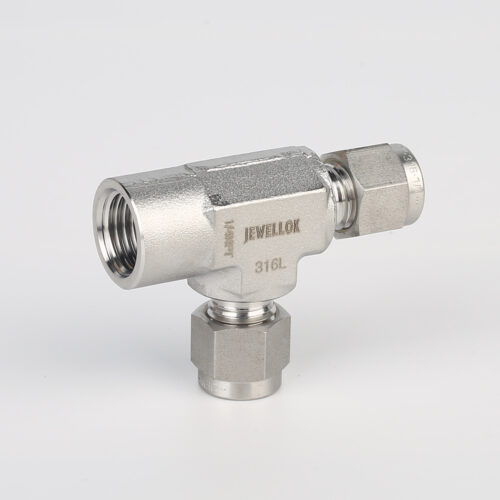
771LF Female Run Tee | Stainless Steel Tube Fitting Compression Fittings 1/4 In 3-Way Tee Female Run Tee
-
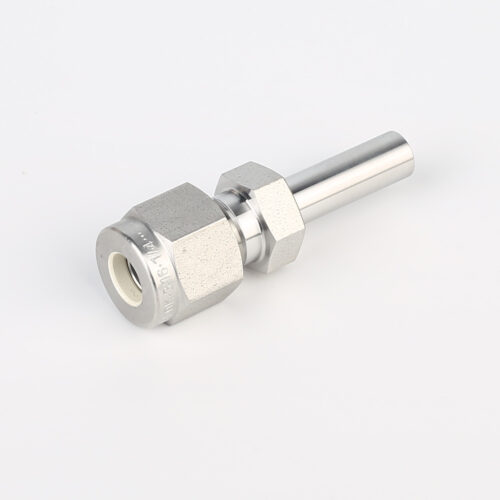
767LT Reducer Pressure Reducing Valve Adjustment High purity Pressure Reducing Union Fittings And Tubing
-
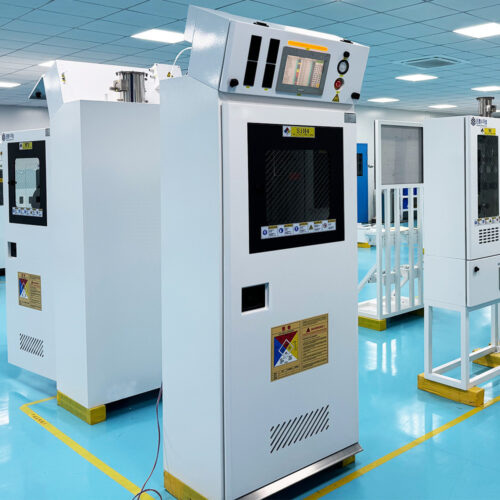
Bulk Specialty Gas Systems (BSGS) Gas Cabinets And Scrubber Tail Gas Treatment Cabinets For High Purity Bulk Specialty Gas Delivery
-
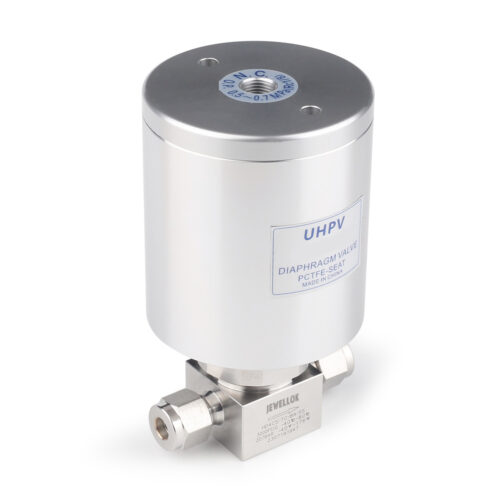
High Pressure High Temperature Pneumatic Ultrahigh Purity Stainless Steel Diaphragm Valves
-
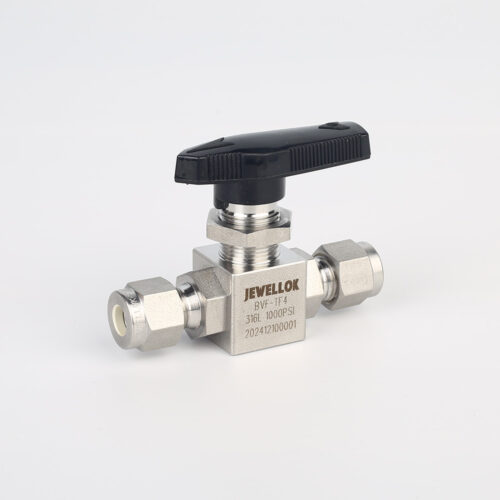
Stainless Steel High Purity High Temperature Pneumatic Actuated Ball Valves JBV2 Series
-
Integrated Gas System (IGS) Modular Integrated Gas Systems (TMS) Integrated Gas Supply System For Semiconductor And Laboratory