
Valves Manufacturer Tel: +86 13380377051
In-Depth Understanding of CVD Gas Precursor Delivery Principles and Technologies
Chemical Vapor Deposition (CVD) is a cornerstone process in modern materials science and semiconductor manufacturing, enabling the formation of high-quality thin films with precise control over composition, thickness, and uniformity. At the heart of any CVD process lies the delivery of gas-phase precursors, which directly determines the efficiency, reproducibility, and quality of the deposited films. CVD gas precursor delivery is therefore not merely a supporting function, but a critical subsystem that influences process stability, safety, and overall production yield.
This article explores the principles, components, challenges, and emerging technologies associated with CVD gas precursor delivery systems, providing a comprehensive technical overview suitable for engineers, researchers, and professionals in the field.
Fundamentals of CVD Gas Precursor Delivery
In a typical CVD process, volatile chemical precursors are transported in the gas phase into a reaction chamber, where they undergo chemical reactions—often thermal decomposition or surface reactions—to form a solid film on a substrate. The effectiveness of this process depends heavily on how accurately and consistently the precursors are delivered.
Gas precursor delivery systems must achieve several key objectives:
- Precise flow control: Maintaining consistent flow rates to ensure uniform film deposition.
- Stable pressure regulation: Avoiding fluctuations that could lead to defects.
- Purity preservation: Preventing contamination from moisture, oxygen, or particulates.
- Thermal management: Ensuring that precursors remain in the desired phase (gas or vapor) during transport.
These requirements become increasingly stringent in advanced applications such as semiconductor fabrication, where even minor deviations can result in device failure.
Types of CVD Precursors
CVD precursors can be broadly categorized into gases and liquids, each with distinct delivery requirements:
- Gaseous Precursors
Examples include silane (SiH₄), ammonia (NH₃), and hydrogen (H₂). These are typically stored in high-pressure cylinders and delivered through mass flow controllers (MFCs). Gas delivery is relatively straightforward but demands high safety standards due to toxicity or flammability. - Liquid Precursors
Examples include tetraethyl orthosilicate (TEOS) and metal-organic compounds used in MOCVD. These require vaporization systems, such as bubblers or direct liquid injection (DLI), to convert the liquid into a vapor before entering the reaction chamber. - Solid Precursors
Less common but used in certain applications. These require sublimation systems and precise temperature control to generate a stable vapor flow.
Key Components of a Gas Delivery System
A robust CVD gas precursor delivery system consists of several interconnected components:
1. Gas Sources and Storage
Gas cylinders, ampoules, or bulk delivery systems serve as the primary source of precursors. These containers must be compatible with the chemical properties of the gas, including corrosion resistance and leak tightness.
2. Pressure Regulation
Pressure regulators reduce the high pressure from storage cylinders to a usable level. Dual-stage regulators are often employed to ensure stable downstream pressure. Materials such as stainless steel (e.g., 316L) are commonly used to minimize contamination.
3. Mass Flow Controllers (MFCs)
MFCs are critical for controlling the flow rate of gases with high precision. Modern MFCs use thermal or pressure-based sensing technologies and can achieve accuracies within ±1% of setpoint. They are often integrated with digital control systems for real-time monitoring.
4. Valves and Fittings
High-purity valves (e.g., diaphragm valves) and leak-tight fittings (such as VCR or compression fittings) are essential for maintaining system integrity. These components must meet stringent cleanliness standards, especially in semiconductor applications.
5. Gas Lines and Manifolds
Tubing systems transport gases from the source to the reaction chamber. Electropolished stainless steel tubing is commonly used to reduce surface roughness and minimize particle generation.
6. Vaporization Systems
For liquid precursors, vaporization systems such as bubblers or vaporizers are used:
- Bubblers: Carrier gas is bubbled through the liquid precursor, picking up vapor. The vapor pressure depends on temperature.
- Direct Liquid Injection (DLI): A metered amount of liquid is injected and vaporized instantly, offering better control and reproducibility.
7. Filters and Purifiers
Gas purifiers remove impurities such as moisture and oxygen, which can adversely affect film quality. Particle filters prevent contamination from particulates generated within the system.
Challenges in CVD Gas Delivery
Despite advancements in technology, several challenges persist in CVD gas precursor delivery:
1. Maintaining Consistent Vapor Pressure
For liquid precursors, vapor pressure is highly temperature-dependent. Fluctuations can lead to inconsistent delivery rates. Precise temperature control systems, including heated lines and temperature-controlled bubblers, are essential.
2. Preventing Condensation
If the temperature of gas lines falls below the dew point of the precursor, condensation can occur, leading to blockages or inconsistent flow. Heated delivery lines are commonly used to mitigate this issue.
3. Handling Reactive and Hazardous Gases
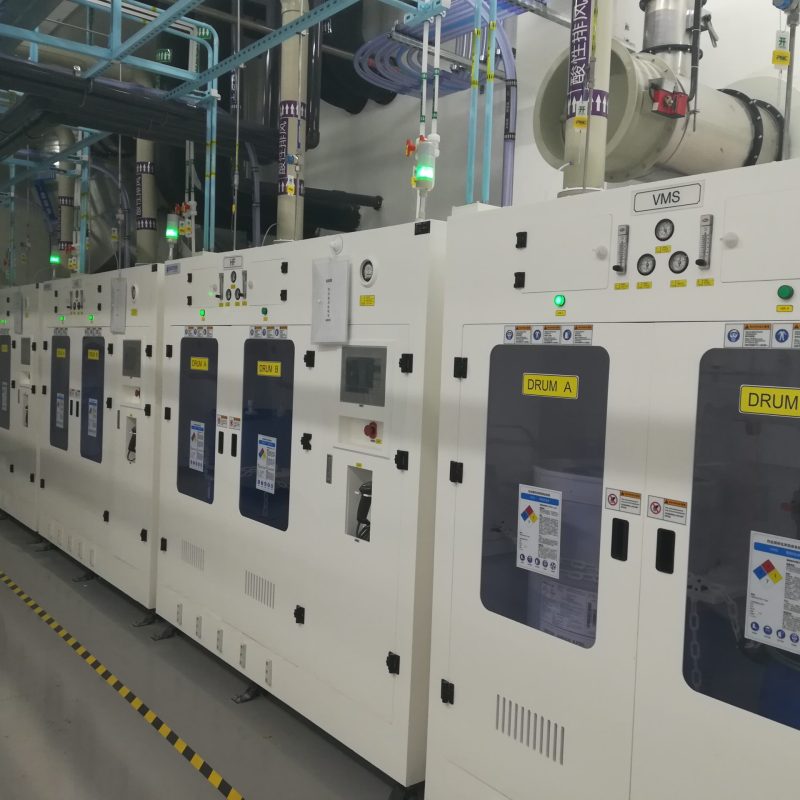
Many CVD precursors are toxic, pyrophoric, or corrosive. Systems must be designed with safety features such as gas cabinets, leak detection, automatic shutoff valves, and proper ventilation.
4. Minimizing Dead Volume
Dead volume in the system can lead to gas stagnation, delayed response times, and memory effects. Compact system design and proper component selection help reduce these issues.
5. Ensuring System Cleanliness
Contamination from particles or residual gases can significantly impact film quality. Ultra-high purity (UHP) standards are often required, especially in semiconductor manufacturing.
Advanced Delivery Techniques
To meet the demands of modern applications, several advanced precursor delivery techniques have been developed:
1. Direct Liquid Injection (DLI)
DLI systems offer precise control over liquid precursor delivery by injecting a metered quantity into a vaporizer. This technique reduces dependence on vapor pressure and improves repeatability.
2. Atomic Layer Deposition (ALD) Compatibility
In ALD processes, precursors are delivered in pulses rather than continuous flow. Delivery systems must support rapid switching and precise timing, often requiring fast-acting valves and minimal dead volume.
3. Smart Delivery Systems
Integration with sensors and digital control systems enables real-time monitoring of flow rates, pressure, and temperature. Data analytics and feedback control improve process stability and predictive maintenance.
4. Heated Gas Panels
For low-volatility precursors, heated gas panels maintain the entire delivery path above the condensation temperature, ensuring consistent vapor flow.
Safety Considerations
Safety is paramount in CVD gas delivery due to the hazardous nature of many precursors. Key safety measures include:
- Gas cabinets with automatic shutoff systems
- Leak detection systems using sensors for toxic or flammable gases
- Proper ventilation and exhaust systems
- Emergency response protocols
- Use of compatible materials to prevent corrosion or reactions
Compliance with industry standards such as SEMI (Semiconductor Equipment and Materials International) guidelines is essential.
Applications of CVD Gas Delivery Systems
CVD gas precursor delivery systems are used across a wide range of industries:
- Semiconductor manufacturing: Deposition of silicon, oxides, nitrides, and metal films
- Optoelectronics: Fabrication of LEDs and laser diodes
- Coatings: Protective and decorative coatings for tools and components
- Energy: Thin films for solar cells and battery materials
- Nanotechnology: Growth of nanowires, graphene, and carbon nanotubes
Each application has unique requirements, influencing the design and configuration of the delivery system.
Future Trends
The evolution of CVD gas precursor delivery is driven by the need for higher precision, efficiency, and sustainability:
- Miniaturization and Integration
Compact, modular systems are being developed to reduce footprint and improve scalability. - Digitalization and Automation
Smart systems with IoT integration enable remote monitoring, predictive maintenance, and enhanced process control. - Green Chemistry
Development of safer, less toxic precursors and more efficient delivery methods to reduce environmental impact. - Advanced Materials
As new materials emerge, delivery systems must adapt to handle novel precursors with unique properties.
Conclusion
CVD gas precursor delivery is a critical enabler of high-performance thin film deposition processes. From precise flow control to advanced vaporization techniques, every aspect of the delivery system plays a vital role in determining the success of a CVD process. As technology continues to advance, the demand for more sophisticated, reliable, and safe delivery systems will only grow.
Understanding the principles and challenges of gas precursor delivery allows engineers and researchers to optimize their processes, improve product quality, and drive innovation across multiple industries. Whether in semiconductor fabrication or emerging nanotechnologies, the importance of effective CVD gas delivery cannot be overstated.
For more about in-depth understanding of CVD gas precursor delivery principles and technologies, you can pay a visit to Jewellok at https://www.jewellok.com/ for more info.
-
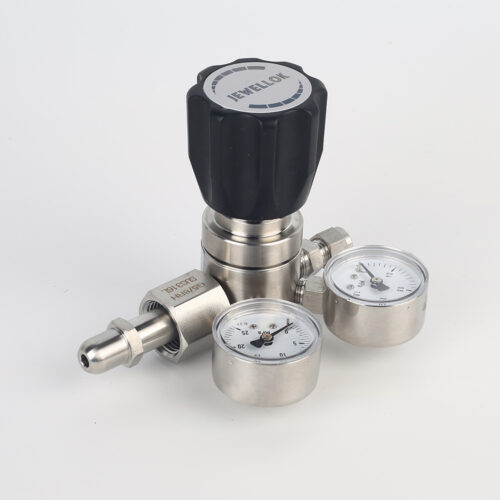
High Purity High Pressure Specialty Gas Pressure Regulators Specialty Gases Pipeline Engineering Equipments Manufacturer And Supplier
-
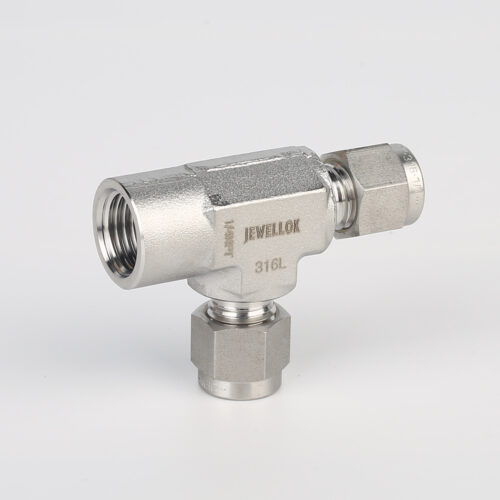
771LF Female Run Tee | Stainless Steel Tube Fitting Compression Fittings 1/4 In 3-Way Tee Female Run Tee
-
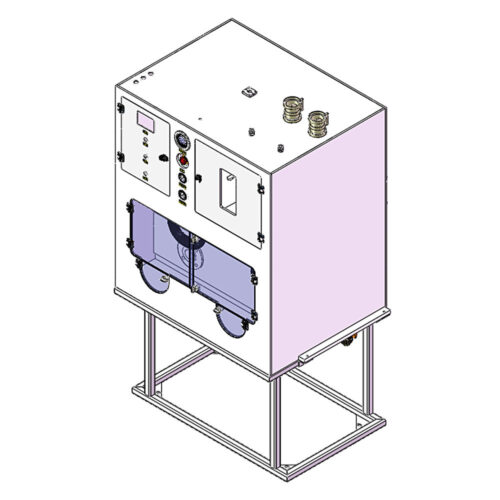
Clean Connection Cabinet JW-300-CCB Valve Manifold Box And Control Valve Box
-
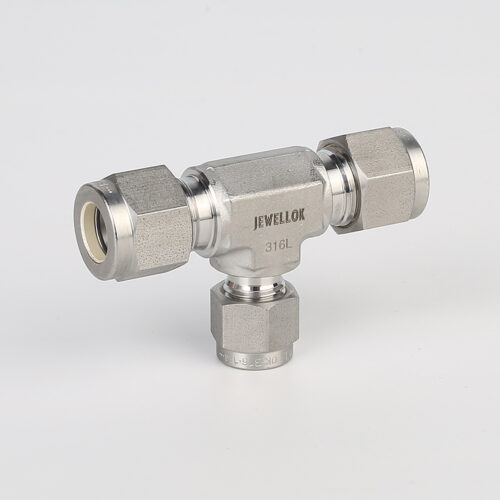
764LR Stainless Steel 316 Reducing Tee UHP Fitting Automatic Buttweld Reducing Tee
-
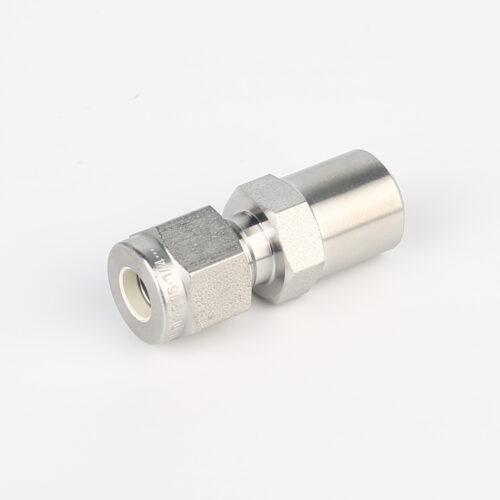
768LN Stainless Steel Male Pipe Tube Butt Weld Connector And Tube Fittings Supplier
-
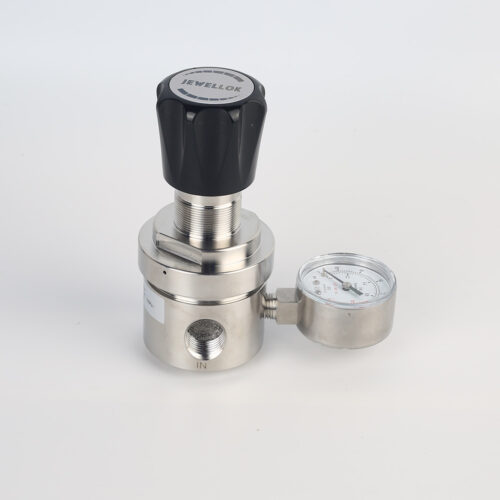
Line And Panel Mounting Adjustable Low Pressure Propane And Nitrogen Pressure Regulator JSR-3L & JSR-3LP Series
-
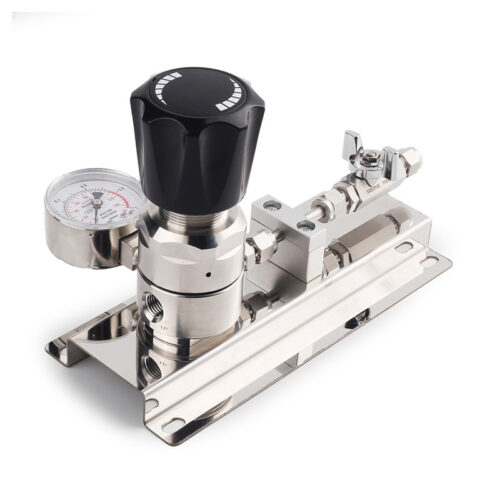
Ultra High Purity Stainless Steel Compressed Gas Changeover Manifold Panel System For Integrated Gas Supply System
-
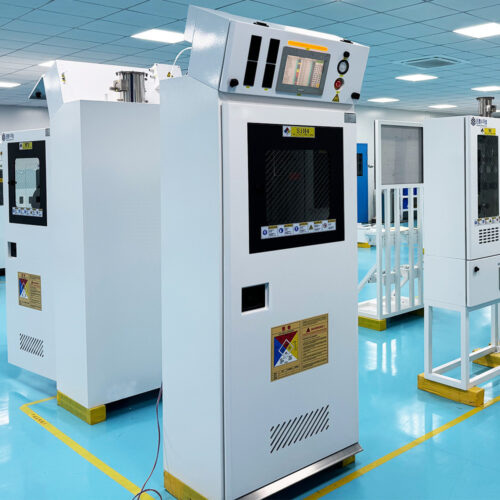
BSGS Large Flow Specialty Gas Supply Cabinet 3 Cylinder Gas Storage Cabinet Fully Automated PLC Control Bulk Specialty Gas Systems (BSGS) Gas Cabinets