
Valves Manufacturer Tel: +86 13380377051
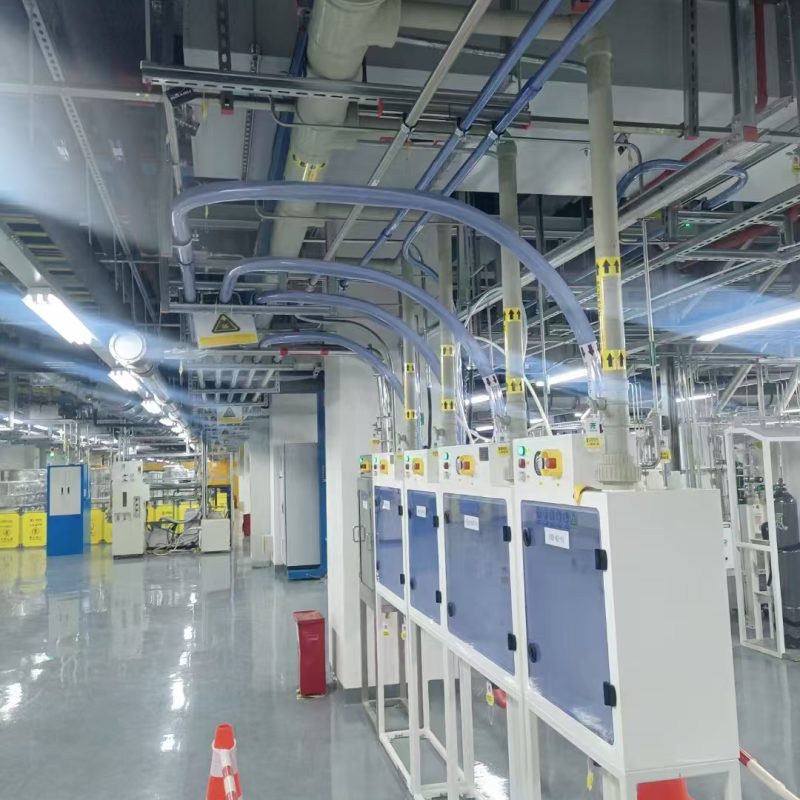
Exhaust Gas Treatment Tower: Principles, Design, and Applications in Modern Industry
In modern industrial production, the control of exhaust gas emissions has become a critical environmental and regulatory requirement. Among various air pollution control technologies, the exhaust gas treatment tower—commonly referred to as a scrubber tower or gas absorption tower—plays a vital role in removing harmful pollutants from industrial emissions. This article provides a comprehensive technical overview of exhaust gas treatment towers, including their working principles, types, structural design, materials, operational considerations, and industrial applications.
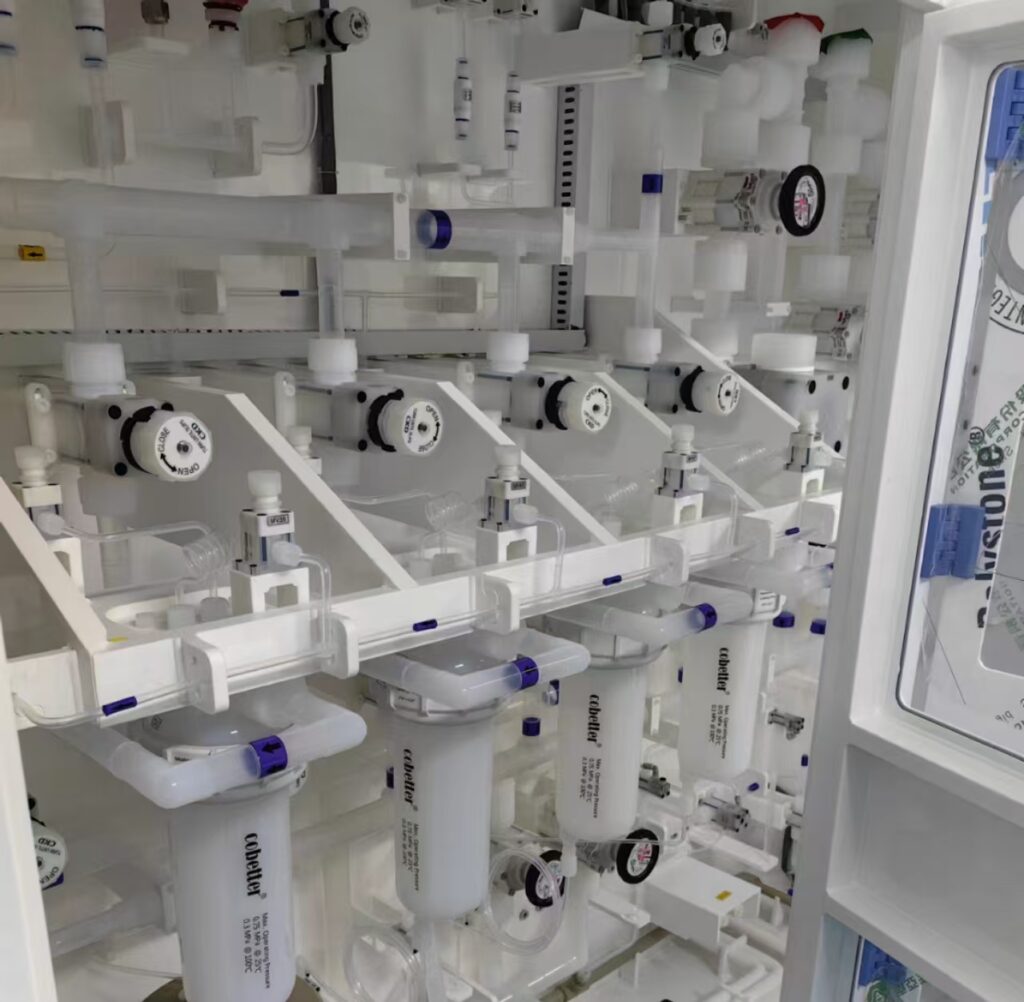
1. Introduction to Exhaust Gas Treatment Towers
An exhaust gas treatment tower is a vertical device designed to remove contaminants from gaseous streams through physical and/or chemical processes. These towers are widely used in industries such as chemical manufacturing, semiconductor fabrication, pharmaceuticals, metallurgy, and waste treatment.
The primary objective of these systems is to reduce pollutants such as:
- Acidic gases (e.g., HCl, SO₂, NOx)
- Alkaline gases (e.g., NH₃)
- Volatile organic compounds (VOCs)
- Particulate matter
- Toxic and hazardous air pollutants (HAPs)
By ensuring compliance with environmental regulations, exhaust gas treatment towers help protect both human health and the environment.
2. Working Principle
The operation of an exhaust gas treatment tower is typically based on mass transfer between the gas phase and a liquid phase. The contaminated gas flows upward through the tower, while a liquid absorbent (often water or a chemical solution) flows downward, creating a counter-current contact.
Key mechanisms involved:
- Absorption
Pollutants dissolve into the liquid phase. For example, hydrogen chloride (HCl) gas dissolves readily in water. - Chemical Reaction
In many cases, chemical reagents are added to enhance removal efficiency. For example:- NaOH solution neutralizes acidic gases.
- Acidic solutions remove alkaline gases like ammonia.
- Physical Capture
Particulate matter can be captured through impaction and interception with liquid droplets.
The efficiency of the process depends on factors such as contact area, residence time, temperature, and chemical concentration.
3. Types of Exhaust Gas Treatment Towers
There are several types of towers, each designed for specific applications and pollutant characteristics.
3.1 Packed Bed Scrubber
This is the most commonly used type.
- Structure: Filled with packing materials (e.g., Raschig rings, Pall rings, structured packing).
- Function: Increases surface area for gas-liquid interaction.
- Advantages:
- High efficiency
- Low pressure drop
- Suitable for soluble gases
3.2 Spray Tower
- Structure: Equipped with spray nozzles that disperse liquid into fine droplets.
- Function: Gas interacts with sprayed liquid droplets.
- Advantages:
- Simple design
- Low cost
- Limitations:
- Lower efficiency compared to packed towers
3.3 Venturi Scrubber
- Structure: Narrow throat section where gas velocity increases significantly.
- Function: High-velocity gas atomizes liquid, creating fine droplets for efficient particulate removal.
- Advantages:
- Excellent for removing fine particles
- Disadvantages:
- High energy consumption
3.4 Tray Tower (Plate Tower)
- Structure: Contains multiple trays or plates.
- Function: Gas bubbles through liquid layers on trays.
- Applications:
- Suitable for high gas flow rates
- Used in chemical processing
4. Structural Components
An exhaust gas treatment tower consists of several key components:
4.1 Tower Body
- Cylindrical vertical column
- Designed to withstand pressure, temperature, and corrosion
4.2 Packing Material
- Provides large surface area
- Types include:
- Random packing (Raschig rings, Berl saddles)
- Structured packing (corrugated sheets)
4.3 Liquid Distribution System
- Ensures uniform distribution of absorbent
- Includes spray nozzles and distributors
4.4 Gas Inlet and Outlet
- Designed to optimize flow distribution
- Prevent channeling and ensure uniform contact
4.5 Demister (Mist Eliminator)
- Removes entrained liquid droplets from cleaned gas
- Typically made of mesh pads or vane separators
4.6 Recirculation System
- Includes pumps, tanks, and piping
- Enables reuse of absorbent liquid
5. Materials of Construction
Material selection is critical due to the corrosive nature of many exhaust gases.
Common materials include:
- FRP (Fiber Reinforced Plastic)
- Excellent corrosion resistance
- Lightweight and cost-effective
- PVC / PP (Polyvinyl Chloride / Polypropylene)
- Suitable for moderate temperatures
- Widely used in chemical industries
- Stainless Steel (SS304, SS316L)
- High strength and durability
- Suitable for high-temperature applications
- Special Alloys (e.g., Hastelloy)
- Used for highly corrosive environments
6. Design Considerations
Proper design is essential to ensure optimal performance and efficiency.
6.1 Gas Flow Rate
- Determines tower diameter and height
- Must avoid excessive velocity that leads to flooding
6.2 Liquid-to-Gas Ratio (L/G)
- Critical parameter affecting absorption efficiency
- Higher L/G improves removal but increases operating cost
6.3 Pressure Drop
- Should be minimized to reduce energy consumption
- Depends on packing type and gas velocity
6.4 Residence Time
- Sufficient contact time is required for mass transfer
- Influenced by tower height and flow rates
6.5 Chemical Compatibility
- Absorbent must react effectively with pollutants
- Avoid unwanted by-products
7. Operational Considerations
7.1 pH Control
- Maintaining optimal pH is crucial for chemical absorption
- Automated dosing systems are often used
7.2 Temperature Control
- High temperatures reduce gas solubility
- Cooling systems may be required
7.3 Maintenance
- Regular inspection of packing and nozzles
- Prevention of scaling and clogging
7.4 Waste Liquid Treatment
- Spent absorbent must be treated or disposed of properly
- May require neutralization or filtration
8. Applications
Exhaust gas treatment towers are used across a wide range of industries:
8.1 Semiconductor Industry
- Removal of toxic gases such as HF, HCl, and NH₃
- Critical for cleanroom safety
8.2 Chemical Manufacturing
- Treatment of process emissions
- Control of acid and solvent vapors
8.3 Pharmaceutical Industry
- Removal of solvent vapors and hazardous gases
8.4 Metal Processing
- Treatment of fumes from pickling and electroplating
8.5 Waste Incineration
- Removal of acidic gases and particulate matter
9. Advantages and Limitations
Advantages:
- High removal efficiency for soluble gases
- Flexible design for different applications
- Relatively simple operation
Limitations:
- Ineffective for poorly soluble gases without chemical additives
- Generates liquid waste
- Requires regular maintenance
10. Future Trends and Innovations
With increasing environmental regulations and sustainability goals, exhaust gas treatment technologies are evolving rapidly.
Key trends include:
- Advanced Packing Materials
Improved surface area and reduced pressure drop - Hybrid Systems
Combining scrubbers with filters or catalytic systems - Digital Monitoring
Integration of sensors and IoT for real-time performance tracking - Green Chemistry Approaches
Use of environmentally friendly absorbents - Energy Optimization
Reducing operational costs through improved design

11. Conclusion
Exhaust gas treatment towers are essential components in modern industrial emission control systems. By leveraging principles of mass transfer and chemical reaction, these towers effectively remove harmful pollutants from exhaust streams, ensuring compliance with environmental standards.
The selection of the appropriate tower type, materials, and operating conditions is crucial for achieving optimal performance. As industries continue to prioritize sustainability and environmental responsibility, the role of exhaust gas treatment towers will only become more significant.
Through ongoing innovation and technological advancement, these systems are expected to become more efficient, cost-effective, and environmentally friendly, contributing to cleaner air and a healthier planet.
For more about the exhaust gas treatment tower: principles, design, and applications in modern industry, you can pay a visit to Jewellok at https://www.jewellok.com/ for more info.
-
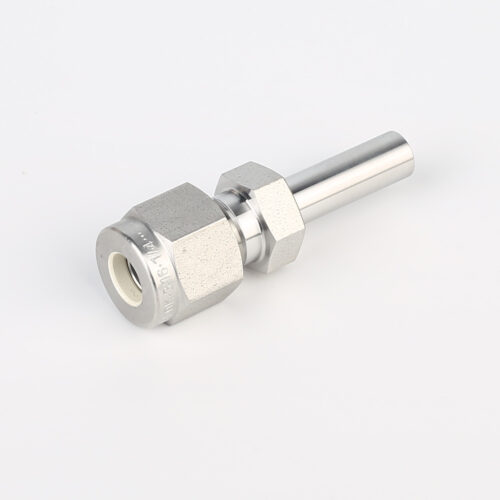
767LT Reducer Pressure Reducing Valve Adjustment High purity Pressure Reducing Union Fittings And Tubing
-
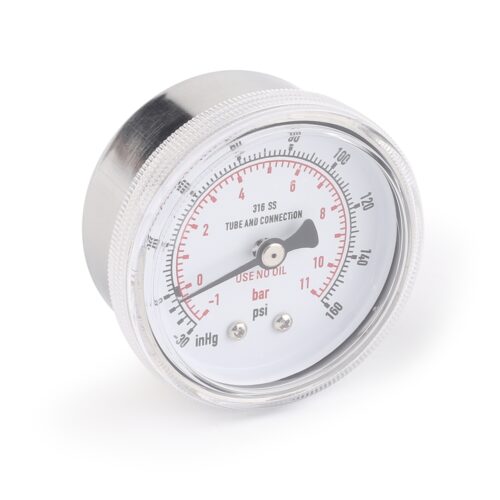
Ultra High Purity Pressure Gauge For Laboratory And Semiconductor JR Series
-
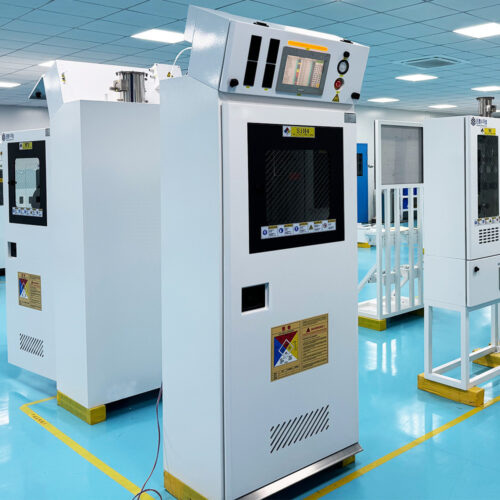
High Purity Bulk Specialty Gas Pressure Control And Filtration Bulk Gas Skid Systems JW-300-BSGS
-
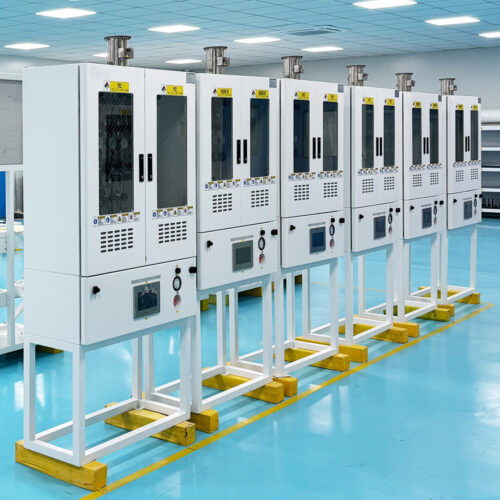
VMB Valve Manifold Panels And Boxes High Purity Configurable Systems JW-200-VMB & JW-100-VMB
-
739LF High Purity Female Adapter Tube To Pipe Fittings And Connectors
-
Stainless Steel High Purity High Temperature Pneumatic Actuated Ball Valves JBV2 Series
-
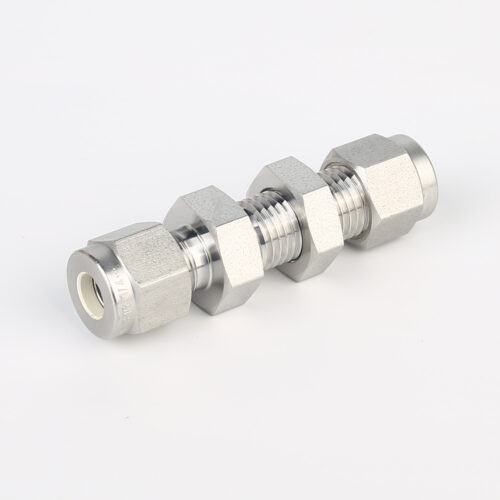
774L Stainless Steel UHP Fittings Butt Weld Bulkhead Union For High Flow Special Gas Fluid
-
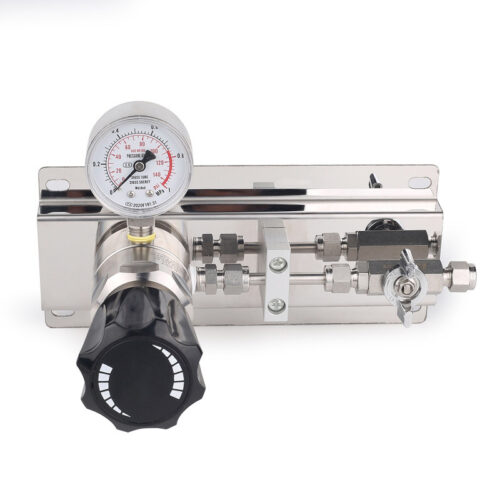
High Purity Gas Cylinder Semi Automatic Changeover Manifold Regulator Panel 3000psig Stainless Steel Gas Control Panel 1/8 Npt With Gauge