
Valves Manufacturer Tel: +86 13380377051
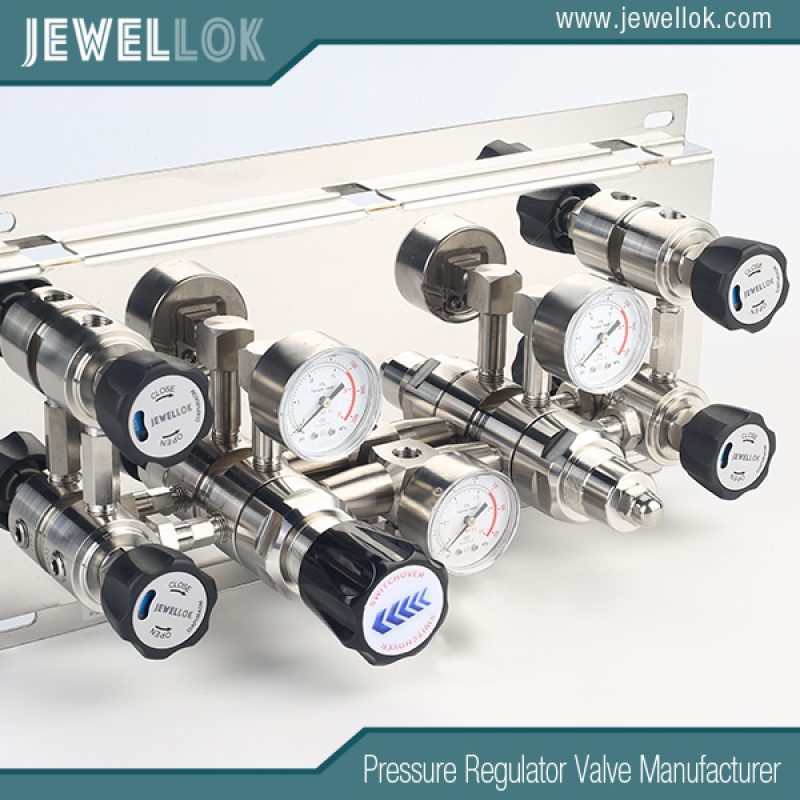
Neon Laser Gas Ultra High Purity Regulators are Guardians of Photonic Precision
The performance, stability, and lifetime of gas lasers, particularly helium-neon (HeNe) and other neon-based systems, are exquisitely sensitive to the purity of their active gain media. Even minute concentrations of contaminants can quench lasing action, degrade beam quality, and cause irreversible damage to critical components. As the critical interface between high-pressure gas cylinders and the low-pressure laser cavity, the gas regulator plays a pivotal role in maintaining this purity. This article explores the design, technology, and application of Ultra High Purity (UHP) regulators specifically engineered for neon laser gas mixtures. We will examine the failure modes induced by impure gas delivery, the materials science and engineering principles behind neon laser gas UHP regulators, key performance specifications, and best practices for integration and maintenance.
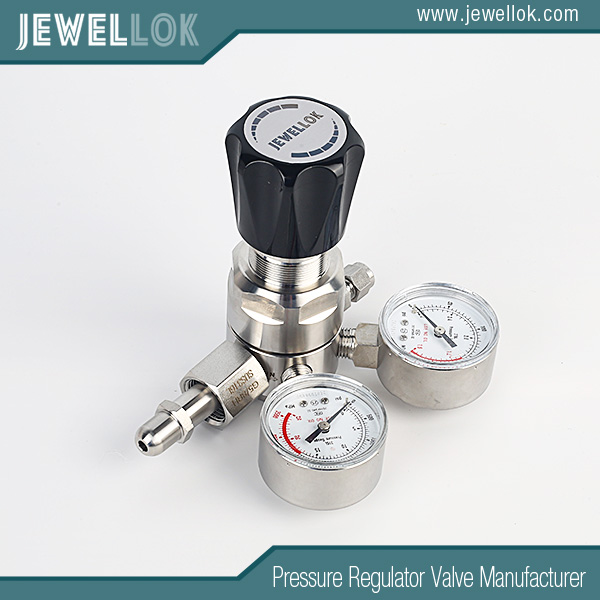
- Introduction: The Fragile Equilibrium of the Laser Cavity
The helium-neon laser, a cornerstone of photonics since its invention in 1960, operates on a principle of delicate balance. Its red 632.8 nm emission (or other lines like 543.5 nm green) results from a complex energy transfer process within a low-pressure gas discharge. A typical mixture consists of approximately 90% helium and 10% neon at a total pressure of a few torr within the plasma tube. The helium atoms are excited by an electrical discharge, transferring their energy resonantly to neon atoms, which then undergo population inversion and stimulated emission.
This process is highly vulnerable to contamination. Hydrocarbons (oil vapors), water vapor (H₂O), oxygen (O₂), nitrogen (N₂), and carbon dioxide (CO₂) act as potent quenchers. They can:
- Collisionally De-excite neon atoms, reducing the population inversion.
- Absorb Photons at the lasing wavelength, increasing losses.
- Form Compounds on electrodes and bore surfaces, leading to discharge instability, increased operating voltage, and “clean-up” effects where gas is permanently consumed.
- Accelerate Cathode Sputtering, depositing metallic films on mirrors and the bore, which scatters light and eventually kills the laser.
The gas regulator is the primary defense line against these contaminants entering from the supply cylinder. A standard industrial regulator is a source of contamination, not a barrier. UHP regulators are therefore not a luxury but a necessity for reliable laser operation.
- The Anatomy of Contamination: Why Standard Regulators Fail
A conventional regulator introduces impurities through several mechanisms:
- Permeation: Elastomer seals (e.g., Buna-N, Viton®) allow atmospheric gases like H₂O, O₂, and N₂ to permeate into the gas stream. They can also outgas hydrocarbon fragments.
- Outgassing: Internal surfaces, especially under vacuum or pressure cycles, release adsorbed gases and vapors.
- Virtual Leaks: Dead volumes, crevices, and poorly machined areas trap gases that slowly bleed into the stream.
- Material Incompatibility: Standard brass or steel bodies can corrode or catalyze reactions. Zinc from brass dezincification is a particular poison.
- Particulate Generation: Valve seat wear and diaphragm movement can generate microscopic metal or elastomer particles.
For a neon laser mixture, the consequence of using such a regulator is a gradual, often irreversible, decline in output power and mode quality, culminating in premature laser failure.
- Design Philosophy and Material Science of UHP Regulators
The neon laser gas ultra high purity regulators are engineered from the ground up to minimize all contamination pathways. The design philosophy centers on inertness, integrity, and cleanability.
3.1. Materials of Construction:
- Body & Internal Components: 316L or 316L-VIM (Vacuum Induction Melted) stainless steel is standard. This austenitic steel offers excellent corrosion resistance and low outgassing properties. For the highest purity applications, alloys like Monel (for superior corrosion resistance) or specially passivated stainless steels are used. All traces of brass or copper alloys are eliminated.
- Sealing Technology: This is the most critical advancement. Metal Diaphragm Seals replace all elastomer seals in the gas path. The pressure is contained by a welded or gasket-sealed metal (typically stainless steel) diaphragm. This creates a hermetically sealed, zero-permeation barrier between the spring chamber (atmospheric side) and the gas path. For static seals (body joints), ConFlat® (CF) or VCR® face-seal fittings with metal gaskets (soft copper or nickel) are employed, ensuring a helium-leak-tight seal without organics.
- Seats & Valves: The inlet valve seat is often made from a softer, compatible material like PCTFE (Kel-F®) or PEEK to provide a tight seal against the metal poppet without galling, while maintaining purity.
3.2. Surface Finish and Treatments:
- Electropolishing: All internal wetted surfaces are electropolished. This process removes the micro-imperfectities of machined metal, creating a smooth, mirror-like finish that minimizes surface area for gas adsorption and makes the surface more chemically passive.
- Cleaning and Packaging: Components undergo rigorous cleaning processes—often ultrasonic baths with high-purity solvents—followed by baking under vacuum to drive off volatiles. They are then bagged in a cleanroom environment and sealed under inert gas (argon or nitrogen).
3.3. Design Features:
- Purging: UHP regulators feature dedicated purge ports (typically on the outlet side) to allow proper evacuation and purging of the entire gas delivery system before connection to the laser. This removes atmospheric contaminants.
- Diaphragm Design: A large, sensitive diaphragm provides precise pressure control with minimal hysteresis, essential for maintaining stable gas flow to the laser.
- Particulate Filtration: Some models integrate a sintered metal filter (e.g., 2-7 micron) at the inlet to catch any particulates from the cylinder.
- Key Specifications and Selection Criteria
When selecting a UHP regulator for neon laser mixtures, engineers must evaluate several specifications:
- Leak Integrity: The standard is < 1 x 10⁻⁹ atm cc/sec He for external leaks. Internal leaks (across the diaphragm) must also be negligible.
- Outlet Pressure Range: HeNe lasers typically require a very low and stable inlet pressure. Regulators with a finely adjustable range of 0-30 psig or 0-50 psig are common.
- Gas Compatibility: The regulator must be certified for use with helium, neon, and pre-mixed HeNe blends. Some specialized mixtures may include trace gases like krypton for specific lines.
- Cleanliness Level: Often specified by particle counts (e.g., per Fed. Std. 209E) or outgassing rates. A common benchmark is a hydrocarbon outgassing rate of < 1 x 10⁻⁹ g/cm²/sec.
- Flow Capacity (Cv): Must be sufficient for the laser’s gas replenishment needs without causing droop (a drop in outlet pressure as flow increases).
- Connections: Inlet connections must match the laser gas cylinder (e.g., CGA 580 for helium mixtures). Outlets are typically 1/4″ or 1/2″ VCR® or Swagelok® connections to maintain UHP integrity downstream.
- System Integration and Operational Best Practices
Installing a UHP regulator is only part of the solution. Proper system design and handling are paramount.
- Proper Purging Procedure: Before connecting to the laser, the entire delivery line must be evacuated and flushed. The sequence is: Connect regulator to evacuated manifold, crack cylinder valve briefly to fill regulator, close cylinder valve, open purge valve to evacuate the regulator, repeat 3-5 times. This “pressure-purge” cycle effectively dilutes and removes atmospheric contaminants.
- Use of UHP Valves and Tubing: The entire path from regulator outlet to laser inlet must be UHP-rated. This means using electropolished stainless steel tubing (1/4″ or 3/8″ OD) connected via metal-seal fittings. Avoid any use of plastic tubing (like Tygon) which is highly permeable.
- Leak Checking: The fully assembled system should be leak-checked with a helium mass spectrometer leak detector, especially after any service.
- Cylinder Management: Start with a certified laser-grade gas mixture from a reputable supplier. The cylinder valve should be closed when the laser is not in use to isolate the supply.
- Regulator Dedication: A regulator should be dedicated to a single gas type forever. Never use a regulator that has been in hydrocarbon service for a laser gas.
- Applications Beyond HeNe Lasers
The principles apply to a broader spectrum of gas lasers requiring neon-based mixtures:
- Copper Vapor Lasers (CVL): Often use neon as a buffer gas. Contamination severely affects efficiency and electrode life.
- Neon-Halide Excimer Lasers: While less common than ArF or KrF, these require ultra-precise halogen-neon mixtures.
- Specialized Ion Lasers: Some argon/krypton ion lasers use neon in fill gases for specific transitions.
- Research & Development: Any laboratory setting investigating plasma physics, laser spectroscopy, or developing new gas laser types will require UHP gas handling.
- Conclusion
In the ecosystem of a gas laser, the neon laser gas UHP regulator is a unsung hero. Its cost is insignificant compared to the price of a high-quality laser tube or the downtime caused by failed experiments. By acting as an impervious gatekeeper, it preserves the meticulously formulated gas mixture within the laser cavity, ensuring:
- Maximum and Stable Output Power
- Extended Operational Lifetime (often doubling or tripling tube life)
- Consistent Beam Quality and Mode Structure
- Reduced Maintenance and Operational Costs
The evolution of UHP regulator technology—driven by the semiconductor industry’s even more extreme demands—continues to benefit photonics. As lasers push further into precision metrology, medical applications, and quantum technologies, the demand for flawless gas purity will only increase. Specifying and properly implementing an Ultra High Purity regulator for neon laser gas mixtures is therefore a fundamental engineering decision, one that safeguards the very photon-generating heart of the system. It is a definitive step from viewing gas delivery as mere plumbing to treating it as a critical component of photonic performance.
For more about neon laser gas ultra high purity regulators are guardians of photonic precision, you can pay a visit to Jewellok at https://www.jewellok.com/ for more info.
-
High Purity High Pressure Specialty Gas Pressure Regulators Specialty Gases Pipeline Engineering Equipments Manufacturer And Supplier
-
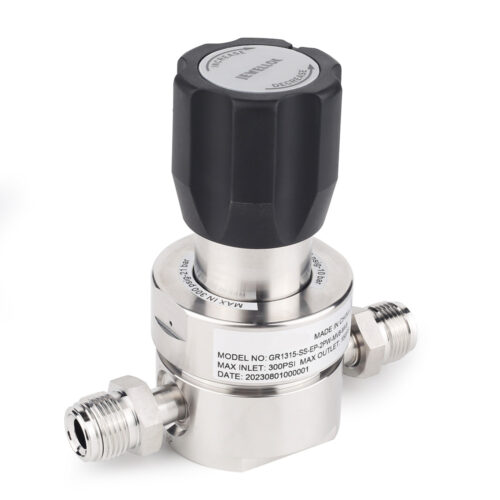
JR1300 Series Ultra High Purity Single Stage Regulator High Flow Line Regulator For Ultra High Purity Intermediate Flow
-
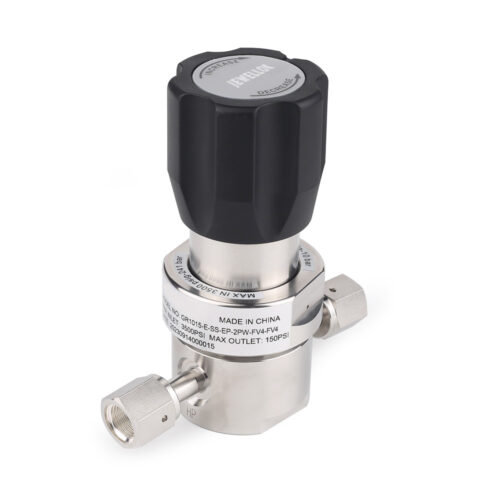
JR1000 Series UHP Ultra High Purity Single Stage Pressure Reducing Regulator And Low To Intermediate Flow
-
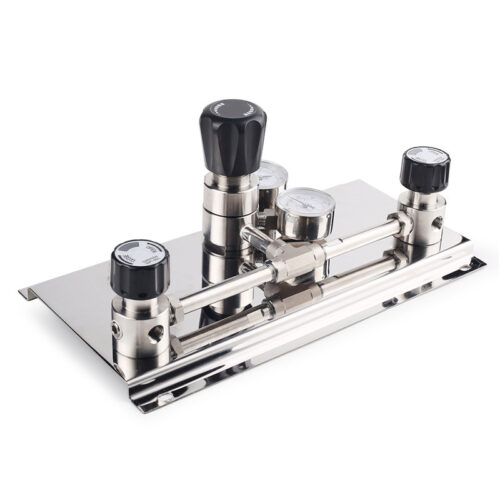
High Purity Semi-Auto Stainless Steel Changeover Manifold System, Nitrogen High Pressure Control Panel With Semiconductor Valve Manifold Box Diaphragm Valves
-
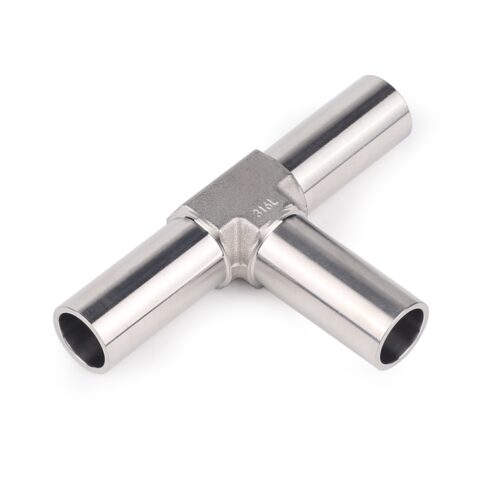
Stainless Steel Ultra Clean Welding Joint Fittings TW Series TRW Series & CW Series
-
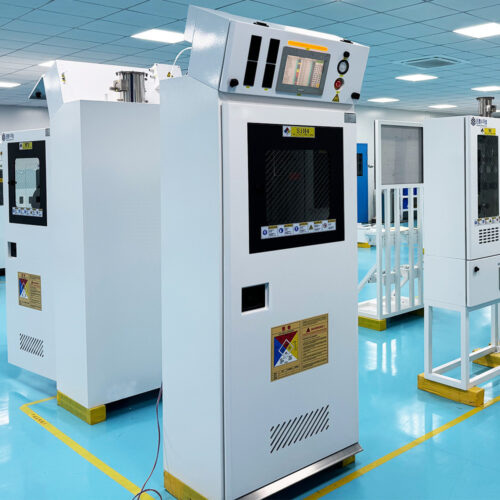
Integrated Gas System (IGS) Modular Integrated Gas Systems (TMS) Integrated Gas Supply System For Semiconductor And Laboratory
-
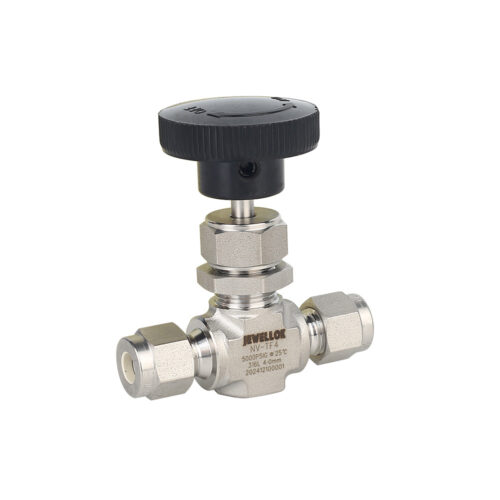
High Purity High Pressure Stainless Steel Needle Valve Natural Gas Flow Control Valve JNV Series
-
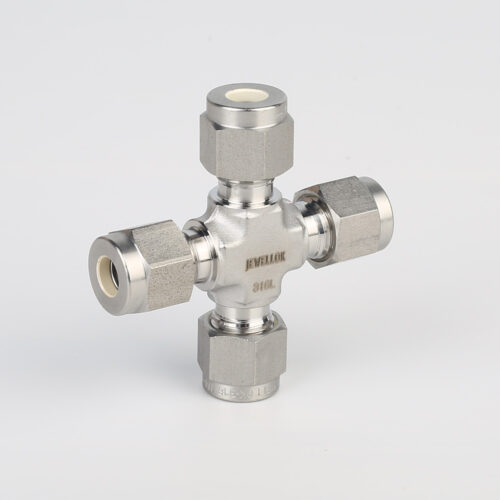
7102L Stainless Steel 316L SS Union Cross Ultra High Purity Long Arm Union Elbow Tee Cross Butt Weld Fittings